










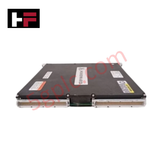
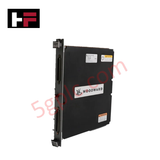
Product Details
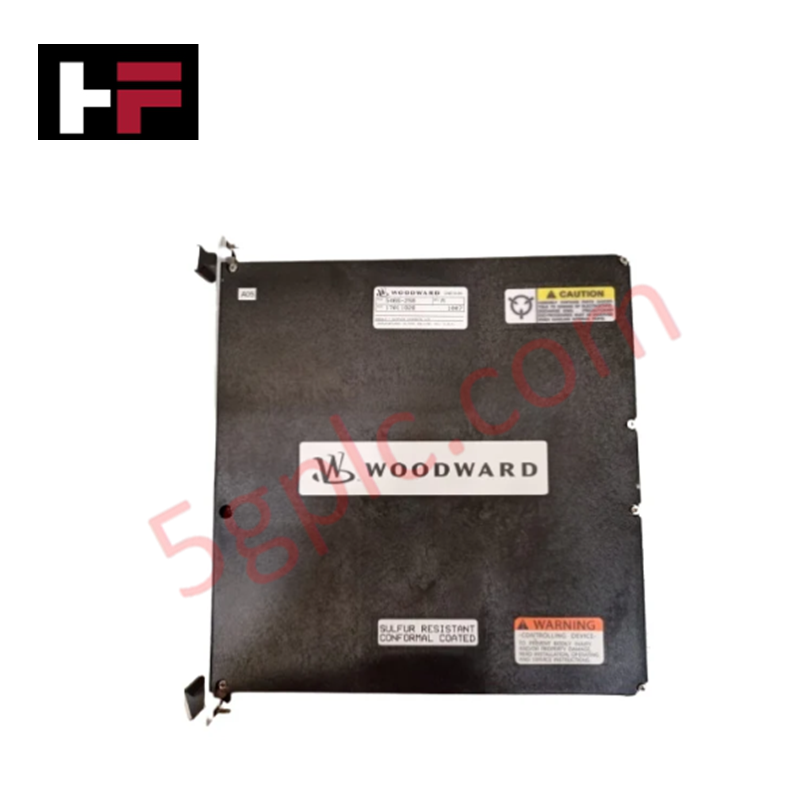
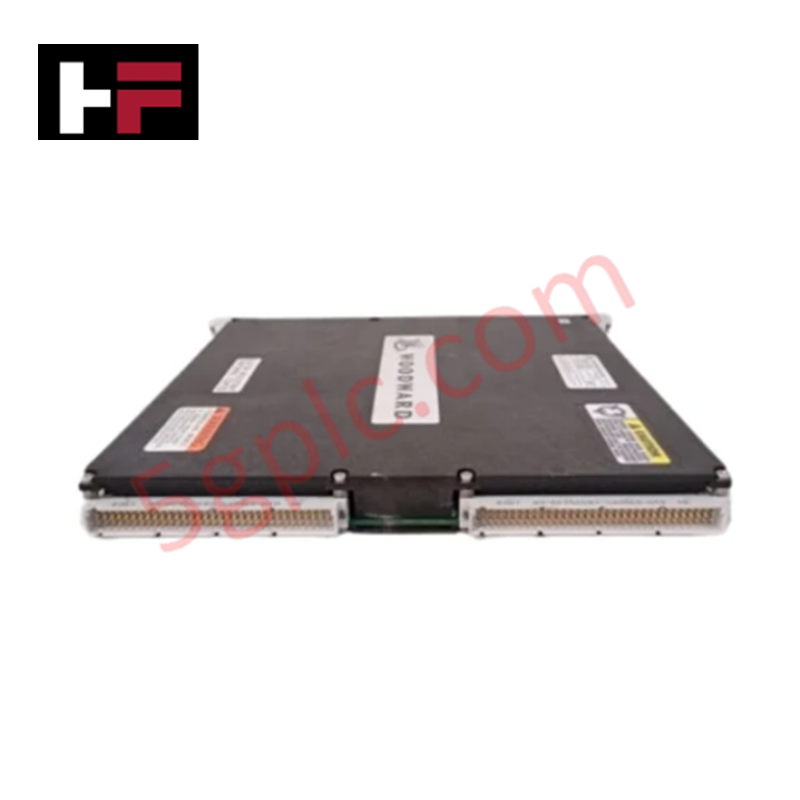
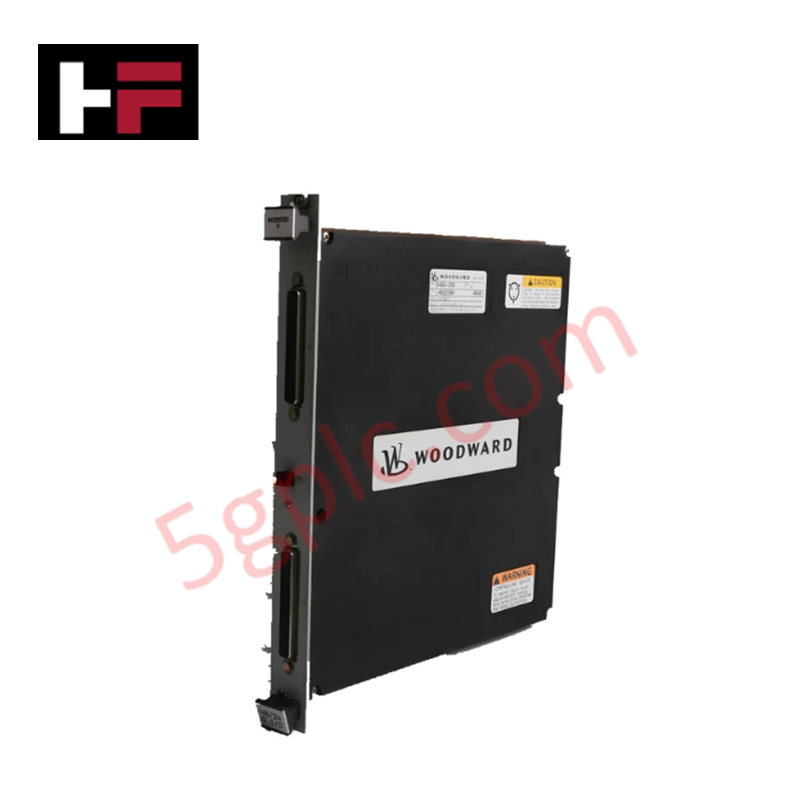
Configured for high-density signal processing in triple modular redundant (TMR) control architectures, the Woodward 5466-257 (5466-257 High-Density Analog I/O Module) provides direct electrical execution of multi-channel data acquisition and control output.
Hardware Specifications
| Parameter | Specification |
|---|---|
| Model | 5466-257 |
| Brand | Woodward |
| Origin | Not specified |
| Weight | 0.7 kg |
| Dimensions | 15.2 cm x 5.1 cm x 20.3 cm |
| Operating Temp | -40 deg C to +85 deg C |
| Analog Inputs | 16 single-ended or 8 differential |
| Analog Outputs | 8 single-ended or 4 differential |
| Digital I/O | 8 digital inputs, 8 digital outputs |
Actuator Loop Feedback Response and Load Management
The 5466-257 module is engineered to support TMR architectures, ensuring fault tolerance and fail-safe state execution in critical industrial control loops. The module provides integrated thermal heat sink dissipation profiles designed to maintain operational stability across its wide temperature range of -40 deg C to +85 deg C. When interfacing with external actuators, the module optimizes actuator loop feedback response by providing high-speed sampling for both analog and digital signals. To maintain signal integrity in accordance with ISA-S71.04-1985 Class G3 standards, the module employs stringent harmonic distortion suppression techniques, preventing noise coupling between high-density input/output channels.
Frequently Asked Questions
Q: Does the 5466-257 module support hot-swapping within the TMR rack?
A: Yes. The module is designed for compatibility with TMR backplanes that support hot-swap procedures; however, ensure the host system is in a maintenance state or redundant channels are verified before removal to prevent control disturbances.
Q: How should the inputs be configured when switching between single-ended and differential modes?
A: Mode configuration is handled through the system-level software interface. Physical wiring must be updated to match the selected mode (e.g., proper return path termination for single-ended signals) prior to activating the channel in the I/O configuration tool.
Field Installation Guidelines
- Mounting: Ensure the module is fully seated into the designated TMR rack slot. Use the integrated locking mechanisms to secure the chassis and maintain proper electrical contact with the backplane.
- Wiring: Maintain strict physical separation between analog signal wiring and digital I/O lines. Utilize shielded cabling with shields grounded at the system common point to prevent EMI/RFI degradation.
- Environmental Sealing: Given the ISA-S71.04-1985 Class G3 rating, ensure the installation environment is free of corrosive airborne contaminants that could compromise the connector pins.
- Vibration: In high-vibration applications (exceeding 0.7 g), verify that all chassis mounting screws are torqued to specification to prevent intermittent contact on the backplane bus.
Additional Information
- 100% Genuine Parts: All products are original and authentic, ensuring reliable industrial performance.
- 30-Day Refund Guarantee: Return any in-stock item within 30 days in original, unopened packaging for a full refund (excluding shipping and fees).
- 12-Month Warranty: Covers defects in materials or workmanship; excludes misuse, normal wear, or unauthorized modifications.
- Worldwide Shipping: We ship via USPS, UPS, FedEx, and DHL. Delivery times vary by country and may be subject to customs or import fees.
- Support & Contact: Technical and warranty assistance is available anytime. Contact us here: Contact.
- Purchase Guidance: Check product specifications and compatibility carefully before ordering to ensure proper application.
Tech & Buying Guide

Navigating Industrial Automation Failures: Types, Causes, and Mitigation Strategies
Modern manufacturing relies heavily on automated control systems to maximize throughput and maintain product quality. However, unplanned downtime in industrial automation can cost facility operators thousands of dollars per hour. Understanding how programmable logic controllers (PLCs), distributed control systems (DCS), and field instrumentation fail empowers engineering teams to implement robust preventive maintenance strategies.
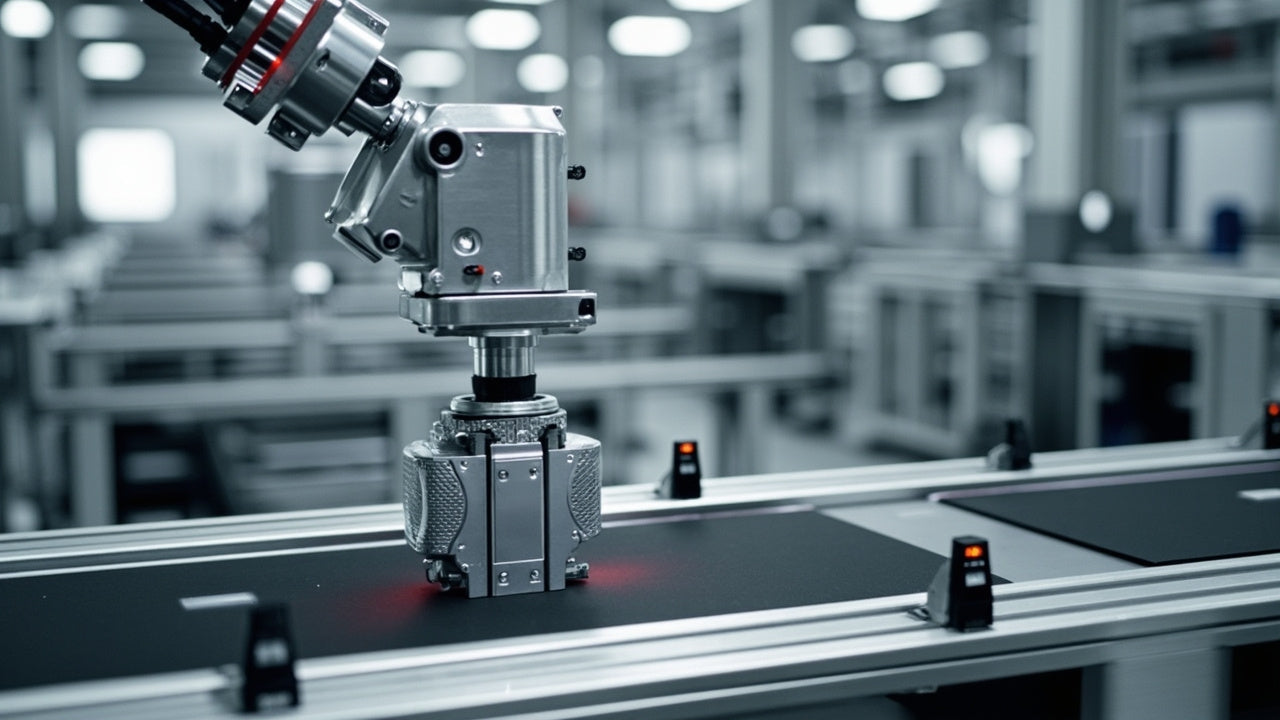
Essential Motion Control Commands: A Practical Guide for Engineers
Automation engineers often rely on precise position and speed control to drive modern factory machinery. Modern industrial systems, such as Programmable Logic Controllers (PLCs) and Distributed Control Systems (DCS), depend heavily on standardized motion instructions. Mastering these commands ensures operational safety, protects mechanical components, and optimizes cycle times across production lines.

The Role of Intrinsic Safety Barriers in PLC and DCS Architectures
Implementing robust protection in hazardous industrial environments represents a fundamental safety requirement in factory automation. Process facilities often handle volatile gases, dusts, and chemical agents that pose significant combustion risks. Consequently, control system engineers must deploy energy-limiting interfaces to isolate safe-area control cabinets from hazardous-area field instrumentation. This article examines the function, selection, and electrical principles of intrinsic safety barriers within modern PLC and DCS networks.