










Product Details
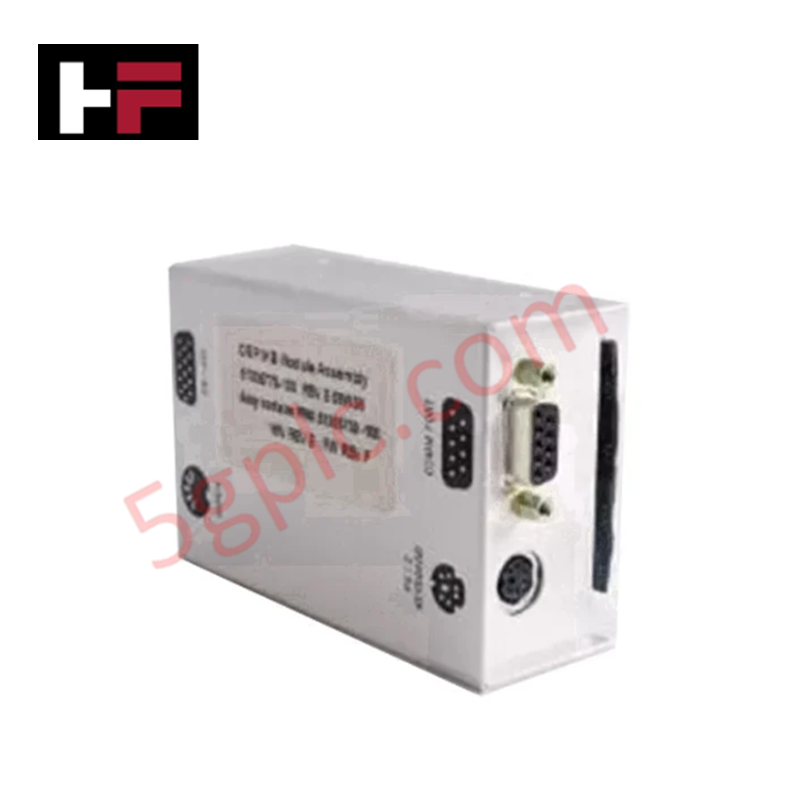
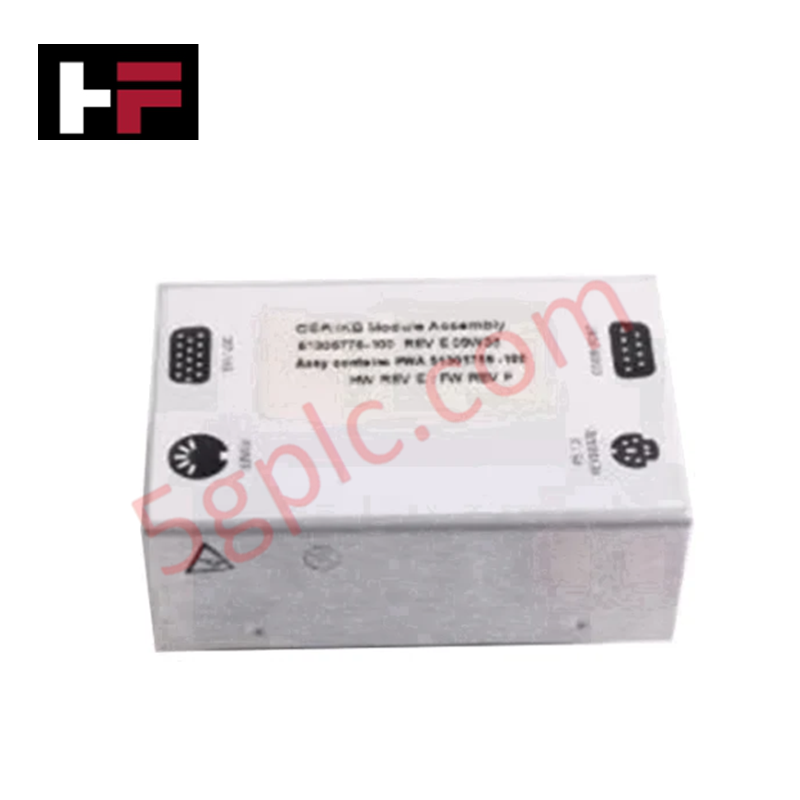
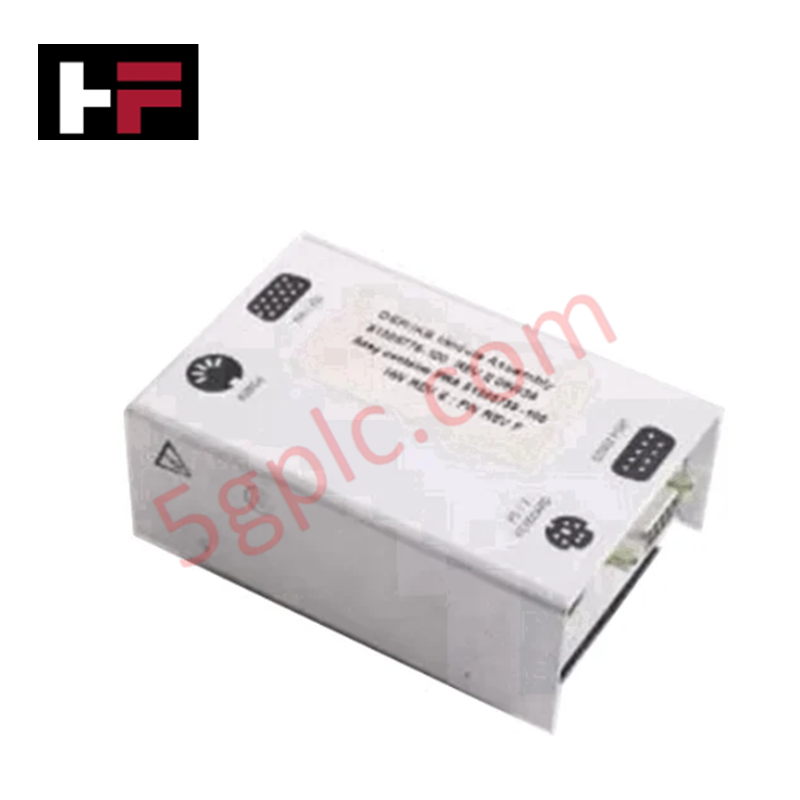
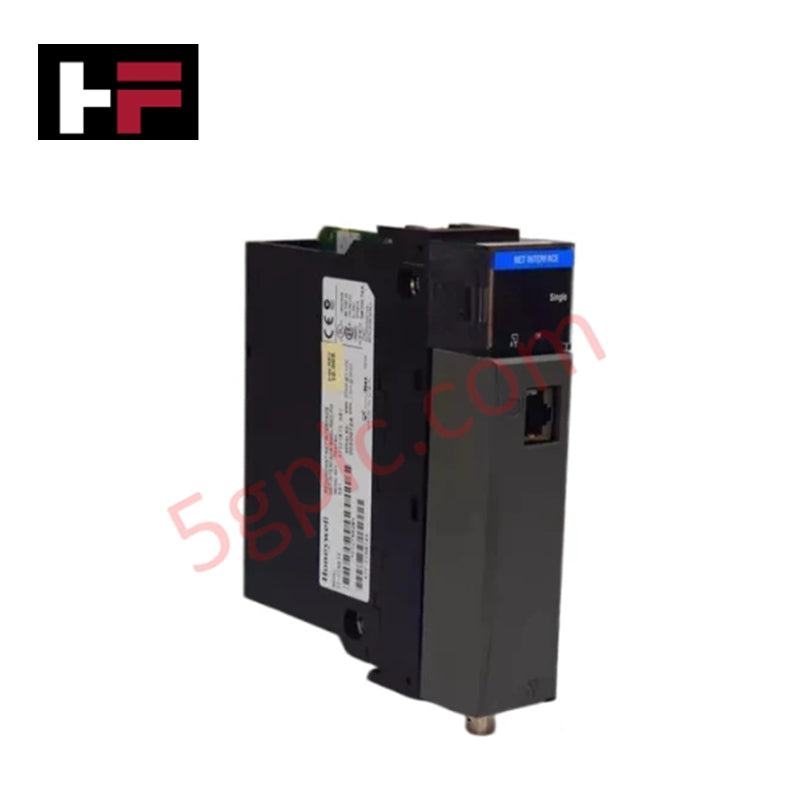
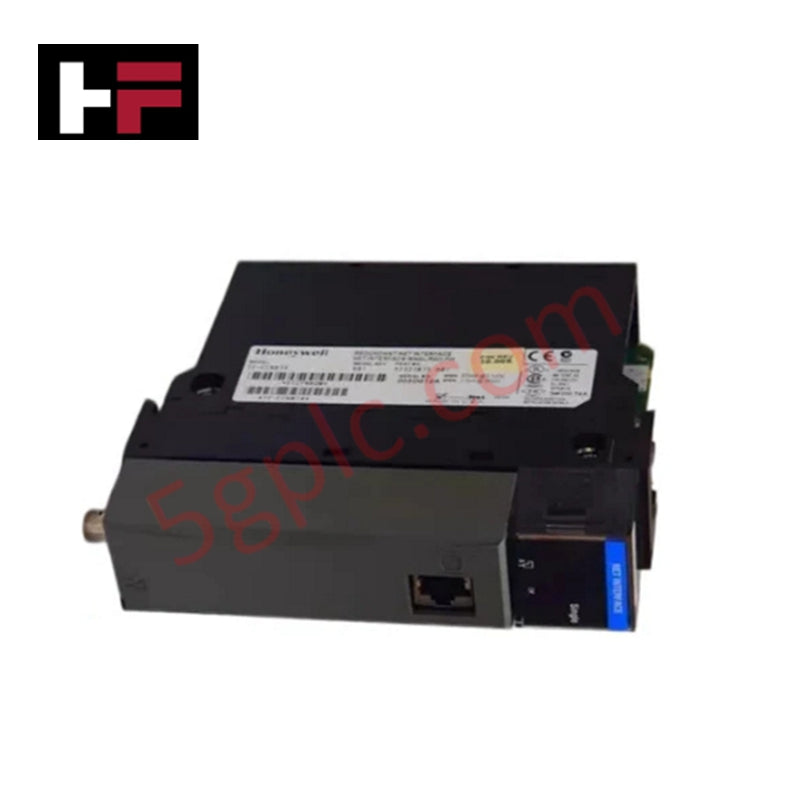
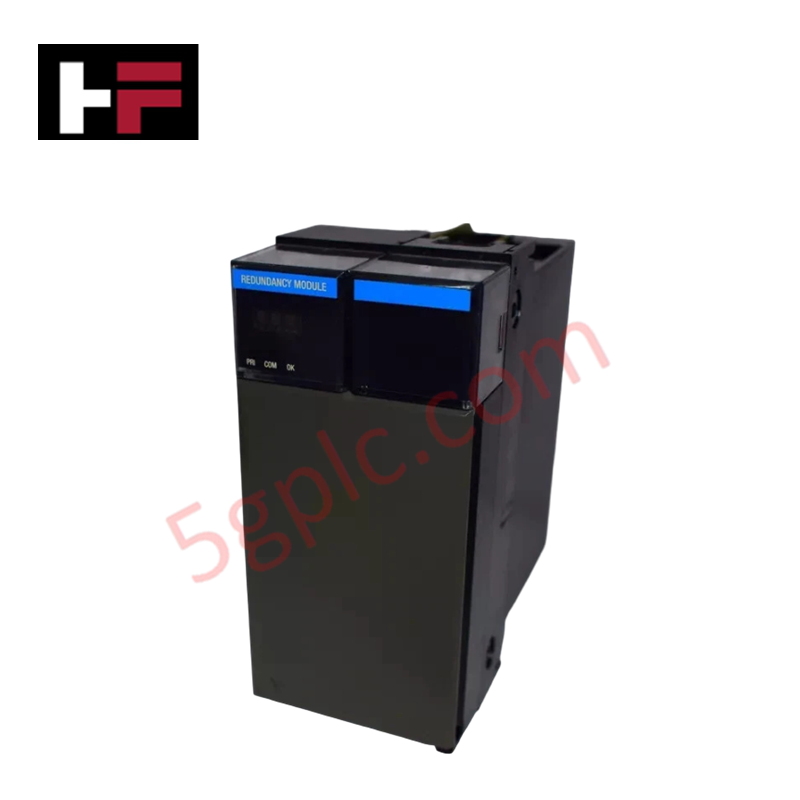
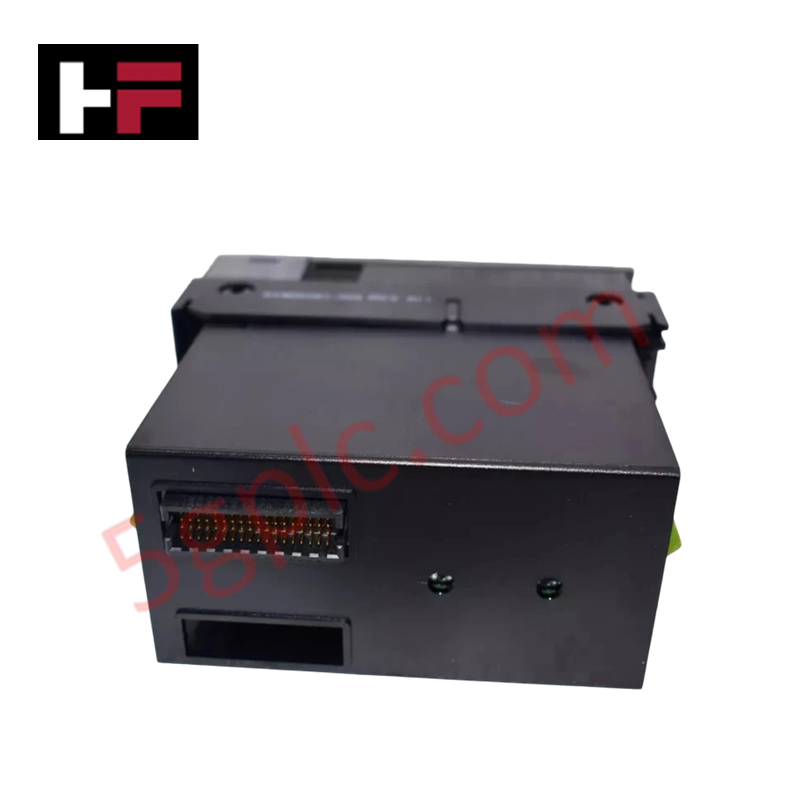
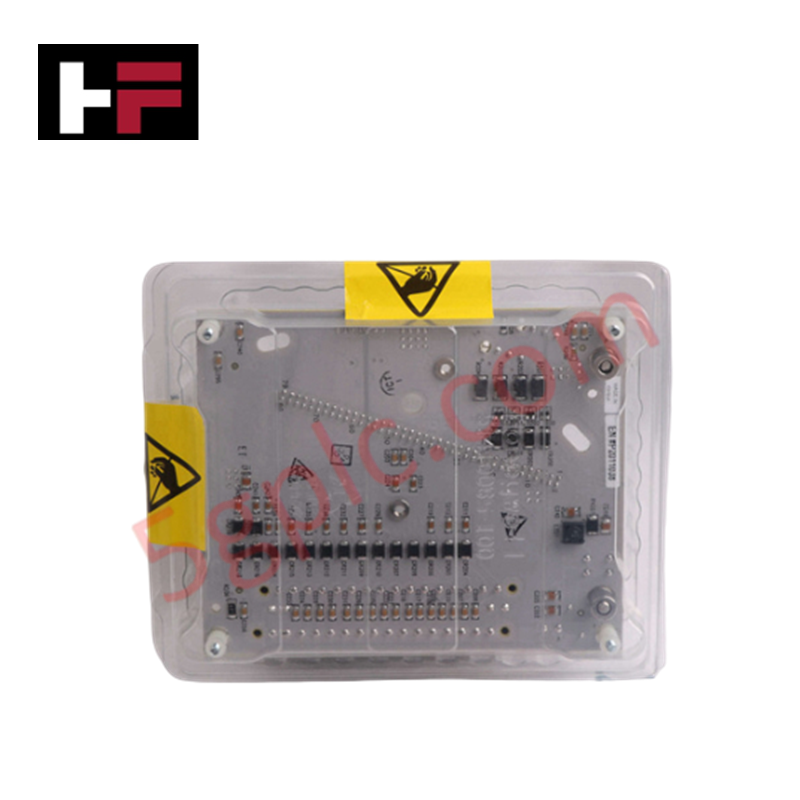
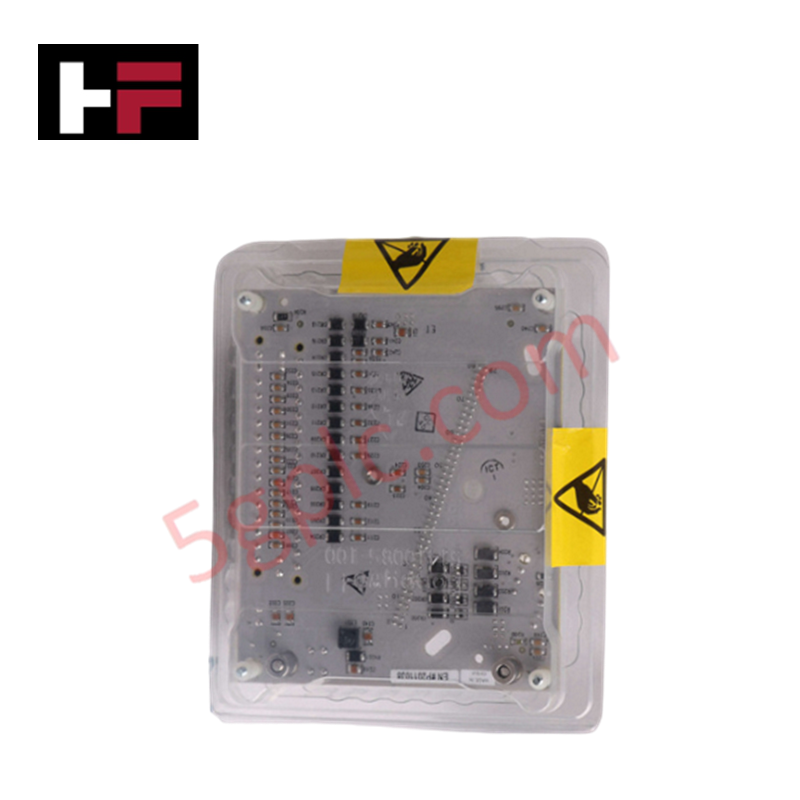
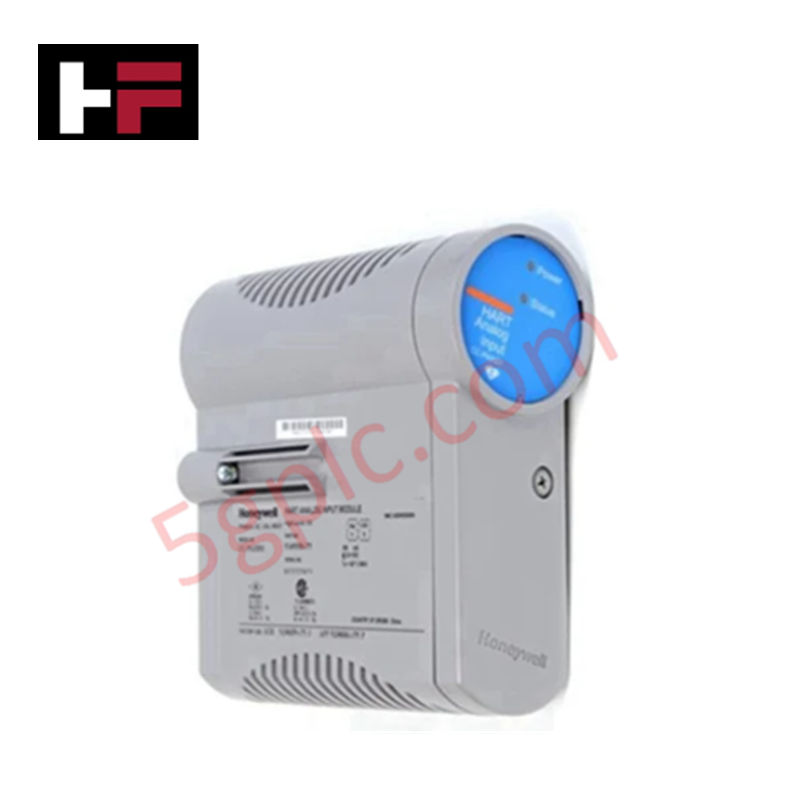
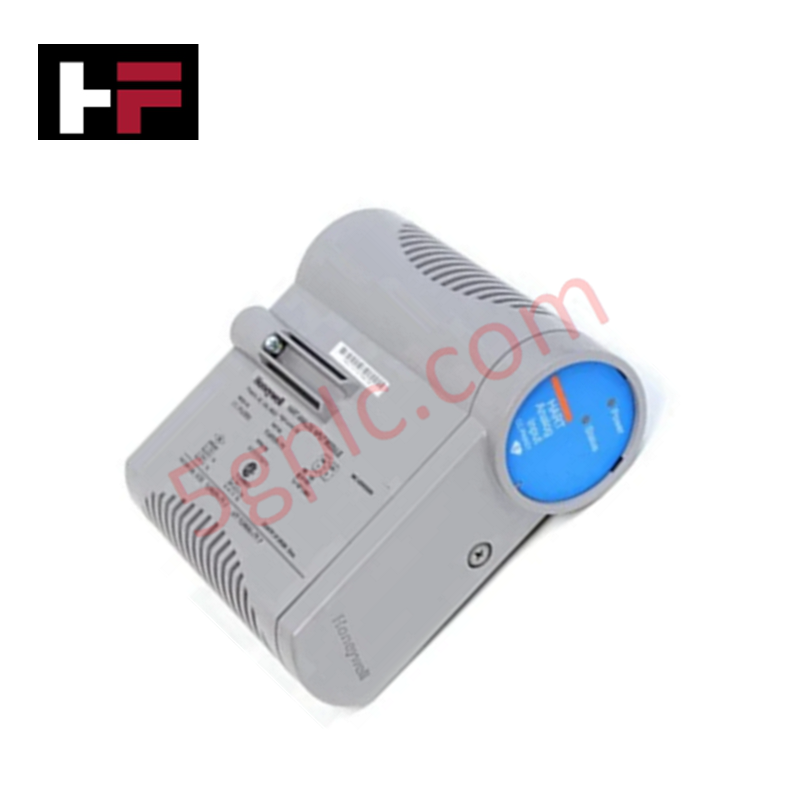
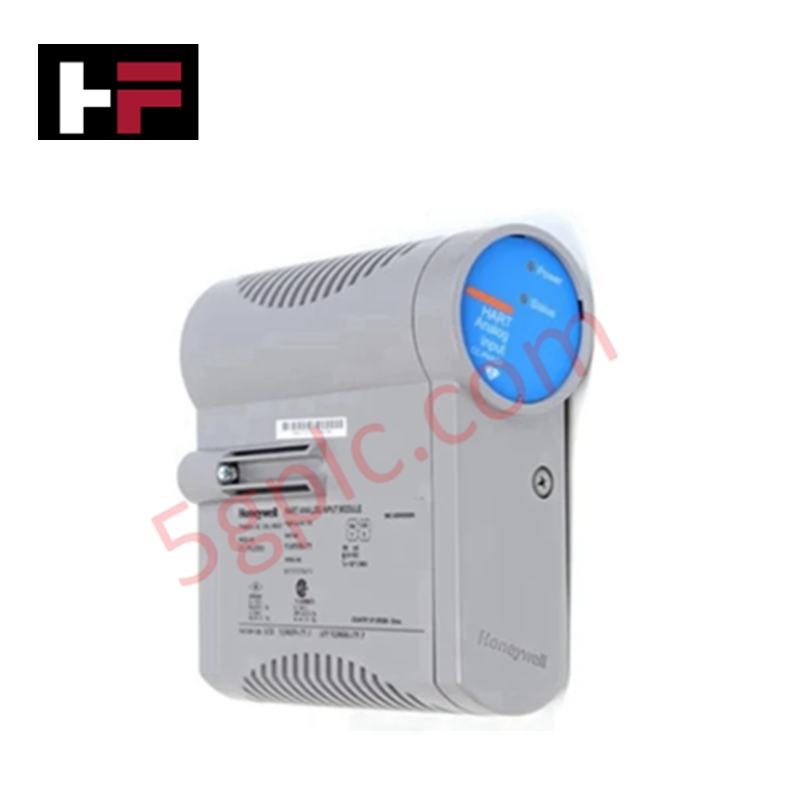
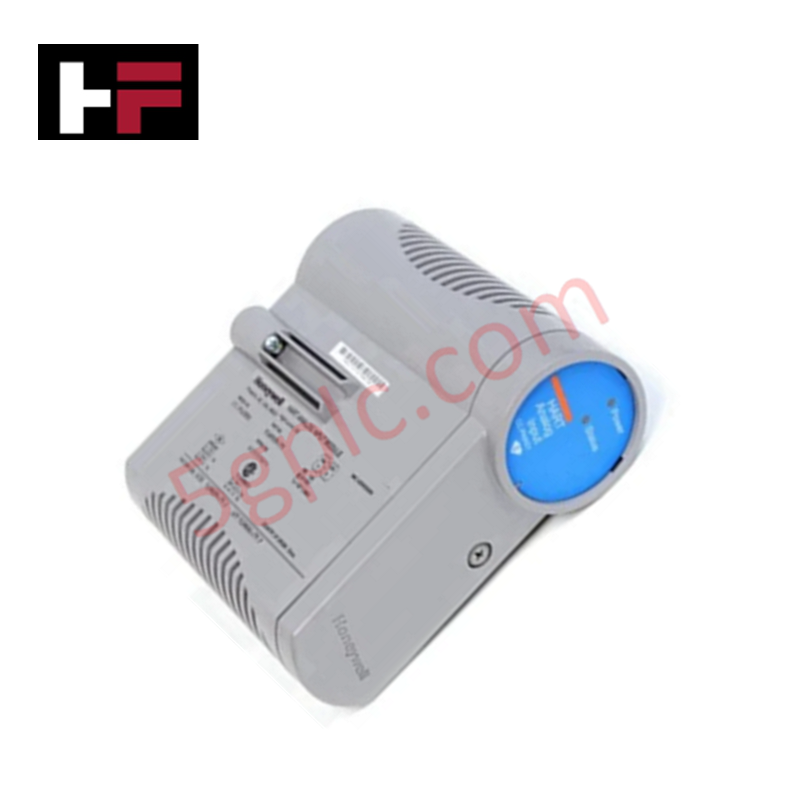
The Honeywell 51199588-100, also cataloged as the 51199588-100 Analog Input Module, operates as a dedicated hardware component for high-precision analog signal acquisition and process variable sampling within Honeywell DCS platforms.
Hardware Specifications
| Parameter | Specification |
|---|---|
| Model | 51199588-100 |
| Brand | Honeywell |
| Origin | USA |
| Weight | 0.45 kg |
| Dimensions | Standard DCS Module Rack Mount |
| Operating Temp | -40 deg C to 85 deg C |
| Power Consumption | 24 VDC Operating Voltage |
| Input Channels | 8 channels |
| Analog Resolution | 16-bit |
| Accuracy | +/- 0.1% |
| Response Time | Less than 1 ms |
| Communication Protocol | Modbus RTU |
| Ingress Protection | IP67 |
Channel-to-Channel Isolation and HART Loop Protocol Interoperability
The Honeywell 51199588-100 analog module features channel-to-channel isolation across its 8-channel input block to attenuate common-mode voltage interference. Operating with 16-bit analog-to-digital conversion resolution, the unit captures field instrument signals with less than 1 ms response latency. When interfacing with 4-20 mA HART loop protocol transmitters, the input stage suppresses high-frequency carrier noise, maintaining signal integrity under severe electrical noise conditions.
Frequently Asked Questions
Q: Does the 51199588-100 support hot-swapping under backplane power?
A: Hot-swapping must strictly follow Honeywell DCS rack procedures; ensure associated control loops are locked or placed in manual mode prior to module extraction to prevent process disruptions.
Q: How is the IP67 ingress protection maintained during field wiring?
A: IP67 sealing requires fully torqued mating connectors and sealed cable glands on the external enclosure housing.
Field Installation Guidelines
- Disconnect the main 24 VDC power supply before inserting or removing the module from the chassis.
- Verify that field transmitter signal wiring uses shielded twisted-pair cables with proper drain wire terminations.
- Align the module edge connector with the rack backplane slot and push firmly until the locking tabs snap into place.
- Ground all cable shields at a single point on the cabinet protective earth bar to prevent ground loops.
- Inspect connector gaskets and tighten securing screws to ensure IP67 environmental sealing.
Additional Information
- 100% Genuine Parts: All products are original and authentic, ensuring reliable industrial performance.
- 30-Day Refund Guarantee: Return any in-stock item within 30 days in original, unopened packaging for a full refund (excluding shipping and fees).
- 12-Month Warranty: Covers defects in materials or workmanship; excludes misuse, normal wear, or unauthorized modifications.
- Worldwide Shipping: We ship via USPS, UPS, FedEx, and DHL. Delivery times vary by country and may be subject to customs or import fees.
- Support & Contact: Technical and warranty assistance is available anytime. Contact us here: Contact.
- Purchase Guidance: Check product specifications and compatibility carefully before ordering to ensure proper application.
Tech & Buying Guide

Static UPS vs. Rotary UPS: Technical Evaluation for Industrial Automation

Comprehensive Guide to Noise Types in Industrial Automation and Electronics

Mitigating Emergency Stop Spurious Trips in Industrial Control Systems
Emergency stop (E-Stop) pushbuttons serve as vital safety devices in factory automation and process control plants. Functional safety standards mandate normally-closed (NC) contact blocks to ensure fail-safe operation during wiring breaks or power outages. However, mechanical degradation over time can trigger unexpected spurious trips, halting production lines without an actual emergency. Understanding the underlying causes of mechanical contact failure allows automation engineers to implement robust, fault-tolerant safety circuits.