










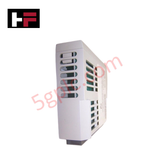
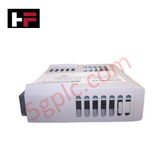
Product Details
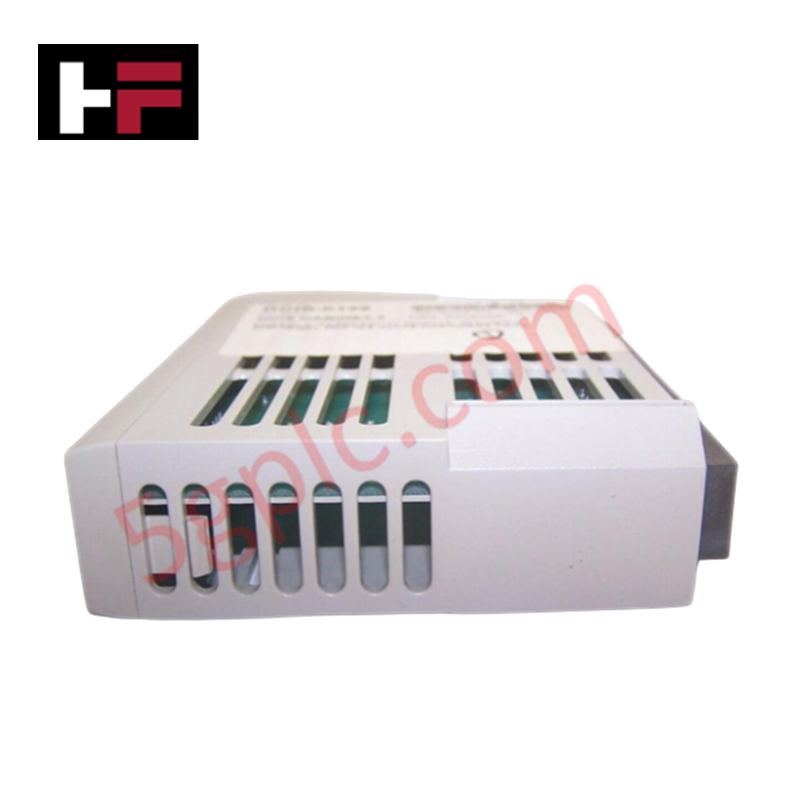
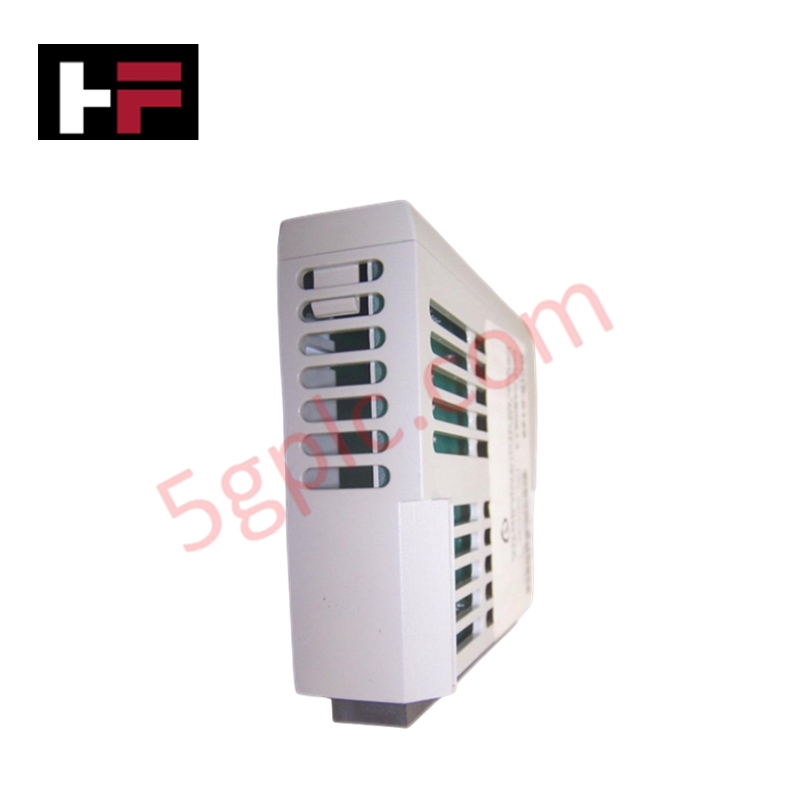
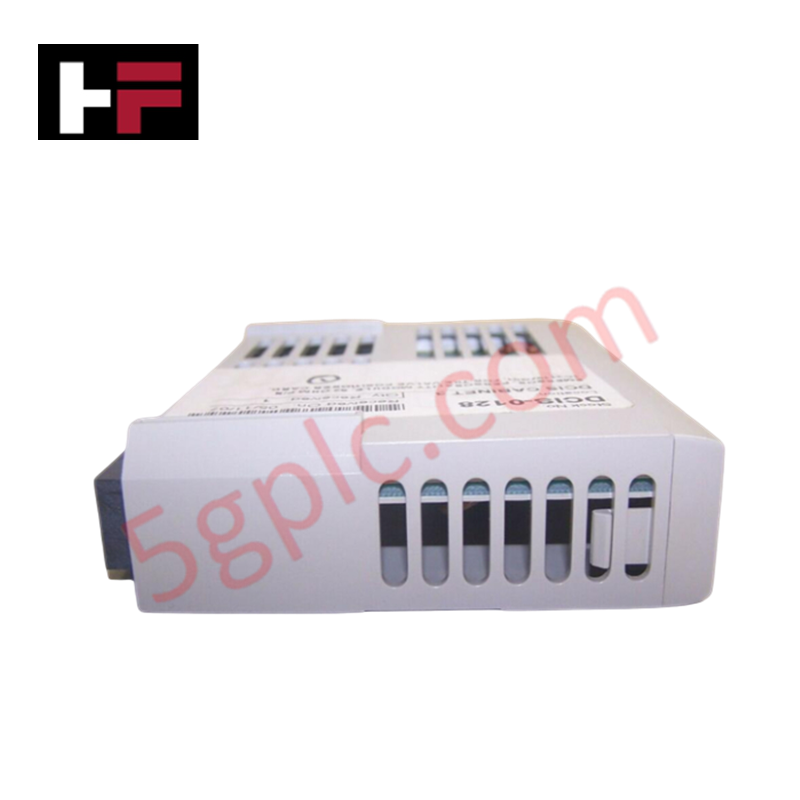
Configured for precise valve actuator control in Ovation and WDPF platforms, the Westinghouse 1C31197G01 (1C31197G01) provides direct physical execution of control signals required for modulating valve positioning tasks.
Hardware Specifications
| Parameter | Specification |
|---|---|
| Model | 1C31197G01 |
| Brand | Westinghouse |
| Origin | Germany |
| Weight | 0.6 kg |
| Dimensions | 12.1 cm x 2.5 cm x 7.0 cm |
| Operating Temp | Industrial standard range |
| Power Consumption | System-dependent load |
| Function | Valve Positioner Personality Module |
4-20 mA HART Loop Protocol
The 1C31197G01 module serves as a specialized personality interface designed to translate controller-level commands into the specific electrical requirements of valve actuators. The module facilitates seamless integration with 4-20 mA HART loop protocols, ensuring high-fidelity positioning control and real-time diagnostic feedback from the field device. Channel-to-channel isolation is maintained within the personality module architecture to preserve signal integrity and prevent ground loop interference when interfacing with complex hydraulic or pneumatic positioner feedback loops. The module supports precise current-to-position mapping, critical for minimizing hysteretic error in modulating valve applications.
Frequently Asked Questions
Q: Is this personality module compatible with different revision levels within the 1C31197 series?
A: The 1C31197G01 to G04 modules are application-specific; ensure that the G-code matches the requirements of the specific valve actuator firmware. Compatibility between hardware revisions should be verified against the site's control documentation to prevent positioning calibration drift.
Q: Can the 1C31197G01 be replaced without de-energizing the control rack?
A: The module is intended for use in I/O chassis supporting online maintenance; however, operators must inhibit the corresponding control loop at the engineering workstation to prevent unintended valve travel during the physical module exchange.
Field Installation Guidelines
- Confirm that the I/O slot is de-energized or properly inhibited before attempting to insert the module into the chassis.
- Align the module card-edge connectors with the backplane bus, ensuring a firm connection to establish power and logic communication.
- Terminate field signal conductors to the designated interface terminals, verifying polarity matches the valve actuator wiring diagram.
- Ensure the cable shielding is correctly grounded at the cabinet entry point to prevent electromagnetic noise from impacting the sensitive positioner signal.
- After installation, perform a full-stroke calibration sequence through the control software to verify that the 4-20 mA command signal correlates accurately to the mechanical valve position.
Additional Information
- 100% Genuine Parts: All products are original and authentic, ensuring reliable industrial performance.
- 30-Day Refund Guarantee: Return any in-stock item within 30 days in original, unopened packaging for a full refund (excluding shipping and fees).
- 12-Month Warranty: Covers defects in materials or workmanship; excludes misuse, normal wear, or unauthorized modifications.
- Worldwide Shipping: We ship via USPS, UPS, FedEx, and DHL. Delivery times vary by country and may be subject to customs or import fees.
- Support & Contact: Technical and warranty assistance is available anytime. Contact us here: Contact.
- Purchase Guidance: Check product specifications and compatibility carefully before ordering to ensure proper application.




Tech & Buying Guide
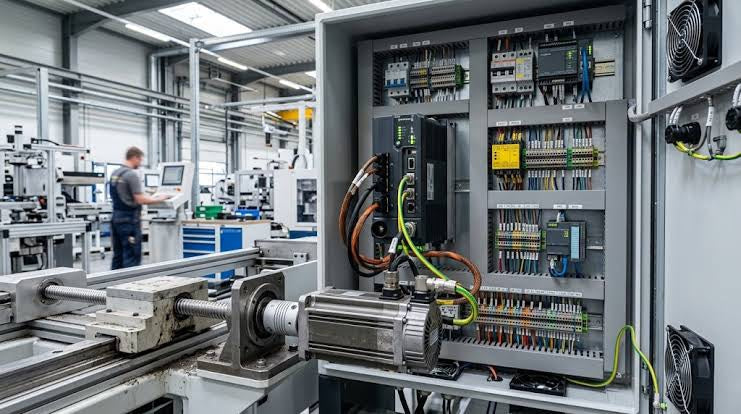
Demystifying Programmable Logic Controllers: Comprehensive Guide to PLC Classification and Selection in Industrial Automation
Modern industrial automation heavily relies on Programmable Logic Controllers (PLCs) to drive factory floor efficiency. Over my 15 years as an industrial automation expert working with DCS, TSI, and control systems, I have seen PLCs evolve into the central nervous system of modern manufacturing. Selecting the right controller requires a deep understanding of PLC types based on physical size, hardware architecture, and power supply configurations.
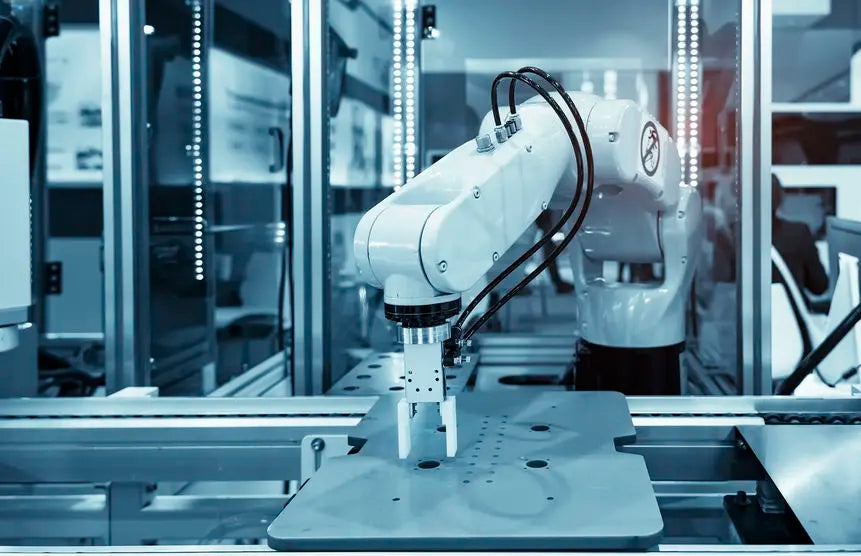
Comprehensive Guide to PLC Types in Modern Industrial Automation
Modern industrial automation relies on programmable logic controllers to govern critical factory operations. System integrators classify PLCs based on scale, hardware architecture, and power supply design. Understanding these core categories enables automation engineers to select the right control system architecture. Consequently, proper hardware selection optimizes performance while minimizing long-term operational costs.

Demystifying the DDE Protocol in Legacy Industrial Automation Systems
Modern control systems rely heavily on seamless interprocess communication to exchange operational data between software programs. Microsoft first introduced the Dynamic Data Exchange (DDE) protocol in 1987 to enable real-time data sharing. In factory automation, DDE served as an early bridge between control software and Windows desktop applications. Therefore, understanding DDE mechanics provides crucial insights into how legacy industrial networks established software-level connectivity.