










Product Details
Product Overview
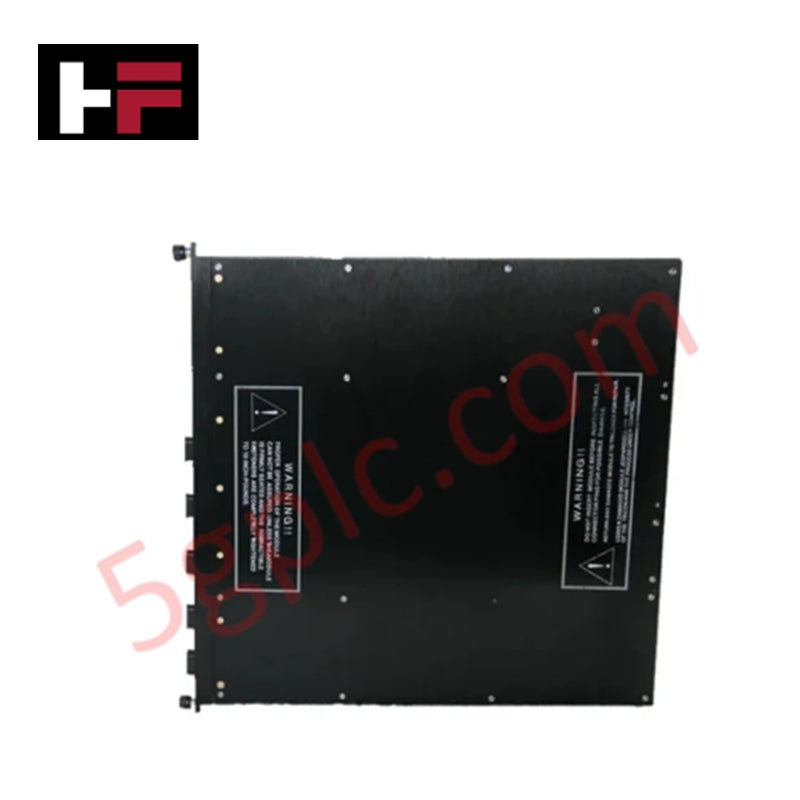
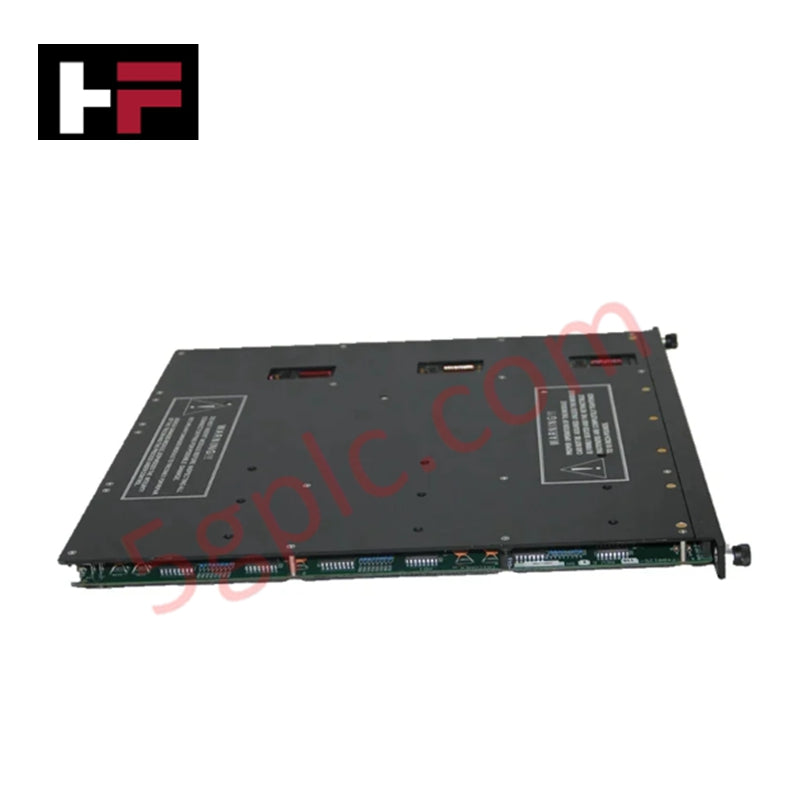
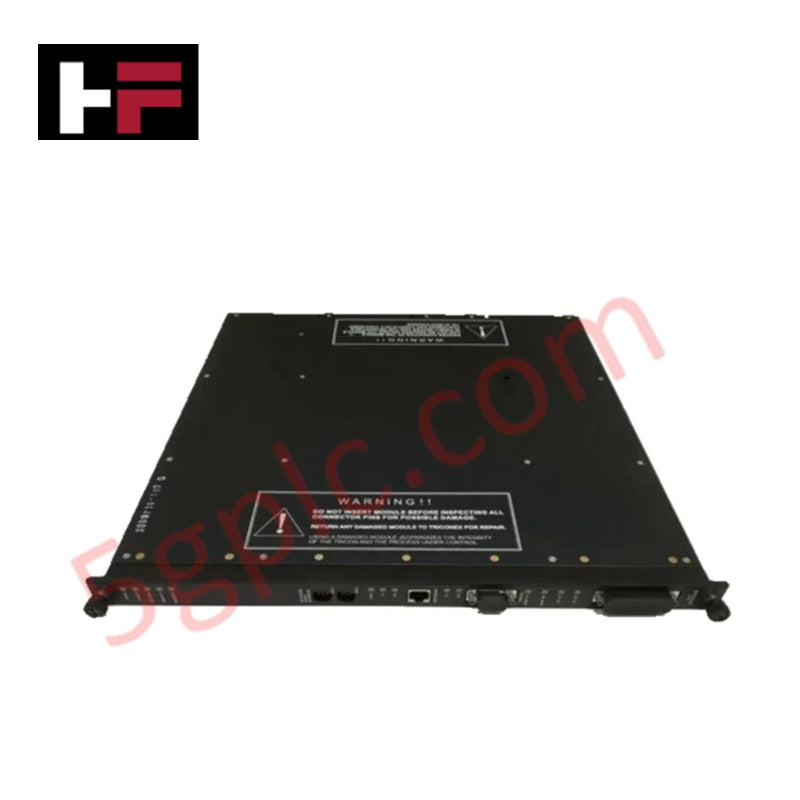
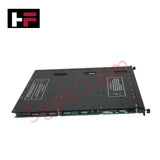
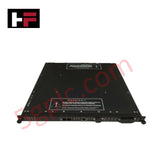
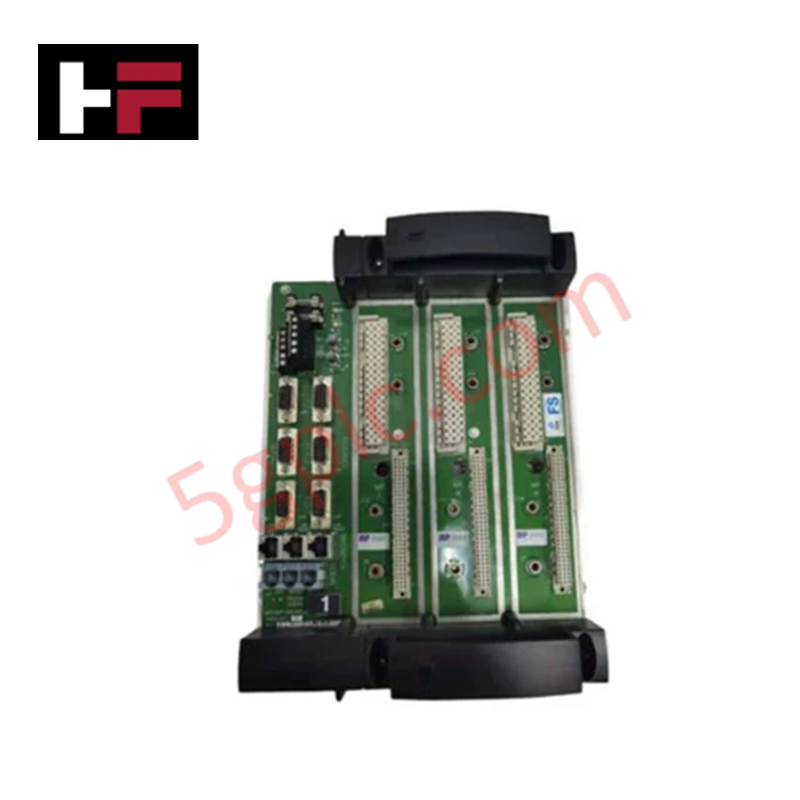
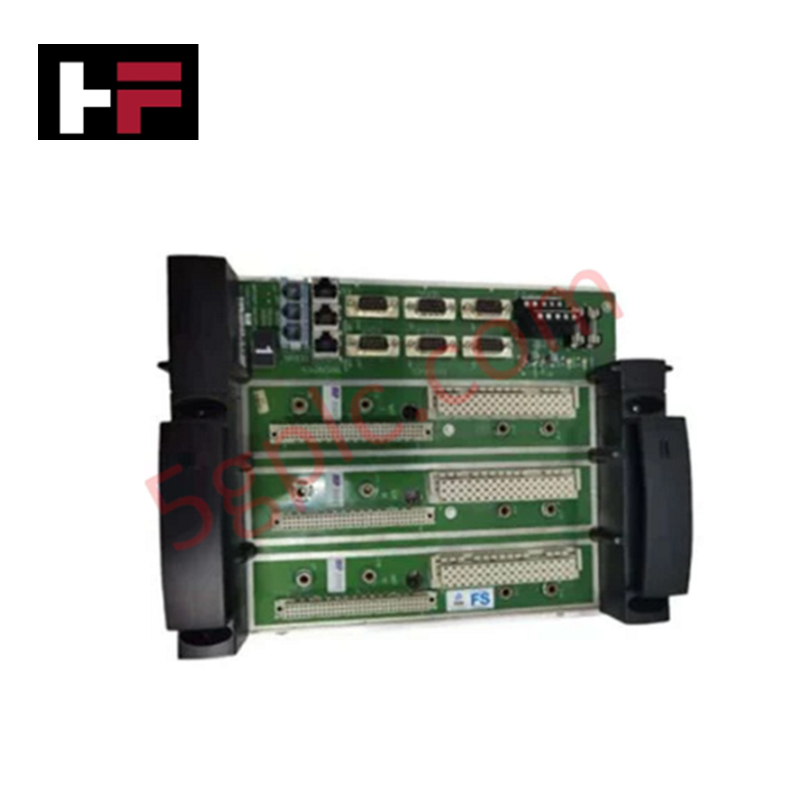
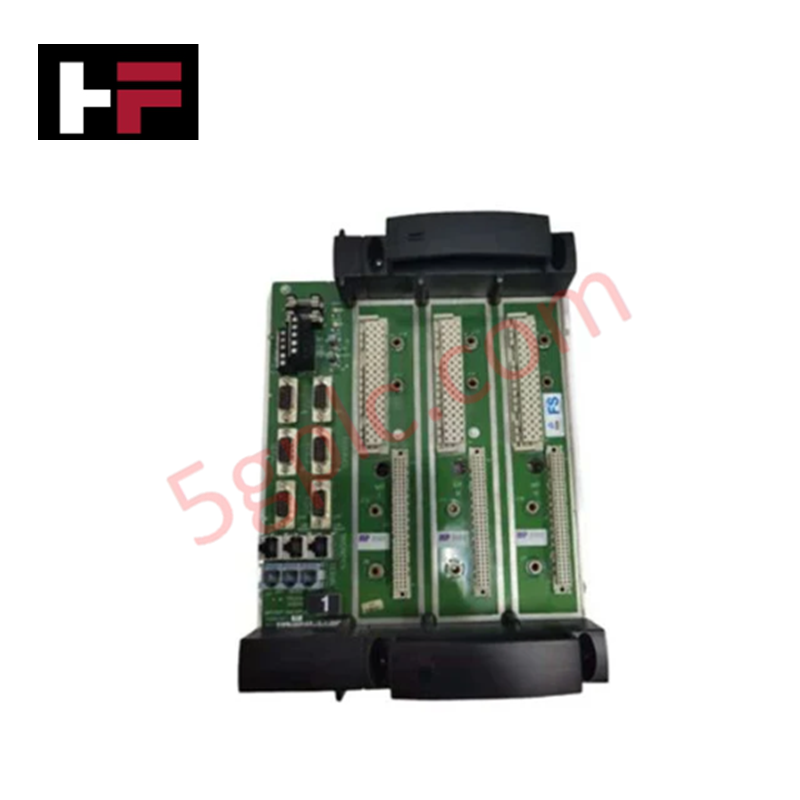
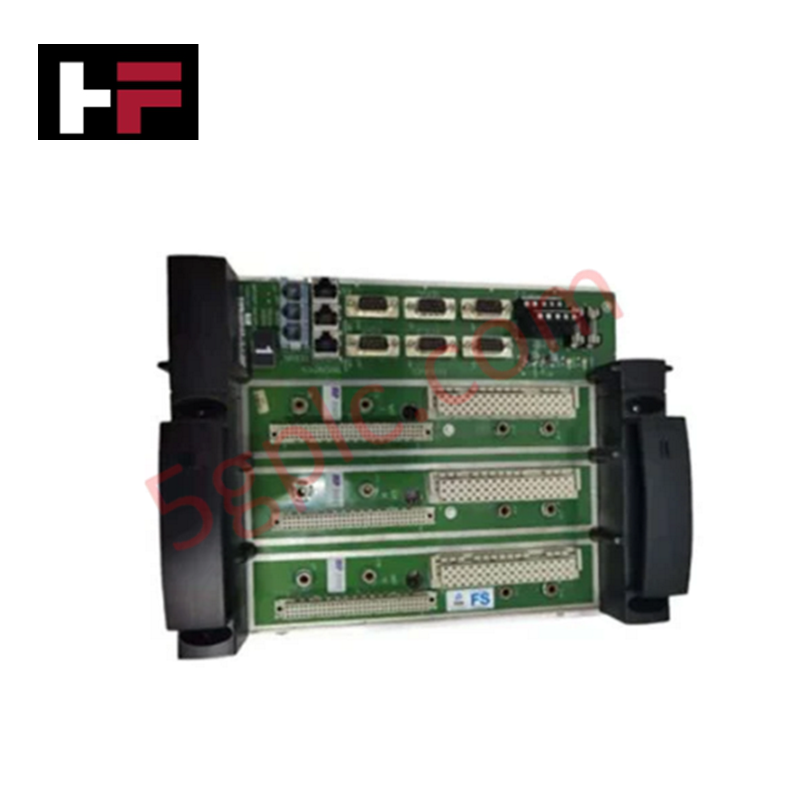
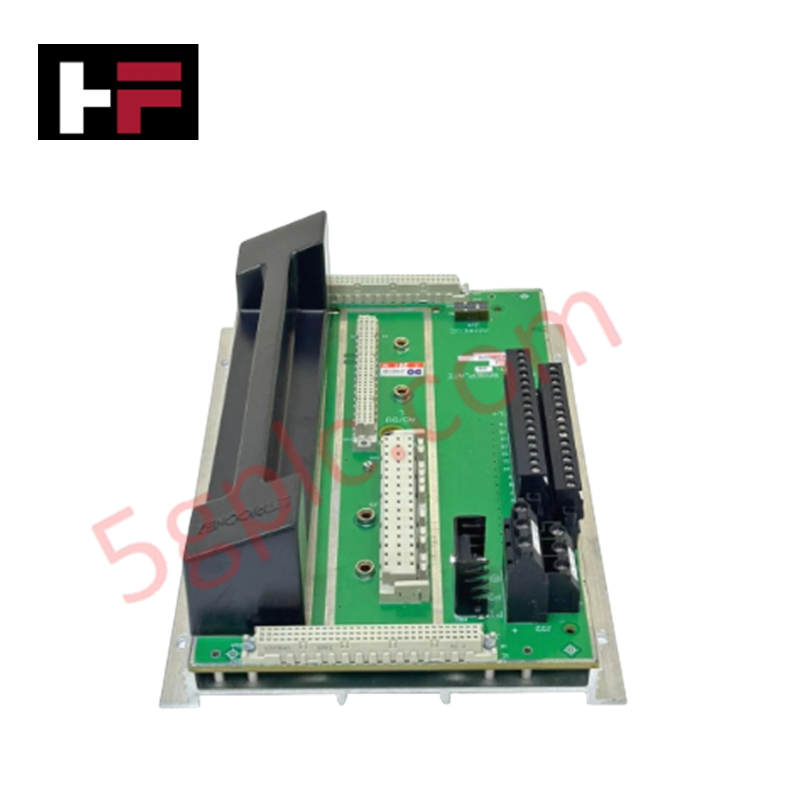
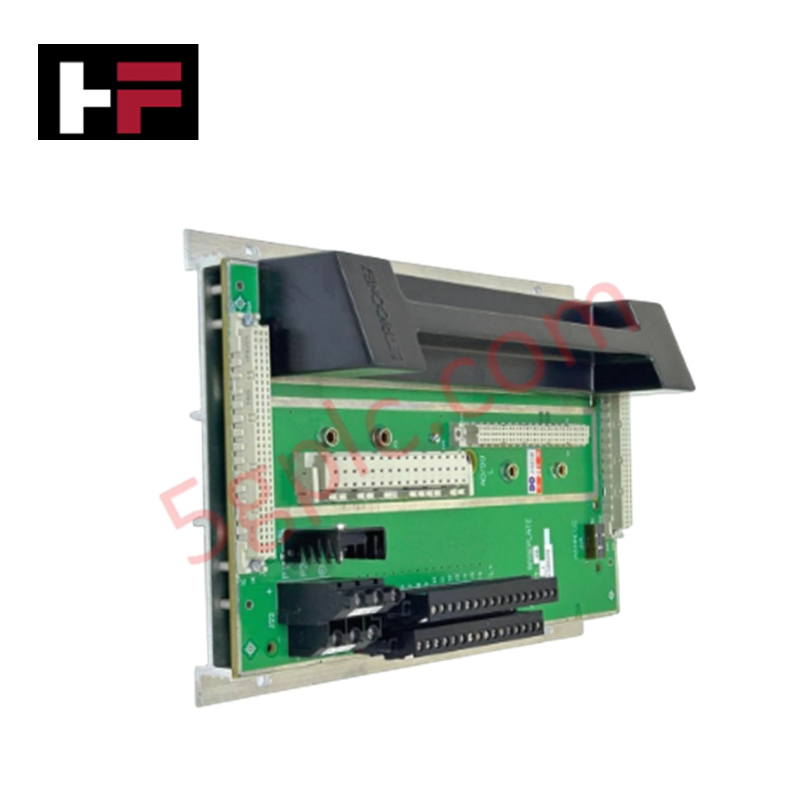
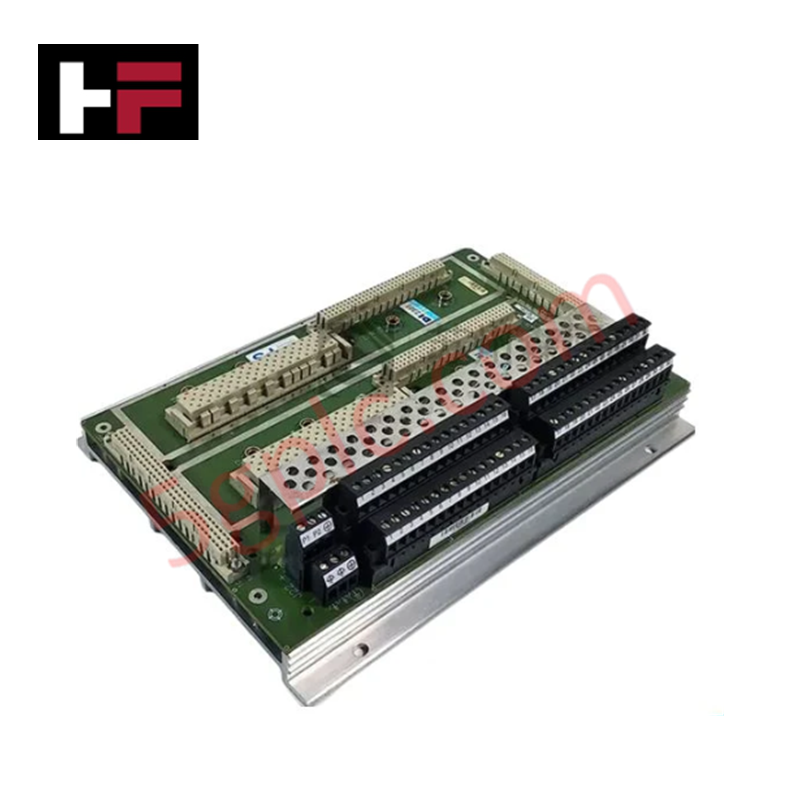
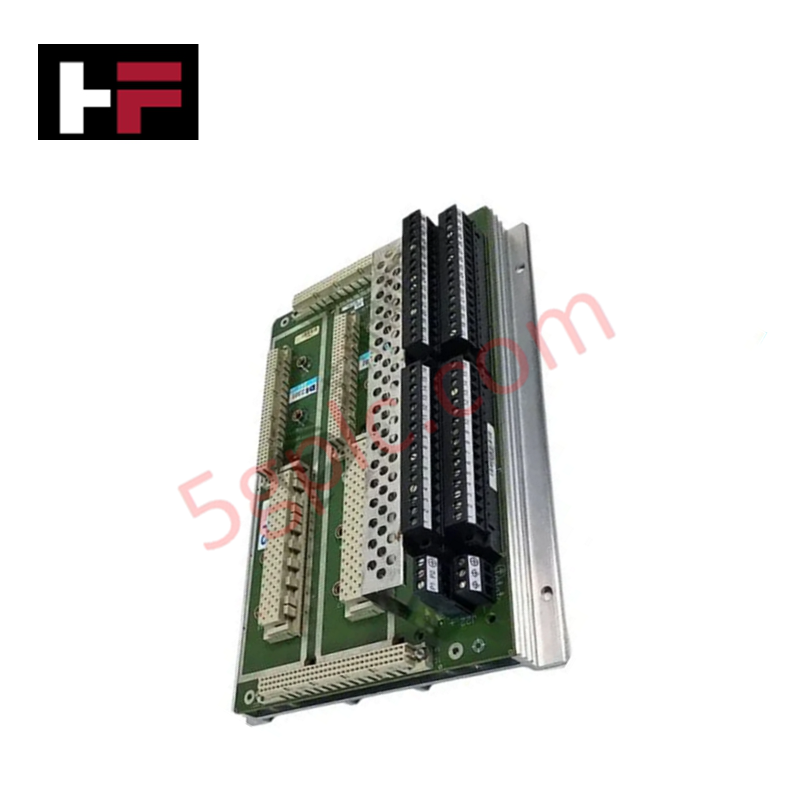
The Triconex 4211 Remote Extender Module (RXM) establishes a high-speed communication link between the Tricon main processor and distributed I/O racks. This module expands the system's control reach by supporting up to 32 remote I/O modules, facilitating large-scale automation architectures. It integrates dual Ethernet and quad RS-485 ports to ensure redundant, high-bandwidth data flow across the control network. We supply this unit exclusively as 100% Brand New and Original factory equipment.
Technical Specifications
| Parameter | Specification |
| Input Voltage | 24 VDC |
| Power Consumption | 15 Watts |
| I/O Capacity | Up to 32 Remote Modules |
| Comm Ports | 2 x Ethernet, 4 x RS-485 |
| Operating Temp | -40°C to +70°C |
| Environmental Class | ISA-S71.04 Class G3 (Harsh/Corrosive) |
| Shock/Vibration | 10g Shock / 0.7g Vibration (up to 150 Hz) |
| Weight | 15.00 lbs (6.8 kg) |
| Dimensions | 30 x 10 x 25 cm (L x W x H) |
Engineering Advantages
-
Corrosion Resistance (G3 Rating): The 4211 features G3-level conformal coating according to ISA-S71.04 standards. This protection prevents circuit degradation in environments with high concentrations of hydrogen sulfide, chlorine, or other caustic gases commonly found in paper mills and chemical refineries.
-
Redundant Network Connectivity: The inclusion of 2 Ethernet and 4 RS-485 ports allows for multifaceted network topologies. This redundancy ensures the remote I/O remains accessible even if a primary communication cable sustains damage, maintaining the integrity of the safety loop.
-
Extreme Thermal Performance: The module operates reliably from -40°C to +70°C. This wide range eliminates the need for localized HVAC units in the remote I/O cabinet, reducing total system cost and complexity in offshore or desert deployments.
-
High-Density Scalability: Supporting 32 remote modules per extender, the 4211 allows engineers to consolidate extensive field wiring into a centralized logical control structure. This reduces the footprint of the main control room while maximizing field data acquisition points.
FAQs
-
Does the 4211 require specific mounting hardware for high-vibration areas?
The 4211 chassis mount inherently withstands up to 0.7g of vibration. For heavy-vibration environments (e.g., near large reciprocating compressors), ensure you use the standard Triconex locking mechanisms and verified torque specs for the mounting bolts to maintain a secure electrical connection to the backplane.
-
How does the 4211 handle power fluctuations on the 24VDC rail?
The module draws a steady 15W but tolerates the standard industrial 24VDC fluctuations. We recommend using a regulated power supply, such as the Triconex 8306A, to ensure the extender maintains a clean communication signal over long distances.
-
Can I use both Ethernet and RS-485 ports simultaneously?
Yes. The 4211 hardware supports concurrent communication across its port array, allowing you to bridge different network protocols or provide redundant paths for safety-critical data monitoring.
Additional Information
- 100% Genuine Parts: All products are original and authentic, ensuring reliable industrial performance.
- 30-Day Refund Guarantee: Return any in-stock item within 30 days in original, unopened packaging for a full refund (excluding shipping and fees).
- 12-Month Warranty: Covers defects in materials or workmanship; excludes misuse, normal wear, or unauthorized modifications.
- Worldwide Shipping: We ship via USPS, UPS, FedEx, and DHL. Delivery times vary by country and may be subject to customs or import fees.
- Support & Contact: Technical and warranty assistance is available anytime. Contact us here: Contact.
- Purchase Guidance: Check product specifications and compatibility carefully before ordering to ensure proper application.
Tech & Buying Guide

Navigating Industrial Automation Failures: Types, Causes, and Mitigation Strategies
Modern manufacturing relies heavily on automated control systems to maximize throughput and maintain product quality. However, unplanned downtime in industrial automation can cost facility operators thousands of dollars per hour. Understanding how programmable logic controllers (PLCs), distributed control systems (DCS), and field instrumentation fail empowers engineering teams to implement robust preventive maintenance strategies.
Essential Motion Control Commands: A Practical Guide for Engineers
Automation engineers often rely on precise position and speed control to drive modern factory machinery. Modern industrial systems, such as Programmable Logic Controllers (PLCs) and Distributed Control Systems (DCS), depend heavily on standardized motion instructions. Mastering these commands ensures operational safety, protects mechanical components, and optimizes cycle times across production lines.

The Role of Intrinsic Safety Barriers in PLC and DCS Architectures
Implementing robust protection in hazardous industrial environments represents a fundamental safety requirement in factory automation. Process facilities often handle volatile gases, dusts, and chemical agents that pose significant combustion risks. Consequently, control system engineers must deploy energy-limiting interfaces to isolate safe-area control cabinets from hazardous-area field instrumentation. This article examines the function, selection, and electrical principles of intrinsic safety barriers within modern PLC and DCS networks.