










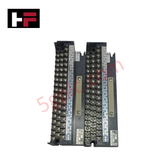
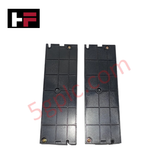
Product Details
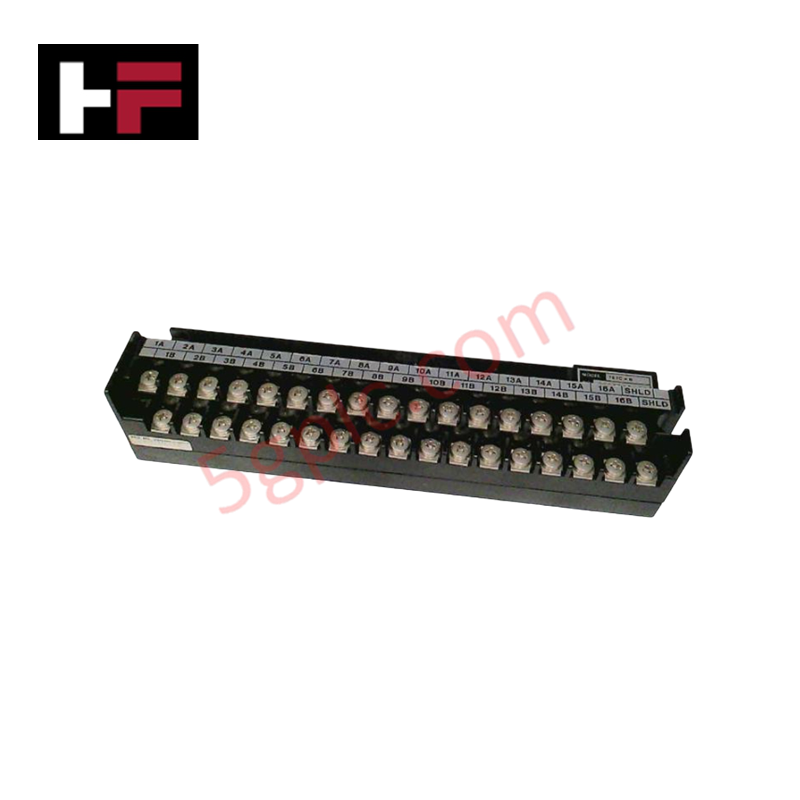
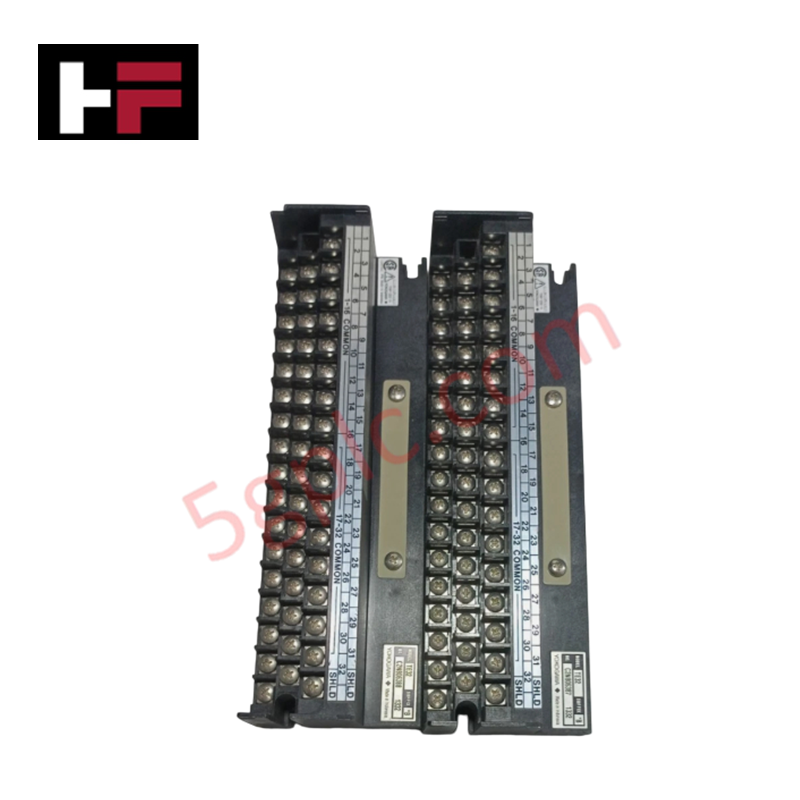
The Yokogawa TERT, also cataloged as the TERT Terminal Blocks Module, operates as a dedicated hardware component for 16-point RTD input signal termination and field wiring interfacing within Yokogawa control system racks.
Hardware Specifications
| Parameter | Specification |
|---|---|
| Model | TERT |
| Brand | Yokogawa |
| Origin | Japan |
| Contact Points | 16 points |
| Terminal Type | M4 screws |
| Insulation Resistance | Minimum 100 Mohm (500 V DC) |
| Withstanding Voltage | 500 V AC |
| Hazardous Area Rating | CSA Non-Incendive certification |
| Weight | Approx. 1.8 kg |
| Dimensions | Standard Yokogawa Terminal Module Chassis |
| Operating Temp | 0 to 50 deg C |
| Power Consumption | Passive Component (Zero Power Dissipation) |
Yokogawa RTD Signal Conditioning & CJC Channel Isolation
The TERT module routes 16-channel RTD temperature sensor connections through heavy-duty M4 screw terminals to backplane A/D converter cards. Mechanical separation between input channels guarantees minimum 100 Mohm insulation resistance, providing robust channel-to-channel isolation. The terminal structure maintains signal linearity for RTD resistance variations while preventing common-mode noise interference across sensitive process control loops.
Frequently Asked Questions
Q: Does the TERT terminal block module draw operating current from the system backplane?
A: No, the TERT module functions strictly as a passive wiring interface for field RTD sensor leads and consumes zero backplane power.
Q: What environmental safety ratings apply to field installation of the TERT terminal module?
A: The TERT module holds CSA Non-Incendive certification, permitting installation in designated Class I, Division 2 hazardous locations when wired per agency control drawings.
Field Installation Guidelines
Mount the TERT terminal blocks module firmly onto its assigned chassis slot, securing all retaining fasteners to establish mechanical stability and cabinet grounding continuity. Strip 3-wire or 4-wire RTD field conductors to standard lengths and clamp them under the M4 terminal screws using recommended torque limits. Route low-level RTD signal wiring through separate cable ducts isolated from AC power conductors, and terminate cable shields at a single ground point on the panel earth bar.
Additional Information
- 100% Genuine Parts: All products are original and authentic, ensuring reliable industrial performance.
- 30-Day Refund Guarantee: Return any in-stock item within 30 days in original, unopened packaging for a full refund (excluding shipping and fees).
- 12-Month Warranty: Covers defects in materials or workmanship; excludes misuse, normal wear, or unauthorized modifications.
- Worldwide Shipping: We ship via USPS, UPS, FedEx, and DHL. Delivery times vary by country and may be subject to customs or import fees.
- Support & Contact: Technical and warranty assistance is available anytime. Contact us here: Contact.
- Purchase Guidance: Check product specifications and compatibility carefully before ordering to ensure proper application.




Tech & Buying Guide

Demystifying Open Platform Communication (OPC): The Backbone of Industrial Interoperability
Interoperability remains a cornerstone requirement for modern smart factories and process automation. Open Platform Communication (OPC) bridges the gap between disparate hardware platforms, control systems, and visualization software. By establishing a universal communication standard, OPC allows field controllers, SCADA platforms, and enterprise software from different vendors to exchange real-time data seamlessly.

Understanding Siemens PLC Memory Cards: MMC, SMC, and SD Solutions in Industrial Automation
Memory management plays a pivotal role in maintaining control system reliability across modern manufacturing plants. Industrial control systems rely on specialized memory cards to store project logic, firmware updates, and retentive system data. Siemens uses several memory architectures, including Micro Memory Cards (MMC) and SIMATIC Memory Cards (SMC). Engineers must understand these hardware variations to ensure zero data loss and minimize downtime during maintenance routines.

Redefining Control Systems: The Rise of Flexible I/O Modules in Industrial Automation
Conventional input-output architectures often limit engineering agility and inflate long-term inventory costs. Today, Flexible Input/Output Modules (FIOM) are transforming how control system engineers design, commission, and maintain automation infrastructure. By allowing individual channel software configuration, FIOM technology bridges the gap between rigid hardware design and dynamic plant requirements.