








Product Details
Product Description
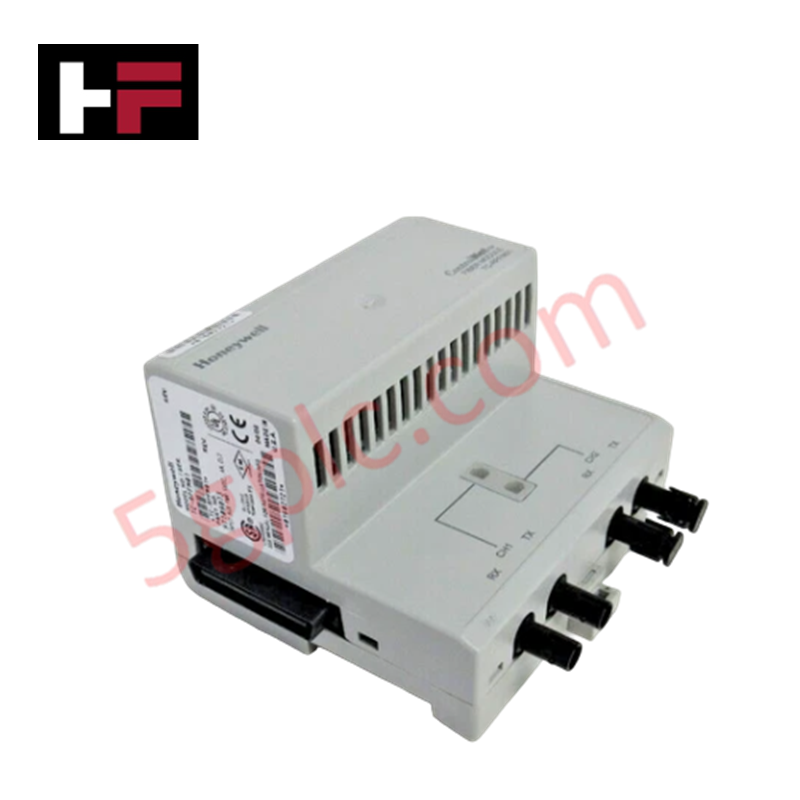
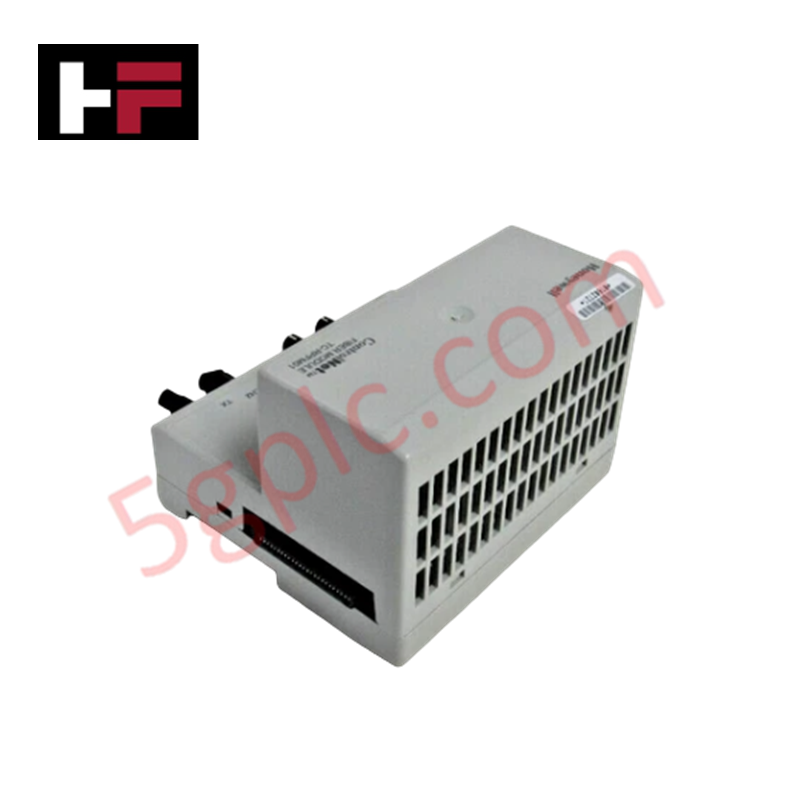
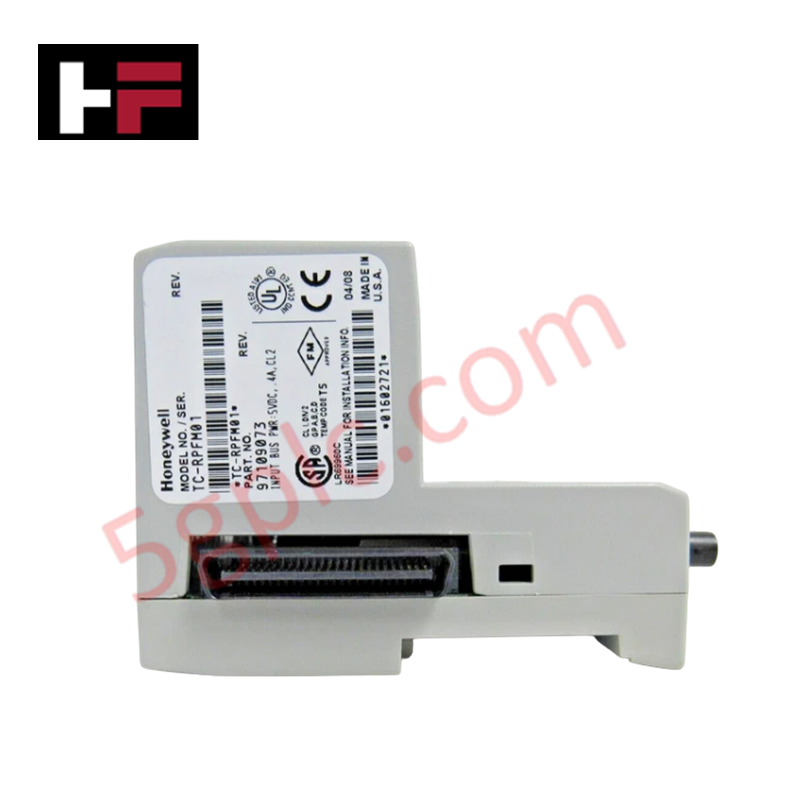
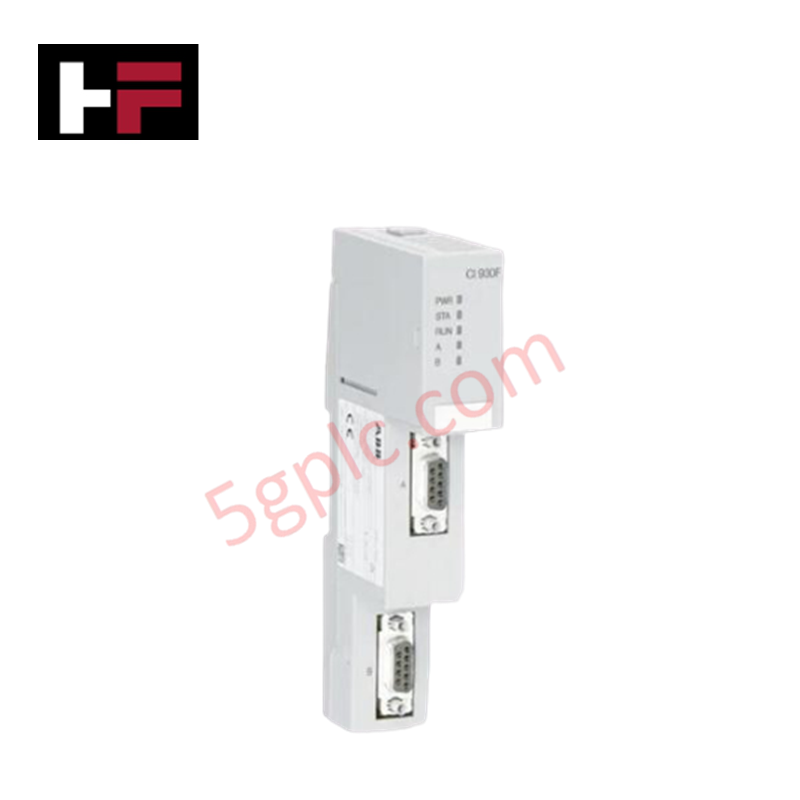
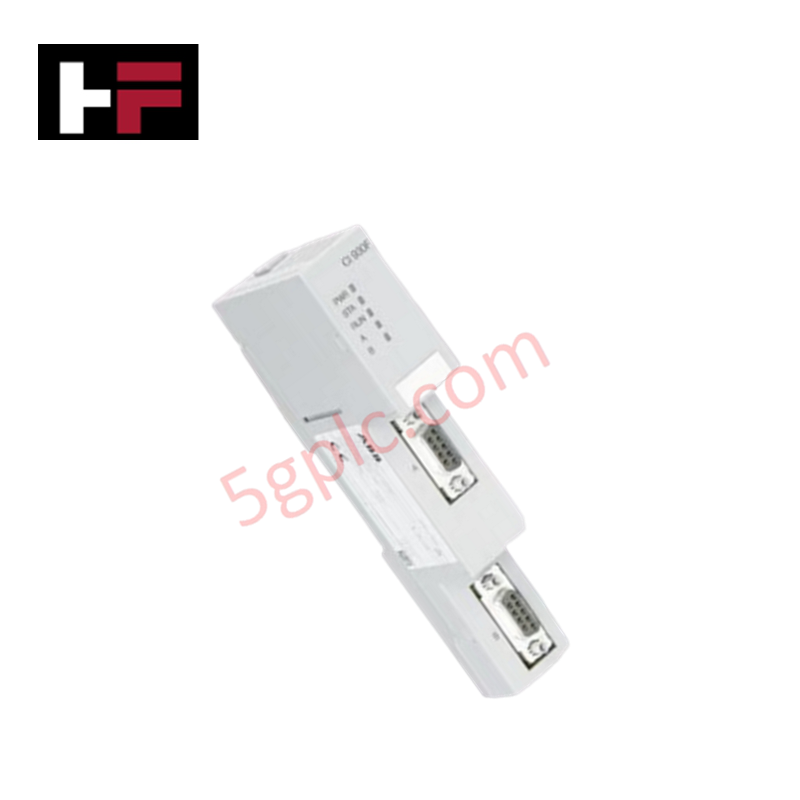
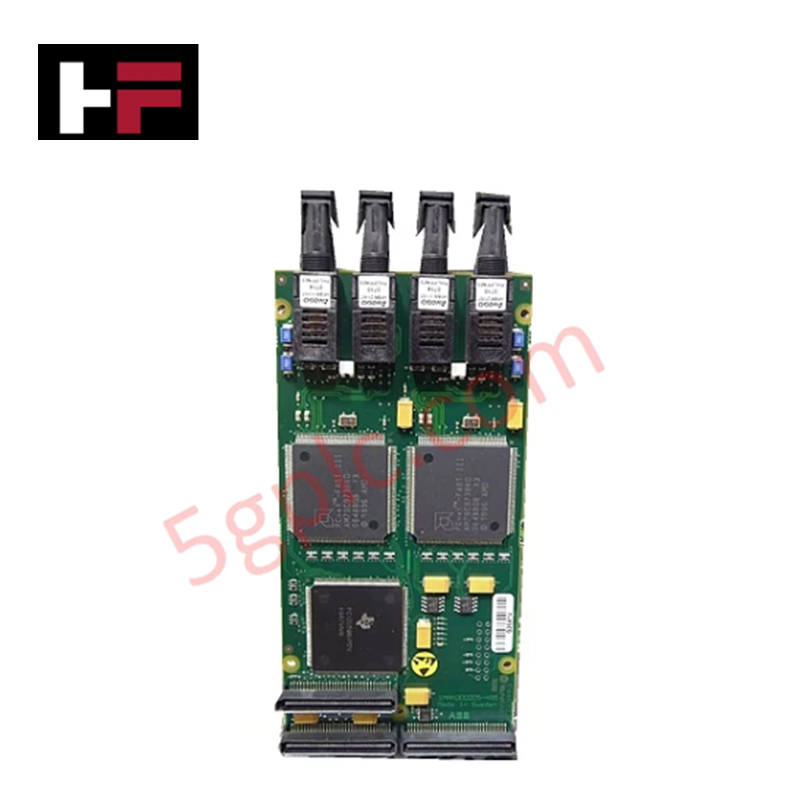
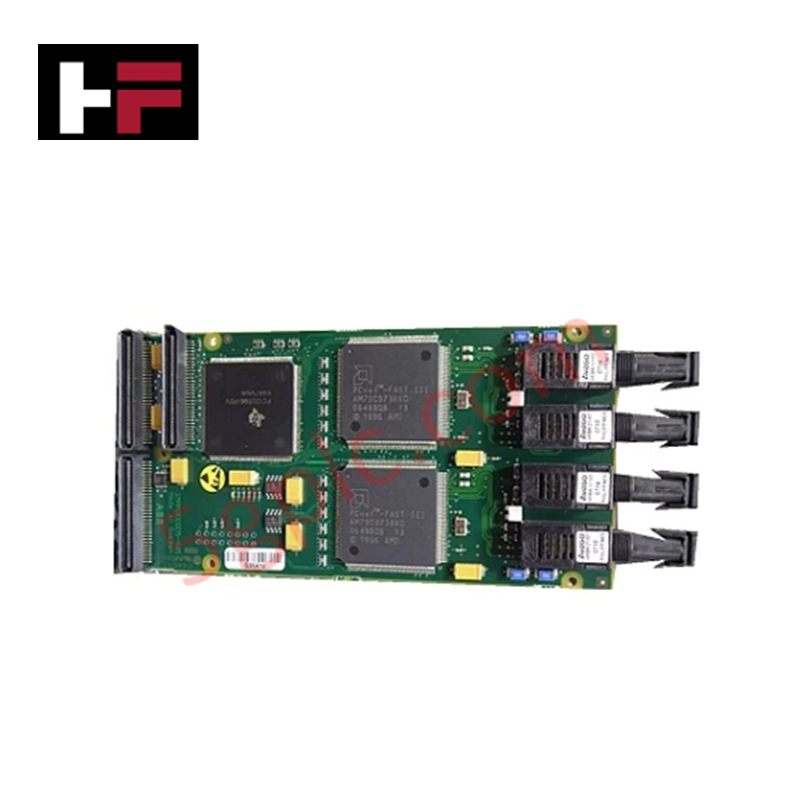
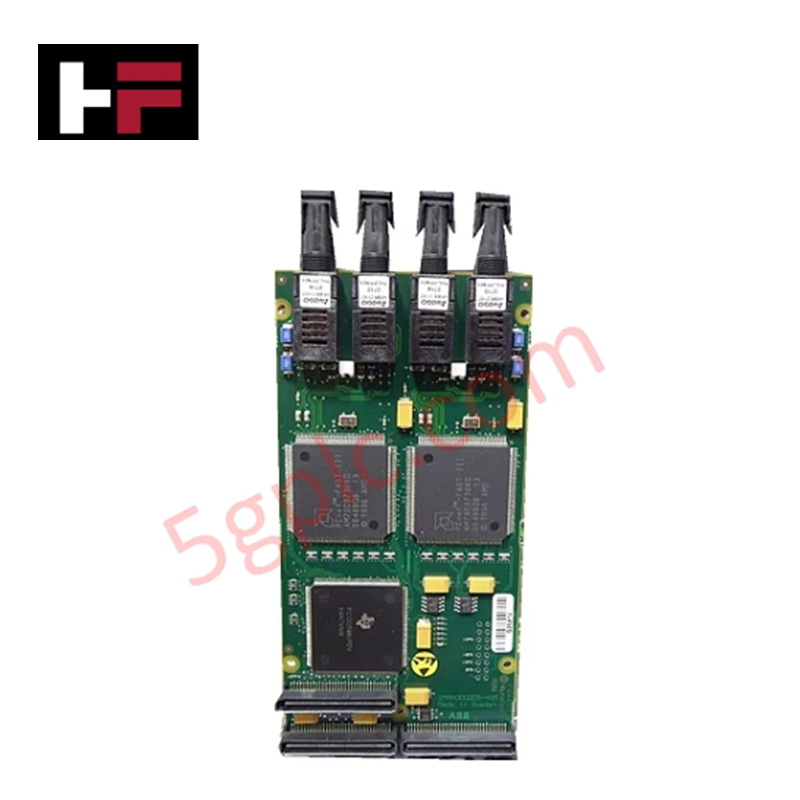
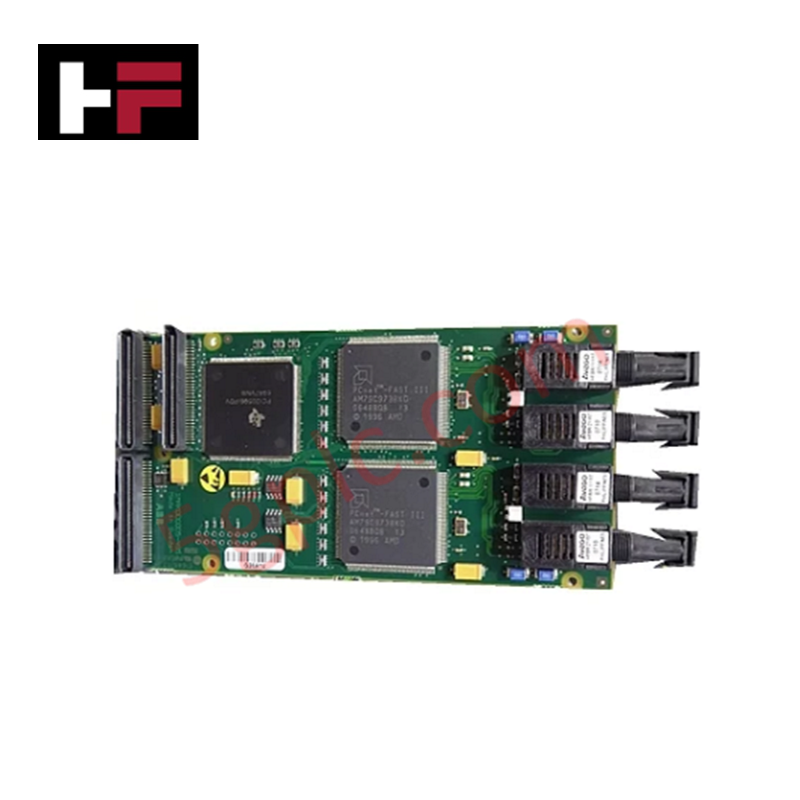
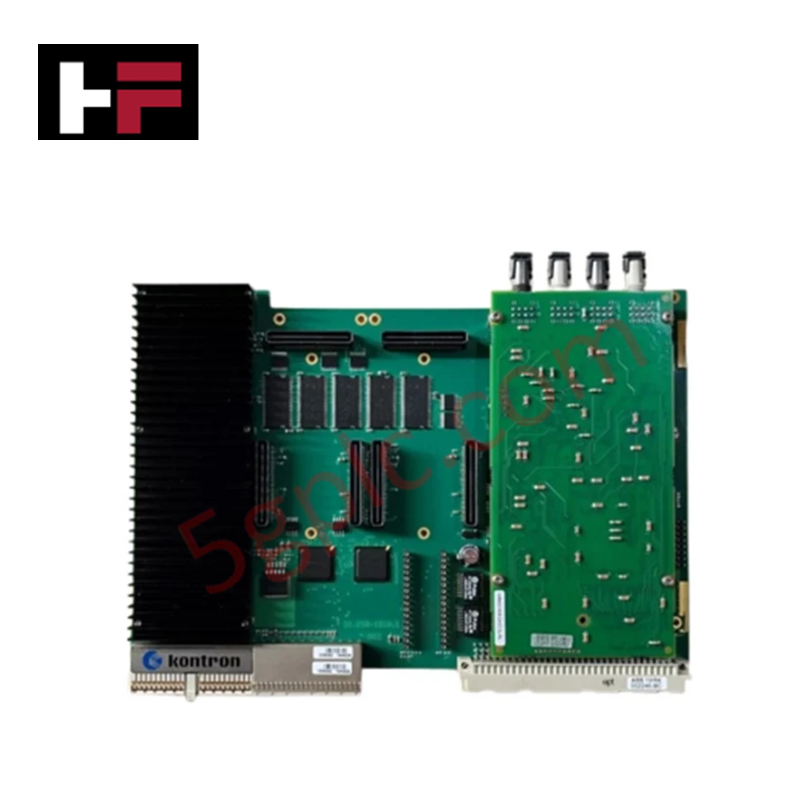
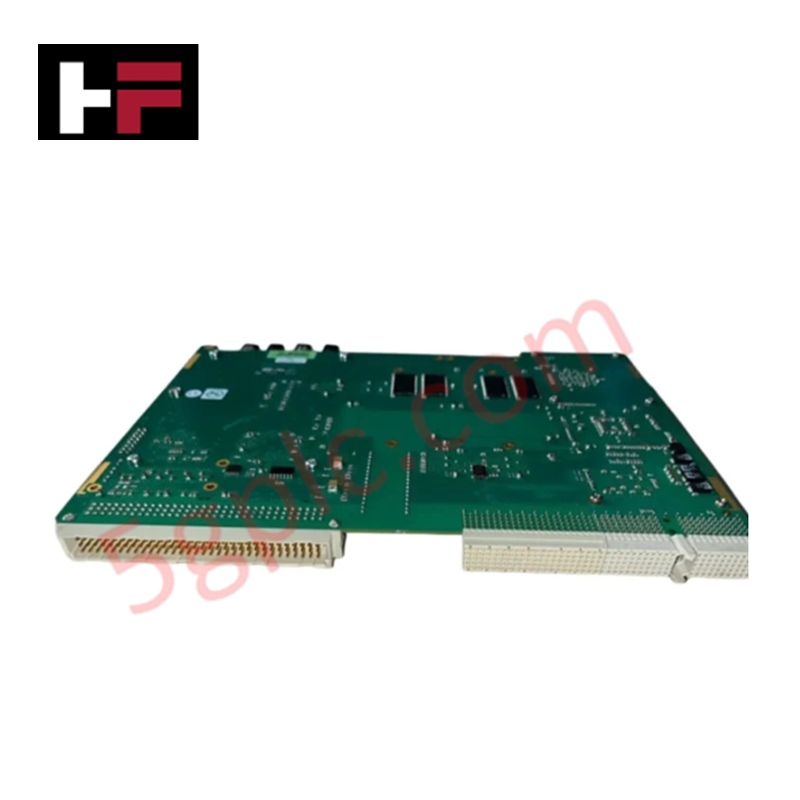
The TC-RPFM01 is a high-performance communication interface designed to extend the reach and reliability of Honeywell ControlNet networks. By converting electrical ControlNet signals into optical pulses, this fiber module allows for significantly longer cable runs while providing total immunity to electromagnetic interference (EMI) and lightning-induced surges. This makes it an essential component for distributed control architectures where I/O racks are located in different buildings or areas with high electrical noise.
Technical Specifications
-
Model Identification: TC-RPFM01
-
Primary Function: Fiber Optic Repeater / Media Converter
-
Network Protocol: ControlNet
-
Operating Voltage: 5 VDC (sourced via backplane)
-
Current Consumption: 4.0 Amps
-
Signal Media: Fiber Optic (Multi-mode compatibility)
-
Mounting Style: Chassis-based PLC / Rack Mount
-
Net Weight: 0.16 kg (approx. 0.35 lbs)
-
Status: Discontinued by Manufacturer (Legacy Spares Support)
Long-Distance Communication Utility
The TC-RPFM01 is typically deployed in pairs to create a fiber optic backbone between localized ControlNet segments. Beyond the obvious benefit of extended distance, the use of fiber optics provides galvanic isolation between different sections of a plant, effectively eliminating ground loop issues that can plague copper-based coaxial networks. Its 4 Amp power rating reflects the robust processing hardware required to maintain deterministic timing over the optical link.
Frequently Asked Questions
-
Does this module support single-mode or multi-mode fiber?
The TC-RPFM01 is generally optimized for multi-mode fiber optic cabling, which is the standard for most intra-plant industrial automation links.
-
Can this be mixed with coaxial ControlNet segments?
Yes, this module acts as a bridge; you can have a coaxial segment leading into the TC-RPFM01, which then transmits the signal over fiber to another repeater or a remote I/O rack.
Additional Information
- 100% Genuine Parts: All products are original and authentic, ensuring reliable industrial performance.
- 30-Day Refund Guarantee: Return any in-stock item within 30 days in original, unopened packaging for a full refund (excluding shipping and fees).
- 12-Month Warranty: Covers defects in materials or workmanship; excludes misuse, normal wear, or unauthorized modifications.
- Worldwide Shipping: We ship via USPS, UPS, FedEx, and DHL. Delivery times vary by country and may be subject to customs or import fees.
- Support & Contact: Technical and warranty assistance is available anytime. Contact us here: Contact.
- Purchase Guidance: Check product specifications and compatibility carefully before ordering to ensure proper application.
Tech & Buying Guide

Ultimate Commissioning Checklist for Industrial Automation Systems: An Engineering Guide
Commissioning is the most decisive phase of an industrial automation project, transforming control hardware and software into an operational facility. Thorough testing prevents costly startup delays and builds customer confidence. This guide covers essential checklists, electrical standards, and best practices.

Redundant Automation Systems: Core Architecture, Business Value, and Technical Advantages
Unplanned downtime poses a major financial threat to process manufacturing. To prevent costly interruptions, engineers deploy redundant PLC and DCS architectures that ensure continuous operation when hardware fails. This technical guide explores redundancy principles, critical system nodes, and real-world scenarios.

Preventing Emergency Stop Spurious Trips in Industrial Control Systems
Emergency Stop pushbuttons use Normally Closed contacts for fail-safe safety, but mechanical wear can cause costly spurious trips. This technical guide examines E-Stop contact failure root causes, redundant hardware setups, PLC logic monitoring, and maintenance strategies to maximize plant availability.