










Product Details
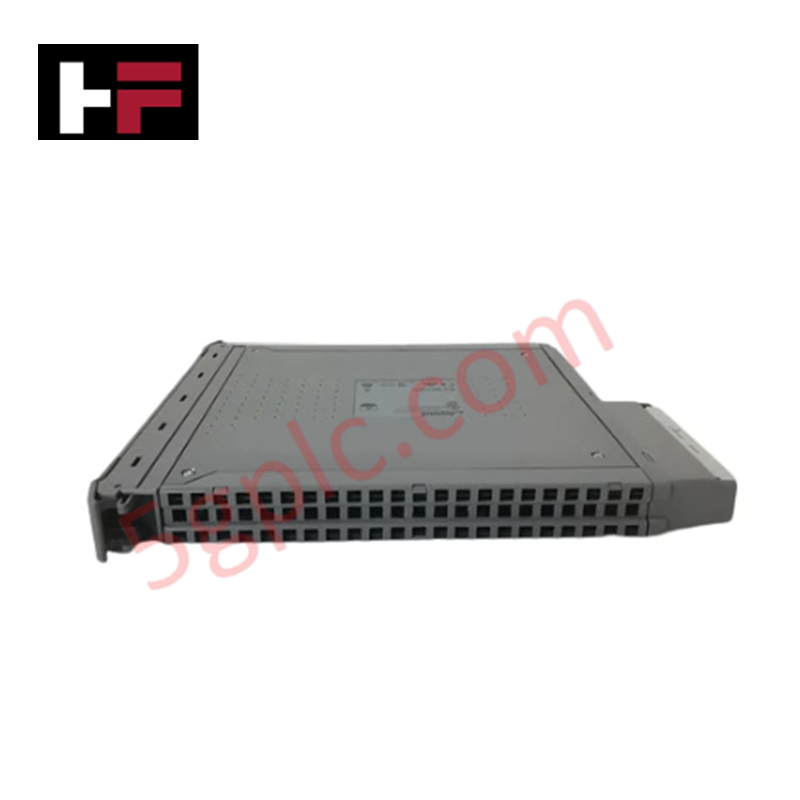
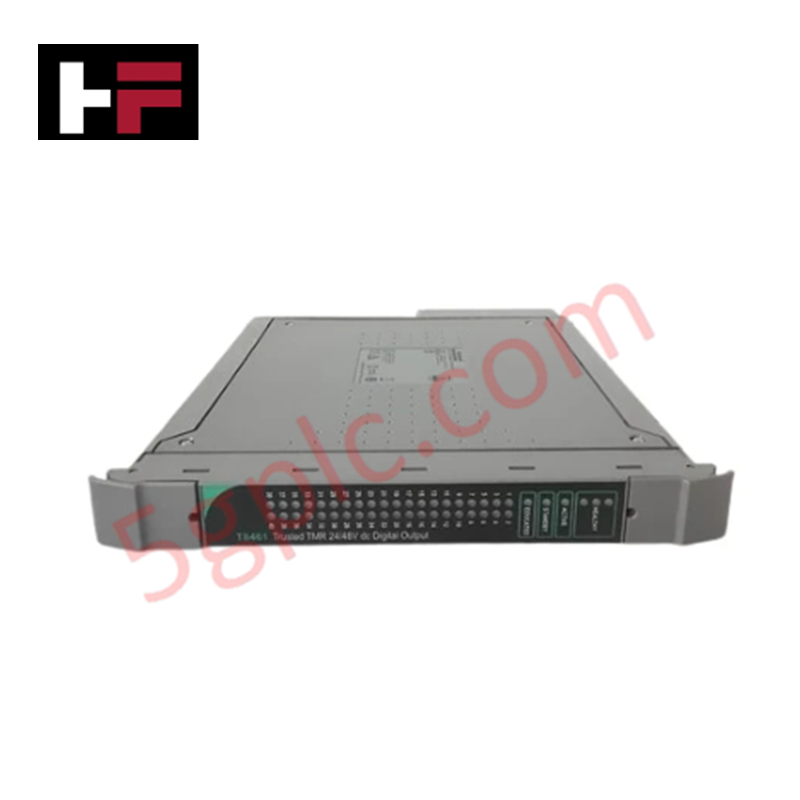
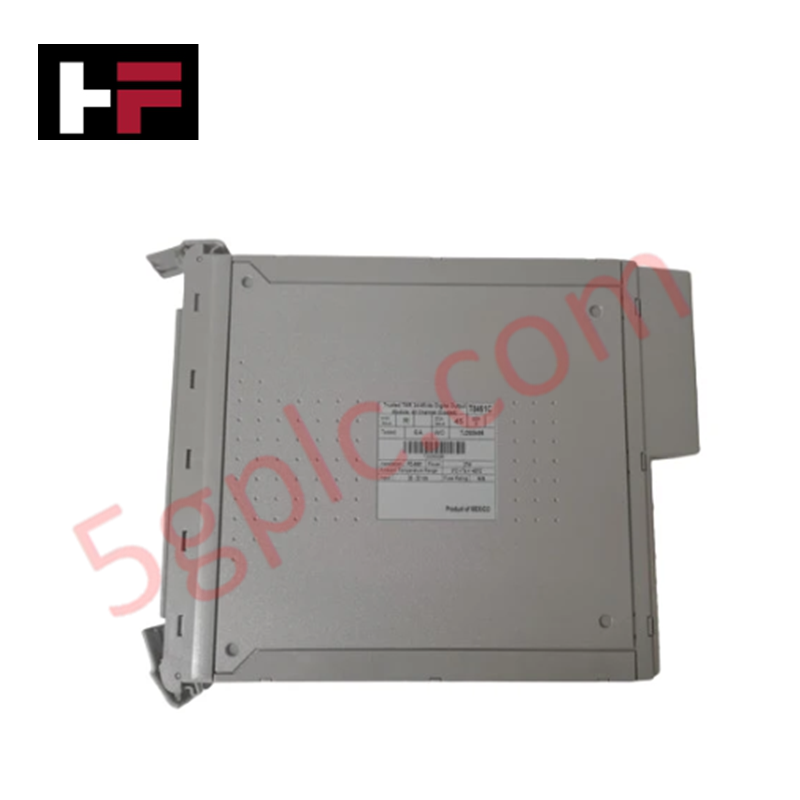
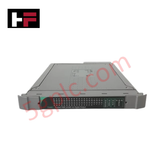
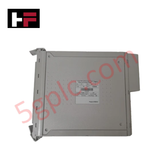
Configured for high-density signal acquisition in safety-instrumented systems, the ICS Triplex T8431C (T8431 Analog Input Module) provides direct physical and electrical execution. The module serves as a fault-tolerant interface for 40 analog channels, converting current or voltage inputs into deterministic data streams for the Trusted TMR control processor.
Hardware Specifications
| Parameter | Specification |
|---|---|
| Model | T8431C |
| Brand | ICS Triplex |
| Power Consumption | 15 W to 18 W |
| Input Channels | 40 |
| Input Current Range | 0 to 22 mA |
| Input Voltage Range | 0 to 6 VDC |
| System Supply Voltage | 20 to 32 VDC |
| Resolution | 3.9 micro-A |
| Sample Update Time | 0.5 ms |
SIS TMR Architecture and Fault Tolerance
The T8431C utilizes a triple modular redundancy (TMR) 2oo3 architecture to ensure continuous operation and data integrity. Each of the 40 channels is fully triplicated, with internal hardware voting circuits continuously comparing the digitized input values across the three redundant paths. If a path deviates from the expected value due to a component failure, the fault-tolerant circuitry isolates the error, preventing it from corrupting the control logic. The design supports optional line monitoring to detect open-circuit or short-circuit conditions, facilitating fail-safe state execution in accordance with site-specific safety requirements.
Frequently Asked Questions
Q: Can the T8431C module be replaced without disrupting system communication?
A: The module supports hot-swapping within the TMR chassis. Ensure the system software is set to maintenance mode for the affected I/O bank before extraction to prevent the processor from logging spurious faults during the transition.
Q: How is the calibration accuracy maintained over the recommended two-year interval?
A: The T8431C features a high-precision internal reference. Periodic calibration checks at the specified two-year interval ensure that the module maintains its 0.03% calibration accuracy and ± 1% safety accuracy throughout its operational lifespan.
Field Installation Guidelines
- Verify the 20 to 32 VDC power supply is stable and properly grounded to the system reference bus.
- Align the T8431C with the backplane connectors and apply firm, even pressure to ensure full engagement of all pins.
- Terminate analog field signals using high-quality shielded twisted-pair cabling to minimize noise injection; ground the shield at the cabinet entry point only.
- If using line monitoring, confirm that the field device impedance characteristics match the module's expected operational thresholds.
- Post-installation, perform a channel-by-channel verification to map field signal levels to the corresponding registers in the control logic.
Additional Information
- 100% Genuine Parts: All products are original and authentic, ensuring reliable industrial performance.
- 30-Day Refund Guarantee: Return any in-stock item within 30 days in original, unopened packaging for a full refund (excluding shipping and fees).
- 12-Month Warranty: Covers defects in materials or workmanship; excludes misuse, normal wear, or unauthorized modifications.
- Worldwide Shipping: We ship via USPS, UPS, FedEx, and DHL. Delivery times vary by country and may be subject to customs or import fees.
- Support & Contact: Technical and warranty assistance is available anytime. Contact us here: Contact.
- Purchase Guidance: Check product specifications and compatibility carefully before ordering to ensure proper application.
Tech & Buying Guide

Navigating Industrial Automation Failures: Types, Causes, and Mitigation Strategies
Modern manufacturing relies heavily on automated control systems to maximize throughput and maintain product quality. However, unplanned downtime in industrial automation can cost facility operators thousands of dollars per hour. Understanding how programmable logic controllers (PLCs), distributed control systems (DCS), and field instrumentation fail empowers engineering teams to implement robust preventive maintenance strategies.

Essential Motion Control Commands: A Practical Guide for Engineers
Automation engineers often rely on precise position and speed control to drive modern factory machinery. Modern industrial systems, such as Programmable Logic Controllers (PLCs) and Distributed Control Systems (DCS), depend heavily on standardized motion instructions. Mastering these commands ensures operational safety, protects mechanical components, and optimizes cycle times across production lines.

The Role of Intrinsic Safety Barriers in PLC and DCS Architectures
Implementing robust protection in hazardous industrial environments represents a fundamental safety requirement in factory automation. Process facilities often handle volatile gases, dusts, and chemical agents that pose significant combustion risks. Consequently, control system engineers must deploy energy-limiting interfaces to isolate safe-area control cabinets from hazardous-area field instrumentation. This article examines the function, selection, and electrical principles of intrinsic safety barriers within modern PLC and DCS networks.