










Product Details
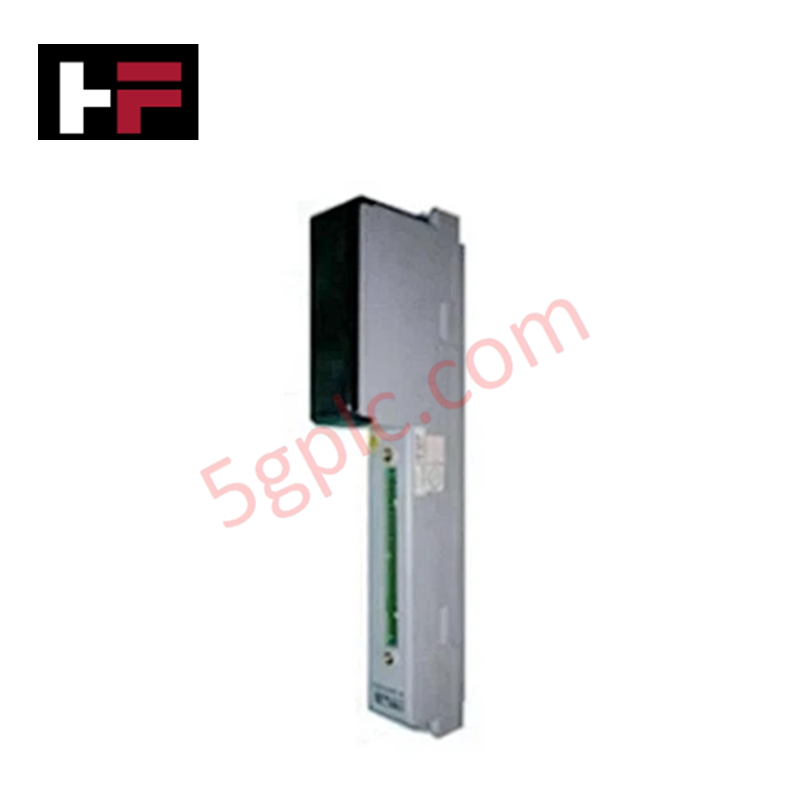
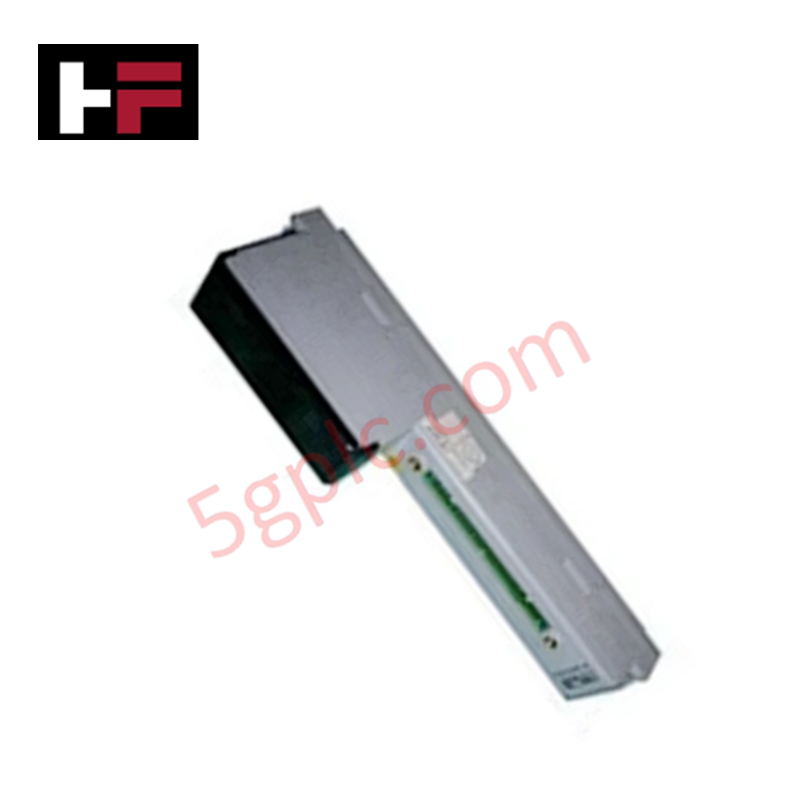
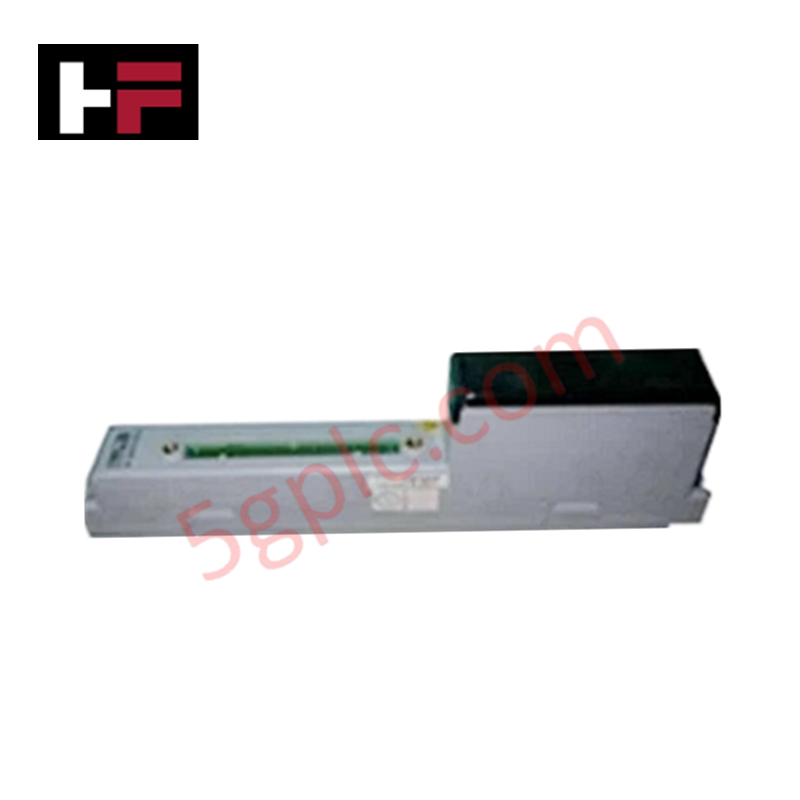
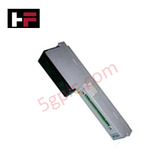
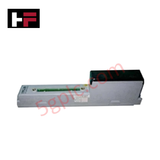
The Yokogawa RS4CCM-C11, also cataloged as the RS4CCM Variable Area Flowmeter, operates as a dedicated hardware component for fluid dynamics measurement and mechanical rate indication within Yokogawa process control platforms.
Hardware Specifications
| Parameter | Specification |
|---|---|
| Model | RS4CCM-C11 |
| Brand | Yokogawa |
| Origin | Japan |
| Operating Temp | -40 to 400 deg C (-40 to 752 deg F) |
| Power Consumption | Passive mechanical / loop-powered |
| Measuring Media | Gases, liquids, and steam |
| Flow Rate | 0.03 to 300 m3/h (0.1 to 1050 ft3/h) |
| Turndown Ratio | 10:1 |
| Accuracy | +/-1.0% of reading |
| Repeatability | +/-0.5% of reading |
| Pressure Rating | Up to 21 MPa (3000 psi) |
| Construction | All-stainless steel |
| Special Feature | Float blockage detection system |
4-20 mA HART Loop Protocol and Channel Isolation
The RS4CCM-C11 integrates magnetic float tracking mechanisms that isolate internal measurement components from process fluid pressure heads. When wired to transmitter interface modules communicating via 4-20 mA HART loop protocol architectures, signal conditioning electronics maintain galvanic channel-to-channel isolation to eliminate ground loop voltage shifts across field sensor pathways.
Frequently Asked Questions
Q: How does the float blockage detection system operate within the RS4CCM-C11?
A: Integrated sensors track float displacement dynamics to identify operational stalling or physical obstruction, triggering diagnostic alarms before output scaling errors cascade down the loop.
Q: What process pressure limits apply to the RS4CCM-C11 flowmeter body?
A: The all-stainless steel body is rated for operating line pressures up to 21 MPa (3000 psi).
Q: Does high process fluid temperature degrade measurement performance?
A: The physical assembly is constructed to sustain continuous fluid temperatures ranging from -40 to 400 deg C (-40 to 752 deg F) within specified accuracy margins.
Field Installation Guidelines
- Mechanical Alignment: Mount the flowmeter vertically in pipe runs with upward flow direction to allow gravity and fluid drag to position the float correctly.
- Piping Stress: Install pipe supports upstream and downstream of the flange connections to prevent mechanical torque loading on the meter body.
- Grounding: Connect the meter body directly to the plant grounding grid using dedicated copper bonding straps to mitigate static discharge.
- Cable Shielding: Terminate signal cable shields at the DCS field terminal panel rather than the instrument housing to avoid circulating ground currents.
Additional Information
- 100% Genuine Parts: All products are original and authentic, ensuring reliable industrial performance.
- 30-Day Refund Guarantee: Return any in-stock item within 30 days in original, unopened packaging for a full refund (excluding shipping and fees).
- 12-Month Warranty: Covers defects in materials or workmanship; excludes misuse, normal wear, or unauthorized modifications.
- Worldwide Shipping: We ship via USPS, UPS, FedEx, and DHL. Delivery times vary by country and may be subject to customs or import fees.
- Support & Contact: Technical and warranty assistance is available anytime. Contact us here: Contact.
- Purchase Guidance: Check product specifications and compatibility carefully before ordering to ensure proper application.


Tech & Buying Guide

Redefining Control Systems: The Rise of Flexible I/O Modules in Industrial Automation
Conventional input-output architectures often limit engineering agility and inflate long-term inventory costs. Today, Flexible Input/Output Modules (FIOM) are transforming how control system engineers design, commission, and maintain automation infrastructure. By allowing individual channel software configuration, FIOM technology bridges the gap between rigid hardware design and dynamic plant requirements.
Understanding Modern SCADA Systems: Architecture, Communication Topologies, and Industrial Applications
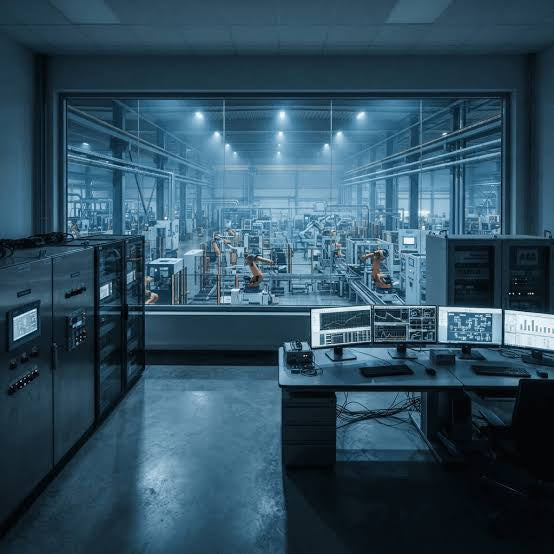
Supervisory Control and Data Acquisition (SCADA) systems form the digital backbone of modern industrial automation. They collect critical field data, transmit signals across vast distances, and empower plant operators with real-time process visibility. Across modern infrastructures, SCADA solutions streamline centralized control and maintain continuous operational uptime.
Understanding OPC Servers in Modern Industrial Automation: Principles, Architecture, and Applications
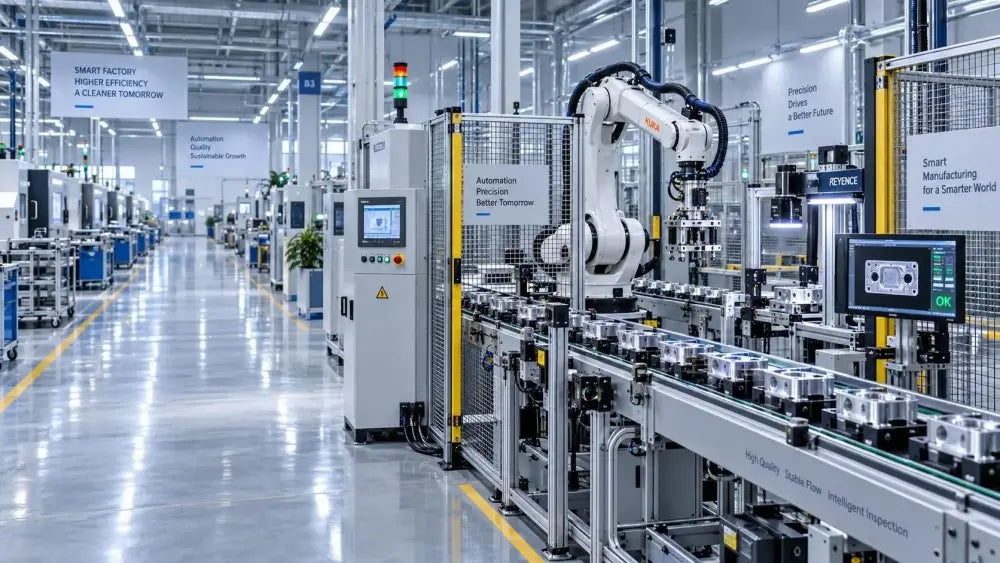
In industrial automation, connecting physical hardware with high-level software remains a primary operational challenge. Factories utilize programmable logic controllers (PLCs), distributed control systems (DCS), human-machine interfaces (HMIs), and smart sensors from diverse vendors. These devices often speak different proprietary protocols. Open Platform Communications (OPC) servers solve this interoperability challenge by standardizing how data flows across factory networks.