










Product Details
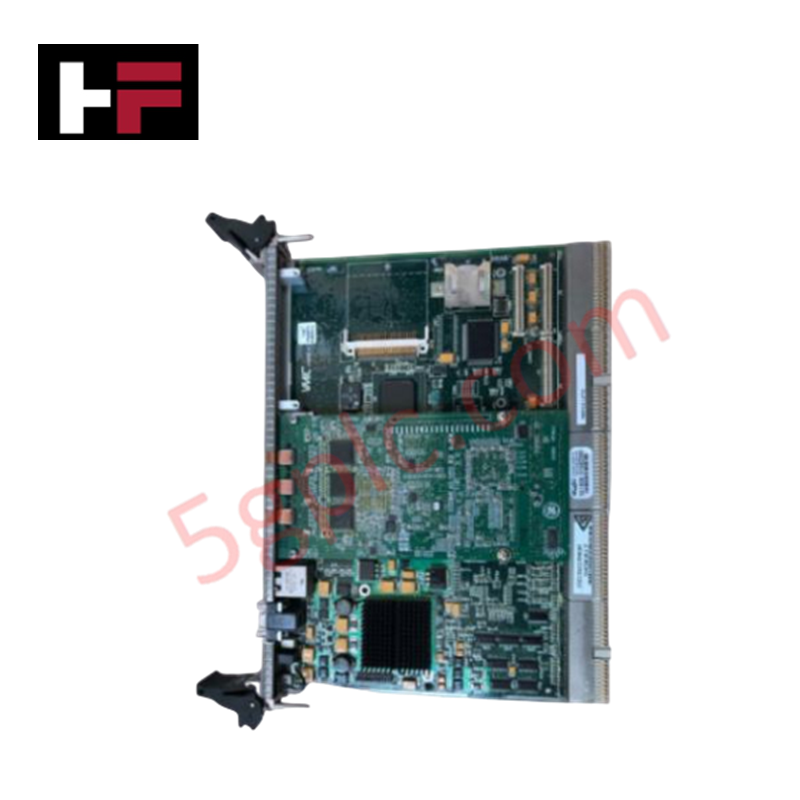
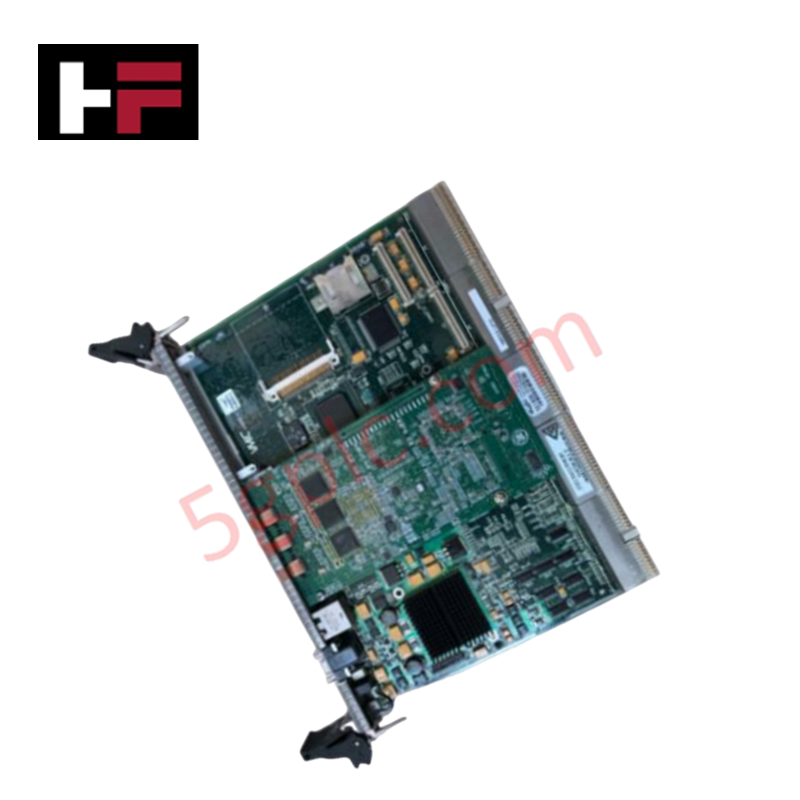
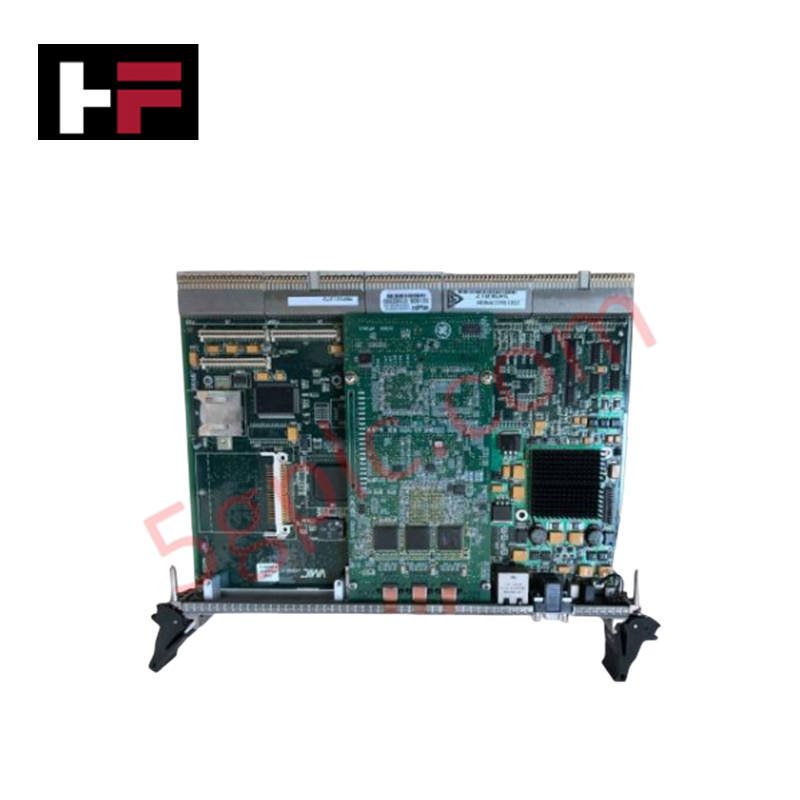
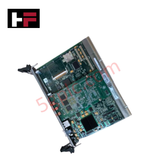
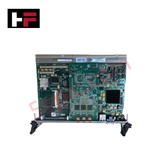
Configured for deterministic computational execution in Mark VIe control systems, the GE IS215UCCAM03A (IS215UCCAM03A Compact PCI Processor Module) provides direct physical execution of application logic and network communication. This hardware component serves as the primary controller engine utilized to execute real-time processing and interface management across Mark VIe distributed control platforms.
Hardware Specifications
| Parameter | Specification |
|---|---|
| Model | IS215UCCAM03A |
| Brand | GE |
| Dimensions | 11.00 x 9.00 x 3.00 inch |
| Operating Temp | 0 deg C to 60 deg C |
| Power Consumption | +5 V dc |
| Core Performance | 1.6 GHz Intel Pentium M; 256 MB memory |
Profinet / EtherNet/IP Deterministic Networks
The IS215UCCAM03A utilizes the QNX Neutrino real-time operating system to maintain precise task timing across the control network. The module features an integrated 10BaseT/100BaseTX Ethernet interface for communication with the Unit Data Highway (UDH), alongside dedicated ports for the R, S, and T I/O networks. Deterministic data handling is supported by the processor’s architecture, which facilitates I/O density scaling by coordinating multiple I/O packs simultaneously. Firmware flash compatibility is governed by the ControlST environment, ensuring that the 256 MB memory capacity and onboard flash memory remain synchronized with system control requirements. The inclusion of a hardware watchdog timer and RS-232C setup connectivity provides a deterministic framework for industrial control applications.
Frequently Asked Questions
Q: Can the IS215UCCAM03A be hot-swapped while the control cabinet is energized?
A: No. The Compact PCI architecture of this processor module does not support live insertion or removal. Power must be removed from the chassis before the board is extracted to prevent damage to the backplane connectors and onboard surface-mount components.
Q: How is the RS-232C COM1 port utilized?
A: The RS-232C port is designated for initial setup and diagnostic access to the controller. It should not be used for high-speed continuous control data transfer, which is handled via the dedicated Ethernet interfaces.
Field Installation Guidelines
- Mounting: Ensure the module is fully seated within the Compact PCI slot. Engage the ejector levers to lock the board in place, ensuring the front panel makes contact with the chassis for proper grounding.
- Networking: Use high-quality shielded Ethernet cabling for all UDH and I/O network connections. Segregate communication cables from high-current power wiring to prevent induction-related packet loss.
- ESD Protection: Use an anti-static wrist strap during handling. The surface-mount microprocessor and DRAM modules are sensitive to electrostatic discharge and must not be touched directly.
- Verification: Upon installation, verify the watchdog timer status and link LEDs on the Ethernet ports to confirm that the processor has successfully booted the QNX Neutrino operating system and established network communication.
Additional Information
- 100% Genuine Parts: All products are original and authentic, ensuring reliable industrial performance.
- 30-Day Refund Guarantee: Return any in-stock item within 30 days in original, unopened packaging for a full refund (excluding shipping and fees).
- 12-Month Warranty: Covers defects in materials or workmanship; excludes misuse, normal wear, or unauthorized modifications.
- Worldwide Shipping: We ship via USPS, UPS, FedEx, and DHL. Delivery times vary by country and may be subject to customs or import fees.
- Support & Contact: Technical and warranty assistance is available anytime. Contact us here: Contact.
- Purchase Guidance: Check product specifications and compatibility carefully before ordering to ensure proper application.


Tech & Buying Guide

How to Connect to Siemens S7 PLCs: 5 Essential Communication Methods
Establishing a reliable hardware link between a programming terminal and a Siemens SIMATIC controller is essential for engineering workflows. Field engineers rely on distinct physical layers, ranging from legacy serial connections to high-speed Industrial Ethernet protocols. Modern factory automation environments prioritize fast data transfer and seamless driver integration. Selecting the correct connection method simplifies program downloads, online monitoring, and system troubleshooting in complex control systems.

Will PLCs Become Obsolete? The Future of Control Systems in Industry 4.0
Modern manufacturing is undergoing a rapid technological transformation driven by Industry 4.0 innovations. Technologies like Artificial Intelligence (AI), Machine Learning (ML), and the Industrial Internet of Things (IIoT) are dominating discussions across the factory automation sector. Consequently, many engineers wonder if these advanced digital tools will eventually replace traditional Programmable Logic Controllers (PLCs). However, evaluating the core physics of industrial operations reveals a very different reality for control systems.

Demystifying Open Platform Communication (OPC): The Backbone of Industrial Interoperability
Interoperability remains a cornerstone requirement for modern smart factories and process automation. Open Platform Communication (OPC) bridges the gap between disparate hardware platforms, control systems, and visualization software. By establishing a universal communication standard, OPC allows field controllers, SCADA platforms, and enterprise software from different vendors to exchange real-time data seamlessly.