








Product Details
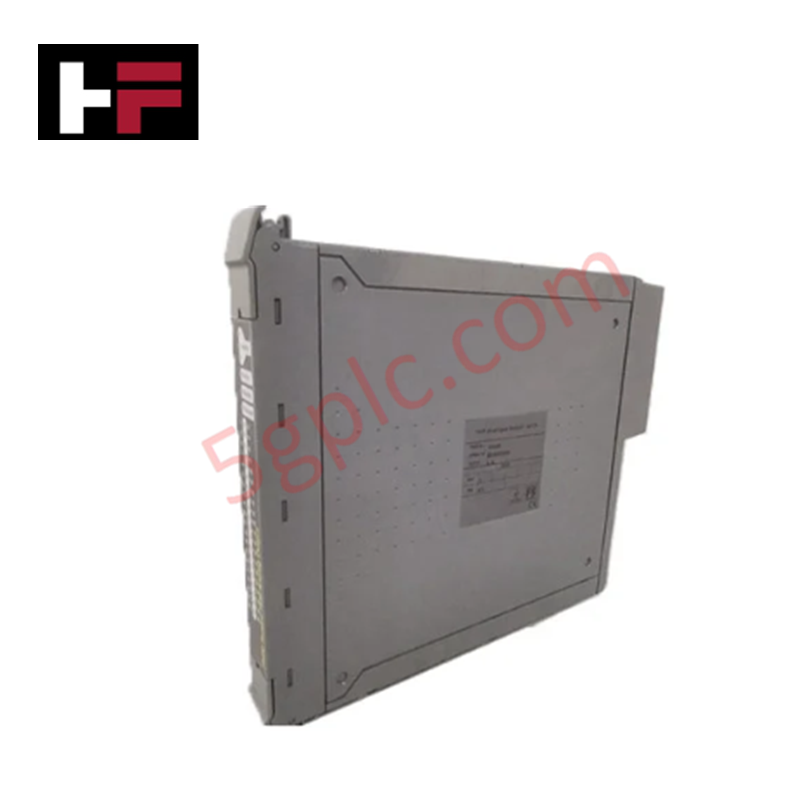
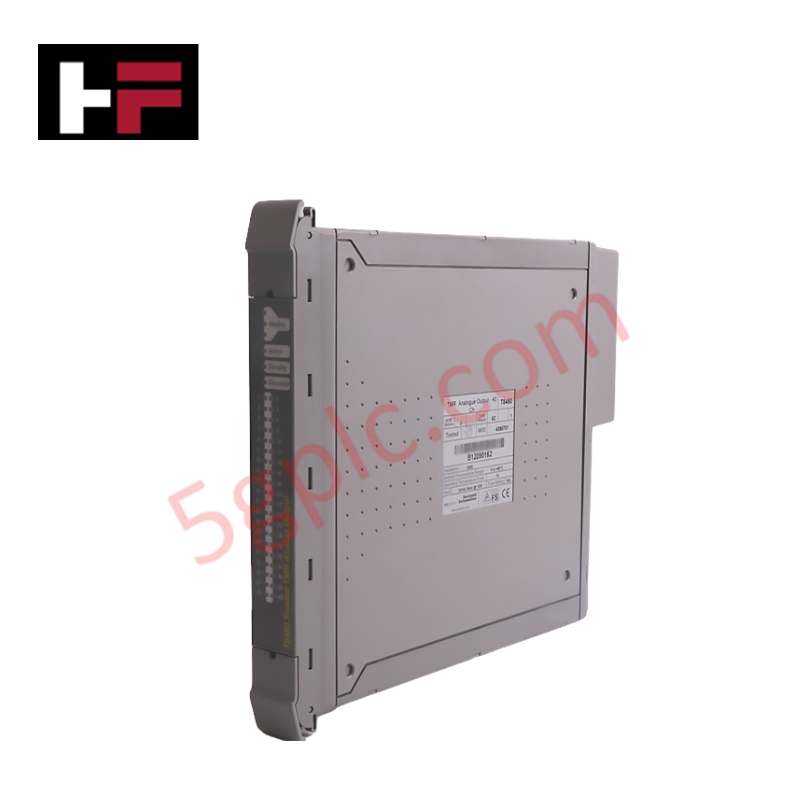
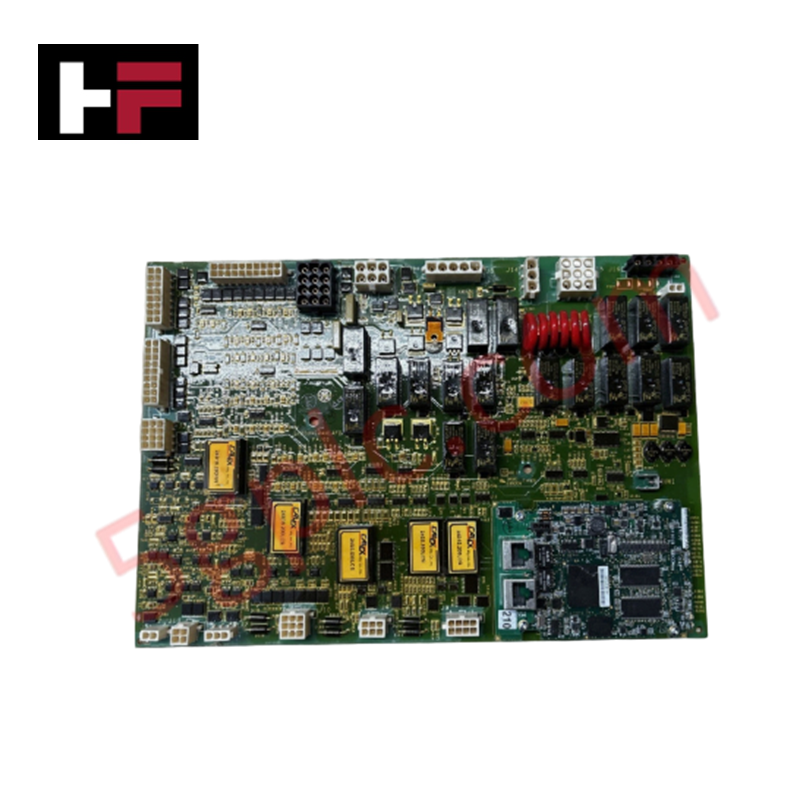
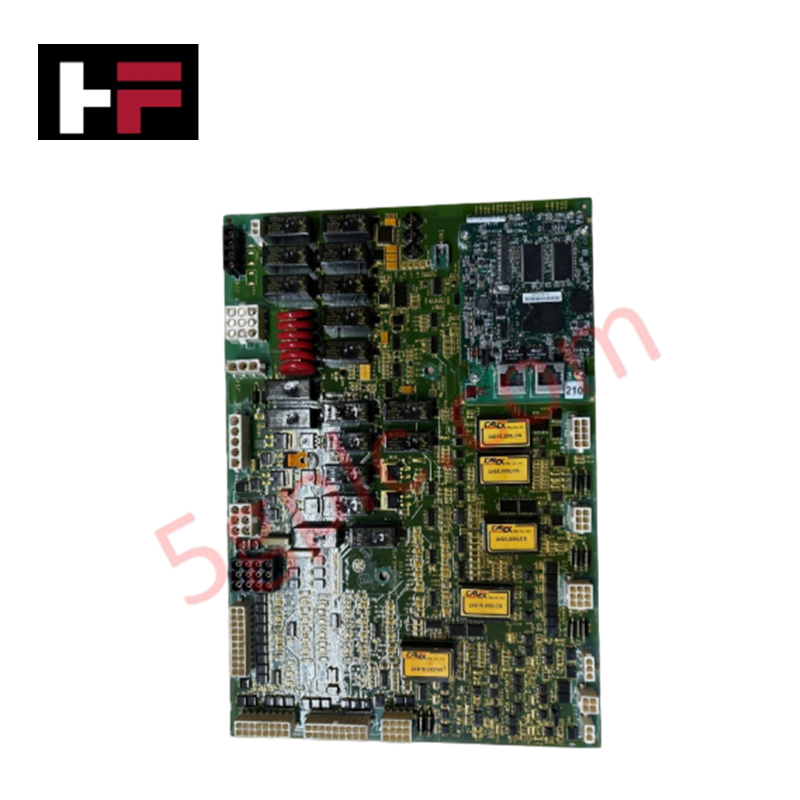
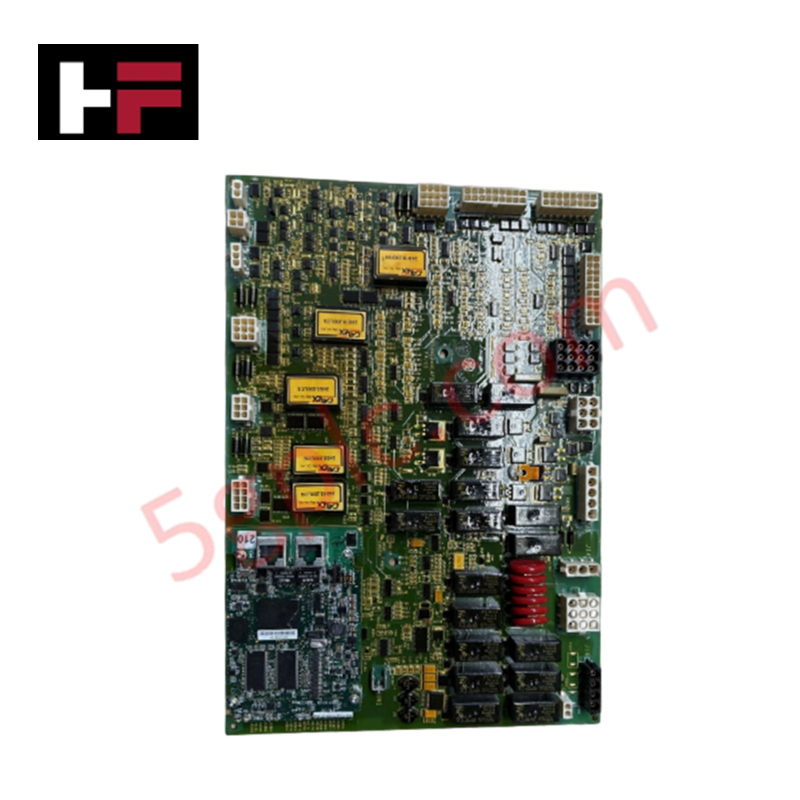
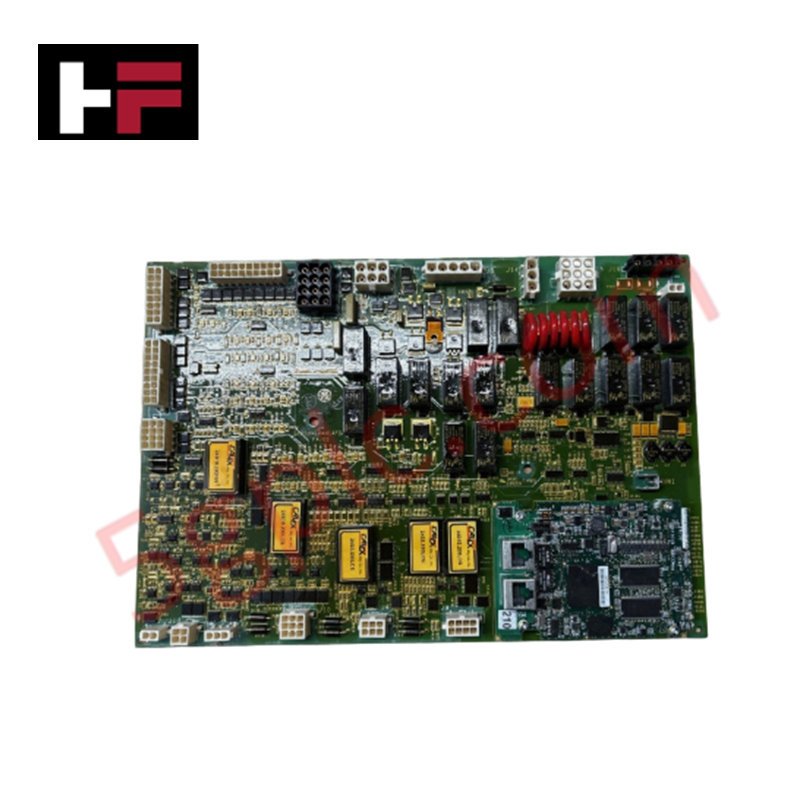
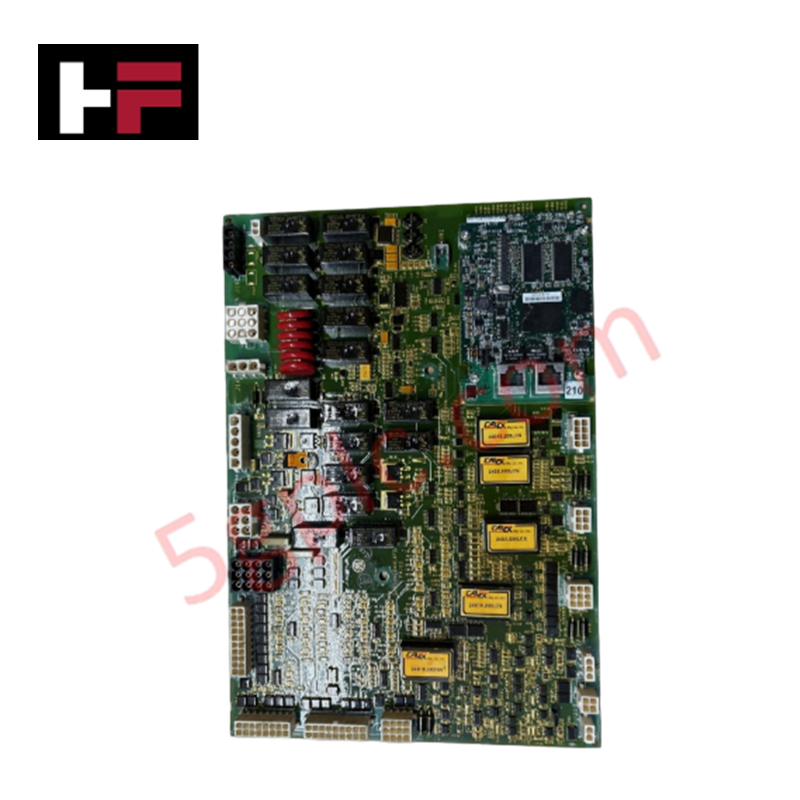
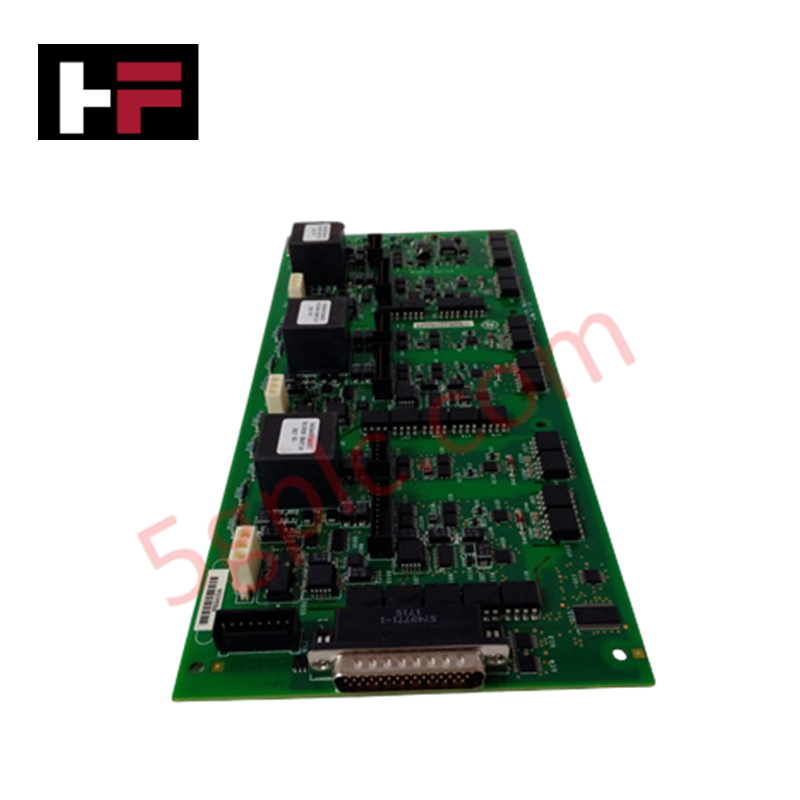
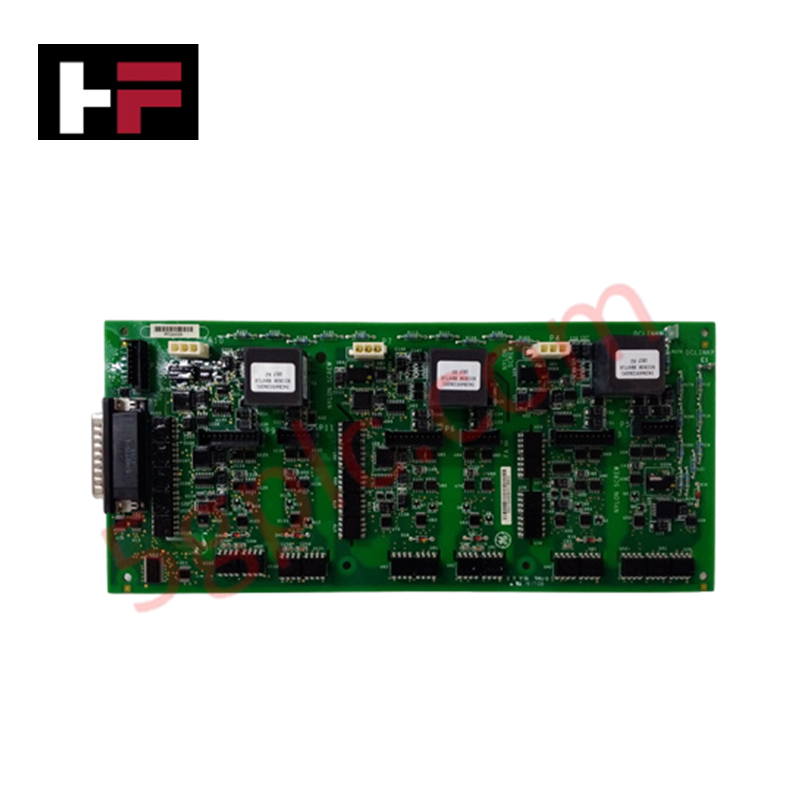
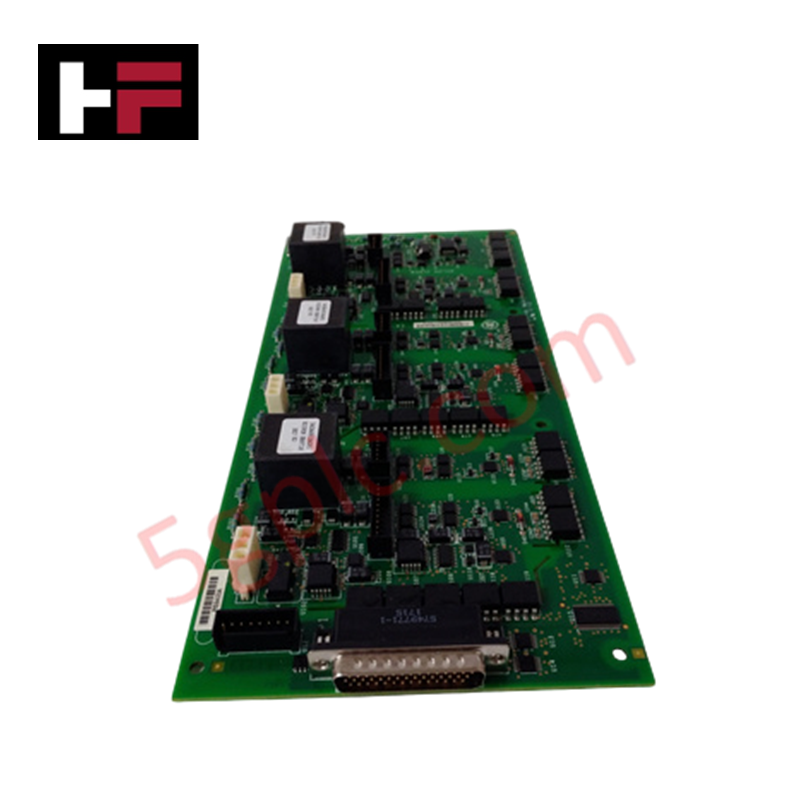
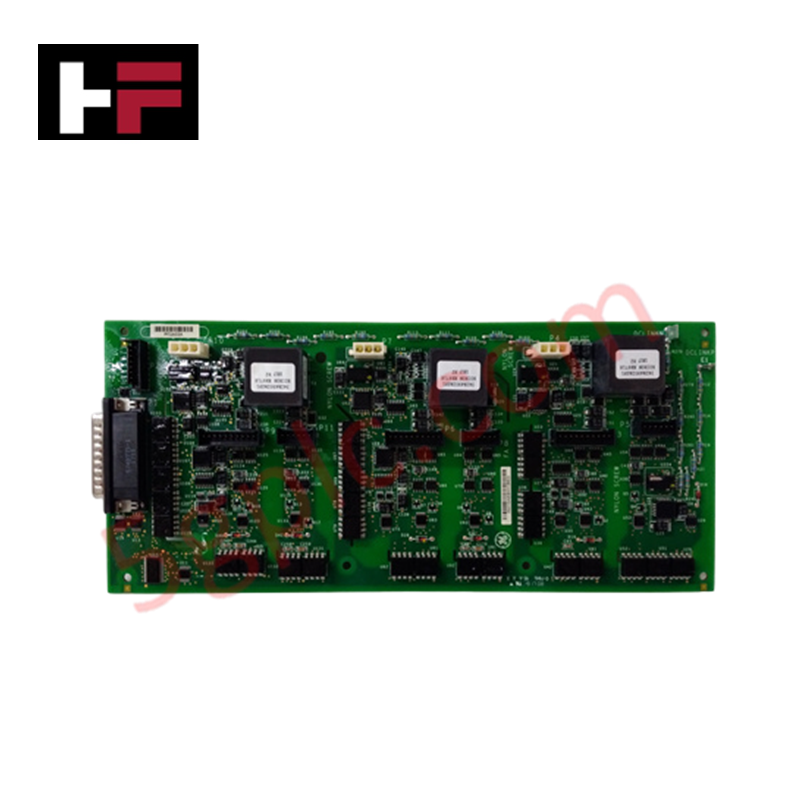
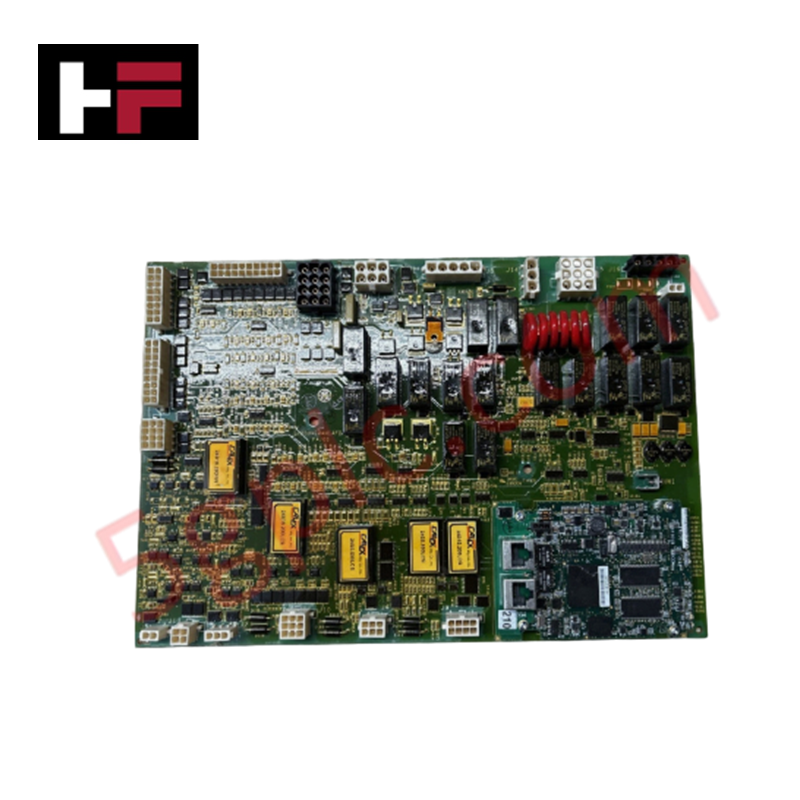
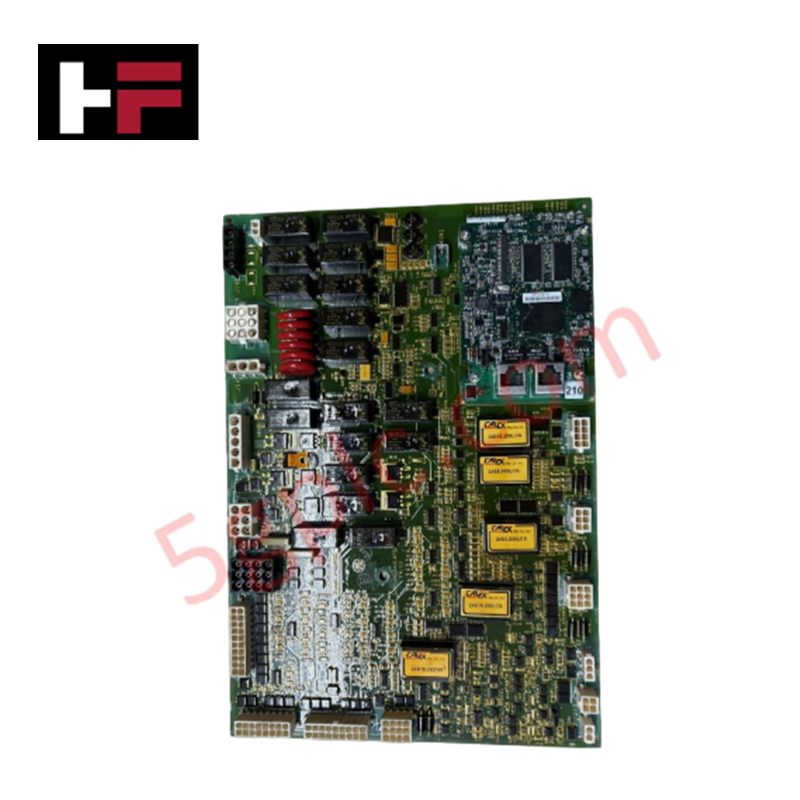
The GE Fanuc IS200AEPAH1AHD, also cataloged as the IS200AEPA Application Exciter Power Amplifier Board, operates as a dedicated hardware component for exciter power amplification and signal conditioning within GE Speedtronic Mark VI excitation control systems.
Hardware Specifications
| Parameter | Specification |
|---|---|
| Model | IS200AEPAH1AHD |
| Brand | GE Fanuc / General Electric |
| Origin | USA |
| Power Consumption | System Backplane Bus Powered |
| Series | Speedtronic Mark VI |
| Acronym | AEPA (Application Exciter Power Amplifier) |
| Onboard Processor | High-Performance Processing Architecture |
| Communication Protocols | Ethernet, Modbus TCP/IP |
Backplane Bus Communication Velocity and Firmware Flash Compatibility
The IS200AEPAH1AHD routes digitized amplifier state vectors and excitation control parameters directly through internal rack backplane interfaces. High-bandwidth trace paths prevent signal degradation during peak load transitions, maintaining backplane bus communication velocity across adjacent controller card slots. Non-volatile onboard memory stores board hardware identification codes, enforcing firmware flash compatibility and dynamic configuration alignment during system boot sequences.
Frequently Asked Questions
Q: How does the IS200AEPAH1AHD communicate excitation feedback parameters to the primary controller?
A: The board passes digitized signal streams over the internal rack backplane and supports Ethernet network interfaces utilizing the Modbus TCP/IP protocol.
Q: Are hardware adjustments required when replacing an IS200AEPA board revision?
A: No, the onboard non-volatile memory automatically communicates module parameter metadata to the controller to verify configuration alignment.
Q: What precautions are necessary regarding module removal from a powered Mark VI rack?
A: The rack frame must be powered down or placed into a dedicated maintenance state prior to module extraction to prevent transient bus errors.
Field Installation Guidelines
- Isolate primary system power and auxiliary DC control supplies before inserting or removing the board assembly.
- Put on an ESD grounding wrist strap connected to an unpainted metal section of the grounded control cabinet.
- Slide the IS200AEPAH1AHD board along the card guide tracks until edge connectors seat securely into the backplane socket.
- Tighten the top and bottom panel captive screws to lock the physical assembly in place.
- Verify that all field wiring shield connections terminate directly at the enclosure single-point ground bar.
Additional Information
- 100% Genuine Parts: All products are original and authentic, ensuring reliable industrial performance.
- 30-Day Refund Guarantee: Return any in-stock item within 30 days in original, unopened packaging for a full refund (excluding shipping and fees).
- 12-Month Warranty: Covers defects in materials or workmanship; excludes misuse, normal wear, or unauthorized modifications.
- Worldwide Shipping: We ship via USPS, UPS, FedEx, and DHL. Delivery times vary by country and may be subject to customs or import fees.
- Support & Contact: Technical and warranty assistance is available anytime. Contact us here: Contact.
- Purchase Guidance: Check product specifications and compatibility carefully before ordering to ensure proper application.
Tech & Buying Guide
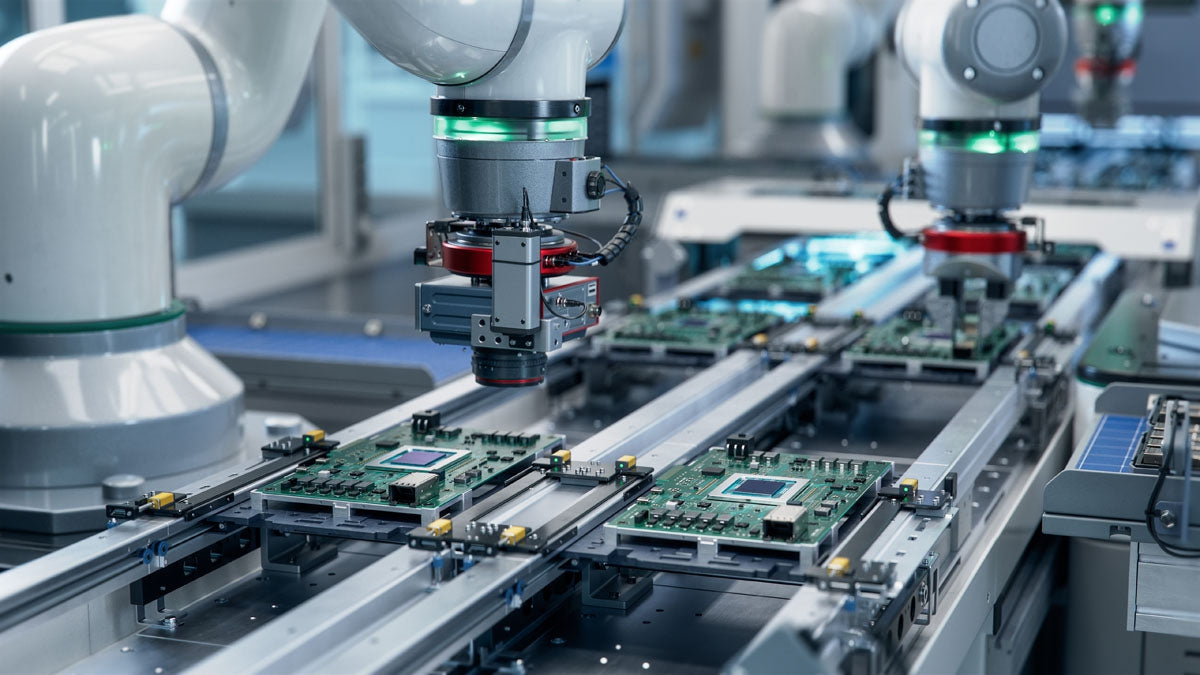
Multi-Touch HMI Technology: Transforming Interaction in Industrial Automation
Modern human-machine interfaces (HMIs) are evolving rapidly across factory floors worldwide. Traditional resistive touchscreens allowed operators to register only a single touch point at a time. Today, multi-touch HMI panels enable intuitive multi-finger gestures and concurrent multi-operator inputs in demanding industrial automation setups.
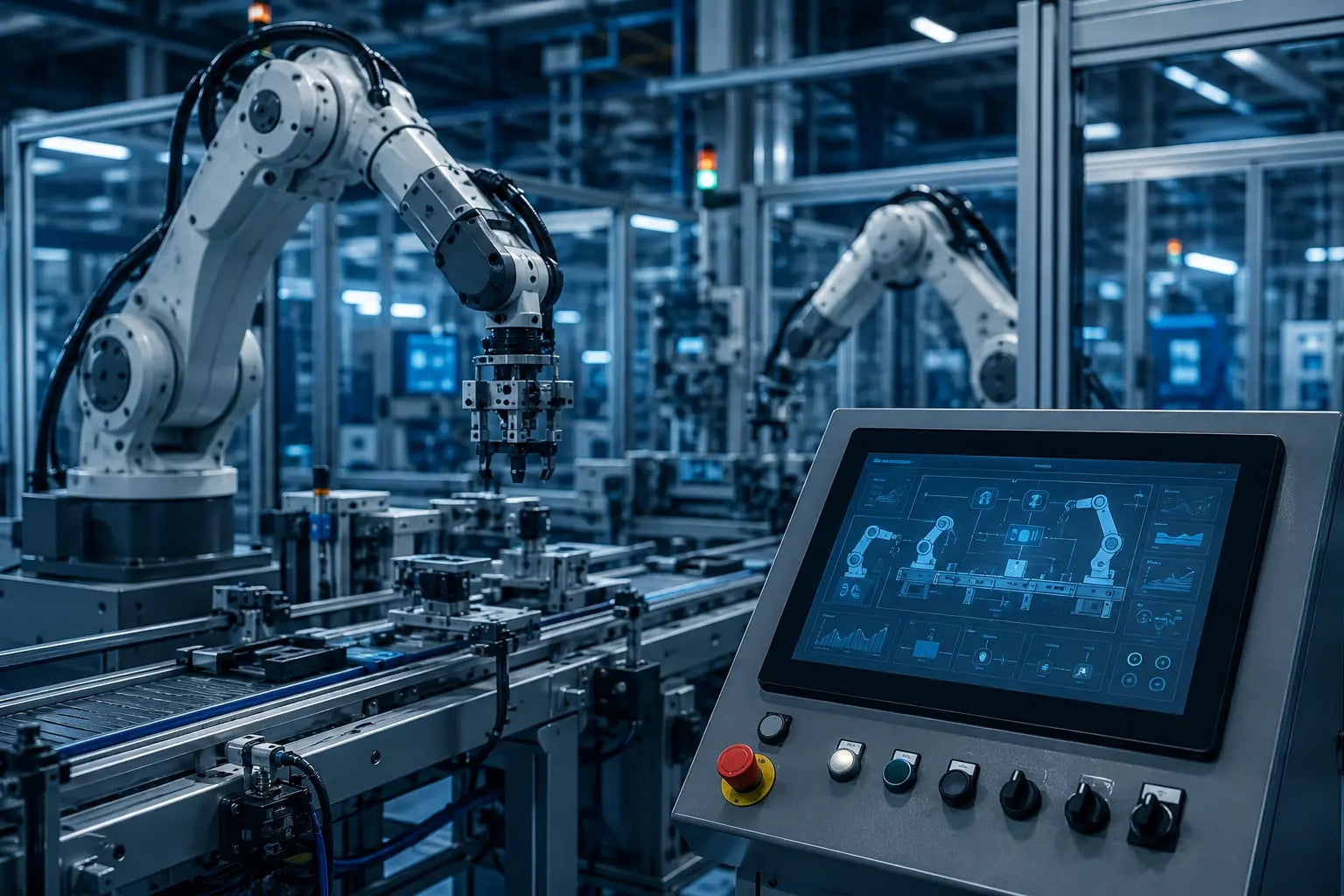
Centralized vs Decentralized Automation Systems: Architectural Trade-Offs in Modern Industrial Control
Industrial automation relies heavily on robust control architectures to manage complex processes efficiently. Engineers must choose between centralized and decentralized topologies when designing plant automation. This decision directly impacts system reliability, scalability, and long-term maintenance costs.
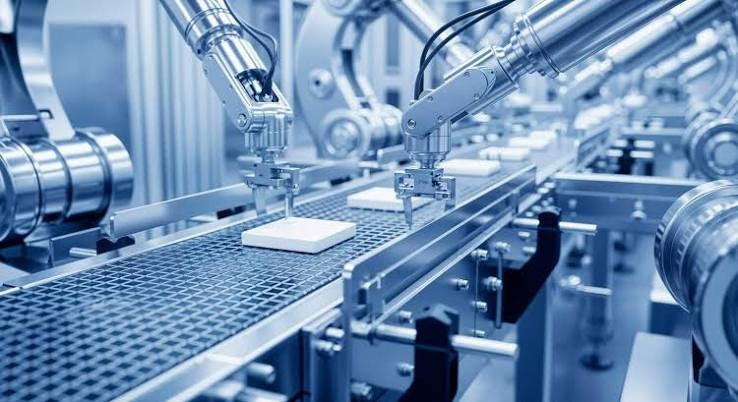
Engineering a Process Control System Philosophy: Principles and Operational Impact
A Process Control System (PCS) Philosophy serves as the foundational blueprint for modern plant engineering. During the design and construction phases, this document establishes clear guidelines for instrumentation and control (I&C) teams. Consequently, a well-defined philosophy directly dictates overall operational stability, maintenance efficiency, and future expansion capabilities across heavy process industries.