










Product Details
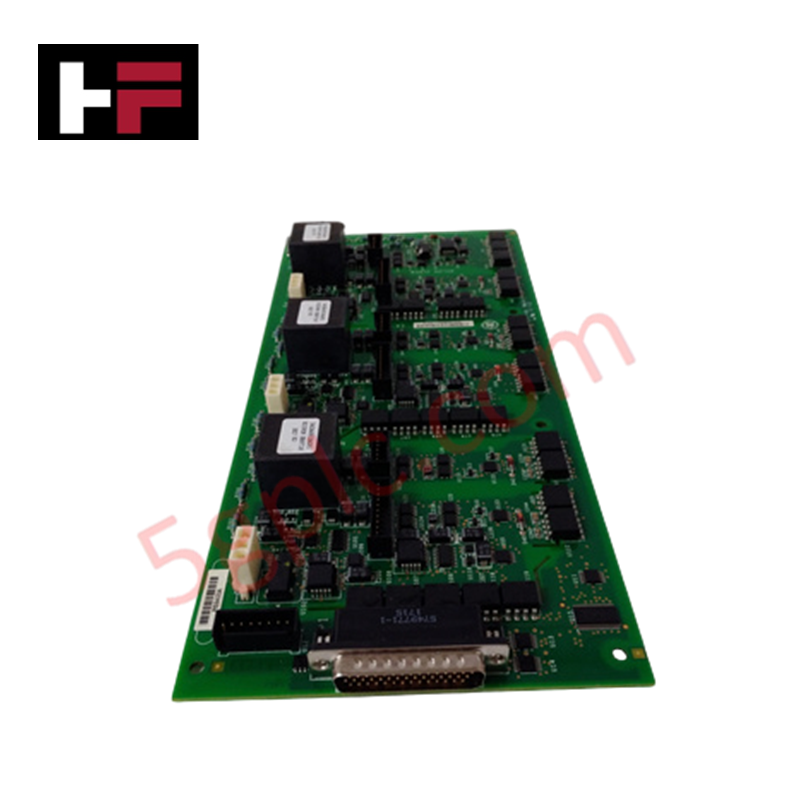
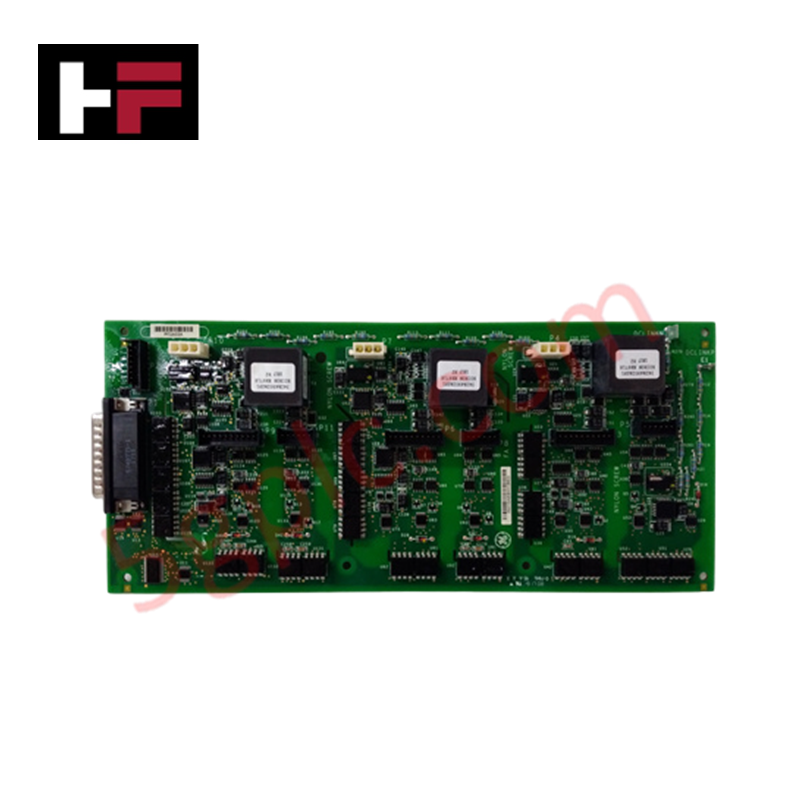
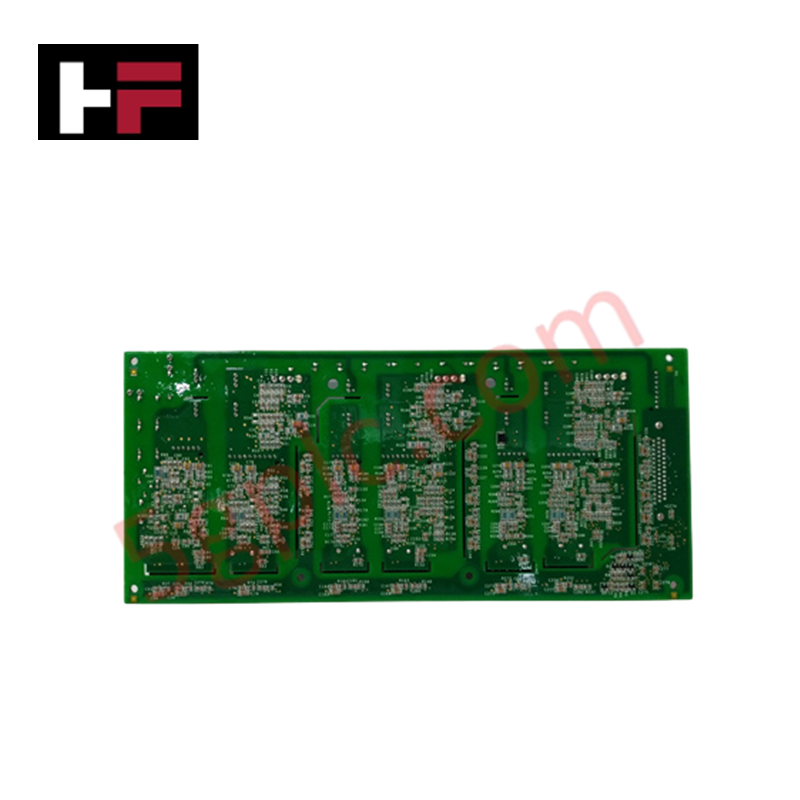
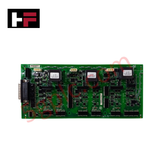
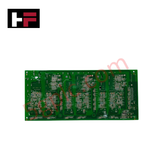
The GE IS210AEBIH1BDA, also cataloged as the IS210AEBI Interface Card, operates as a dedicated hardware component for signal processing and power interface management within GE Mark VIe control racks.
Hardware Specifications
| Parameter | Specification |
|---|---|
| Model | IS210AEBIH1BDA |
| Brand | GE / General Electric |
| Origin | USA |
| Weight | 120 g |
| Dimensions | 170 mm x 105 mm x 32 mm |
| Operating Temp | -20 deg C to +50 deg C |
| Power Consumption | Operating Voltage 12 to 48 VDC |
| Onboard CPU | 32-bit RISC Processor |
| Current Output | Maximum 10 A |
| Efficiency | Greater than 90% |
| Storage Temp | -40 deg C to +70 deg C |
| Signal Range | Configurable |
Backplane Bus Communication Velocity and Firmware Flash Compatibility
The IS210AEBIH1BDA uses its onboard 32-bit RISC processor to handle localized input signal processing and output power distribution across the 12 to 48 VDC operating range. Fast execution cycles prevent communication bottlenecks across backplane interfaces, maintaining backplane bus communication velocity during real-time control operations. Non-volatile onboard memory maintains firmware flash compatibility to ensure correct parameter exchange and module verification during rack initialization sequences.
Frequently Asked Questions
Q: What power range does the IS210AEBIH1BDA board require for operation?
A: The board operates across an input voltage range of 12 to 48 VDC while supporting a maximum current output of 10 A.
Q: How does the integrated 32-bit RISC processor function within the Mark VIe architecture?
A: The onboard processor handles real-time signal acquisition, configurable signal range scaling, and local logic operations before routing data to the backplane.
Q: Can the board be stored in extreme ambient temperature environments when not in service?
A: Yes, the board is rated for non-operating storage temperatures ranging from -40 deg C to +70 deg C.
Field Installation Guidelines
- Disconnect all 12 to 48 VDC power supplies and field instrument loops before installing or removing the card.
- Put on an ESD grounding wrist strap attached to an unpainted metal surface on the cabinet rack before touching the assembly.
- Slide the IS210AEBIH1BDA board into its dedicated slot along the card guides until the backplane connectors seat completely.
- Tighten the mounting hardware to secure the card and establish low-impedance frame grounding.
- Verify that all input and output wiring terminations adhere to standard cable shielding practices to prevent electromagnetic interference.
Additional Information
- 100% Genuine Parts: All products are original and authentic, ensuring reliable industrial performance.
- 30-Day Refund Guarantee: Return any in-stock item within 30 days in original, unopened packaging for a full refund (excluding shipping and fees).
- 12-Month Warranty: Covers defects in materials or workmanship; excludes misuse, normal wear, or unauthorized modifications.
- Worldwide Shipping: We ship via USPS, UPS, FedEx, and DHL. Delivery times vary by country and may be subject to customs or import fees.
- Support & Contact: Technical and warranty assistance is available anytime. Contact us here: Contact.
- Purchase Guidance: Check product specifications and compatibility carefully before ordering to ensure proper application.


Tech & Buying Guide

How to Connect to Siemens S7 PLCs: 5 Essential Communication Methods
Establishing a reliable hardware link between a programming terminal and a Siemens SIMATIC controller is essential for engineering workflows. Field engineers rely on distinct physical layers, ranging from legacy serial connections to high-speed Industrial Ethernet protocols. Modern factory automation environments prioritize fast data transfer and seamless driver integration. Selecting the correct connection method simplifies program downloads, online monitoring, and system troubleshooting in complex control systems.

Will PLCs Become Obsolete? The Future of Control Systems in Industry 4.0
Modern manufacturing is undergoing a rapid technological transformation driven by Industry 4.0 innovations. Technologies like Artificial Intelligence (AI), Machine Learning (ML), and the Industrial Internet of Things (IIoT) are dominating discussions across the factory automation sector. Consequently, many engineers wonder if these advanced digital tools will eventually replace traditional Programmable Logic Controllers (PLCs). However, evaluating the core physics of industrial operations reveals a very different reality for control systems.

Demystifying Open Platform Communication (OPC): The Backbone of Industrial Interoperability
Interoperability remains a cornerstone requirement for modern smart factories and process automation. Open Platform Communication (OPC) bridges the gap between disparate hardware platforms, control systems, and visualization software. By establishing a universal communication standard, OPC allows field controllers, SCADA platforms, and enterprise software from different vendors to exchange real-time data seamlessly.