










Product Details
Product Overview
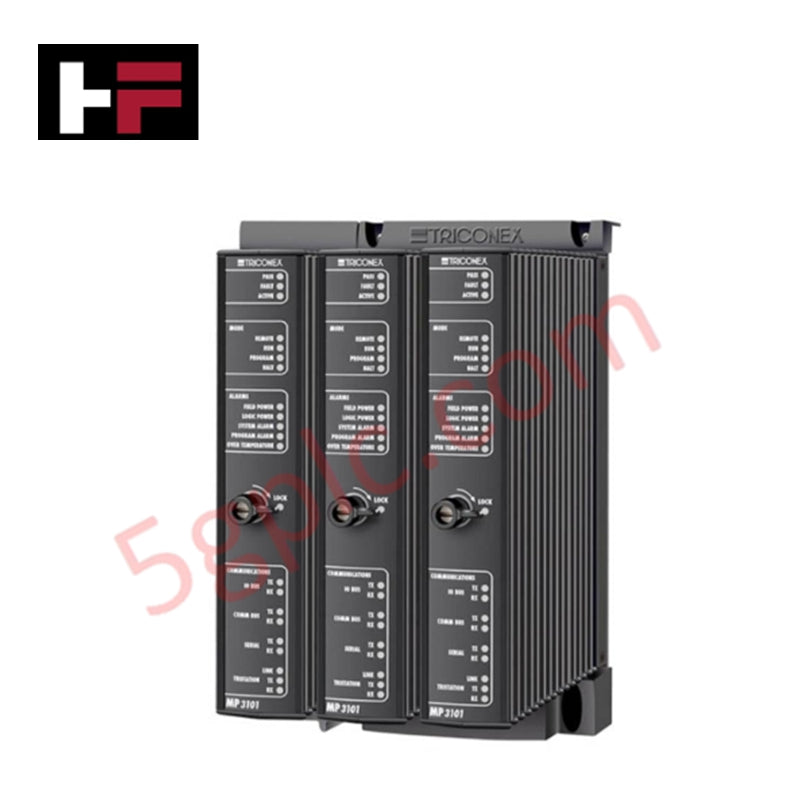
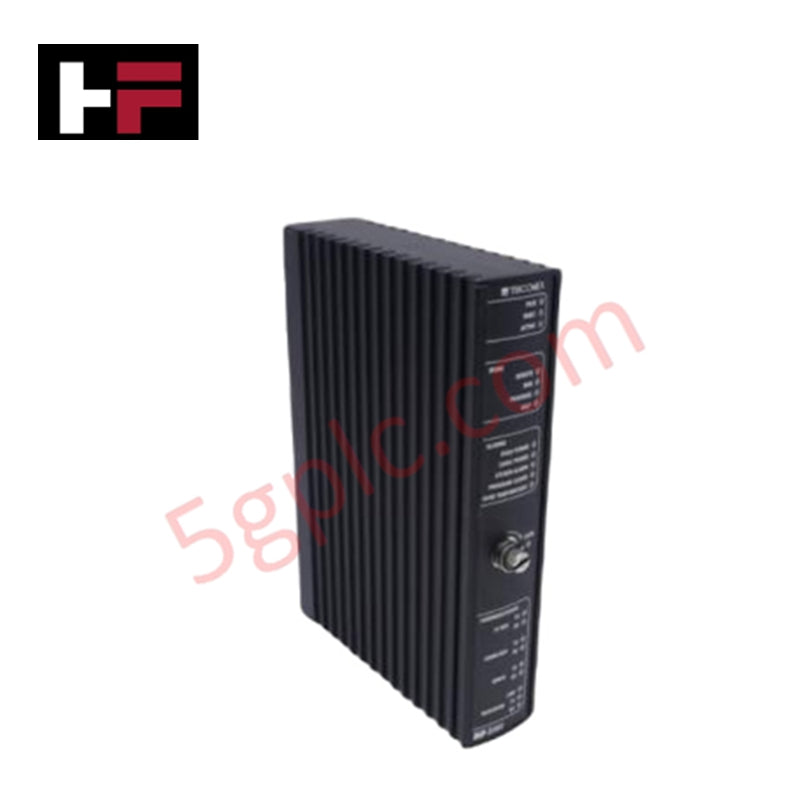
The Invensys Triconex MP3101 serves as the primary intelligence engine for the Tricon Triple Modular Redundancy (TMR) system. This Main Processor executes complex safety-critical logic, manages triplicated I/O communication, and ensures continuous system availability through hardware-based voting. It operates as the core of Emergency Shutdown (ESD) and Fire and Gas (F&G) applications, providing 2-out-of-3 (2oo3) voting to eliminate single points of failure. We supply this component as 100% Brand New and Original factory-sealed equipment.
Technical Specifications
| Feature | Specification |
| Manufacturer | Invensys Triconex (Schneider Electric) |
| Model Number | MP3101 |
| System Architecture | Triple Modular Redundancy (TMR) |
| Safety Integrity Level | SIL 3 Certified (IEC 61508) |
| Processor Type | High-speed 32-bit Microprocessor (Triplicated) |
| Logic Scan Time | Typically < 20ms (Application dependent) |
| Internal Memory | Flash (Program) & SRAM (Data) |
| Self-Diagnostics | Continuous Internal Hardware Monitoring |
| Origin | United States (US) |
| HS Code | 85389091 |
| Dimensions | 16 cm x 16 cm x 12 cm |
| Weight | 0.8 kg |
Engineering Advantages
-
Triplicated Logic Execution: The MP3101 utilizes three isolated sub-processors that simultaneously execute the control program. This architecture allows the system to identify, isolate, and out-vote a single hardware failure, maintaining uninterrupted process control in SIL 3 environments.
-
High-Speed Fault Detection: Integrated diagnostic circuits monitor the health of the internal memory and communication buses in real-time. The module detects internal discrepancies within milliseconds, triggering an immediate "Fault" status LED while the redundant processors sustain the safety loop.
-
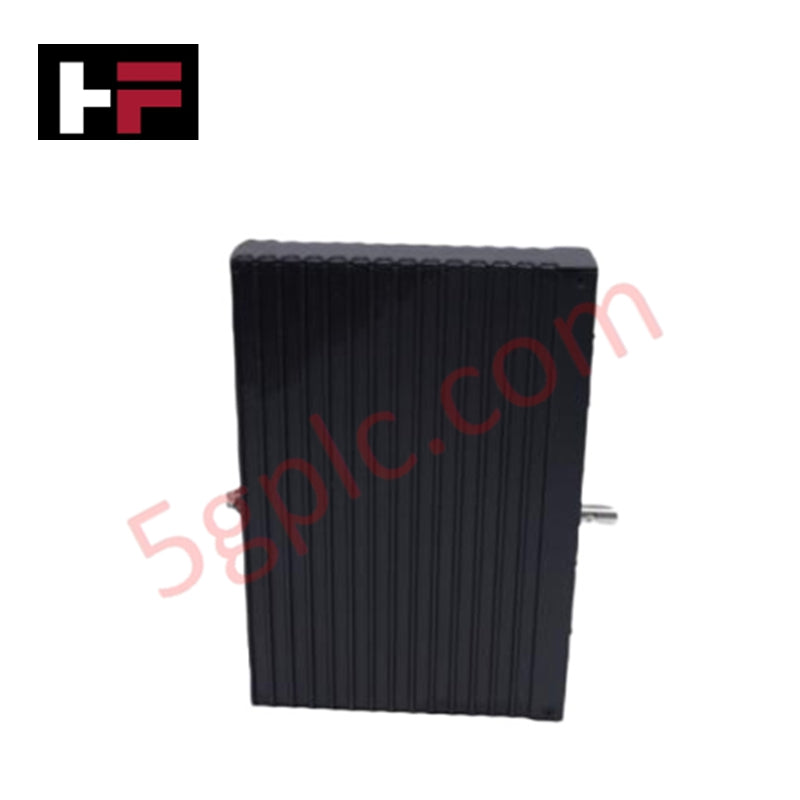
Optimal Thermal Profile: Despite its intensive processing power, the MP3101 maintains a compact 16 cm footprint with efficient passive heat dissipation. This design prevents localized overheating within the main chassis, even when operating at high logic scan rates in densely packed control cabinets.
-
Seamless Hot-Swap Maintenance: The module supports "Active" state replacement. Maintenance teams can replace a faulty main processor while the remaining two processors continue to control the process, eliminating the need for costly plant shutdowns during hardware maintenance.
FAQs
-
Does the MP3101 require specific software for configuration? Yes. You must use the TriStation 1131 developer's workbench to load, verify, and monitor the safety logic on the MP3101. This software ensures that the triplicated logic stays synchronized across all three processor paths.
-
Can the MP3101 operate in a Simplex or Dual configuration? The MP3101 functions exclusively within a TMR (Triple Modular Redundancy) framework to meet global safety standards. While the system survives a single processor failure, full safety integrity requires all three processors to be healthy and active.
-
How do I verify the module's authenticity? Every MP3101 we provide features original Invensys Triconex serial numbers and factory seals. We guarantee that all units are 100% brand new, ensuring full compliance with original equipment manufacturer (OEM) specifications and safety certifications.
Additional Information
- 100% Genuine Parts: All products are original and authentic, ensuring reliable industrial performance.
- 30-Day Refund Guarantee: Return any in-stock item within 30 days in original, unopened packaging for a full refund (excluding shipping and fees).
- 12-Month Warranty: Covers defects in materials or workmanship; excludes misuse, normal wear, or unauthorized modifications.
- Worldwide Shipping: We ship via USPS, UPS, FedEx, and DHL. Delivery times vary by country and may be subject to customs or import fees.
- Support & Contact: Technical and warranty assistance is available anytime. Contact us here: Contact.
- Purchase Guidance: Check product specifications and compatibility carefully before ordering to ensure proper application.
Tech & Buying Guide

Navigating Industrial Automation Failures: Types, Causes, and Mitigation Strategies
Modern manufacturing relies heavily on automated control systems to maximize throughput and maintain product quality. However, unplanned downtime in industrial automation can cost facility operators thousands of dollars per hour. Understanding how programmable logic controllers (PLCs), distributed control systems (DCS), and field instrumentation fail empowers engineering teams to implement robust preventive maintenance strategies.
Essential Motion Control Commands: A Practical Guide for Engineers
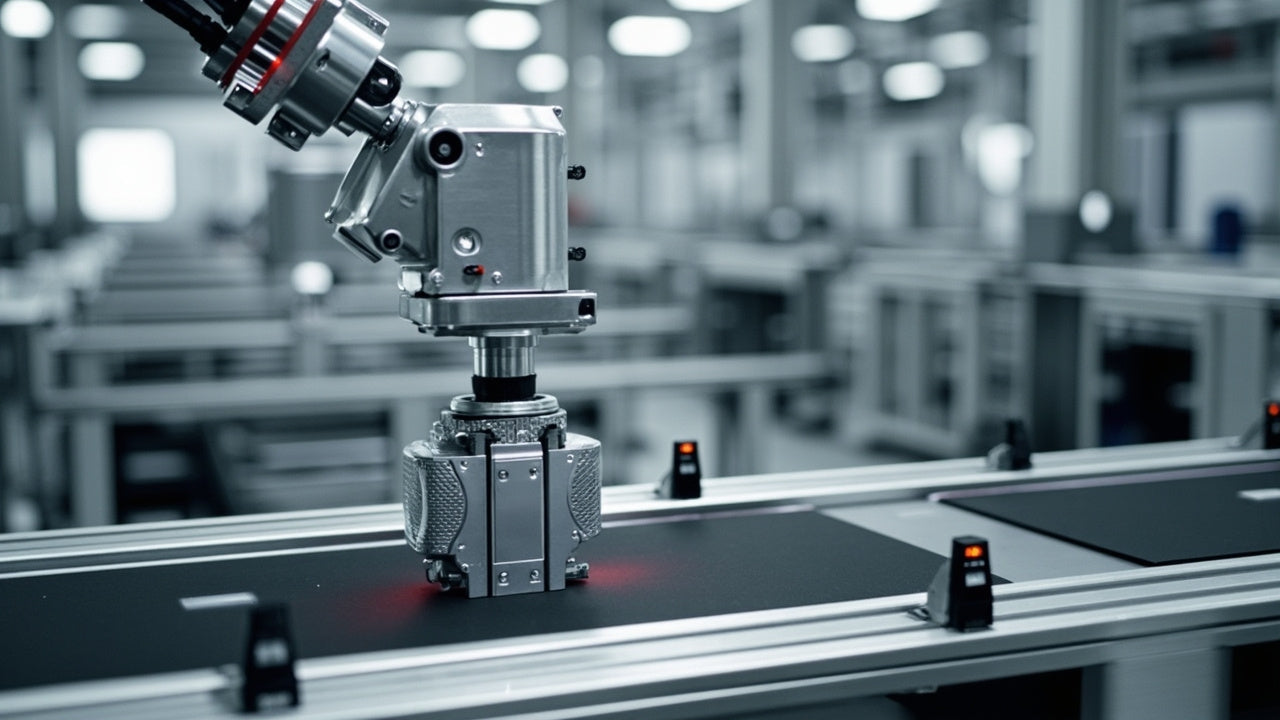
Automation engineers often rely on precise position and speed control to drive modern factory machinery. Modern industrial systems, such as Programmable Logic Controllers (PLCs) and Distributed Control Systems (DCS), depend heavily on standardized motion instructions. Mastering these commands ensures operational safety, protects mechanical components, and optimizes cycle times across production lines.

The Role of Intrinsic Safety Barriers in PLC and DCS Architectures
Implementing robust protection in hazardous industrial environments represents a fundamental safety requirement in factory automation. Process facilities often handle volatile gases, dusts, and chemical agents that pose significant combustion risks. Consequently, control system engineers must deploy energy-limiting interfaces to isolate safe-area control cabinets from hazardous-area field instrumentation. This article examines the function, selection, and electrical principles of intrinsic safety barriers within modern PLC and DCS networks.