










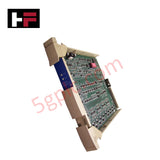
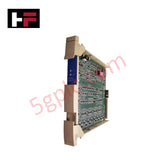
Product Details
Product Overview
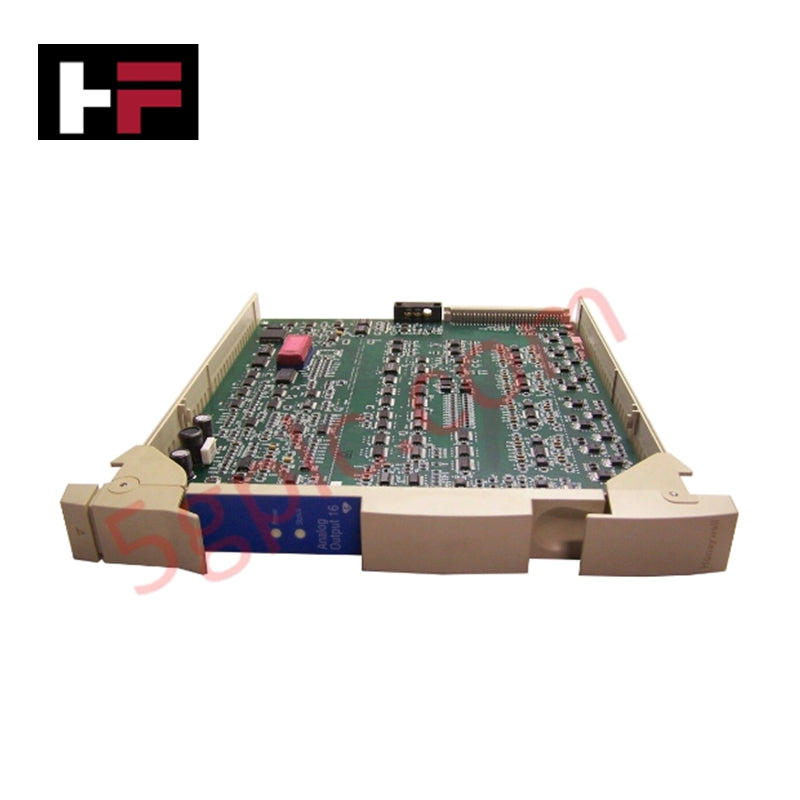
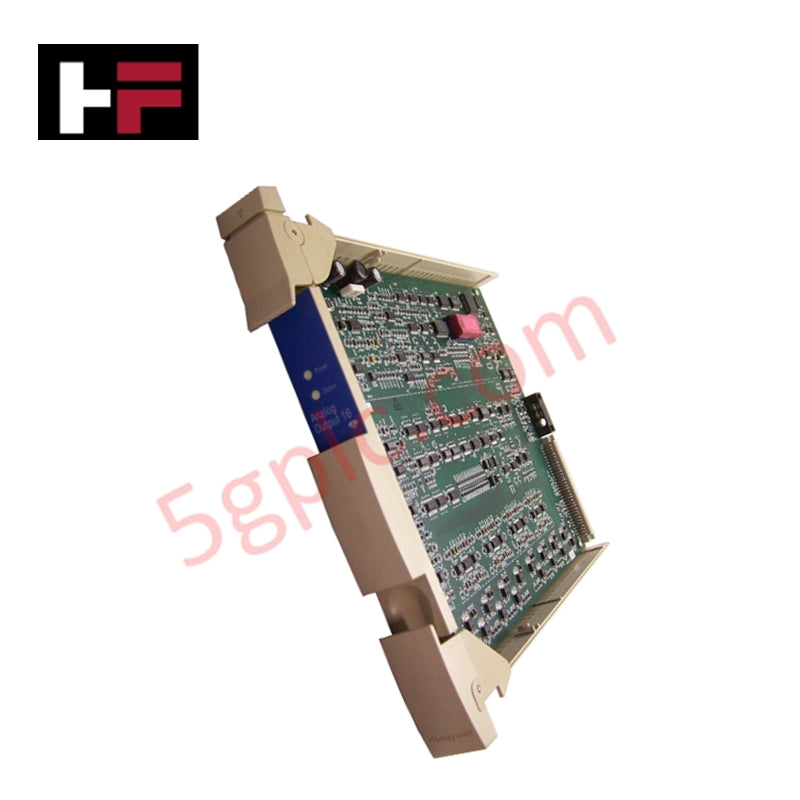
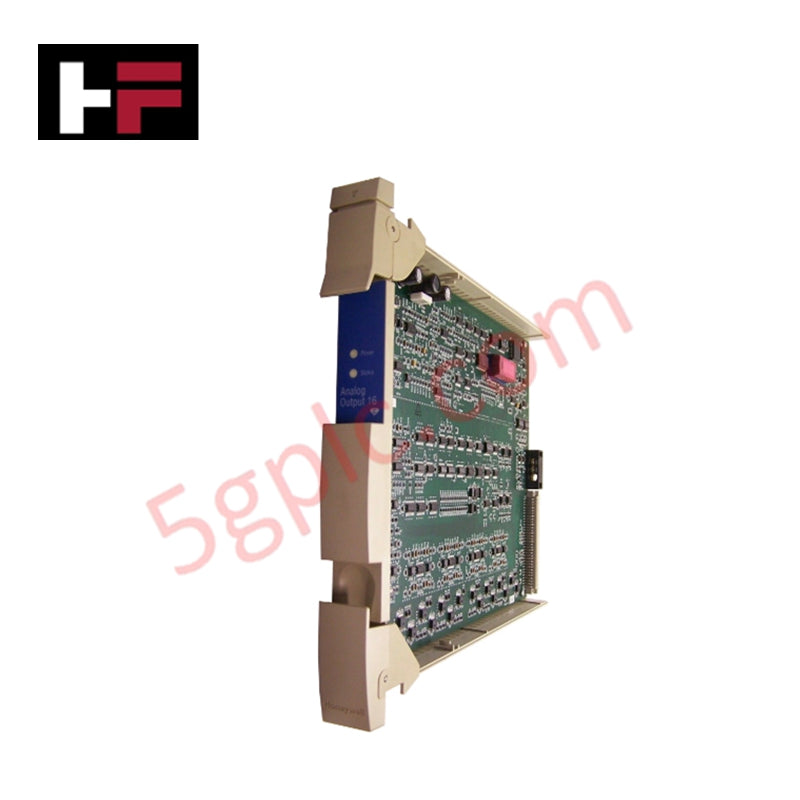
The Honeywell MC-PAOY22 serves as a high-precision interface between your control system and field instrumentation. This module converts digital commands into stable 4–20 mA analog signals to drive actuators, positioners, and control valves. Designed for seamless integration with Honeywell Experion PKS and legacy TDC 3000 platforms, it maintains process integrity in high-density I/O environments. We provide this unit as 100% Brand New and Original, ensuring maximum MTBF (Mean Time Between Failure) for your critical control loops.
Technical Specifications
| Parameter | Specification Details |
| Model Number | MC-PAOY22 |
| Part Numbers | 80363969-150 / 80364453-100 |
| Output Channels | 16 Isolated Analog Outputs |
| Signal Range | 4–20 mA |
| Operating Temp | 0°C to 60°C (32°F to 140°F) |
| Storage Temp | -40°C to 85°C |
| Compatibility | Experion PKS, TDC 3000, High-Performance Process Managers (HPM) |
Engineering Advantages
-
Eliminate Signal Drift: The MC-PAOY22 utilizes advanced digital-to-analog conversion hardware to prevent signal fluctuation. This ensures that a 50% command from the controller translates exactly to 12mA at the valve, preventing hunting and mechanical wear.
-
High-Density Integration: With 16 isolated channels in a single footprint, this module reduces cabinet space requirements and simplifies wiring architecture in large-scale petrochemical or refining facilities.
-
Legacy System Continuity: This module allows plants running older TDC platforms to maintain their infrastructure without a total system overhaul, providing a direct bridge to modern process reliability.
-
Thermal Resilience: While many I/O modules fail under heat stress, the MC-PAOY22 handles ambient temperatures up to 60°C. This makes it ideal for installation in remote instrument buildings (RIB) located near high-heat process areas like boilers or turbines.
FAQs
-
Does this module come in original factory packaging?
Yes. We supply the MC-PAOY22 in 100% Brand New, original Honeywell packaging with intact factory seals to guarantee authenticity and performance.
-
Can the MC-PAOY22 replace older versions of Honeywell AO modules?
The MC-PAOY22 (80363969-150) typically replaces or complements existing 16-channel analog output cards in HPM and Experion environments. Always verify your specific file set and I/O processor firmware compatibility before hot-swapping.
-
How does the module handle signal isolation?
The module features channel-to-channel isolation. This design prevents ground loops and ensures that an electrical fault or "noise" on one field device does not propagate to other channels or damage the main controller backplane.
-
What is the primary maintenance requirement?
The MC-PAOY22 requires zero routine calibration. However, engineers should perform periodic visual inspections of the terminal blocks to ensure vibration has not loosened the field wiring connections.
Additional Information
- 100% Genuine Parts: All products are original and authentic, ensuring reliable industrial performance.
- 30-Day Refund Guarantee: Return any in-stock item within 30 days in original, unopened packaging for a full refund (excluding shipping and fees).
- 12-Month Warranty: Covers defects in materials or workmanship; excludes misuse, normal wear, or unauthorized modifications.
- Worldwide Shipping: We ship via USPS, UPS, FedEx, and DHL. Delivery times vary by country and may be subject to customs or import fees.
- Support & Contact: Technical and warranty assistance is available anytime. Contact us here: Contact.
- Purchase Guidance: Check product specifications and compatibility carefully before ordering to ensure proper application.




Tech & Buying Guide

Demystifying Open Platform Communication (OPC): The Backbone of Industrial Interoperability
Interoperability remains a cornerstone requirement for modern smart factories and process automation. Open Platform Communication (OPC) bridges the gap between disparate hardware platforms, control systems, and visualization software. By establishing a universal communication standard, OPC allows field controllers, SCADA platforms, and enterprise software from different vendors to exchange real-time data seamlessly.

Understanding Siemens PLC Memory Cards: MMC, SMC, and SD Solutions in Industrial Automation
Memory management plays a pivotal role in maintaining control system reliability across modern manufacturing plants. Industrial control systems rely on specialized memory cards to store project logic, firmware updates, and retentive system data. Siemens uses several memory architectures, including Micro Memory Cards (MMC) and SIMATIC Memory Cards (SMC). Engineers must understand these hardware variations to ensure zero data loss and minimize downtime during maintenance routines.

Redefining Control Systems: The Rise of Flexible I/O Modules in Industrial Automation
Conventional input-output architectures often limit engineering agility and inflate long-term inventory costs. Today, Flexible Input/Output Modules (FIOM) are transforming how control system engineers design, commission, and maintain automation infrastructure. By allowing individual channel software configuration, FIOM technology bridges the gap between rigid hardware design and dynamic plant requirements.