










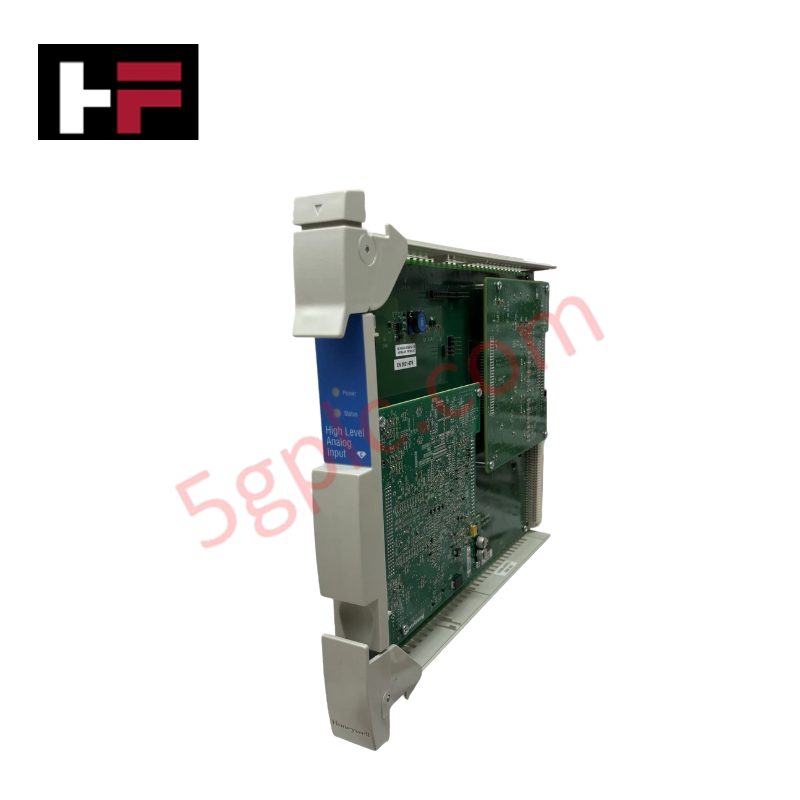
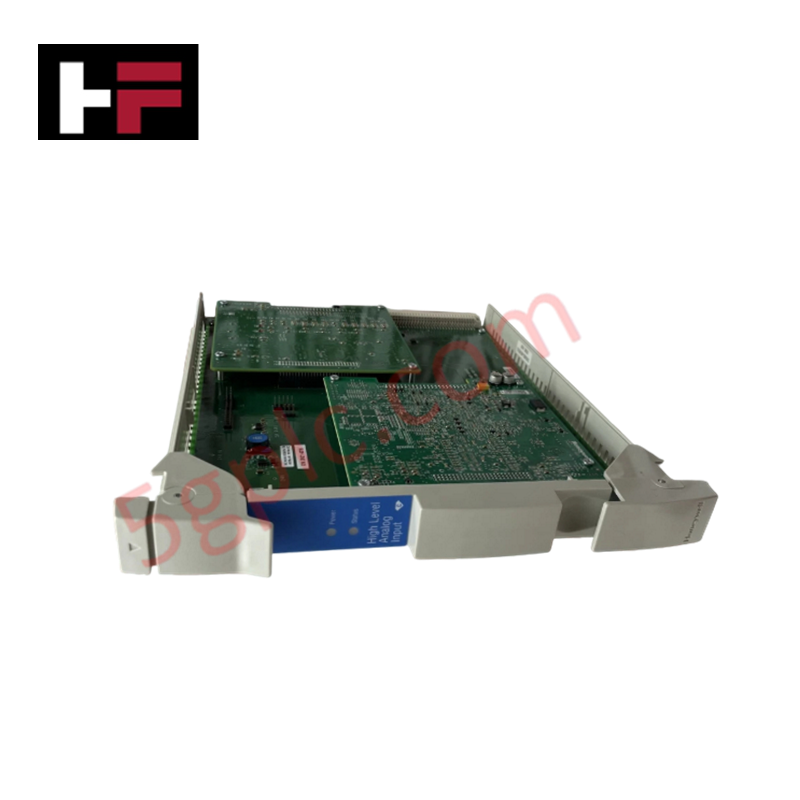


Product Details
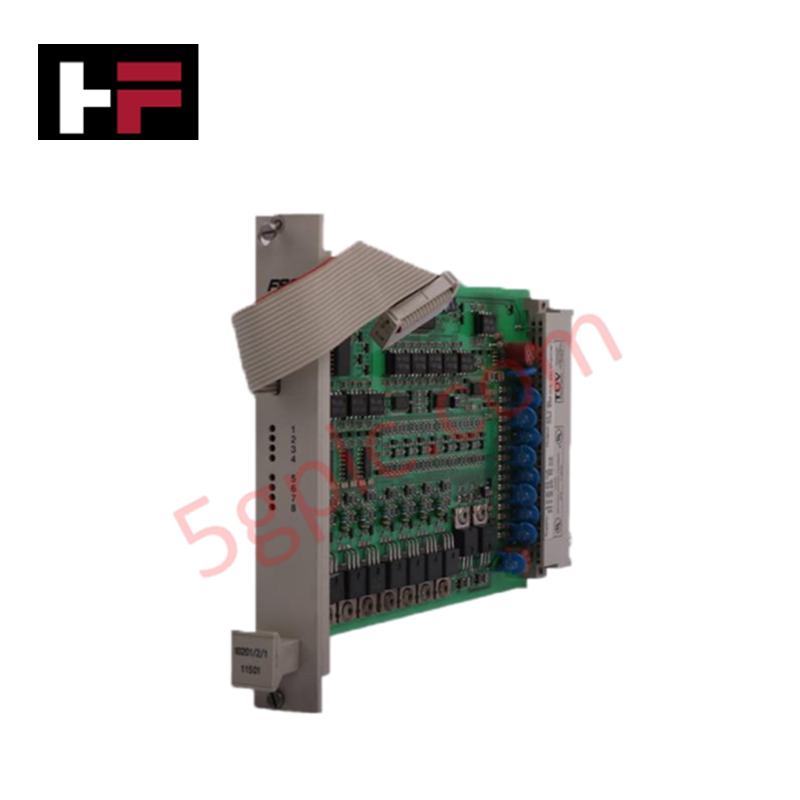
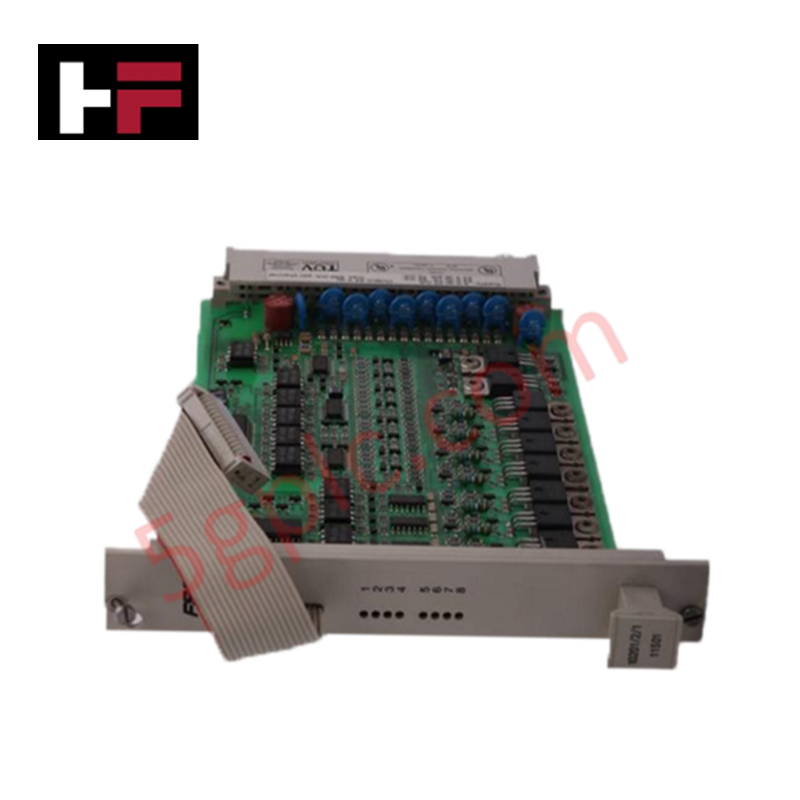
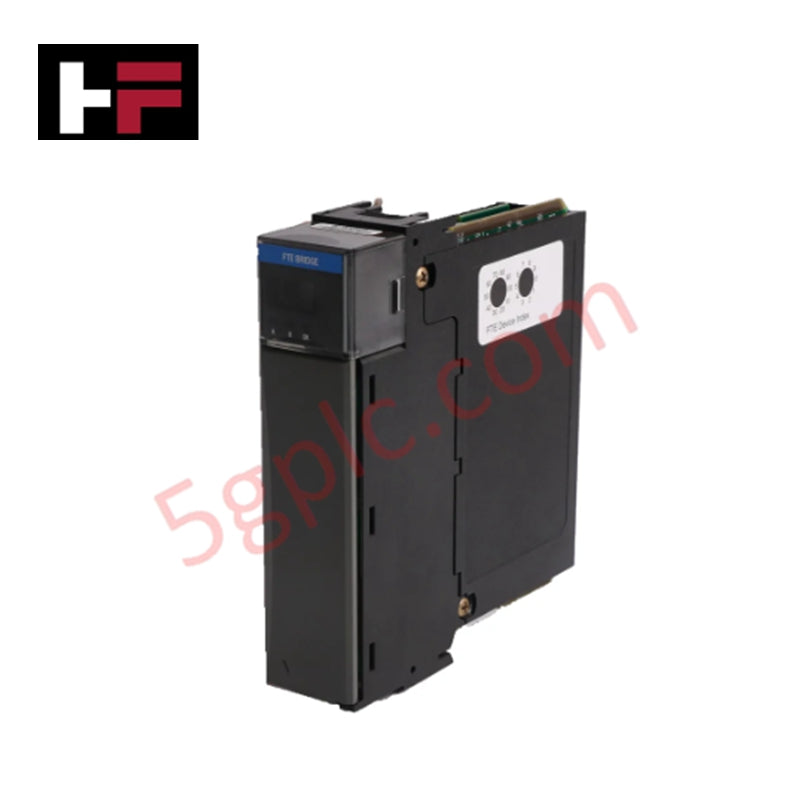
The Honeywell 51307687-176, also cataloged as the 51307687-176 High-Level Analog Input Board, operates as a dedicated hardware component for high-level analog signal conditioning and data acquisition within Honeywell Distributed Control System platforms.
Hardware Specifications
| Parameter | Specification |
|---|---|
| Model | 51307687-176 |
| Brand | Honeywell |
| Origin | USA |
| Weight | 0.1 kg |
| Dimensions | 2.2 cm x 12.4 cm x 12.6 cm |
| Operating Temp | 0 to 60 deg C |
| Power Consumption | Passive/System backplane powered |
| Input Signal Type | High-level analog input signals |
| Associated Assembly | 51308360-106 Motherboard interface |
Channel-to-Channel Isolation & Signal Conditioning
The high-level analog input board conditions incoming process variable signals through integrated low-pass filtering and passive suppression networks. Channel-to-channel isolation prevents ground loop currents and transient voltage spikes from causing signal skew or backplane disruption. Designed to mate directly with the 51308360-106 motherboard, the board routes differential voltage signals directly to the A/D conversion circuit while maintaining precise loop calibration and minimal drift.
Frequently Asked Questions
Q: What is the primary function of the 51307687-176 board assembly?
A: The board serves as a high-level analog input processing card designed to interface analog field instruments with the system backplane via the 51308360-106 motherboard.
Q: How is physical electrical ground established for this input module?
A: Frame grounding and signal reference earth are established automatically through the gold-plated edge contacts when fully seated into the mating 51308360-106 motherboard connector.
Field Installation Guidelines
- Power down the rack slot or follow site-specific hot-swap safety protocols prior to insertion into the motherboard interface.
- Align the board edges with the card guides of the 51308360-106 motherboard assembly.
- Apply firm, even pressure to seat the edge connectors into the backplane socket until fully engaged.
- Verify that field signal cable shields are properly grounded at the cabinet entry point to prevent common-mode electrical noise.
- Inspect surrounding card slots to ensure unobstructed airflow for passive thermal dissipation across the component surface.
Additional Information
- 100% Genuine Parts: All products are original and authentic, ensuring reliable industrial performance.
- 30-Day Refund Guarantee: Return any in-stock item within 30 days in original, unopened packaging for a full refund (excluding shipping and fees).
- 12-Month Warranty: Covers defects in materials or workmanship; excludes misuse, normal wear, or unauthorized modifications.
- Worldwide Shipping: We ship via USPS, UPS, FedEx, and DHL. Delivery times vary by country and may be subject to customs or import fees.
- Support & Contact: Technical and warranty assistance is available anytime. Contact us here: Contact.
- Purchase Guidance: Check product specifications and compatibility carefully before ordering to ensure proper application.


Tech & Buying Guide

Understanding Marshalling Cabinets in Industrial Automation and Control Systems
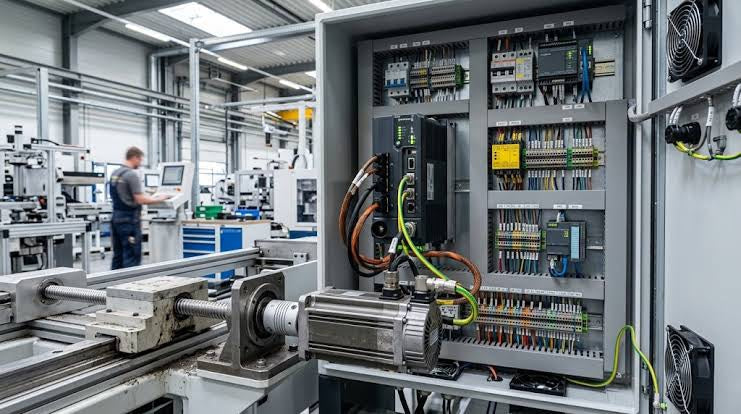
Marshalling cabinets serve as the crucial connection hub between field instruments and centralized processing units. In large DCS and PLC control system architectures, hundreds of multipair field cables run from local junction boxes to the central instrument equipment room. The marshalling cabinet houses field terminal blocks, surge arresters, intrinsic safety isolation barriers, and interposing relays. By segregating field field-wiring terminations from sensitive processor hardware, engineers protect expensive controller backplanes from high-voltage transients. Consequently, this modular separation dramatically streamlines maintenance workflows and simplifies system expansion.

Essential Best Practices for PLC Wiring and Installation in Industrial Automation
Successful control system deployment begins with thoroughly reviewing manufacturer technical documentation. Controllers from major brands like Allen-Bradley, Siemens, and Schneider Electric feature unique terminal layouts. Engineers must verify voltage requirements before connecting power cables to prevent catastrophic equipment damage. Standard line connections require strict adherence to regional electrical codes and proper wire color coding. Furthermore, panel builders should always establish a robust low-impedance ground connection using at least 16-AWG copper conductor tied directly to the main plant grounding grid.
Demystifying Programmable Logic Controllers: Comprehensive Guide to PLC Classification and Selection in Industrial Automation
Modern industrial automation heavily relies on Programmable Logic Controllers (PLCs) to drive factory floor efficiency. Over my 15 years as an industrial automation expert working with DCS, TSI, and control systems, I have seen PLCs evolve into the central nervous system of modern manufacturing. Selecting the right controller requires a deep understanding of PLC types based on physical size, hardware architecture, and power supply configurations.