










Product Details
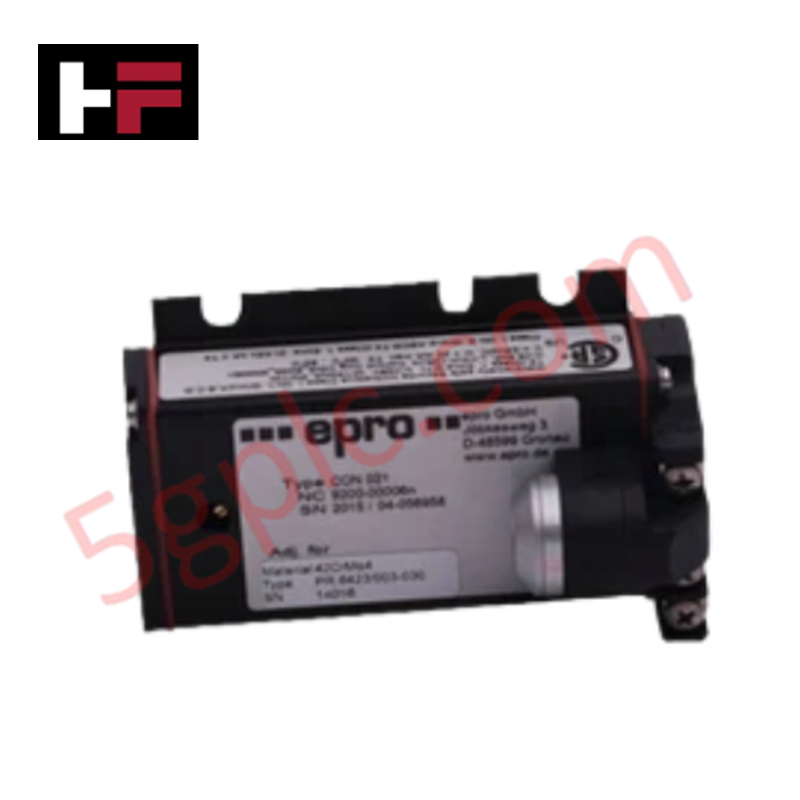
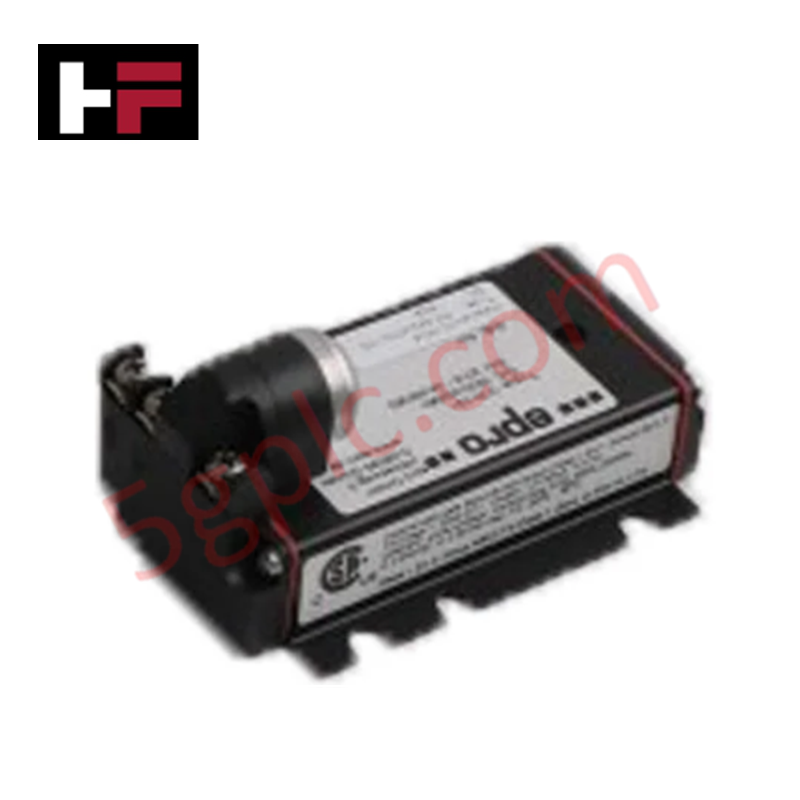
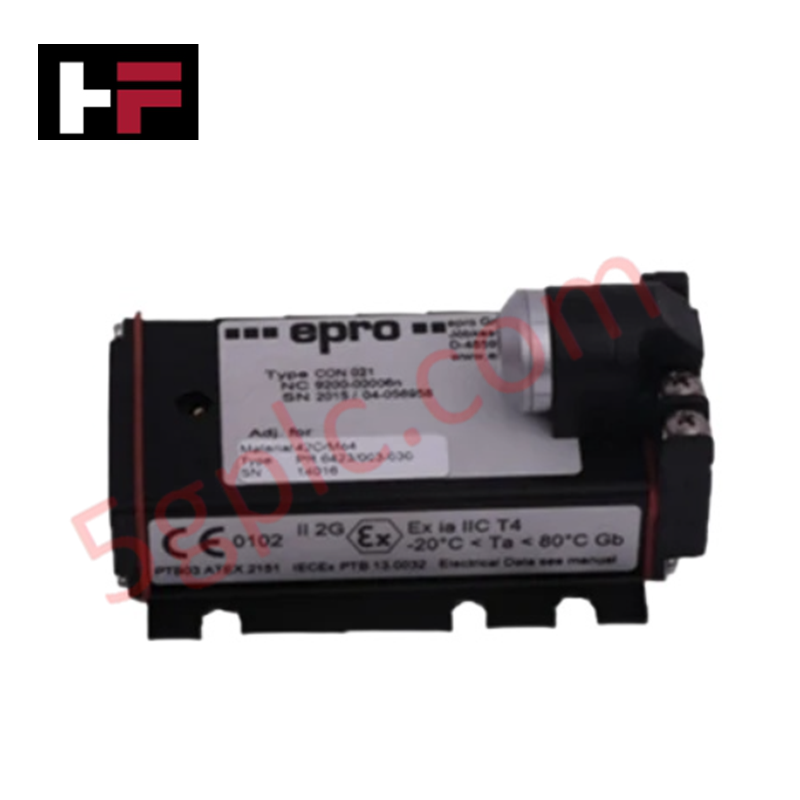
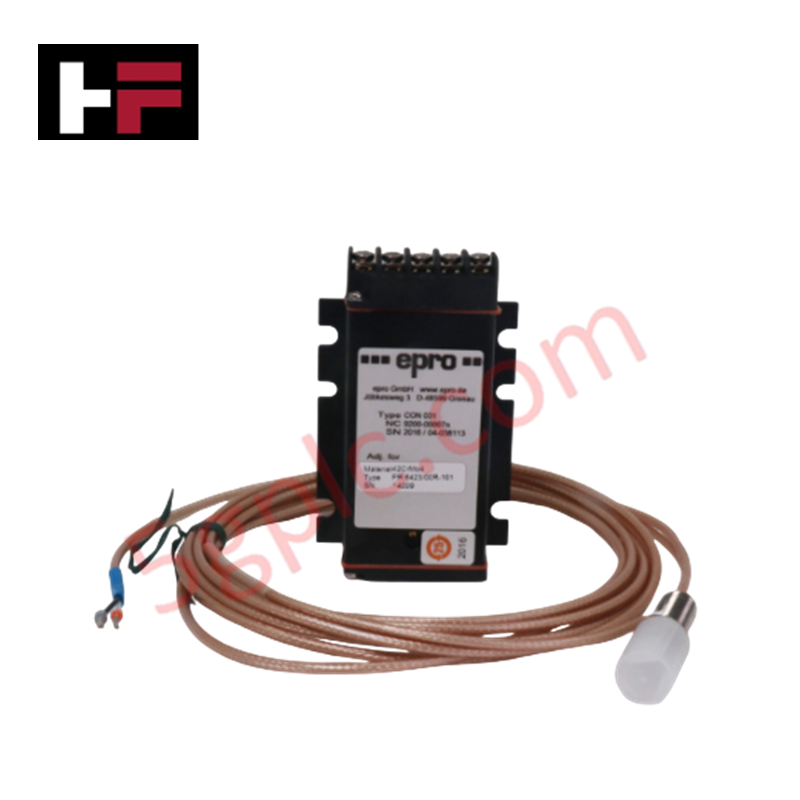
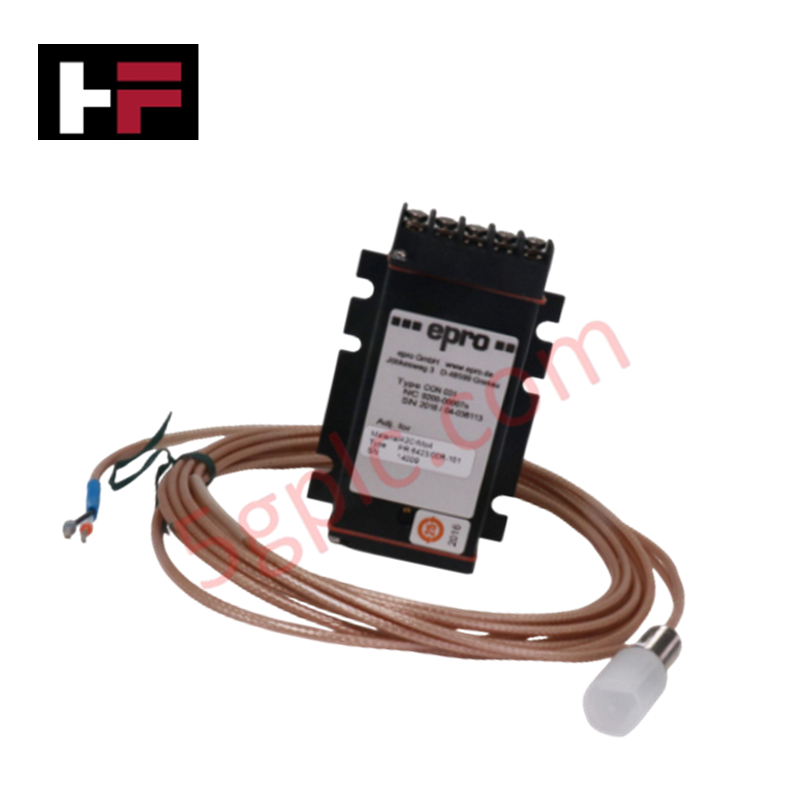
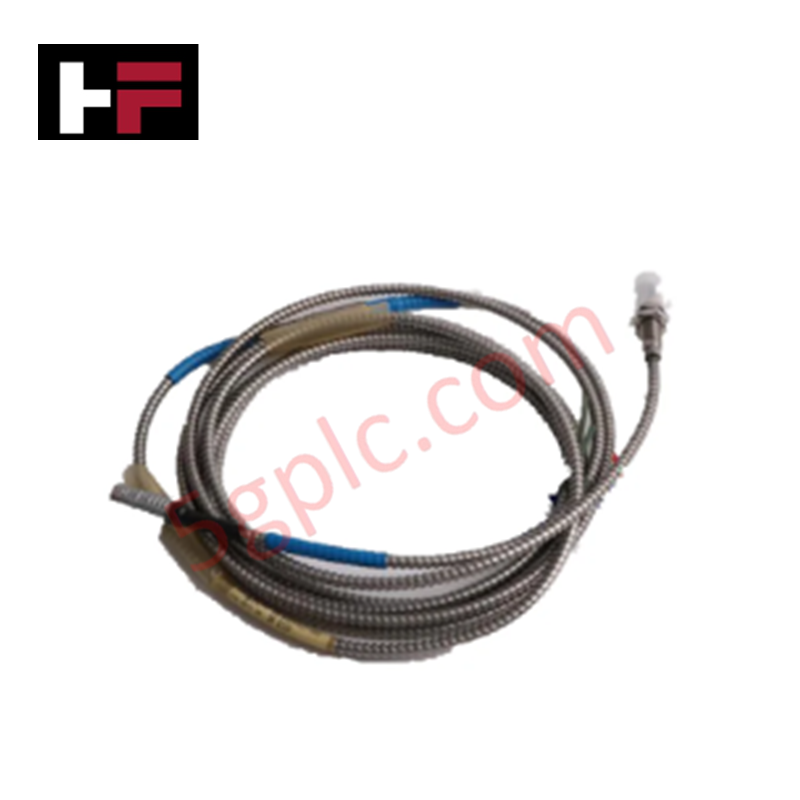
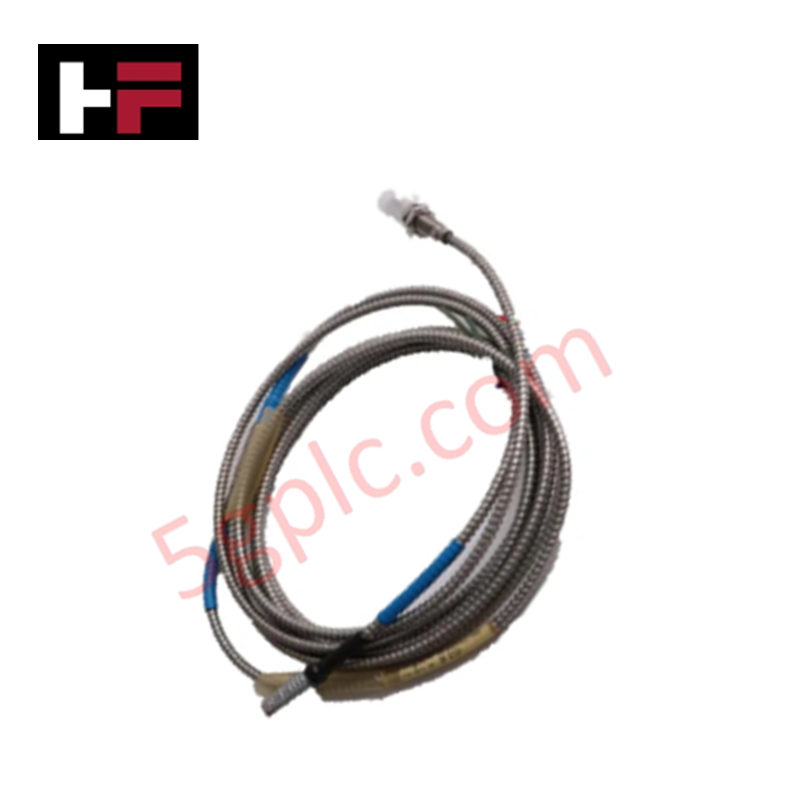
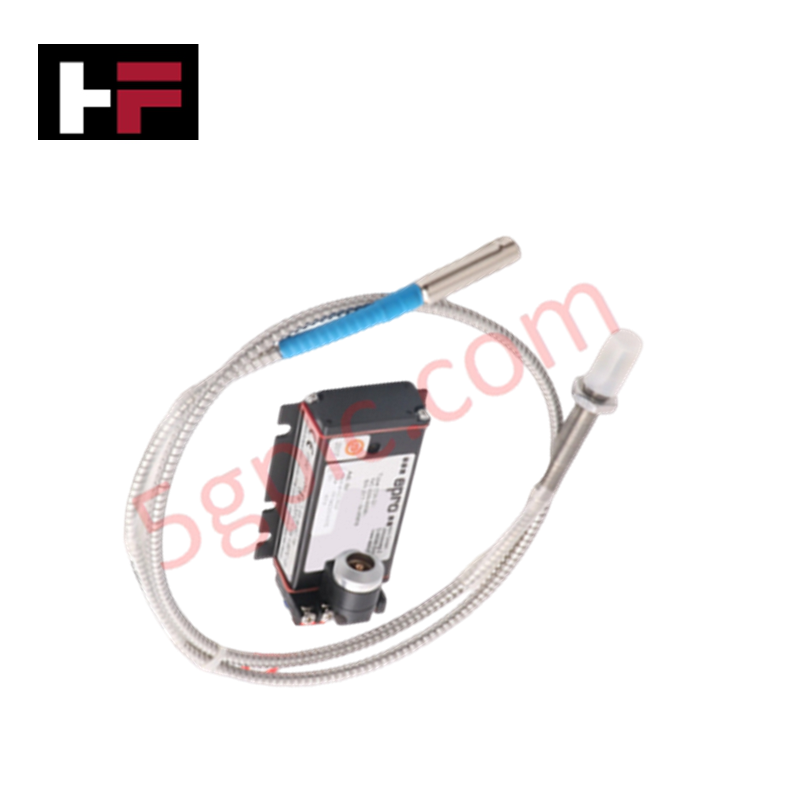
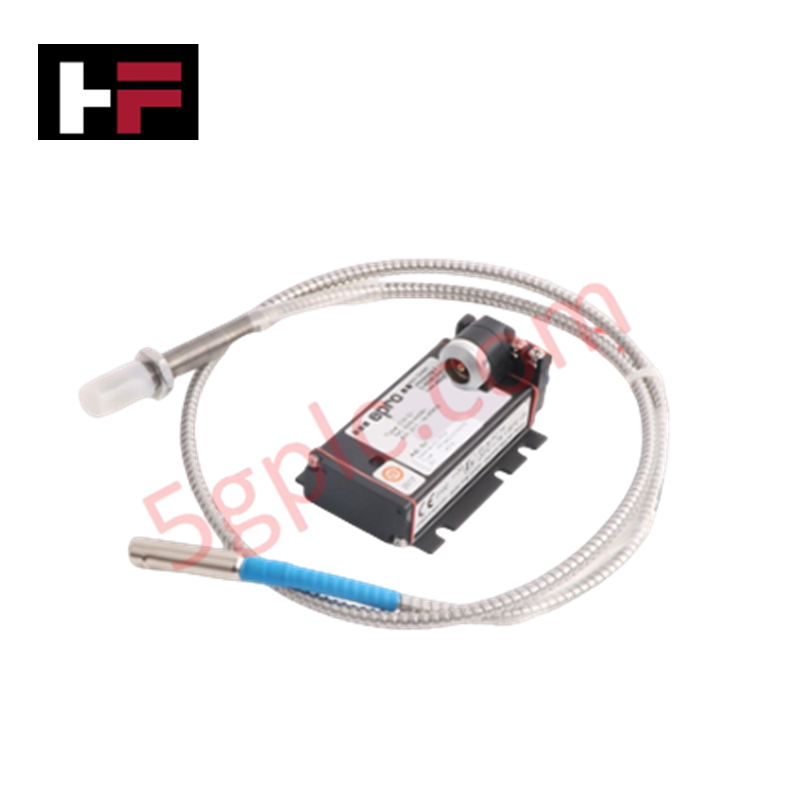
Configured for high-frequency vibration signal conditioning in turbomachinery monitoring systems, the EPRO CON021/916-200 (CON021/916-200) Eddy Current Signal Converter provides direct physical/electrical execution.
Hardware Specifications
| Parameter | Specification |
|---|---|
| Model | CON021/916-200 |
| Brand | EPRO |
| Origin | Germany |
| Weight | 0.12 kg |
| Dimensions | Standard LMgSi 0.5 F22 housing |
| Operating Temp | -30 deg C to +100 deg C |
| Power Consumption | Dependent on input voltage -23 VDC to -32 VDC |
| Measuring Range | 20.0 mm (Extended) |
| Frequency Range | 0 Hz to 20000 Hz |
| Output Range | -4 VDC to -20 VDC |
Gap Voltage Validation (-10 VDC targets)
The CON021/916-200 utilizes a high-frequency oscillator to drive the PR6426 transducer probe. To ensure accurate linearization over the 20.0 mm measuring range, the system necessitates precise gap voltage validation. The converter centers its output characteristic around a nominal target of -10 VDC, which represents the mid-point of the physical measurement gap. Maintenance of this -10 VDC baseline is mandatory during static commissioning; significant deviations indicate mechanical misalignment, transducer saturation, or degradation of the conductive target surface.
Frequently Asked Questions
Q: Is the CON021/916-200 compatible with standard PR6424 probes?
A: No. This converter is specifically calibrated for the PR6426 extended range transducer. Mismatched probe/converter pairs will result in non-linear signal response and increased measurement error beyond the 2.5% specification.
Q: What are the installation requirements for the IP20 housing?
A: The IP20 protection class mandates installation within a secondary protective enclosure or control cabinet to prevent exposure to moisture, oil mist, or conductive metallic dust common in turbomachinery environments.
Field Installation Guidelines
- Mount the converter housing using four M5x20 screws onto a rigid, grounded surface to ensure structural integrity and chassis bonding.
- Terminate the supply and output wiring using high-quality wire-end sleeves on the screw terminals, ensuring no stray strands exist that could cause short-circuits.
- Verify the -23 VDC to -32 VDC power supply polarity before applying voltage, as incorrect polarity will damage the internal oscillator stage.
- Utilize shielded, twisted-pair cabling for the output signal, terminating the shield exclusively at the monitoring system (DCS/TSI) input to prevent ground-loop injection of 50/60 Hz noise.
- Inspect the transducer Lemo-plug connection to confirm the self-locking mechanism is fully engaged and free of surface oxidation.
Additional Information
- 100% Genuine Parts: All products are original and authentic, ensuring reliable industrial performance.
- 30-Day Refund Guarantee: Return any in-stock item within 30 days in original, unopened packaging for a full refund (excluding shipping and fees).
- 12-Month Warranty: Covers defects in materials or workmanship; excludes misuse, normal wear, or unauthorized modifications.
- Worldwide Shipping: We ship via USPS, UPS, FedEx, and DHL. Delivery times vary by country and may be subject to customs or import fees.
- Support & Contact: Technical and warranty assistance is available anytime. Contact us here: Contact.
- Purchase Guidance: Check product specifications and compatibility carefully before ordering to ensure proper application.




Tech & Buying Guide

Top 5 Operational Advantages of HMIs in Modern Factory Automation

Importance of Safety Barriers in PLC and DCS Control Systems
