










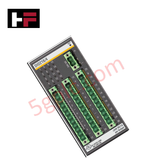
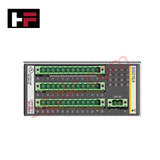
Product Details
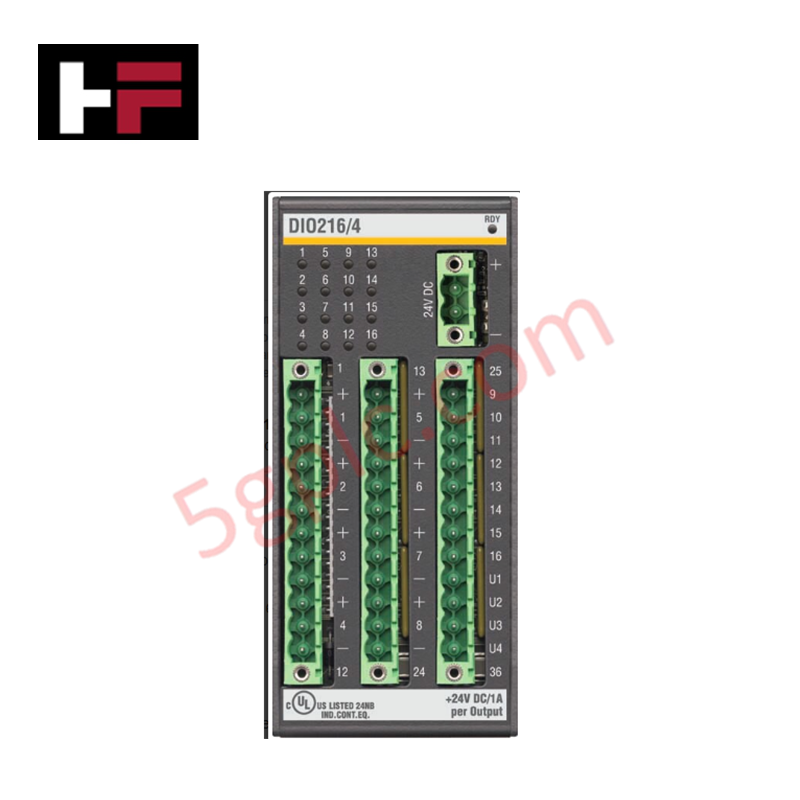
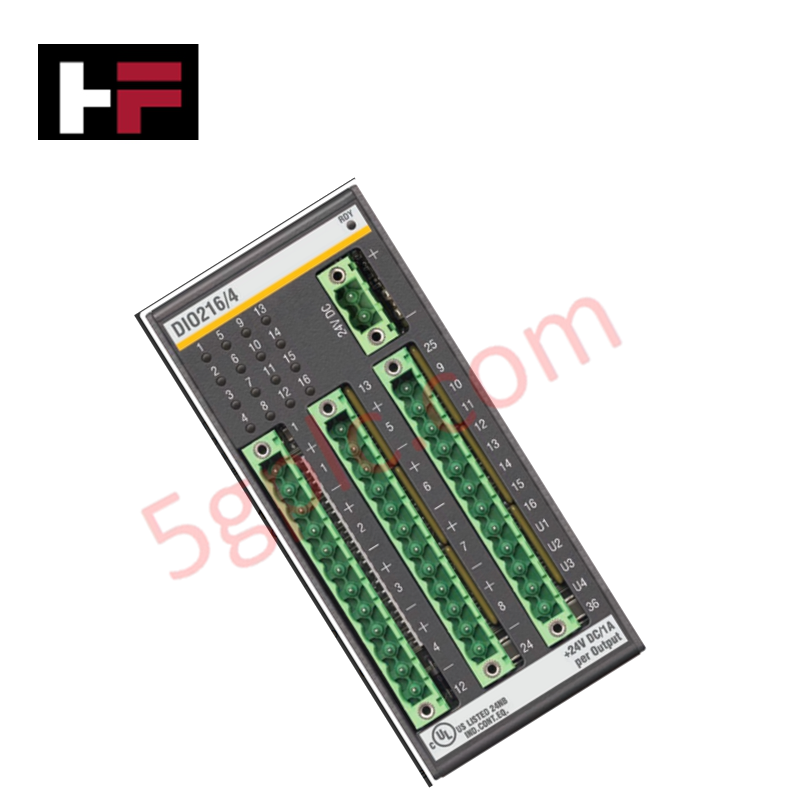
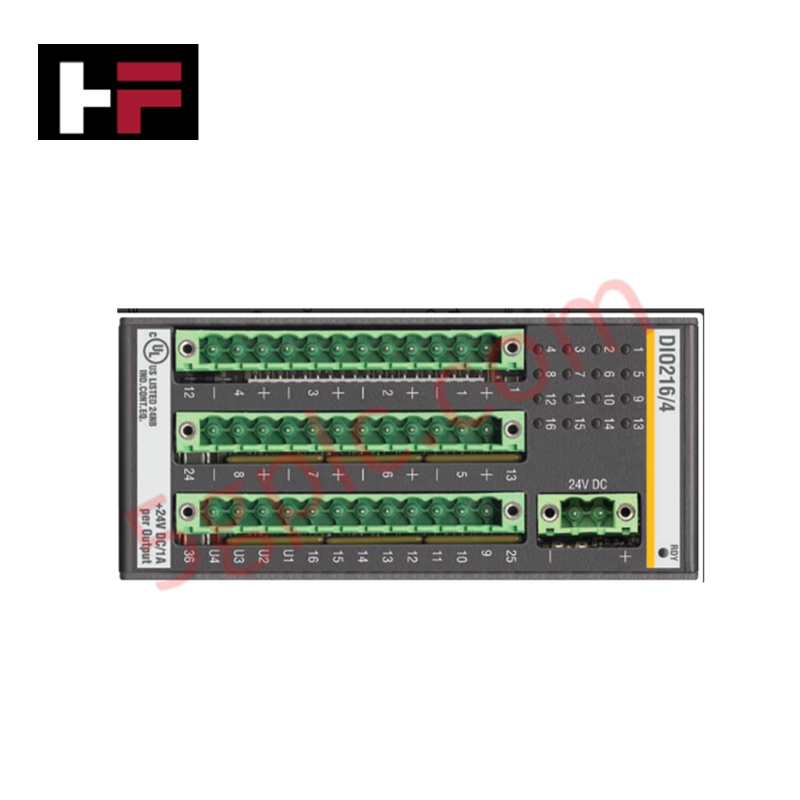
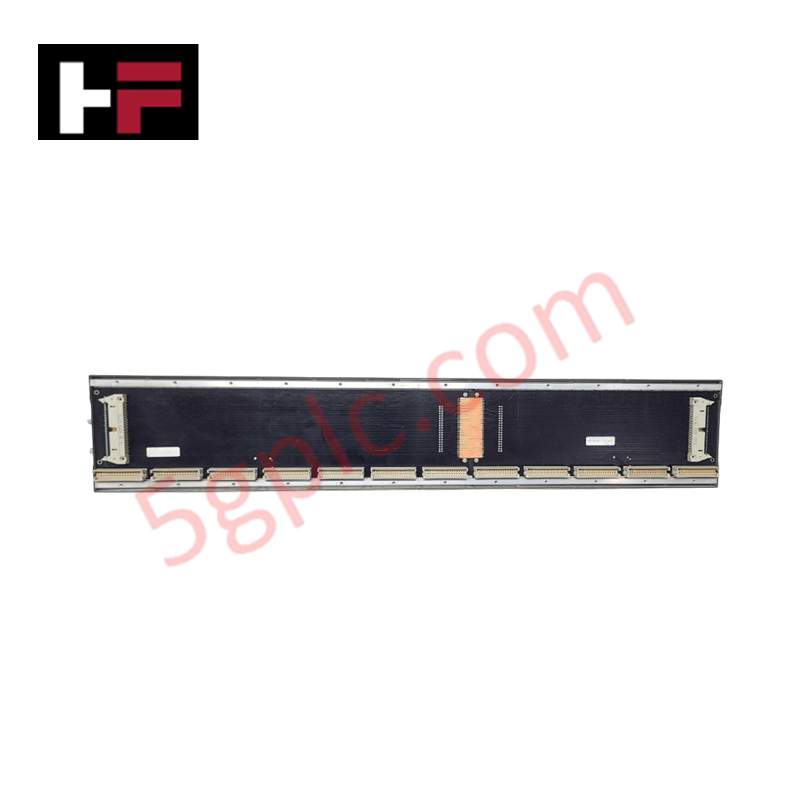
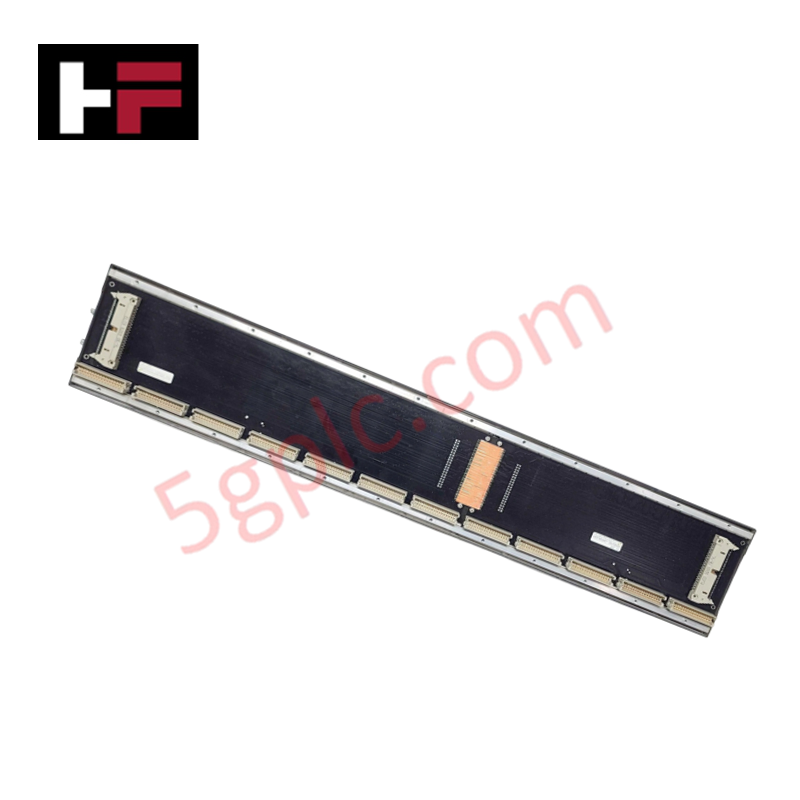
Configured for discrete signal processing in modular control platforms, the Bachmann DIO216/4 (DIO216/4 Digital I/O Module) provides direct electrical execution for 16 configurable digital channels.
Hardware Specifications
| Parameter | Specification |
|---|---|
| Model | DIO216/4 |
| Brand | Bachmann |
| Origin | Austria |
| Dimensions | Standard Bachmann module enclosure |
| I/O Channels | 16 (4 groups of 4) |
| Input Voltage (High) | 15 VDC to 34 VDC |
| Input Voltage (Low) | 0 VDC to 5 VDC |
| Max Output Current | 1 A per channel / 16 A total |
| Input Delay | 600 us |
Profinet / EtherNet/IP Deterministic Networks
The DIO216/4 integrates into Bachmann controller systems to facilitate high-speed, deterministic data exchange. The module supports cycle-time-consistent communication, ensuring that digital state transitions are synchronized with the PLC scan cycle. To optimize deterministic performance in networked environments, users must configure the appropriate firmware flash compatibility settings to ensure the module recognizes the backplane bus communication velocity correctly. Channel grouping into four distinct sets allows for localized common-point wiring, while the inclusion of an interrupt-capable channel enables time-critical event triggering without relying on standard polling latencies.
Frequently Asked Questions
Q: Is the DIO216/4 capable of hot-swapping during system operation?
A: Module replacement procedures must adhere to the specific Bachmann system documentation regarding power-on status and backplane communication integrity. Verify if the specific backplane configuration supports hot-insertion without inducing bus errors.
Q: How should the internal resistance be accounted for in signal wiring?
A: The internal resistance of 6.8 kOhm influences the current draw on the input signal source. Ensure that the external field device output impedance is sufficient to drive the logic levels within the specified 15 VDC to 34 VDC range.
Field Installation Guidelines
- Ensure the module is properly seated in the designated rack slot to establish a secure connection with the backplane bus.
- Utilize shielded cabling for signal runs exceeding 3 metres to prevent electromagnetic interference from affecting the 600 us response time.
- Verify that the common ground for input and output groups is consistent with the system power supply to prevent ground potential differences.
- When wiring inductive loads to the outputs, ensure external flyback diodes are installed to suppress voltage spikes and protect the output transistors.
- Monitor the channel-specific green LED status indicators during initial commissioning to confirm proper signal state detection and output activation.
Additional Information
- 100% Genuine Parts: All products are original and authentic, ensuring reliable industrial performance.
- 30-Day Refund Guarantee: Return any in-stock item within 30 days in original, unopened packaging for a full refund (excluding shipping and fees).
- 12-Month Warranty: Covers defects in materials or workmanship; excludes misuse, normal wear, or unauthorized modifications.
- Worldwide Shipping: We ship via USPS, UPS, FedEx, and DHL. Delivery times vary by country and may be subject to customs or import fees.
- Support & Contact: Technical and warranty assistance is available anytime. Contact us here: Contact.
- Purchase Guidance: Check product specifications and compatibility carefully before ordering to ensure proper application.
Tech & Buying Guide

Understanding Siemens PLC Memory Cards: MMC, SMC, and SD Solutions in Industrial Automation
Memory management plays a pivotal role in maintaining control system reliability across modern manufacturing plants. Industrial control systems rely on specialized memory cards to store project logic, firmware updates, and retentive system data. Siemens uses several memory architectures, including Micro Memory Cards (MMC) and SIMATIC Memory Cards (SMC). Engineers must understand these hardware variations to ensure zero data loss and minimize downtime during maintenance routines.

Redefining Control Systems: The Rise of Flexible I/O Modules in Industrial Automation
Conventional input-output architectures often limit engineering agility and inflate long-term inventory costs. Today, Flexible Input/Output Modules (FIOM) are transforming how control system engineers design, commission, and maintain automation infrastructure. By allowing individual channel software configuration, FIOM technology bridges the gap between rigid hardware design and dynamic plant requirements.
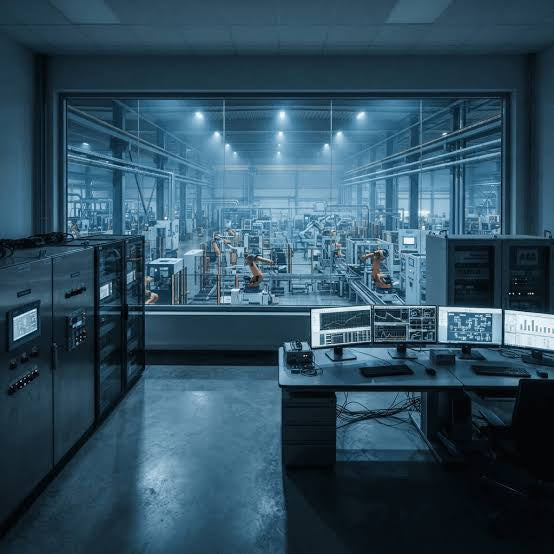
Understanding Modern SCADA Systems: Architecture, Communication Topologies, and Industrial Applications
Supervisory Control and Data Acquisition (SCADA) systems form the digital backbone of modern industrial automation. They collect critical field data, transmit signals across vast distances, and empower plant operators with real-time process visibility. Across modern infrastructures, SCADA solutions streamline centralized control and maintain continuous operational uptime.