










Product Details
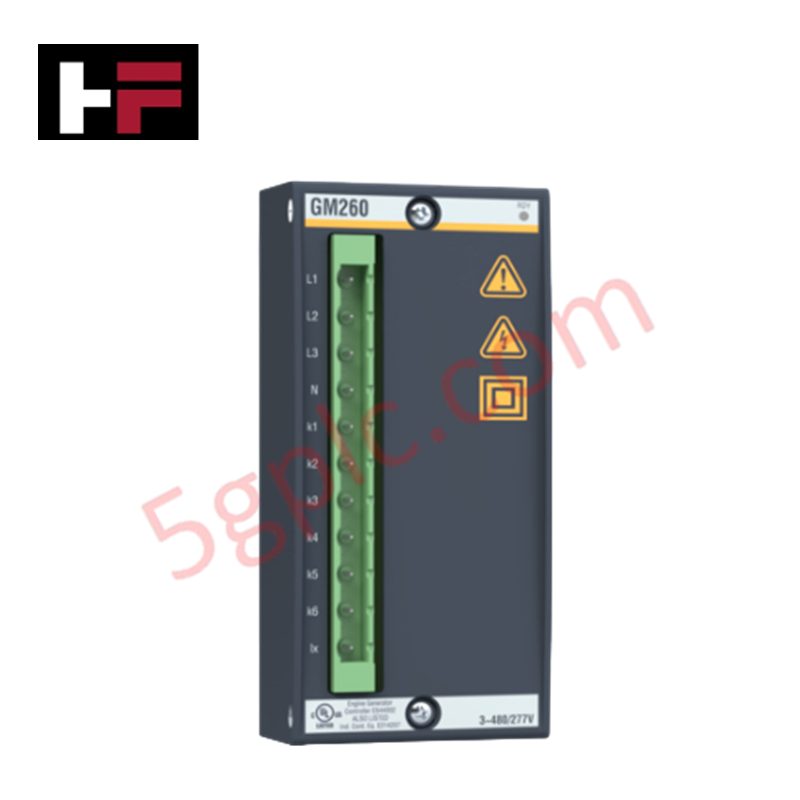
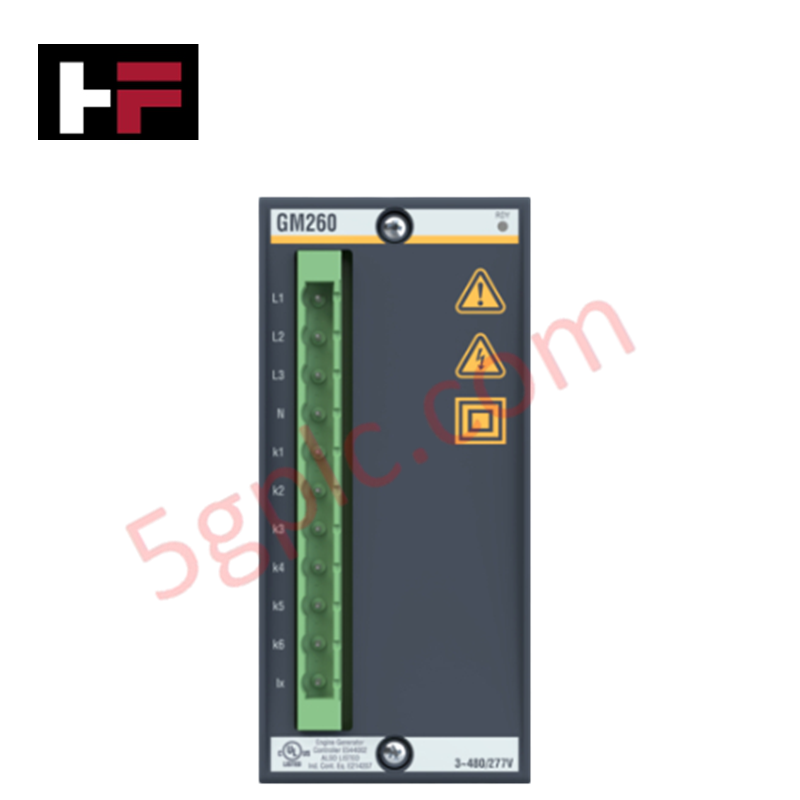
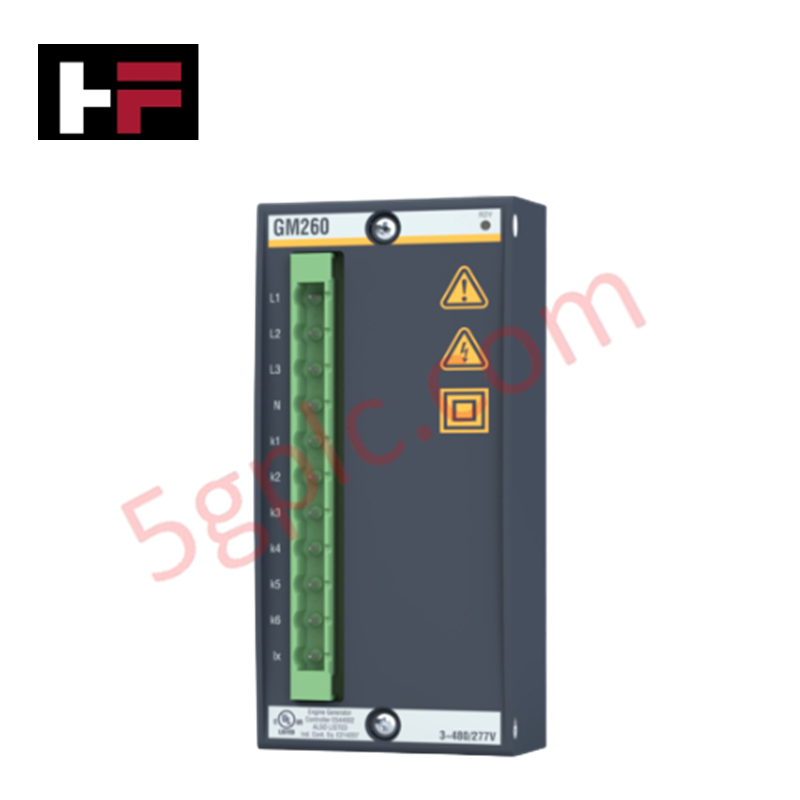
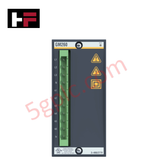
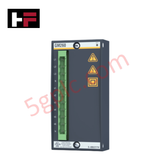
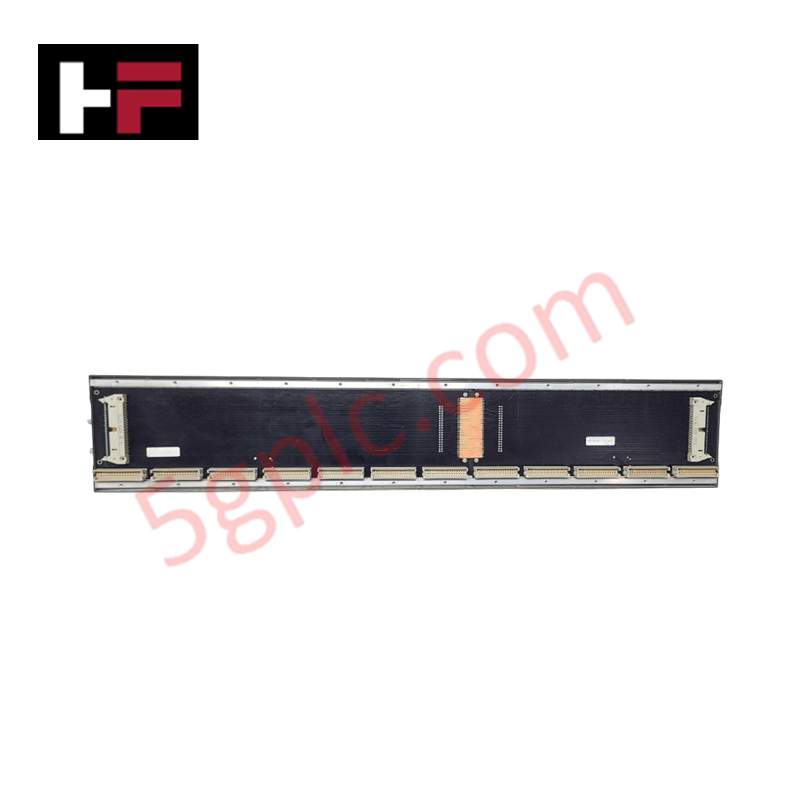
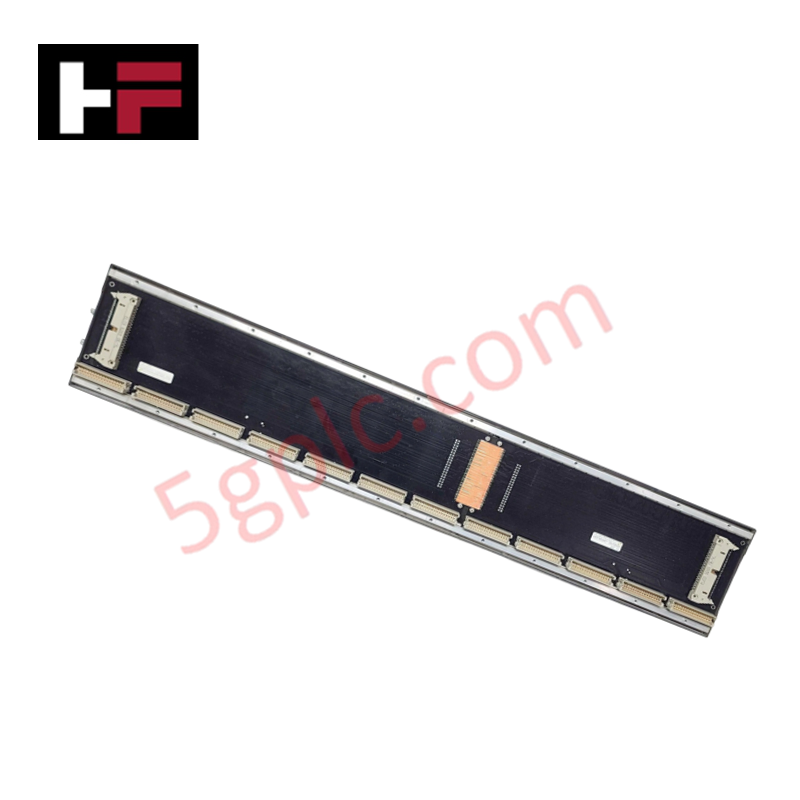
Configured for high-speed electrical network monitoring in M1 control platforms, the Bachmann GM260 (GM260 Grid Measurement Module) provides direct data acquisition of three-phase network variables.
Hardware Specifications
| Parameter | Specification |
|---|---|
| Model | GM260 |
| Brand | Bachmann |
| Origin | Austria |
| Dimensions | Standard Bachmann module enclosure |
| Input Capacity | 2 separate three-phase branches |
| Max Input Voltage | 480 VAC (L-L) RMS |
| Harmonics Analysis | Up to 40th harmonic |
Profinet / EtherNet/IP Deterministic Networks
The GM260 module utilizes integrated processing to calculate True RMS grid variables online, ensuring the data provided to the deterministic network is cycle-time consistent. By computing harmonics up to the 40th order directly on the module, the load on the host CPU is minimized, facilitating efficient backplane bus communication velocity. The module integrates seamlessly with Bachmann SolutionCenter, allowing real-time access to active, apparent, and reactive power metrics. Firmware flash compatibility ensures that the grid calculation algorithms remain updated, providing accurate 4-quadrant energy counting within the M1 control environment.
Frequently Asked Questions
Q: Does the GM260 require external transducers for voltage measurement?
A: No. The module is designed to accept direct connections of input voltages up to 480 VAC (L-L) RMS, eliminating the need for intermediate voltage transducers in standard applications.
Q: How are energy values tracked within the module?
A: The module features 2 independent 4-quadrant (4Q) energy counters that are processed internally, ensuring precise energy monitoring without requiring external processing cycles.
Field Installation Guidelines
- Ensure all voltage and current connections are made in accordance with the local electrical safety standards and the module pinout diagram.
- Verify that the CT (Current Transformer) ratios are correctly configured in the SolutionCenter to ensure accurate current and power calculations.
- Utilize shielded cabling for all measurement inputs to prevent electromagnetic noise from interfering with the high-frequency harmonics sampling.
- Confirm that the common voltage monitoring point is correctly referenced to ground to prevent potential measurement offsets between the two three-phase branches.
- Perform an initial commissioning test using the SolutionCenter interface to verify that phase angles and RMS values align with secondary multimeter readings.
Additional Information
- 100% Genuine Parts: All products are original and authentic, ensuring reliable industrial performance.
- 30-Day Refund Guarantee: Return any in-stock item within 30 days in original, unopened packaging for a full refund (excluding shipping and fees).
- 12-Month Warranty: Covers defects in materials or workmanship; excludes misuse, normal wear, or unauthorized modifications.
- Worldwide Shipping: We ship via USPS, UPS, FedEx, and DHL. Delivery times vary by country and may be subject to customs or import fees.
- Support & Contact: Technical and warranty assistance is available anytime. Contact us here: Contact.
- Purchase Guidance: Check product specifications and compatibility carefully before ordering to ensure proper application.
Tech & Buying Guide

Demystifying Open Platform Communication (OPC): The Backbone of Industrial Interoperability
Interoperability remains a cornerstone requirement for modern smart factories and process automation. Open Platform Communication (OPC) bridges the gap between disparate hardware platforms, control systems, and visualization software. By establishing a universal communication standard, OPC allows field controllers, SCADA platforms, and enterprise software from different vendors to exchange real-time data seamlessly.

Understanding Siemens PLC Memory Cards: MMC, SMC, and SD Solutions in Industrial Automation
Memory management plays a pivotal role in maintaining control system reliability across modern manufacturing plants. Industrial control systems rely on specialized memory cards to store project logic, firmware updates, and retentive system data. Siemens uses several memory architectures, including Micro Memory Cards (MMC) and SIMATIC Memory Cards (SMC). Engineers must understand these hardware variations to ensure zero data loss and minimize downtime during maintenance routines.

Redefining Control Systems: The Rise of Flexible I/O Modules in Industrial Automation
Conventional input-output architectures often limit engineering agility and inflate long-term inventory costs. Today, Flexible Input/Output Modules (FIOM) are transforming how control system engineers design, commission, and maintain automation infrastructure. By allowing individual channel software configuration, FIOM technology bridges the gap between rigid hardware design and dynamic plant requirements.