










Product Details
Module Overview
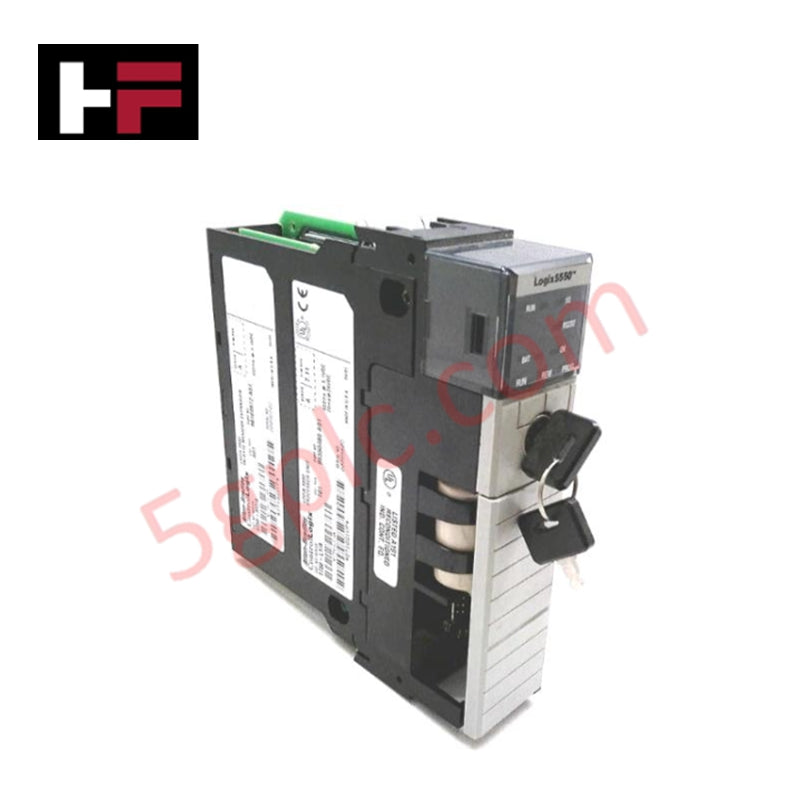
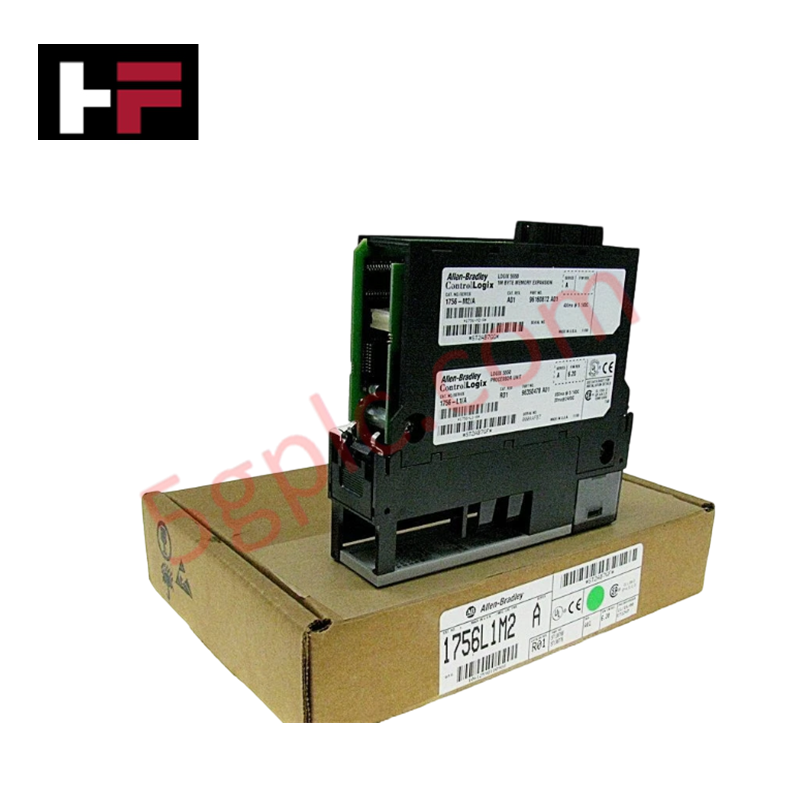
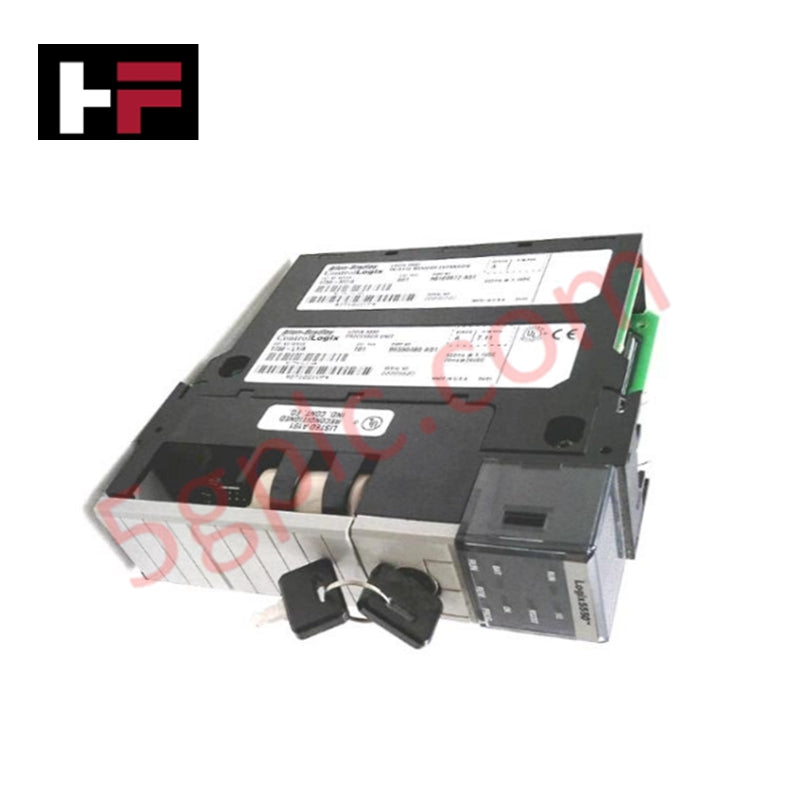
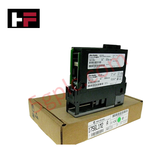
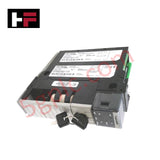
The 1756-L1M2 is a foundational processor module within the Allen-Bradley ControlLogix 5550 series. Engineered for high-speed discrete and process control, this module features 1MB of expandable non-volatile memory, allowing for robust program storage and complex data handling. As a member of the 1756 chassis-based system, the 1756-L1M2 leverages a producer-consumer communication model, which optimizes network bandwidth by allowing multiple nodes to consume the same data simultaneously. This processor is an ideal choice for legacy system maintenance and specialized industrial applications requiring a reliable, modular control engine.
Detailed Engineering Specifications
The 1756-L1M2 draws minimal power from the backplane, ensuring thermal efficiency even in high-density chassis configurations.
-
Processor Type: Logix5550 Modular Controller
-
User Memory: 1 Megabyte (Expandable)
-
Backplane Current (5.1V DC): 120 milliamps
-
Backplane Current (24V DC): 2 milliamps
-
Power Dissipation: 4.1 Watts maximum (@ 60°C)
-
Isolation Voltage: 30V Continuous (Basic Insulation Type)
-
Operating Current (Min): 2 milliamps @ 10V DC
-
Operating Current (Max): 3.5 milliamps @ 30V DC
-
Off-State Input Current (Max): 1.5 milliamps
-
Operating Temperature: 0°C to 60°C (32°F to 140°F)
-
Storage Temperature: -40°C to 85°C (-40°F to 185°F)
-
Vibration Resistance: 2G @ 10 to 500 Hz
-
Physical Weight: 0.81 lbs (0.37 kg)
-
Slot Width: Single-slot occupancy
Memory Management and Expansion
A key feature of the 1756-L1M2 is its modular memory architecture. The 1MB of onboard memory can be supplemented with 1756-M1, -M2, or -M3 expansion memory modules to accommodate larger rungs of ladder logic or extensive tag databases. To ensure data integrity during power cycles, the processor utilizes a lithium battery (typically the 1756-BA1) to maintain the volatile RAM. For permanent backup, the user program can be saved to non-volatile storage, protecting the system against long-term power loss in remote environments.
System Compatibility
The 1756-L1M2 is compatible with all standard 1756 ControlLogix chassis (e.g., 1756-A4, -A7, -A10) and can be placed in any available slot. It integrates seamlessly with a wide range of communication modules, including EtherNet/IP (1756-ENBT), ControlNet (1756-CNB), and DeviceNet (1756-DNB). Programming and configuration are handled through RSLogix 5000 software, supporting Ladder Diagram (LD), Structured Text (ST), and Function Block Diagram (FBD) languages.
Technical FAQ
Can the 1756-L1M2 be used in a redundant controller setup?
The 5550 series processors like the 1756-L1M2 generally do not support the high-speed redundancy sync required for modern bumpless transfer. For redundancy applications, the 1756-L6x or L7x series is recommended.
What happens if the battery fails on this module?
If the battery (1756-BA1) is depleted and the chassis loses power, the volatile user program and tag data will be lost. It is critical to monitor the "BATT" LED on the front of the processor and replace the battery while the rack is powered to preserve memory.
Is this processor compatible with Studio 5000?
The 1756-L1M2 is a legacy controller primarily supported by RSLogix 5000 (Versions 10 through 13). Newer versions of Studio 5000 generally target the L7 and L8 hardware generations.
Additional Information
- 100% Genuine Parts: All products are original and authentic, ensuring reliable industrial performance.
- 30-Day Refund Guarantee: Return any in-stock item within 30 days in original, unopened packaging for a full refund (excluding shipping and fees).
- 12-Month Warranty: Covers defects in materials or workmanship; excludes misuse, normal wear, or unauthorized modifications.
- Worldwide Shipping: We ship via USPS, UPS, FedEx, and DHL. Delivery times vary by country and may be subject to customs or import fees.
- Support & Contact: Technical and warranty assistance is available anytime. Contact us here: Contact.
- Purchase Guidance: Check product specifications and compatibility carefully before ordering to ensure proper application.
Tech & Buying Guide

Understanding Root Causes of Unplanned PLC Stop Mode in Industrial Automation
Modern Programmable Logic Controllers manage execution through distinct operational states: Run, Stop, Start-Up, and Hold. During power-up, a controller initializes memory registers within Stop mode before briefly transitioning to Start-Up mode. During this phase, internal self-diagnostics evaluate system integrity across hardware and user programs. If the controller detects no critical faults, it enters Run mode to execute the control program continuously. However, any severe system anomaly forces the CPU back into Stop mode immediately to prevent erratic machine behavior across the plant floor.

Human-Machine Interface Design: Essential Guide to HMI Selection, Visualization, and Control System Integration
Human-Machine Interfaces (HMIs) serve as the primary operational window into complex industrial automation systems. Modern HMIs convert raw machine data into clear graphical displays, enabling operators to oversee entire manufacturing processes in real time. Instead of relying on physical control panels full of hardwired switches, engineers program interactive screens using intuitive graphics, dynamic color coding, and responsive touch interfaces. Over my 15 years in control systems engineering, I have observed HMIs transform from basic display screens into sophisticated command centers that drive operational efficiency across DCS and PLC environments.

Understanding Safety Relays in Industrial Automation: Architecture, Operation, and Functional Safety
Standard electromechanical relays provide basic electrical isolation between low-voltage control circuits and high-power output loads. A traditional switching relay features a magnetic coil driving mechanical Common (COM), Normally-Open (NO), and Normally-Closed (NC) contacts. However, standard relays pose severe functional risks when deployed in critical safety interlock circuits. High current inrush or mechanical wear can weld contacts together permanently. If contact welding occurs in an emergency stop circuit, pressing the button fails to halt hazardous machinery movements. Consequently, global functional safety standards prohibit standard relays for critical machine guarding functions.