










Product Details
Product Overview
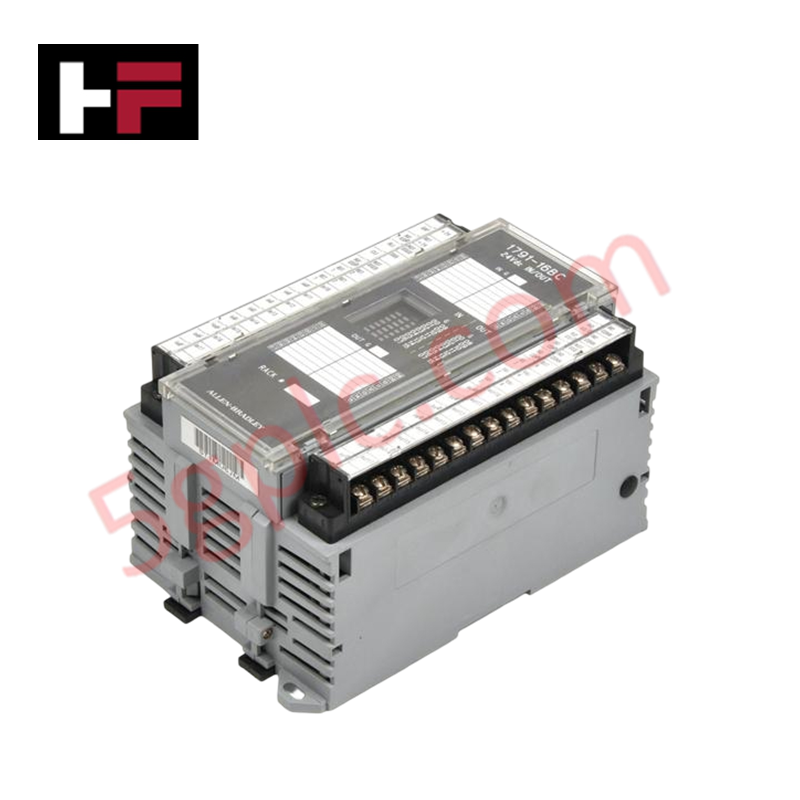
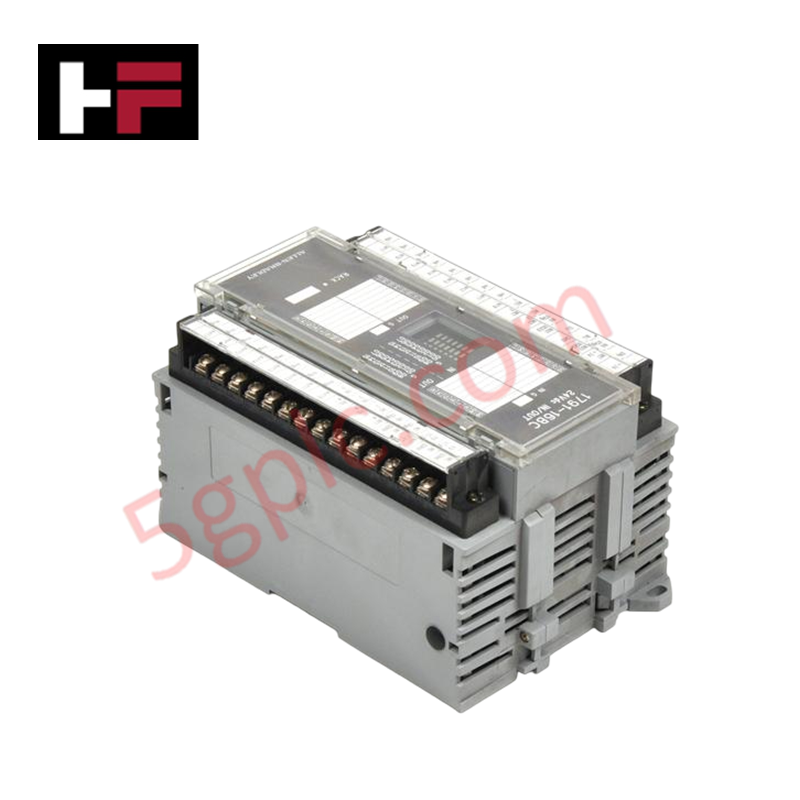
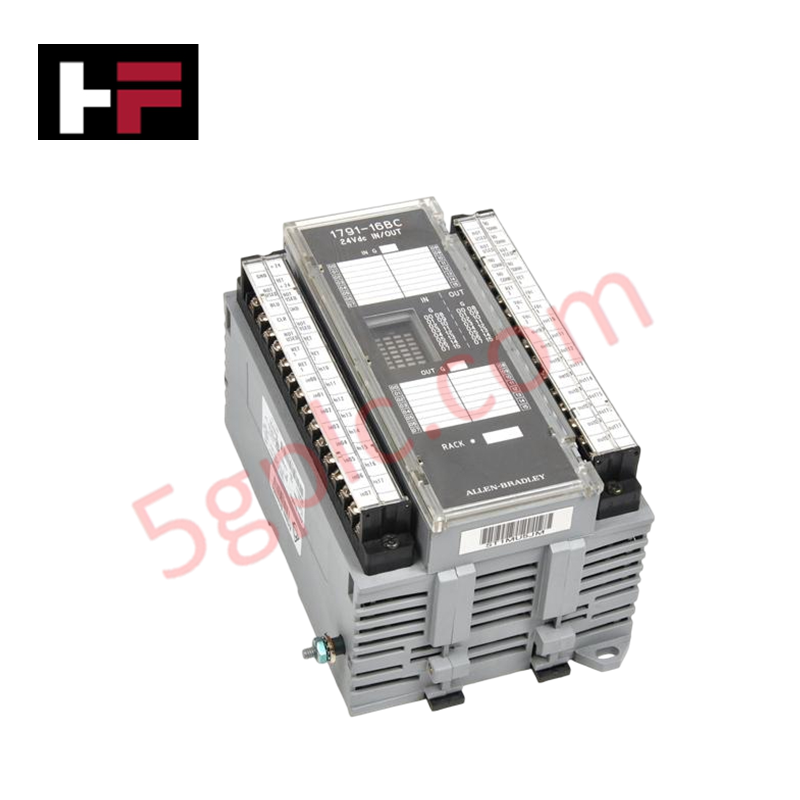
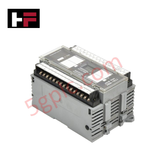
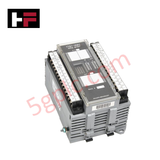
The 1791-16BC functions as a high-density, standalone remote I/O interface for Allen-Bradley PLC and SLC control systems. By combining 16 discrete DC inputs and 16 discrete DC outputs into a single "Block" housing, this module eliminates the need for separate chassis-based I/O cards. It excels in distributed control architectures where localized signal processing reduces wiring overhead and assembly time. We provide this unit as 100% Brand New and factory-original, ensuring maximum operational life for your legacy infrastructure.
Technical Specifications
This module integrates both sensing and switching capabilities within a rugged, compact footprint.
| Feature | Specification |
| I/O Configuration | 32-Point Total (16 Input / 16 Output) |
| Voltage Category | DC Operation |
| Communication Interface | Remote I/O (RIO) Link |
| Module Type | Block I/O (Chassisless) |
| Indicators | Logic side status LEDs |
| Mounting | Panel Mount / DIN Rail |
| Wiring | Fixed terminal blocks |
Engineering Advantages
-
Reduced Installation Footprint: The 1791-16BC integrates 32 I/O points without requiring a chassis or power supply module. This "Block" design saves significant cabinet space and allows engineers to mount I/O directly on the machine frame.
-
Simplified Field Wiring: The module utilizes a logical terminal layout that separates inputs and outputs. This organization accelerates the commissioning process and prevents wiring errors during high-pressure maintenance windows.
-
Ruggedized Remote Processing: Unlike standard rack-mounted cards, the 1791 series features a self-contained enclosure. This construction protects internal circuitry from industrial dust and localized vibration, making it ideal for decentralized mounting near field sensors.
-
Legacy Continuity: By utilizing 100% Brand New stock, facilities can maintain older Remote I/O (RIO) networks without the compatibility risks or contamination issues often found in used or refurbished surplus hardware.
FAQs
-
Does the 1791-16BC require a separate rack or chassis?
No. The 1791-16BC is a standalone Block I/O module. It mounts directly to a panel or DIN rail and connects to the processor via the Remote I/O blue hose link.
-
How does the module handle fault diagnostics?
The front panel includes comprehensive LED indicators. These lights provide real-time status of the RIO communication link, internal module health, and individual I/O point activity for rapid troubleshooting.
-
What is the benefit of a "Brand New" unit for a discontinued series?
Many 1791-16BC units on the market are "pulls" from active environments. Our 100% Brand New units feature pristine terminal blocks and zero-cycle internal components, preventing the intermittent communication failures common in aged equipment.
-
Can this module interface with newer ControlLogix systems?
Yes, provided you utilize a 1756-DHRIO or 1756-RIO module in the ControlLogix rack. This allows the 1791-16BC to function as a remote drop within a modern control architecture.
Additional Information
- 100% Genuine Parts: All products are original and authentic, ensuring reliable industrial performance.
- 30-Day Refund Guarantee: Return any in-stock item within 30 days in original, unopened packaging for a full refund (excluding shipping and fees).
- 12-Month Warranty: Covers defects in materials or workmanship; excludes misuse, normal wear, or unauthorized modifications.
- Worldwide Shipping: We ship via USPS, UPS, FedEx, and DHL. Delivery times vary by country and may be subject to customs or import fees.
- Support & Contact: Technical and warranty assistance is available anytime. Contact us here: Contact.
- Purchase Guidance: Check product specifications and compatibility carefully before ordering to ensure proper application.
Tech & Buying Guide

Understanding Marshalling Cabinets in Industrial Automation and Control Systems
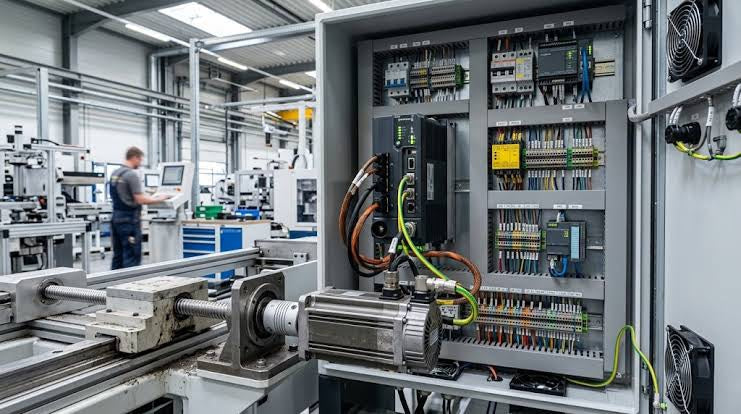
Marshalling cabinets serve as the crucial connection hub between field instruments and centralized processing units. In large DCS and PLC control system architectures, hundreds of multipair field cables run from local junction boxes to the central instrument equipment room. The marshalling cabinet houses field terminal blocks, surge arresters, intrinsic safety isolation barriers, and interposing relays. By segregating field field-wiring terminations from sensitive processor hardware, engineers protect expensive controller backplanes from high-voltage transients. Consequently, this modular separation dramatically streamlines maintenance workflows and simplifies system expansion.

Essential Best Practices for PLC Wiring and Installation in Industrial Automation
Successful control system deployment begins with thoroughly reviewing manufacturer technical documentation. Controllers from major brands like Allen-Bradley, Siemens, and Schneider Electric feature unique terminal layouts. Engineers must verify voltage requirements before connecting power cables to prevent catastrophic equipment damage. Standard line connections require strict adherence to regional electrical codes and proper wire color coding. Furthermore, panel builders should always establish a robust low-impedance ground connection using at least 16-AWG copper conductor tied directly to the main plant grounding grid.
Demystifying Programmable Logic Controllers: Comprehensive Guide to PLC Classification and Selection in Industrial Automation
Modern industrial automation heavily relies on Programmable Logic Controllers (PLCs) to drive factory floor efficiency. Over my 15 years as an industrial automation expert working with DCS, TSI, and control systems, I have seen PLCs evolve into the central nervous system of modern manufacturing. Selecting the right controller requires a deep understanding of PLC types based on physical size, hardware architecture, and power supply configurations.