










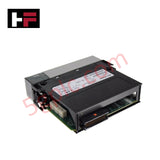
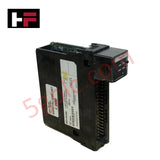
Product Details
Product Overview
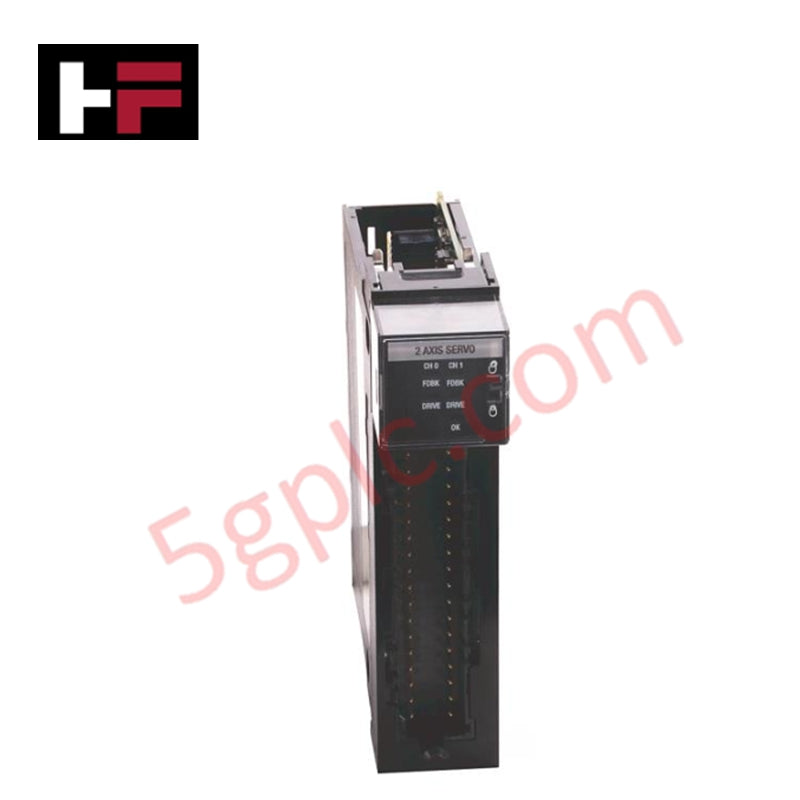
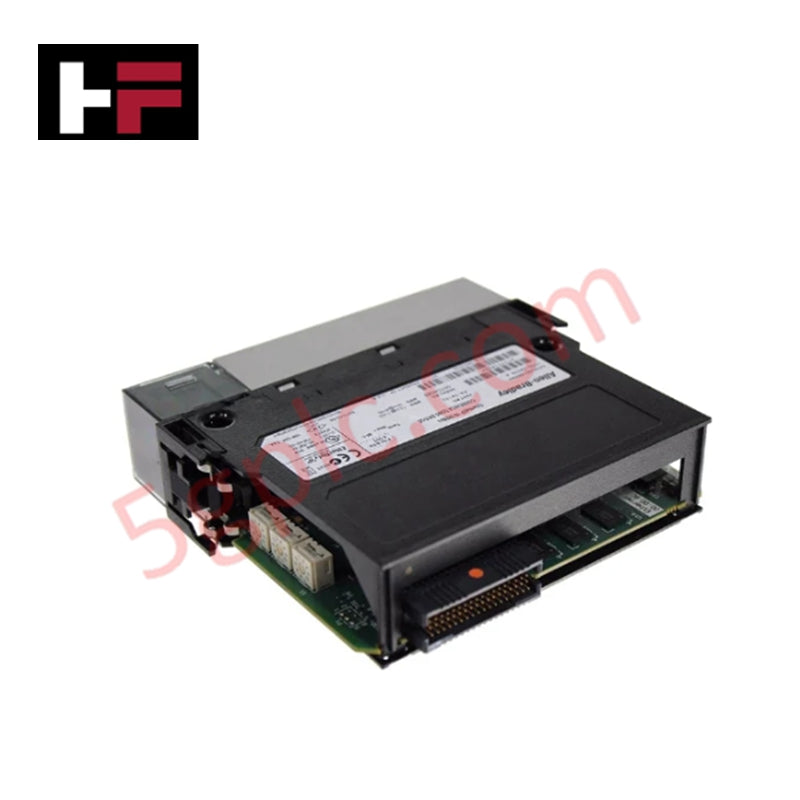
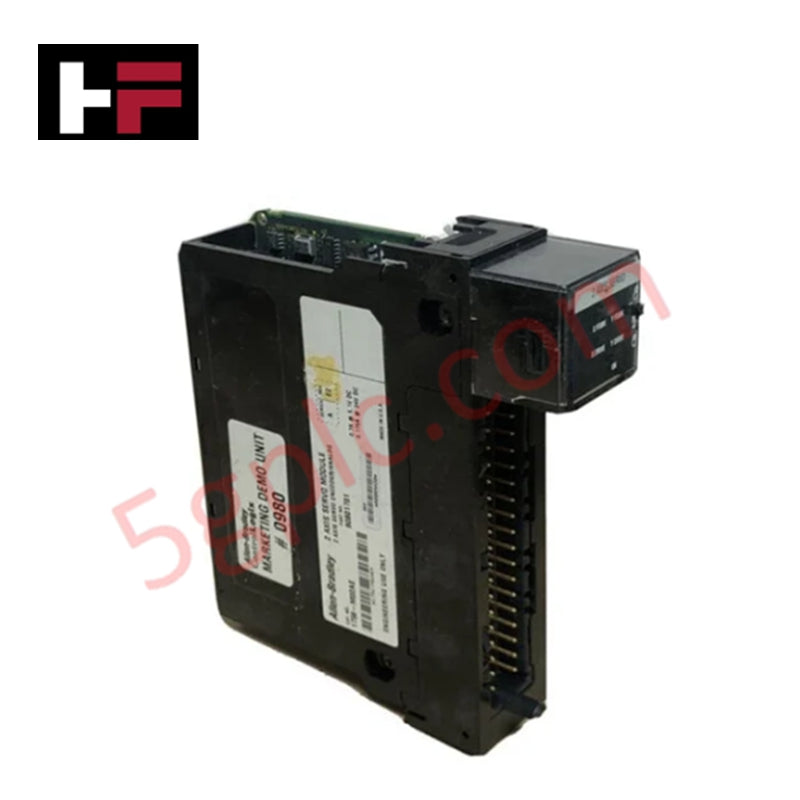
The Allen Bradley 1756-M02AE functions as a high-precision motion control interface within the ControlLogix® platform. This module manages two axes of analog servo control by interfacing directly with servo drives and incremental encoders. It provides the critical link between the Logix controller's motion engine and the physical motor hardware. We supply this unit as 100% brand new and original, ensuring synchronized, high-speed positioning for your most demanding robotic and packaging applications.
Technical Specifications
The 1756-M02AE delivers high-resolution control signals and robust feedback processing:
| Feature | Specification |
| Axes per Module | Two (2) Independent Axes |
| Servo Output Type | Analog Voltage |
| Servo Output Resolution | 16 Bits |
| Encoder Input Type | Incremental AB Quadrature with Marker |
| Discrete Inputs | Optically Isolated, Current Sinking (24V DC) |
| Discrete Outputs | Solid-state Isolated Relay Contact |
| Backplane Current (5V / 24V) | 700 mA / 2.5 mA |
| Power Dissipation | 6.2 Watts |
| Thermal Dissipation | 21.2 BTU/hour |
| Isolation Voltage | 50 Volts Continuous |
| Net Weight | 1.00 lbs (0.45 kg) |
Engineering Advantages
-
High-Precision Motion Execution: The 16-bit analog output resolution ensures exceptionally smooth command signals to the servo drive. This precision minimizes torque ripple and improves the positional accuracy of the motor, even at low speeds.
-
Integrated Feedback Processing: The module natively handles incremental AB quadrature encoder signals. By processing the marker pulse at the hardware level, the 1756-M02AE achieves repeatable and highly accurate home-positioning cycles.
-
Optically Isolated Safety: Current-sinking 24V DC discrete inputs utilize optical isolation to shield the ControlLogix backplane from field-side electrical noise and surges. This protection prevents interference from affecting the processor's logic execution.
-
Flexible Axis Scaling: While each module controls two axes, the ControlLogix system architecture supports up to 32 axes per controller. This scalability allows engineers to build complex, multi-axis machines using a distributed I/O layout.
-
Efficient Thermal Management: The module generates a low thermal load of 21.2 BTU/hour. This efficiency allows for high-density module placement within the chassis without exceeding the operating temperature limits of adjacent components.
FAQs
-
What type of cable and terminal block does the 1756-M02AE require?
The module utilizes Removable Terminal Blocks (RTBs) for field wiring. Always use shielded twisted-pair cabling for the analog outputs and encoder inputs to prevent electromagnetic interference from degrading the motion signal.
-
Can I use this module with absolute encoders?
No. The 1756-M02AE specifically supports incremental AB quadrature encoders with marker pulses. If your application requires absolute feedback (such as SSI), you must select a module compatible with that specific feedback protocol.
-
Is this a genuine factory-sealed unit?
Absolutely. We guarantee that every 1756-M02AE we ship is 100% brand new in its original Allen Bradley packaging. Each unit carries a verified GTIN (10612598172396) to ensure E-E-A-T procurement compliance.
-
How does the solid-state relay output function?
The discrete output acts as a drive-enable or status indicator. Because it uses a solid-state isolated relay contact, it offers a longer mechanical life and faster switching speeds compared to traditional electromechanical relays.
Additional Information
- 100% Genuine Parts: All products are original and authentic, ensuring reliable industrial performance.
- 30-Day Refund Guarantee: Return any in-stock item within 30 days in original, unopened packaging for a full refund (excluding shipping and fees).
- 12-Month Warranty: Covers defects in materials or workmanship; excludes misuse, normal wear, or unauthorized modifications.
- Worldwide Shipping: We ship via USPS, UPS, FedEx, and DHL. Delivery times vary by country and may be subject to customs or import fees.
- Support & Contact: Technical and warranty assistance is available anytime. Contact us here: Contact.
- Purchase Guidance: Check product specifications and compatibility carefully before ordering to ensure proper application.
Tech & Buying Guide
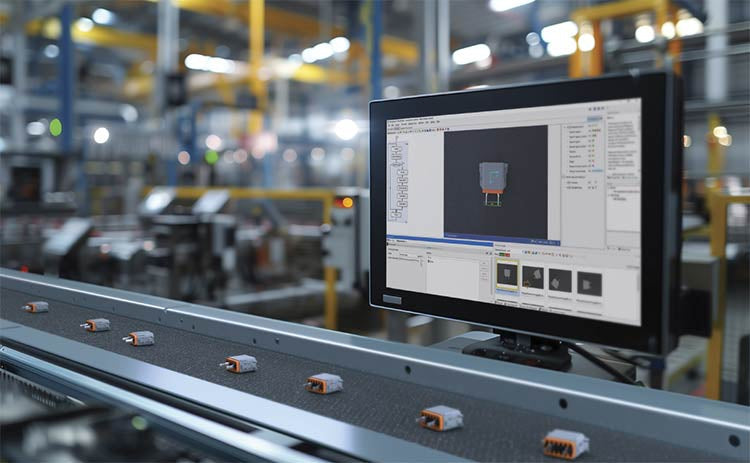
Modern Industrial Automation: Transforming Safety and Efficiency in Mining Operations
Industrial automation has evolved from a simple manufacturing tool into the operational backbone of high-risk sectors. Modern mining operations increasingly rely on advanced control systems, programmable logic controllers (PLCs), distributed control systems (DCS), and artificial intelligence to address deep-underground hazards. By replacing manual labor in high-risk zones, factory automation technologies protect personnel while significantly boosting operational throughput.

Step-by-Step System Cabinet Health Check Guide for PLC and DCS Infrastructure
