










Product Details
Product Overview
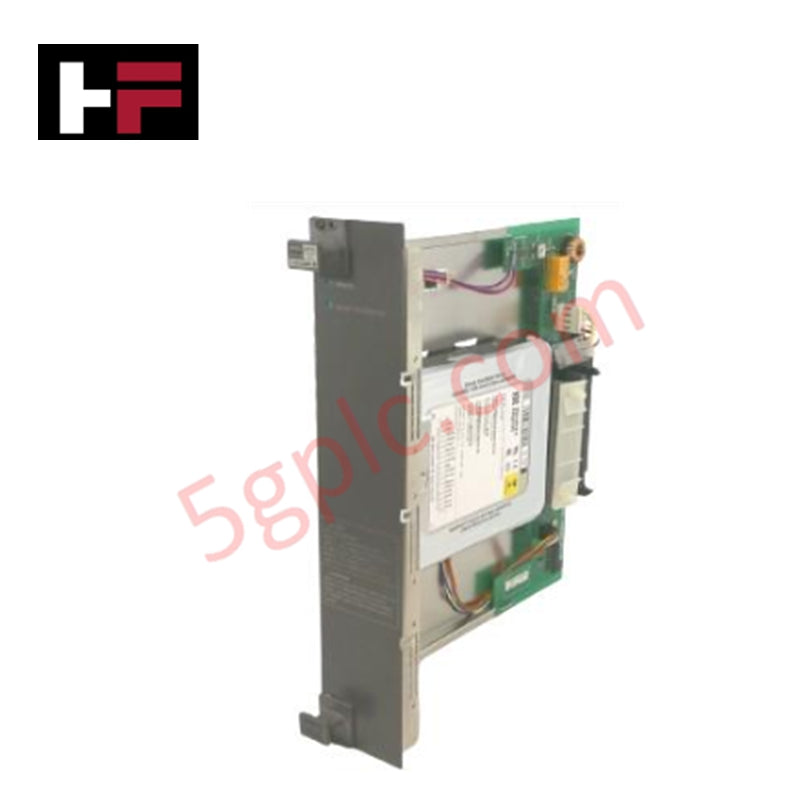
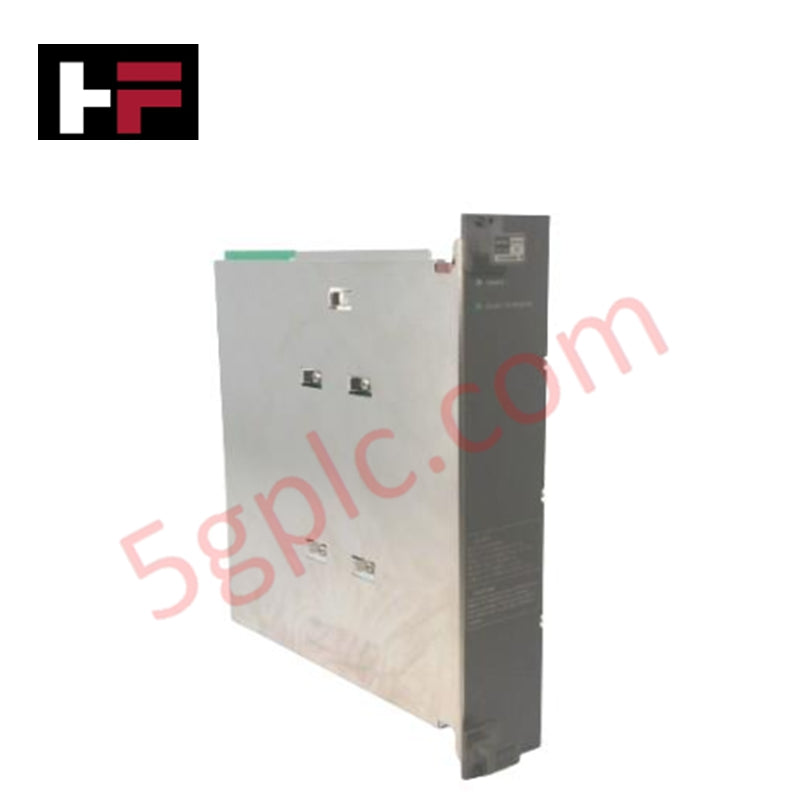
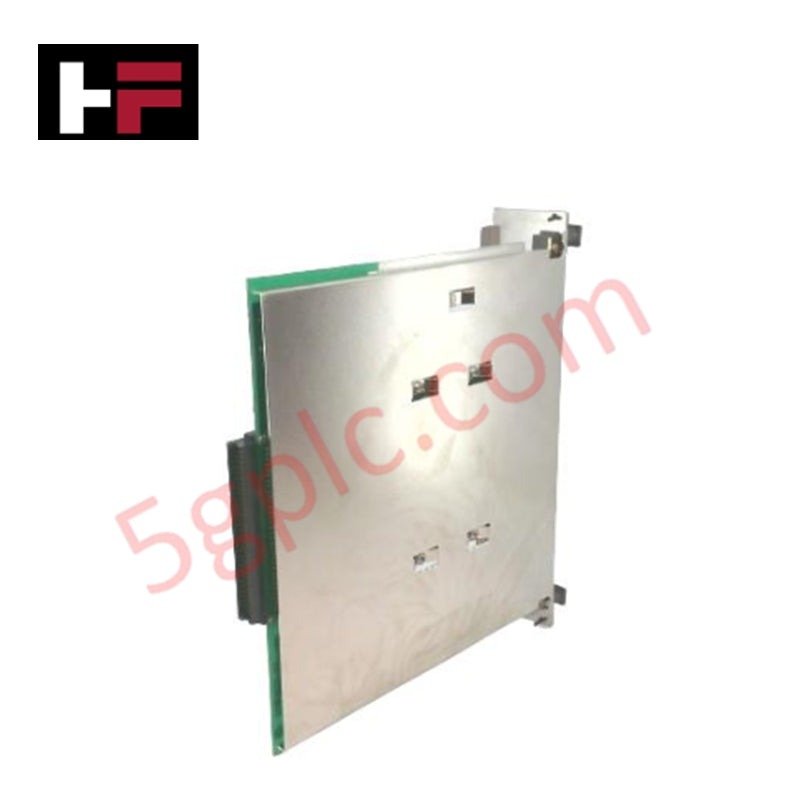
The Yokogawa AIP434 Style S1 is an industrial-grade Solid State Drive (SSD) module engineered specifically for CENTUM CS and CENTUM VP Distributed Control Systems (DCS). In critical process environments, mechanical hard drive failures represent a single point of failure that can halt production, erase historical trend data, and compromise safety system integrity. The AIP434 resolves this risk by providing ruggedized, non-volatile storage with no moving parts, ensuring reliable retention of control logic, operator configurations, and process histories even under extreme temperature, vibration, and humidity conditions. Designed for seamless integration with Yokogawa Human Interface Stations (HIS) and Field Control Stations (FCS), this module delivers the deterministic performance and long-term dependability required for continuous operation in power generation, oil refining, and chemical manufacturing facilities.
Technical Specifications
|
Parameter |
Specification |
|---|---|
|
Model Number |
AIP434 |
|
Style Code |
S1 |
|
Manufacturer |
Yokogawa Electric Corporation |
|
Product Type |
Industrial Solid State Drive (SSD) Module |
|
System Compatibility |
CENTUM CS 3000, CENTUM VP (HIS/FCS Units) |
|
Storage Technology |
Solid State Drive (SSD) – No moving parts |
|
Storage Capacity |
4.55 GB (Formatted, industrial-grade NAND) |
|
Interface Protocol |
Proprietary DCS Backplane / ATA-Compatible Logic |
|
Data Throughput |
Optimized for real-time DCS logging and boot operations |
|
Power Supply |
24 VDC (Derived from Host Station Backplane) |
|
Physical Dimensions |
5.1 cm (W) × 25.4 cm (H) × 25.4 cm (D) |
|
Unit Weight |
2.95 lbs (1.34 kg) |
|
Operating Temperature |
-10°C to +60°C (14°F to 140°F) |
|
Storage Temperature |
-20°C to +70°C |
|
Operating Humidity |
10% to 90% RH (Non-condensing) |
|
Vibration Resistance |
Compliant with IEC 60068-2-6 (Industrial Grade) |
|
Shock Resistance |
50G operational, 100G non-operational |
|
MTBF |
>1,000,000 Hours (SSD typical) |
|
Data Protection |
Supports automated backup and rapid system recovery |
Model Code Decomposition
Yokogawa storage modules employ a precise suffix convention to indicate hardware revision, capacity class, and firmware compatibility. The "Style" identifier is mandatory for ensuring the SSD is recognized by the CENTUM VP/CS boot loader and operating system.
Part Number: AIP434-S1
-
AIP: Series prefix for CENTUM VP/CS 3000 peripheral and interface hardware, covering storage, I/O, and communication units.
-
434: Unique functional identifier for the High-Reliability SSD Module.
-
The "4" series denotes mass storage or advanced interface units within Yokogawa's architecture.
-
The "34" sequence specifically identifies the SSD form factor, 4.55 GB capacity class, and industrial-grade endurance rating optimized for DCS system boot and historical data logging.
-
-S1 (Style 1): Critical suffix indicating the hardware revision and firmware mapping.
-
S1: Denotes the first production revision of the AIP434 SSD, featuring a specific controller firmware version and capacity mapping compatible with CENTUM VP R3.03+ and CENTUM CS 3000 V10.x+ systems.
-
Compatibility Warning: Substituting an S1 module with a different style (e.g., S2, S3) or a non-Yokogawa SSD will likely result in boot failure, unrecognized storage, or data corruption. The "S1" suffix ensures exact pin-out alignment, voltage tolerance, and wear-leveling algorithms matching the original Yokogawa design specifications.
-
Capacity Note: While 4.55 GB is the standard formatted capacity for the S1 revision, actual usable space may vary slightly based on file system overhead and reserved blocks for wear leveling.
Installation Recommendations and Wiring Guidelines
Proper installation of the AIP434 is essential to prevent data loss and ensure long-term reliability in industrial control environments.
-
Pre-Installation Backup: Before removing a functioning drive, perform a complete system backup using CENTUM VP maintenance utilities (
HDINIT,Backup/Restoretools). Verify backup integrity on external media before proceeding. -
ESD Precautions: Solid state modules contain sensitive flash memory controllers. Always wear a grounded ESD wrist strap and handle the module by its edges to prevent electrostatic damage.
-
Controlled Station Shutdown: While the physical module slides into a hot-swappable bay, replacing a system boot drive requires the target HIS or FCS station to be in a controlled shutdown state. This prevents file system corruption during the swap.
-
Physical Insertion: Align the AIP434 with the designated drive bay slot. Slide firmly until the rear connector engages fully with the backplane—you should feel a positive click. Immediately secure the front retention lever or mounting screws to prevent vibration-induced disconnection.
-
Initialization Procedure: Upon first power-up with a new AIP434, the system may prompt for drive initialization. Use the CENTUM VP engineering workstation to format and partition the drive according to site-specific requirements. Warning: Initialization erases all existing data.
-
Thermal Verification: After installation, monitor the station's internal temperature via system diagnostics. Ensure chassis cooling fans are operational; SSDs are more tolerant of heat than mechanical drives but prolonged operation above 60°C can accelerate NAND flash wear.
-
Firmware Synchronization: Verify that the AIP434 firmware revision matches the requirements of your CENTUM VP software version. Mismatched firmware can cause compatibility issues during system boot or data logging operations.
Frequently Asked Questions (FAQ)
Q: Can I use a standard commercial SSD instead of the AIP434-S1?A: No. The AIP434-S1 features a proprietary connector interface and firmware mapping specifically designed for the Yokogawa CENTUM backplane. Commercial SSDs will not physically connect or be recognized by the DCS boot loader, and they lack the industrial-grade endurance ratings required for 24/7 process control environments.
Q: What is the difference between AIP434-S1 and earlier hard drive modules?A: The AIP434-S1 uses Solid State Drive (SSD) technology with no moving parts, offering superior resistance to shock, vibration, and temperature extremes compared to legacy mechanical HDD modules. It also provides faster boot times and more predictable latency for real-time data logging.
Q: Is the AIP434-S1 hot-swappable in a running CENTUM VP system?A: Physically, the module slides into a hot-swappable bay. However, replacing the primary system boot drive requires the specific HIS or FCS station to be offline to prevent data corruption. Redundant configuration setups may allow for online replacement of secondary logging drives—consult your system architecture documentation.
Q: How do I migrate data from an old mechanical drive to the AIP434-S1?A: Use the CENTUM VP Backup/Restore utility to create a full system image from the old drive. After installing the new AIP434-S1, use the same utility to restore the image. Yokogawa also offers migration services through certified system integrators for complex upgrades.
Q: What is the expected service life of the AIP434-S1 SSD?A: With typical DCS write patterns (primarily logging and configuration updates), the industrial-grade NAND flash in the AIP434-S1 is rated for over 1 million hours MTBF. Actual lifespan depends on write intensity; Yokogawa recommends monitoring drive health via system diagnostics and planning replacement every 7-10 years as preventive maintenance.
Q: Does the AIP434-S1 come with CENTUM VP software pre-installed?A: No. New AIP434-S1 modules are shipped blank or with a minimal factory base image. The end-user or certified integrator must install the specific CENTUM VP system software version and restore the site-specific configuration from backup media.
Additional Information
- 100% Genuine Parts: All products are original and authentic, ensuring reliable industrial performance.
- 30-Day Refund Guarantee: Return any in-stock item within 30 days in original, unopened packaging for a full refund (excluding shipping and fees).
- 12-Month Warranty: Covers defects in materials or workmanship; excludes misuse, normal wear, or unauthorized modifications.
- Worldwide Shipping: We ship via USPS, UPS, FedEx, and DHL. Delivery times vary by country and may be subject to customs or import fees.
- Support & Contact: Technical and warranty assistance is available anytime. Contact us here: Contact.
- Purchase Guidance: Check product specifications and compatibility carefully before ordering to ensure proper application.
Tech & Buying Guide
Mastering Modern Industrial Joystick Controls in Heavy Automation
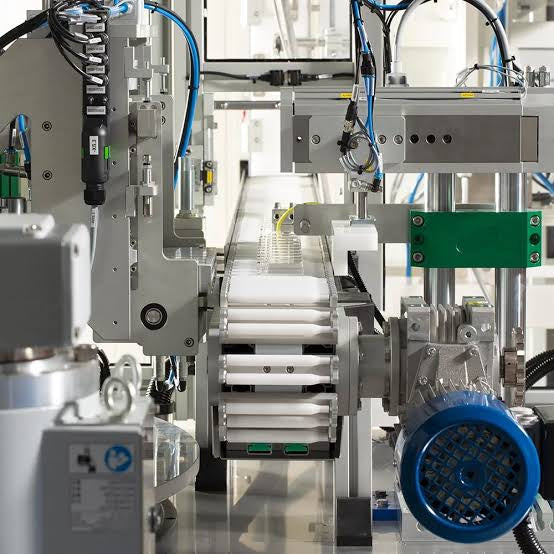
Industrial joysticks play a pivotal role in human-machine interaction across heavy material handling and mobile hydraulics. These tactile controllers translate complex operator movements into precise electrical signals for PLCs, motion controllers, and DCS networks. Consequently, selecting and installing the right joystick architecture ensures operator safety, reduces fatigue, and optimizes equipment performance.

Navigating Industrial Automation Failures: Types, Causes, and Mitigation Strategies
Modern manufacturing relies heavily on automated control systems to maximize throughput and maintain product quality. However, unplanned downtime in industrial automation can cost facility operators thousands of dollars per hour. Understanding how programmable logic controllers (PLCs), distributed control systems (DCS), and field instrumentation fail empowers engineering teams to implement robust preventive maintenance strategies.
Essential Motion Control Commands: A Practical Guide for Engineers
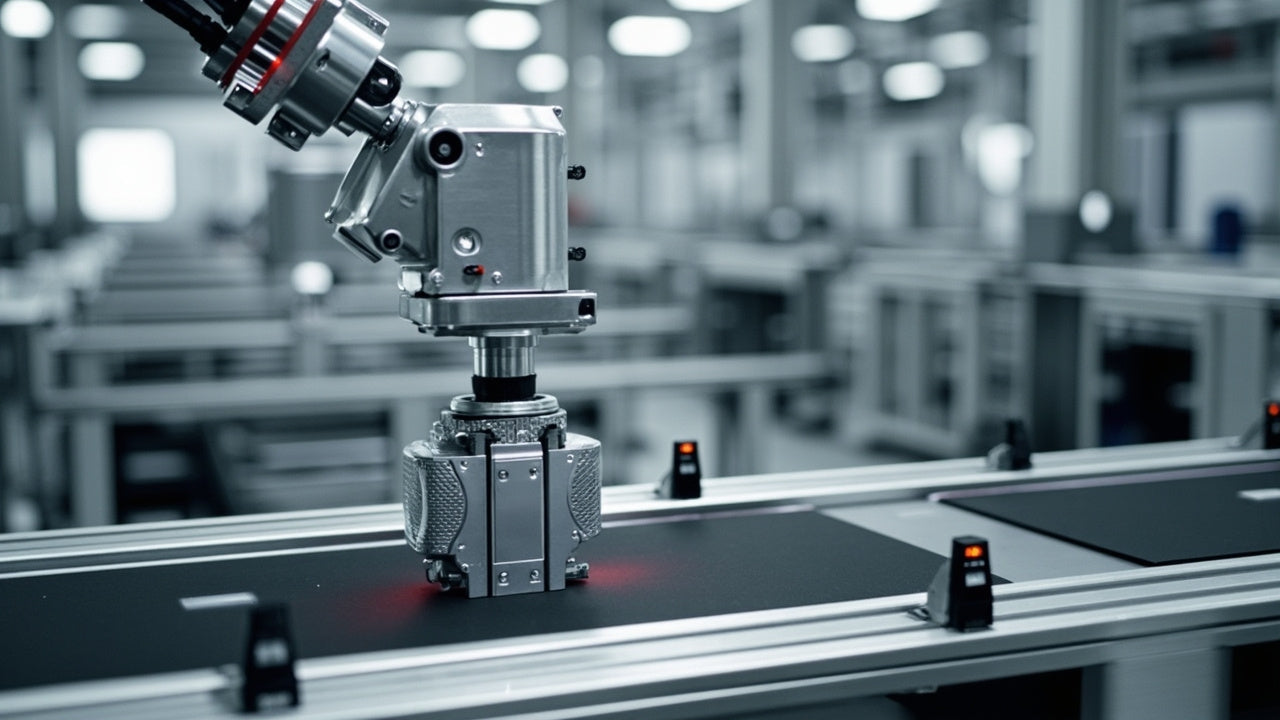
Automation engineers often rely on precise position and speed control to drive modern factory machinery. Modern industrial systems, such as Programmable Logic Controllers (PLCs) and Distributed Control Systems (DCS), depend heavily on standardized motion instructions. Mastering these commands ensures operational safety, protects mechanical components, and optimizes cycle times across production lines.