








Product Details
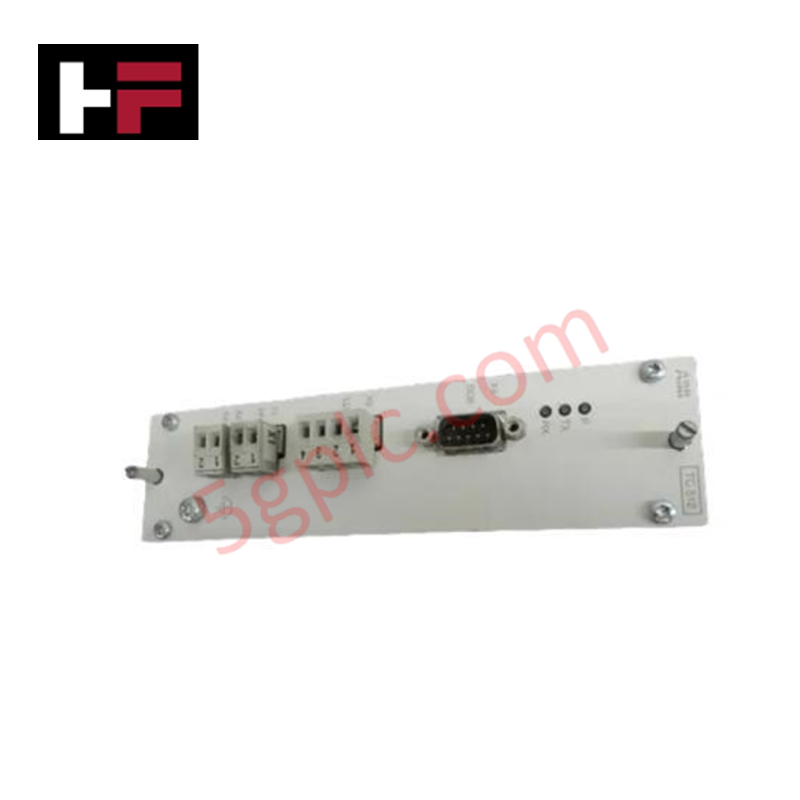
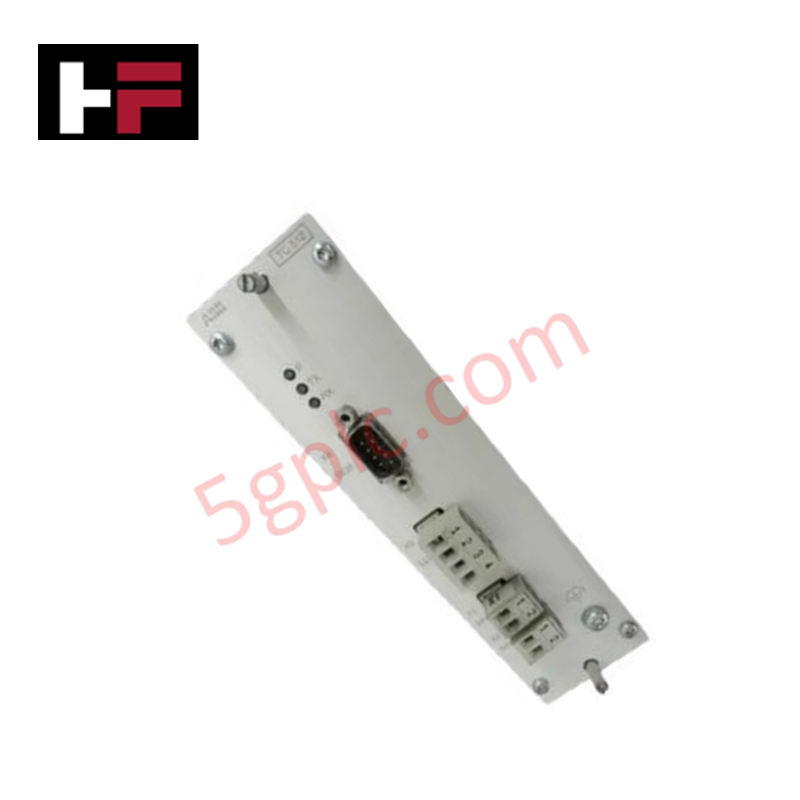
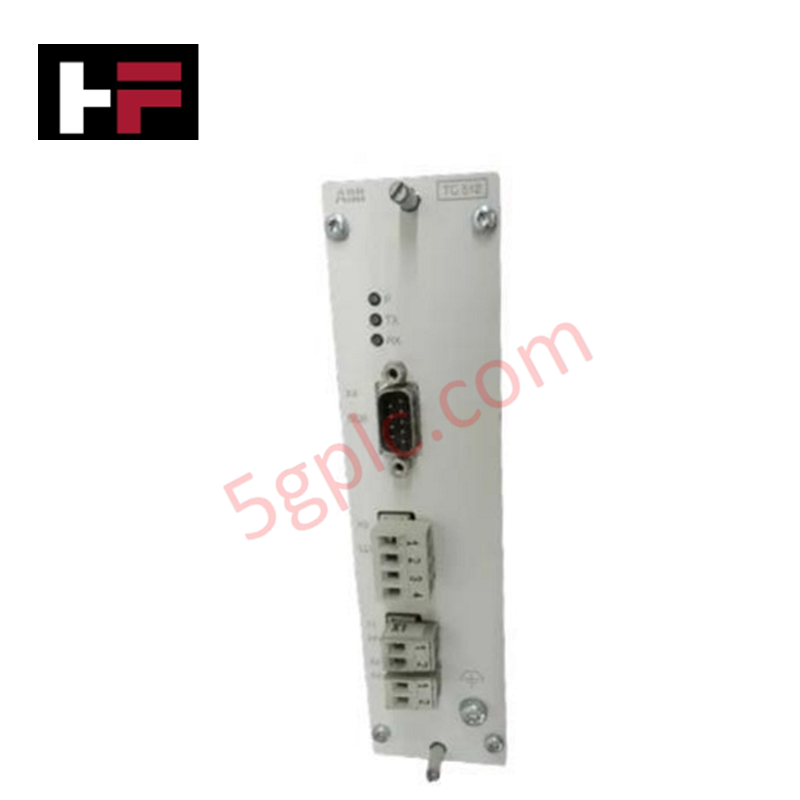
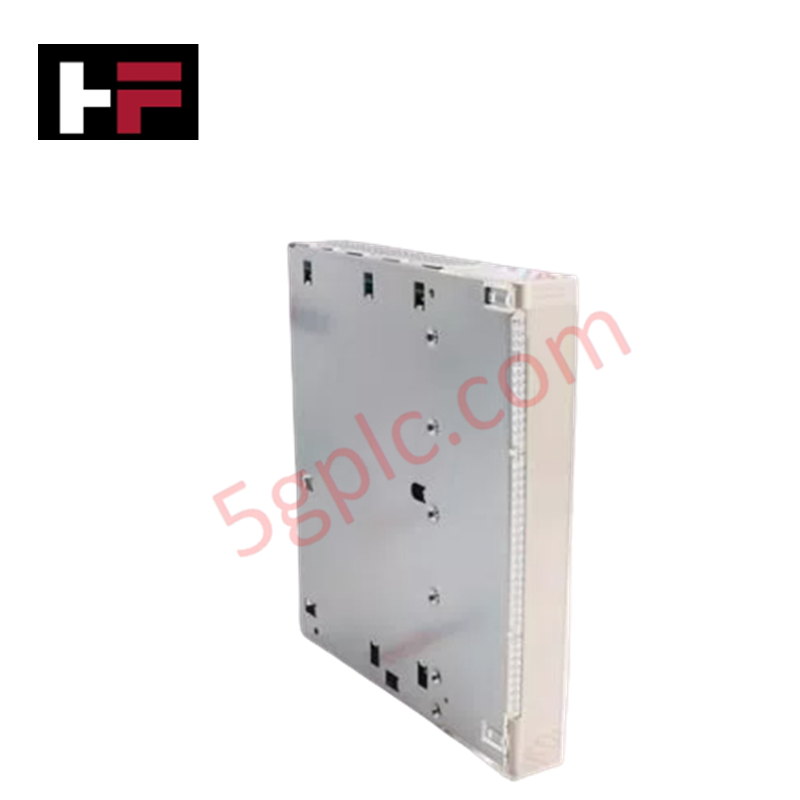
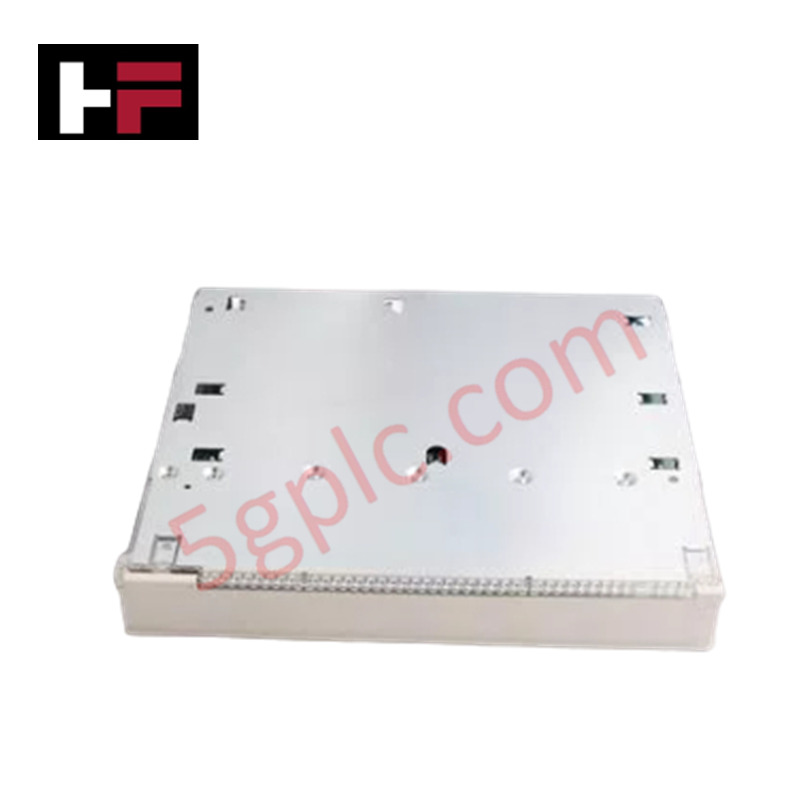
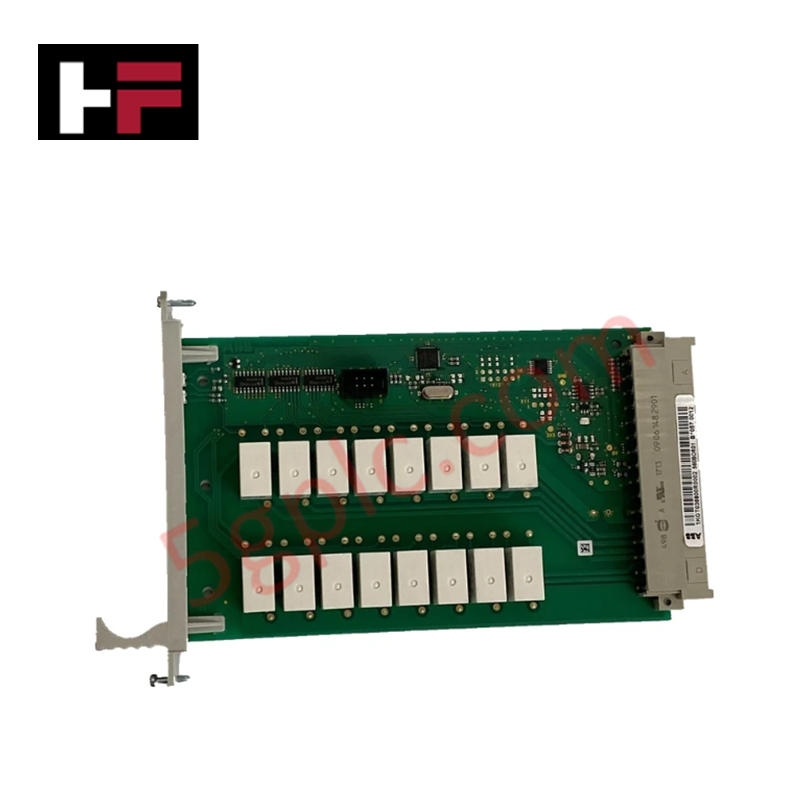
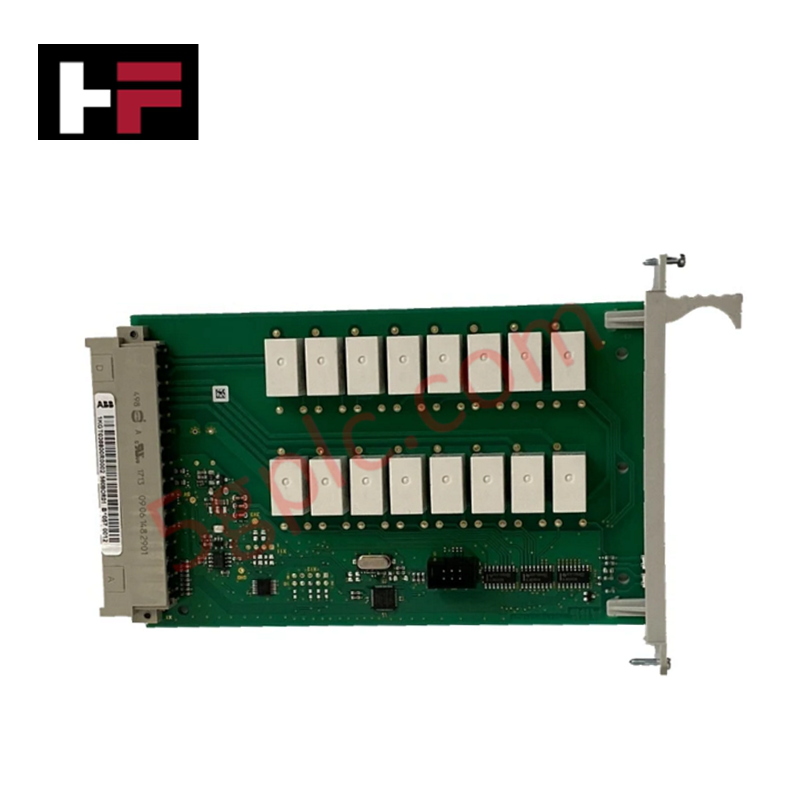
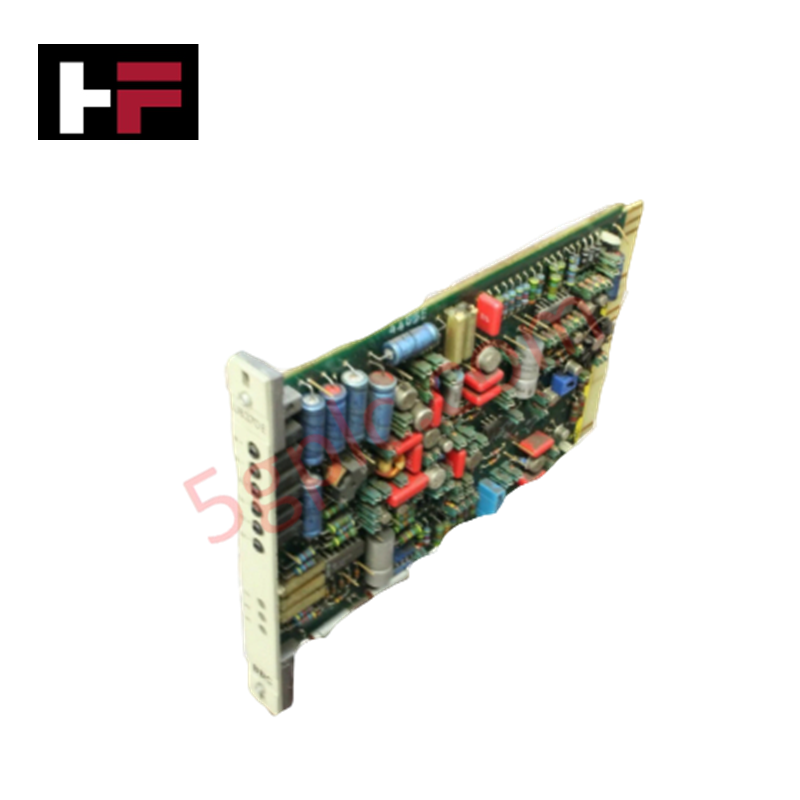
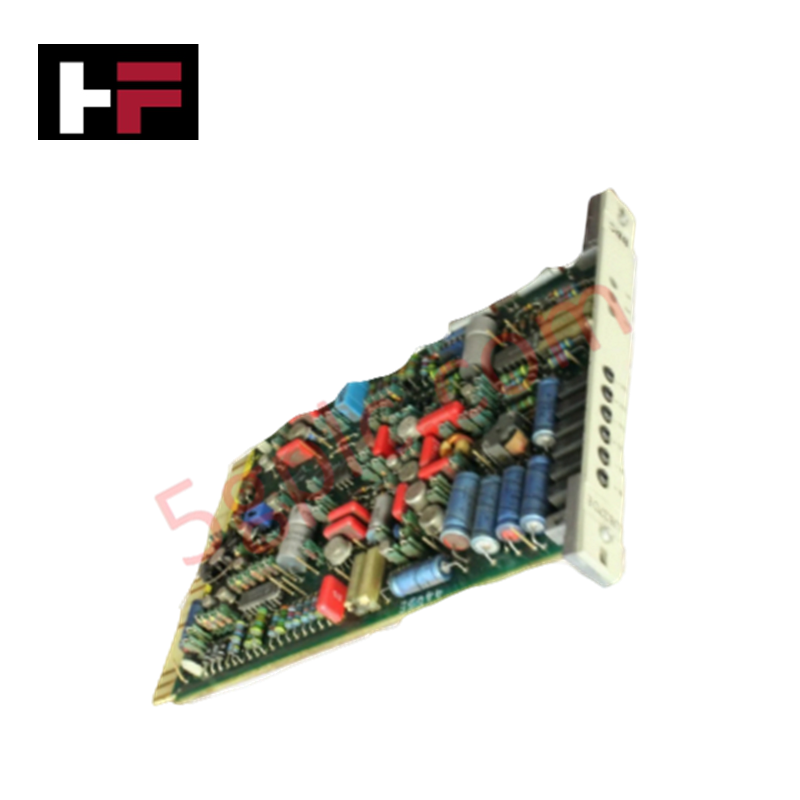
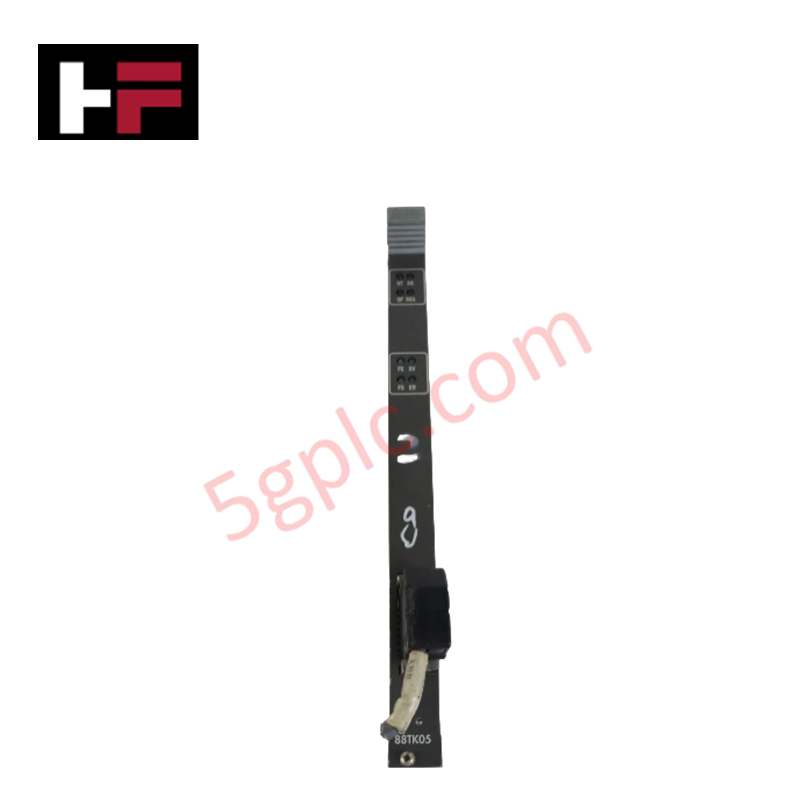
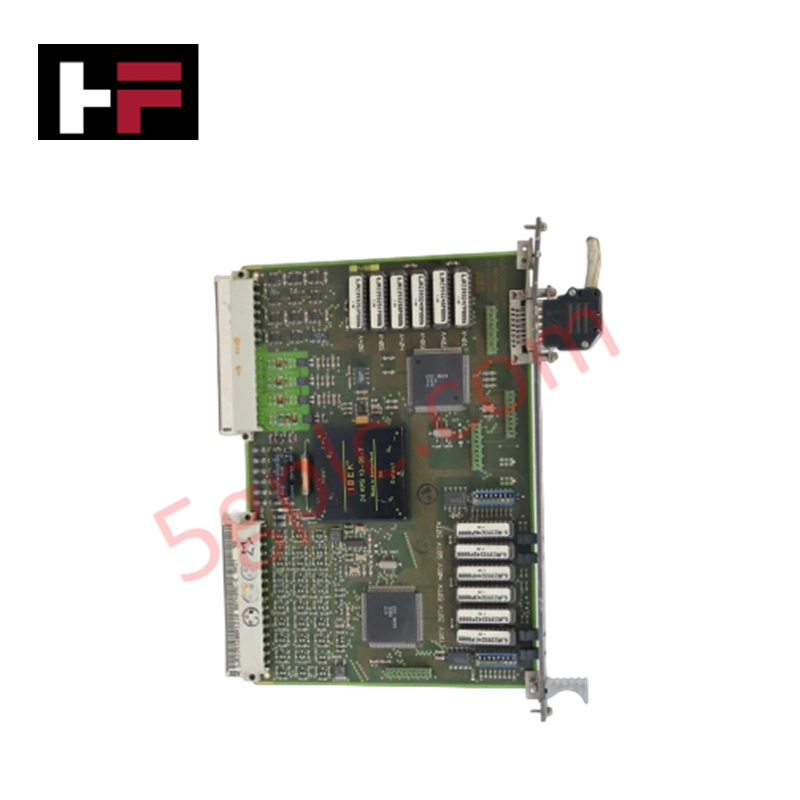
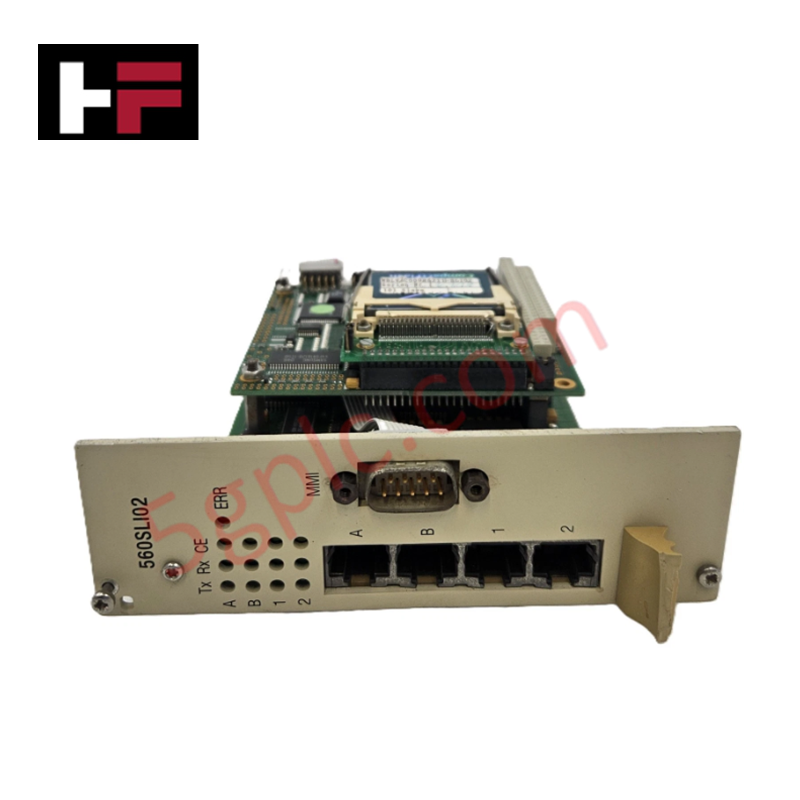
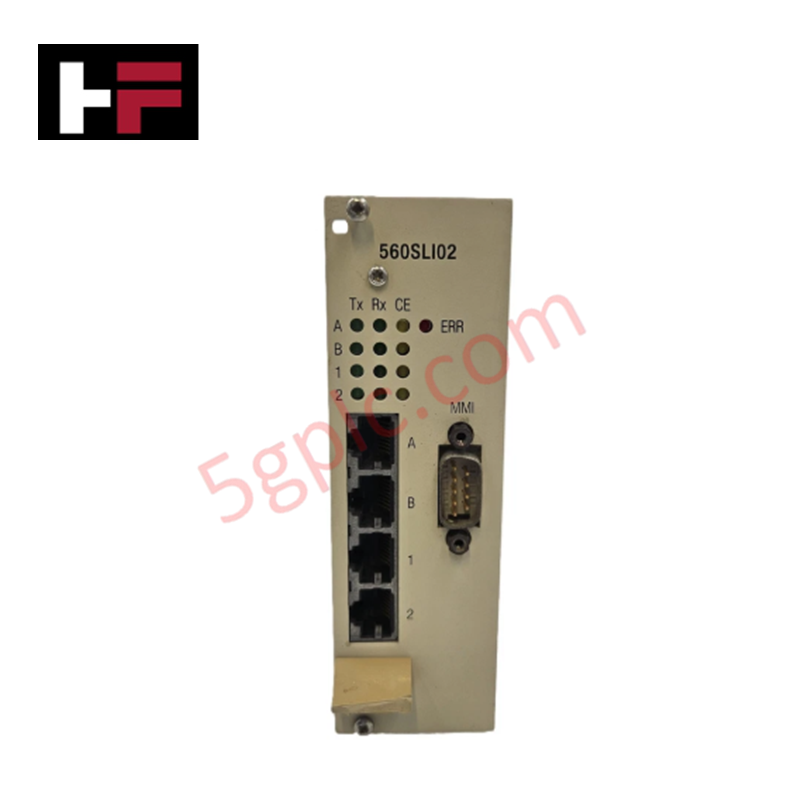
The ABB TC512 3BSE006383R1, also cataloged as the TC512 Communication Module, operates as a dedicated hardware component for RS485 twisted pair data transmission and signal conversion within ABB MasterPiece and Advant OCS platforms.
Hardware Specifications
| Parameter | Specification |
|---|---|
| Model | TC512 3BSE006383R1 |
| Brand | ABB |
| Origin | Sweden |
| Weight | 0.70 kg |
| Dimensions | Standard Advant Rack Module Size |
| Operating Temp | 0 to 55 deg C |
| Power Consumption | 24 VDC Loop / Backplane Bus Powered |
| Interface Type | RS485 Differential Twisted Pair |
| Transmission Topology | Point-to-Point / Multi-Drop Bus |
| Isolation | Transformer / Optocoupler Galvanic Isolation |
Deterministic Network Integration and I/O Density Scaling
The TC512 communication module converts serial processor bus logic into differential RS485 physical signals to sustain reliable long-distance data exchange across Profinet and EtherNet/IP deterministic networks. Embedded hardware line drivers maintain high backplane bus communication velocity while preventing impedance mismatches and noise coupling along twisted pair segments. Compact rack-mount engineering supports flexible I/O density scaling, while onboard boot logic guarantees full firmware flash compatibility during master controller scan execution.
Frequently Asked Questions
Q: Does the TC512 modem support live insertion into an energized controller rack backplane?
A: No, module removal or insertion while the backplane power supply is active can cause electrical transients and corrupt serial bus traffic. Power down the rack segment prior to replacement.
Q: How is signal reflection minimized on the RS485 serial segment connected to the TC512?
A: External line termination resistors (typically 120 ohm) must be placed across the differential signal pair at both physical ends of the RS485 network segment.
Q: What function does the internal galvanic isolation barrier serve?
A: The galvanic isolation stages isolate the backplane logic from ground potential differences and induced surge voltages present on field-routed twisted pair cabling.
Field Installation Guidelines
- Disconnect backplane system power and field communication loops before inserting or removing the TC512 module.
- Secure all twisted pair signal leads to the screw terminal connectors using shielded cable with the shield drain wire connected to a single point ground.
- Ensure RS485 bus cable lengths remain strictly within specified baud rate distances to prevent packet corruption.
- Tighten physical rack retaining screws to ensure proper grounding chassis contact and mechanical alignment with the bus backplane.
Additional Information
- 100% Genuine Parts: All products are original and authentic, ensuring reliable industrial performance.
- 30-Day Refund Guarantee: Return any in-stock item within 30 days in original, unopened packaging for a full refund (excluding shipping and fees).
- 12-Month Warranty: Covers defects in materials or workmanship; excludes misuse, normal wear, or unauthorized modifications.
- Worldwide Shipping: We ship via USPS, UPS, FedEx, and DHL. Delivery times vary by country and may be subject to customs or import fees.
- Support & Contact: Technical and warranty assistance is available anytime. Contact us here: Contact.
- Purchase Guidance: Check product specifications and compatibility carefully before ordering to ensure proper application.
Tech & Buying Guide

Layer-2 vs. Layer-3 Network Switches in Industrial Control Systems
Modern factory automation relies heavily on robust Industrial Ethernet communications. Control system engineers deploy managed Ethernet switches to connect programmable logic controllers (PLCs), distributed control systems (DCS), human-machine interfaces (HMIs), and field I/O devices. Selecting between Layer-2 and Layer-3 switching architecture directly impacts network throughput, routing capabilities, and overall cybersecurity defense in operational technology (OT) networks.

Understanding OpenTelemetry in Industrial Automation: Architecture, Observability, and Operational Benefits
Modern industrial control systems (PLCs, DCS, edge nodes) are rapidly adopting cloud-native architectures, generating vast operational data. OpenTelemetry offers an open-source framework that unifies metrics, logs, and execution traces, enabling standardized observability across industrial automation and IT systems.
Mastering Functional Safety Terminology in Industrial Automation
In modern process control and factory automation, managing operational risk is a top engineering priority. High-speed machinery, high-pressure vessels, and continuous processes present constant hazards to personnel and equipment. Modern plant operations rely heavily on functional safety strategies to mitigate these risks. This guide breaks down the essential functional safety terminology that every control systems engineer should master.