












Product Details
Description
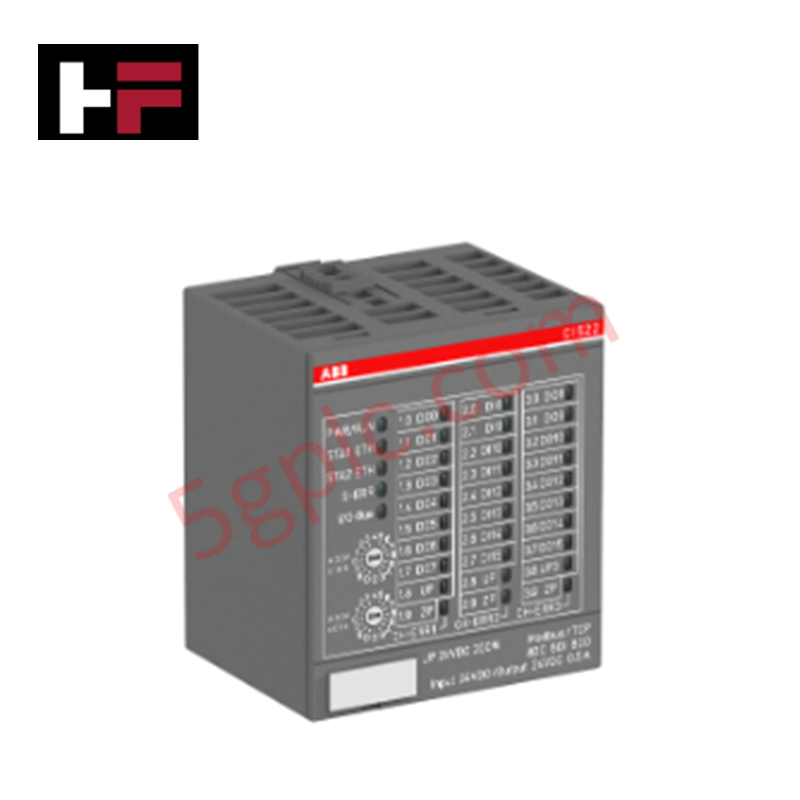
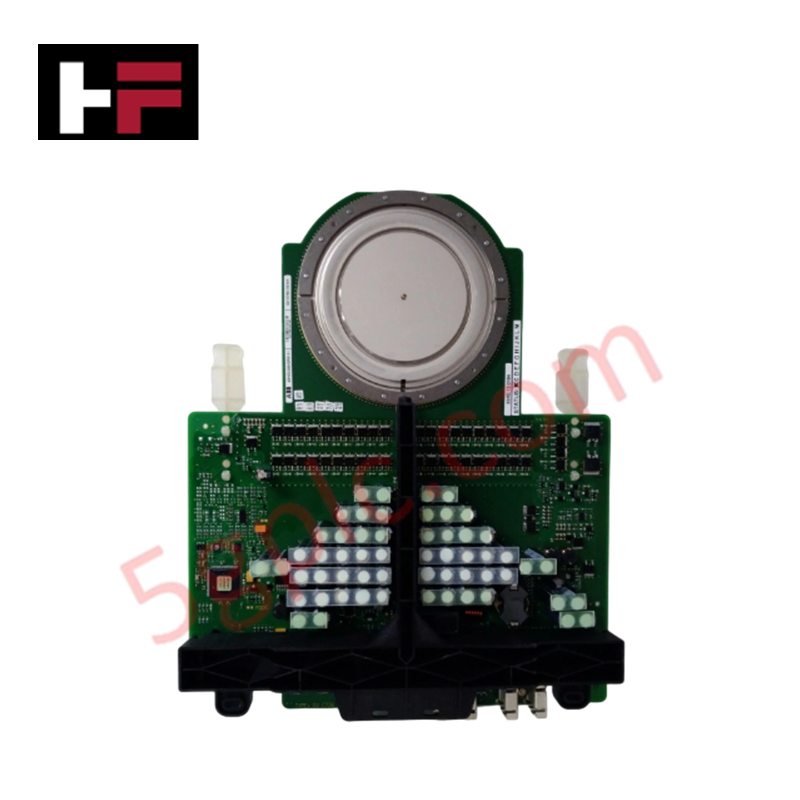
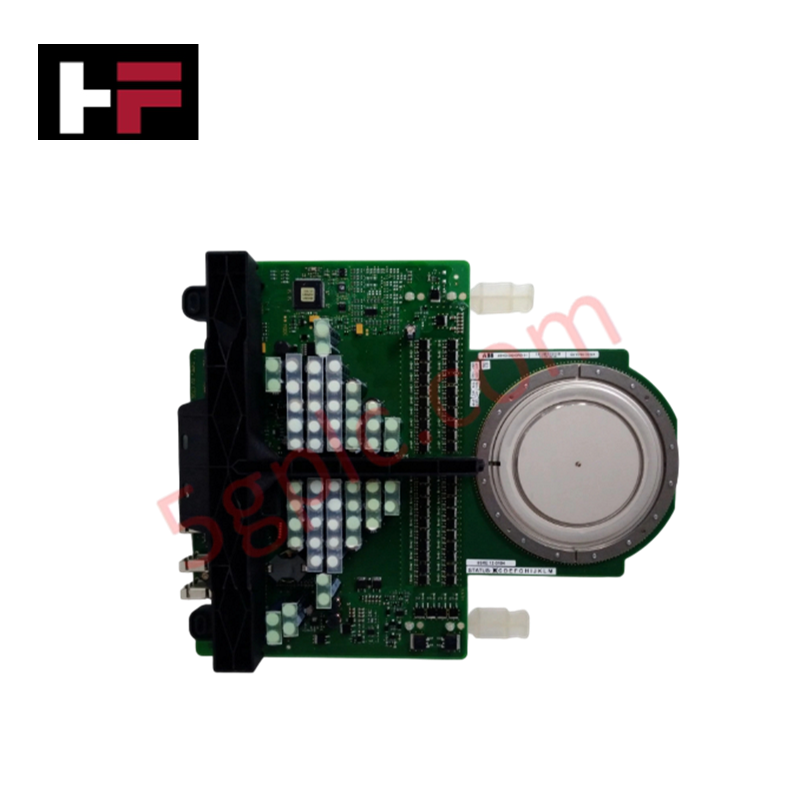
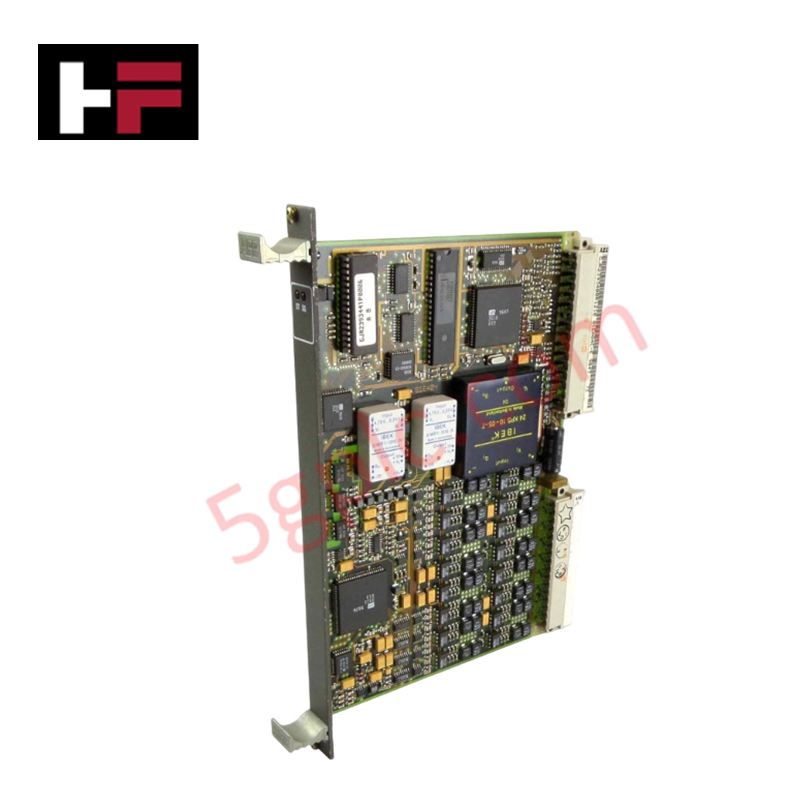
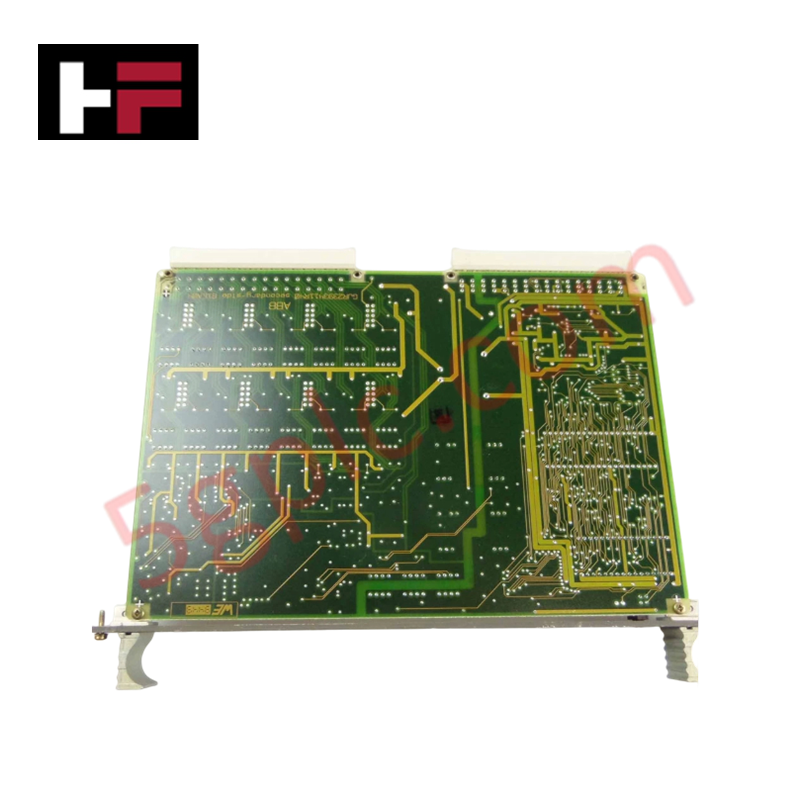
The ABB AI895 is a high-performance 8-channel analog input module designed for the S800 I/O platform. This unit is specifically engineered to interface with 4-20 mA transmitters located in hazardous environments by incorporating internal energy-limiting barriers. By removing the need for external isolation hardware, the 3BSC690086R1 optimizes cabinet space and reduces installation costs. It supports full HART digital communication pass-through, allowing for advanced device management and remote diagnostics of smart field instruments within the System 800xA architecture.
Specifications
-
Manufacturer: ABB
-
Country of Origin: Switzerland
-
Model Number: AI895
-
Order Number: 3BSC690086R1
-
Product Type: Intrinsically Safe Analog Input
-
Number of Channels: 8
-
Input Signal Range: 4 to 20 mA
-
A/D Resolution: 12-bit
-
HART Support: Bi-directional HART communication
-
Hazardous Area Suitability: Designed for connection to devices in Zone 0, 1, and 2
-
Weight: 0.3 kg
Features
-
Built-in Safety Barriers: Provides direct connectivity to field instruments in explosive atmospheres without requiring additional galvanic isolators.
-
HART Digital Integration: Facilitates seamless access to smart instrument data, including secondary variables and device health status.
-
High-Density Monitoring: Eight differential channels provide efficient use of space for complex process monitoring networks.
-
Channel Isolation: Engineered with robust galvanic isolation to prevent ground loop interference and ensure signal purity.
-
System Diagnostics: Continuously monitors for field wiring faults such as open circuits or short circuits, reporting status directly to the controller.
-
Redundant Application: Compatible with redundant configuration schemes to enhance system availability and process uptime.
Additional Information
- 100% Genuine Parts: All products are original and authentic, ensuring reliable industrial performance.
- 30-Day Refund Guarantee: Return any in-stock item within 30 days in original, unopened packaging for a full refund (excluding shipping and fees).
- 12-Month Warranty: Covers defects in materials or workmanship; excludes misuse, normal wear, or unauthorized modifications.
- Worldwide Shipping: We ship via USPS, UPS, FedEx, and DHL. Delivery times vary by country and may be subject to customs or import fees.
- Support & Contact: Technical and warranty assistance is available anytime. Contact us here: Contact.
- Purchase Guidance: Check product specifications and compatibility carefully before ordering to ensure proper application.
Tech & Buying Guide

Navigating Industrial Automation Failures: Types, Causes, and Mitigation Strategies
Modern manufacturing relies heavily on automated control systems to maximize throughput and maintain product quality. However, unplanned downtime in industrial automation can cost facility operators thousands of dollars per hour. Understanding how programmable logic controllers (PLCs), distributed control systems (DCS), and field instrumentation fail empowers engineering teams to implement robust preventive maintenance strategies.

Essential Motion Control Commands: A Practical Guide for Engineers
Automation engineers often rely on precise position and speed control to drive modern factory machinery. Modern industrial systems, such as Programmable Logic Controllers (PLCs) and Distributed Control Systems (DCS), depend heavily on standardized motion instructions. Mastering these commands ensures operational safety, protects mechanical components, and optimizes cycle times across production lines.

The Role of Intrinsic Safety Barriers in PLC and DCS Architectures
Implementing robust protection in hazardous industrial environments represents a fundamental safety requirement in factory automation. Process facilities often handle volatile gases, dusts, and chemical agents that pose significant combustion risks. Consequently, control system engineers must deploy energy-limiting interfaces to isolate safe-area control cabinets from hazardous-area field instrumentation. This article examines the function, selection, and electrical principles of intrinsic safety barriers within modern PLC and DCS networks.