










Product Details
Product Description
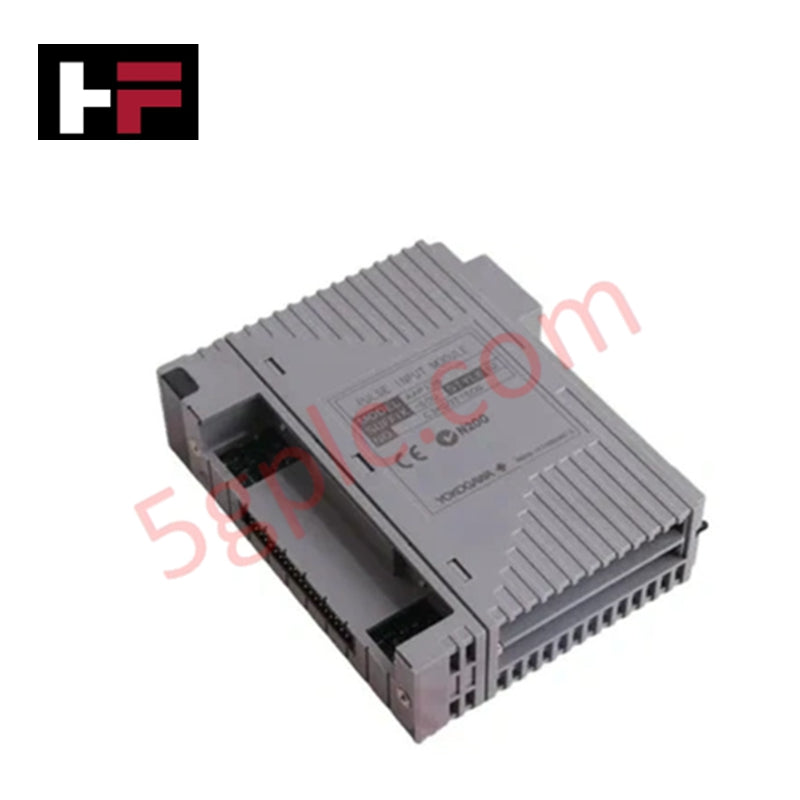
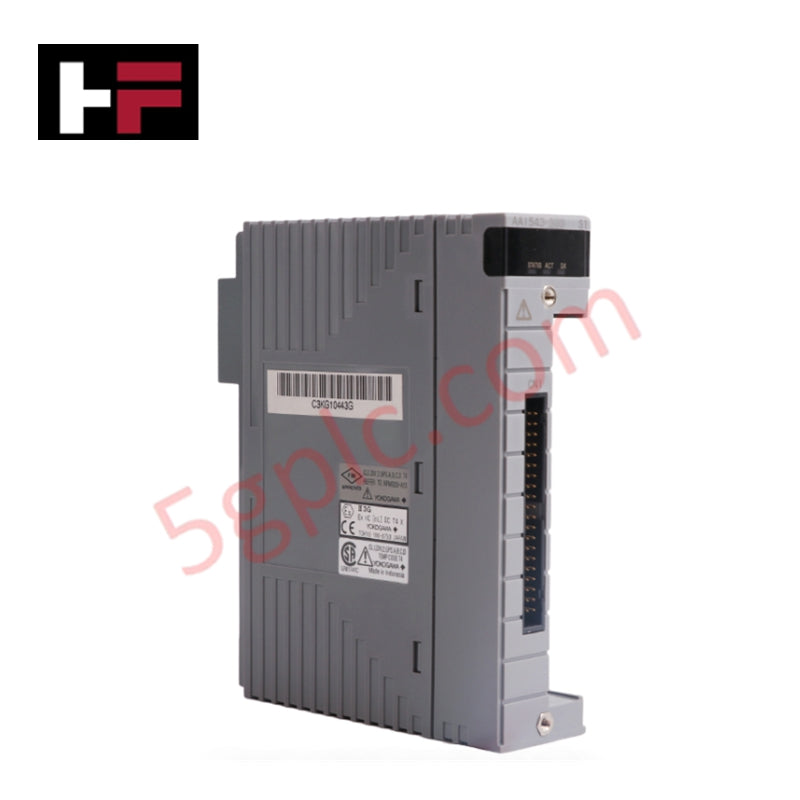
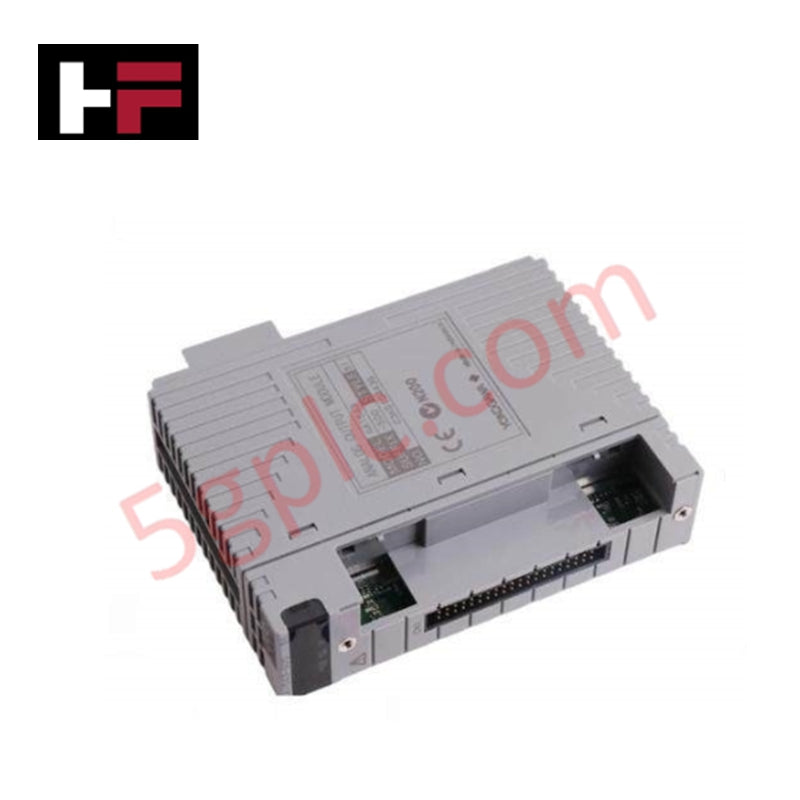
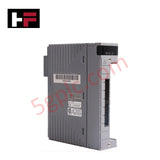
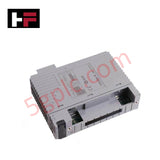
The AAI143-H53/K4A00 (Part Number AAI143-H53/K4A00) is a high-density, high-performance analog input interface engineered for the Yokogawa CENTUM VP distributed control system. This module is specifically designed to handle 16 channels of 4 to 20 mA signals with complete galvanic isolation between the field and the system logic. It provides an exceptional balance of speed and precision, featuring a 10 ms data refresh rate that is critical for fast-acting control loops and real-time process monitoring.
This enhanced variant features the -H53 suffix, meaning it is fully equipped for HART digital communication and includes an environmental hardening package. It is treated with ISA Standard G3 conformal coating to resist corrosive atmospheric elements and is rated for an extended operating temperature range of -20 to 70 °C. The module comes pre-configured with the ATK4A-00 adapter (indicated by /K4A00), facilitating a robust connection to AEA4D terminal boards via dedicated KS cables.
Detailed Technical Specifications
-
Input Channels 16 isolated channels
-
Input Signal Range 4 to 20 mA DC
-
HART Communication Supported on all channels for smart device diagnostics
-
Data Refresh Period 10 ms (High-speed update)
-
Measurement Accuracy ±16 µA precision
-
Input Resistance (Power ON) 270 Ω (at 20 mA) to 350 Ω (at 4 mA)
-
Input Resistance (Power OFF) ≥ 500 kΩ
-
Isolation Withstanding Voltage 1500 V AC for 1 minute (Input-to-System)
-
Transmitter Power Supply 19.0 V to 25.5 V DC with 25 mA current limiting
-
Transmitter Configuration Field-selectable 2-wire or 4-wire mode via internal pins
-
Thermal Drift ±16 µA per 10 °C variation
-
Current Consumption 230 mA (5 V DC) and 540 mA (24 V DC)
-
Environmental Protection ISA Standard G3 corrosive gas resistance
-
Temperature Rating -20 to 70 °C operating range
-
Module Weight 0.3 kg
Model Configuration and Suffix Breakdown
-
AAI143 High-density 16-channel isolated analog input base model
-
-H Integrated digital communication via HART protocol
-
5 Standard industrial version (Non-explosion protected)
-
3 G3 conformal coating and extended temperature range upgrade
-
K4A00 Includes the ATK4A-00 adapter for KS cable connectivity
Industrial Application Scenarios
-
Refining and chemical facilities where corrosive gases require G3-rated hardware.
-
High-density monitoring of 16 separate pressure or flow transmitters in a single slot.
-
Facilities in extreme climates requiring reliable I/O performance up to 70 °C.
-
Intelligent asset management systems that utilize HART data for predictive maintenance.
Technical FAQ
How is the 2-wire vs 4-wire transmitter setup handled?
The AAI143-H53/K4A00 allows for individual channel flexibility. For each of the 16 channels, you can set the power supply mode (2-wire or 4-wire) by adjusting the hardware pins on the module before installation.
What is the benefit of the ATK4A-00 interface?
The /K4A00 option simplifies field-to-DCS integration. It uses the ATK4A-00 adapter to bridge the module to an AEA4D terminal board. This replaces dense manual wiring with a single, high-reliability KS cable, significantly reducing commissioning time.
Additional Information
- 100% Genuine Parts: All products are original and authentic, ensuring reliable industrial performance.
- 30-Day Refund Guarantee: Return any in-stock item within 30 days in original, unopened packaging for a full refund (excluding shipping and fees).
- 12-Month Warranty: Covers defects in materials or workmanship; excludes misuse, normal wear, or unauthorized modifications.
- Worldwide Shipping: We ship via USPS, UPS, FedEx, and DHL. Delivery times vary by country and may be subject to customs or import fees.
- Support & Contact: Technical and warranty assistance is available anytime. Contact us here: Contact.
- Purchase Guidance: Check product specifications and compatibility carefully before ordering to ensure proper application.






Tech & Buying Guide

Essential Best Practices for PLC Wiring and Installation in Industrial Automation
Successful control system deployment begins with thoroughly reviewing manufacturer technical documentation. Controllers from major brands like Allen-Bradley, Siemens, and Schneider Electric feature unique terminal layouts. Engineers must verify voltage requirements before connecting power cables to prevent catastrophic equipment damage. Standard line connections require strict adherence to regional electrical codes and proper wire color coding. Furthermore, panel builders should always establish a robust low-impedance ground connection using at least 16-AWG copper conductor tied directly to the main plant grounding grid.

Demystifying Programmable Logic Controllers: Comprehensive Guide to PLC Classification and Selection in Industrial Automation
Modern industrial automation heavily relies on Programmable Logic Controllers (PLCs) to drive factory floor efficiency. Over my 15 years as an industrial automation expert working with DCS, TSI, and control systems, I have seen PLCs evolve into the central nervous system of modern manufacturing. Selecting the right controller requires a deep understanding of PLC types based on physical size, hardware architecture, and power supply configurations.

Comprehensive Guide to PLC Types in Modern Industrial Automation
Modern industrial automation relies on programmable logic controllers to govern critical factory operations. System integrators classify PLCs based on scale, hardware architecture, and power supply design. Understanding these core categories enables automation engineers to select the right control system architecture. Consequently, proper hardware selection optimizes performance while minimizing long-term operational costs.