Product Details
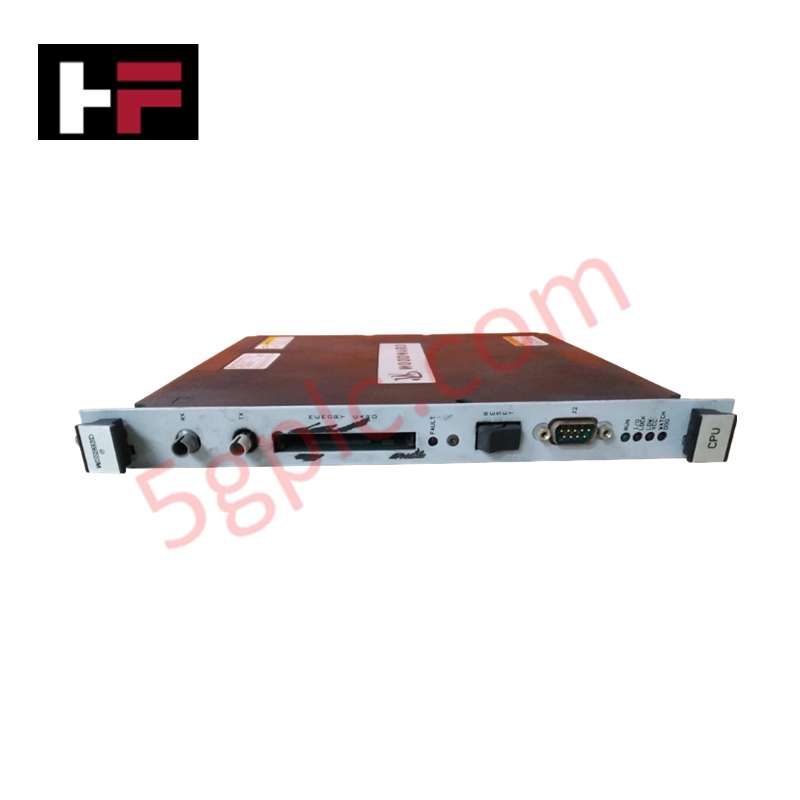
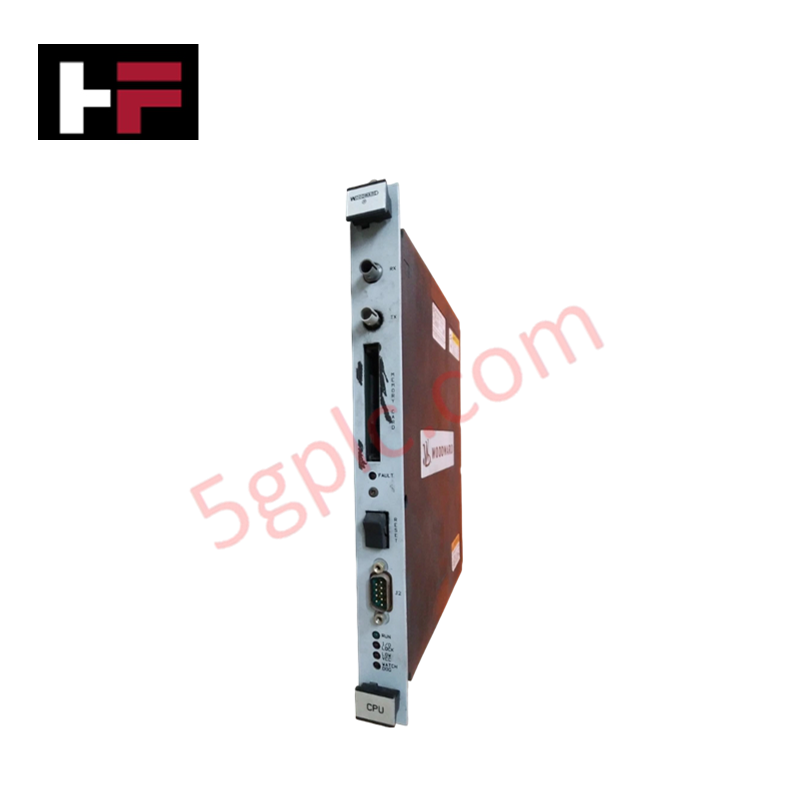
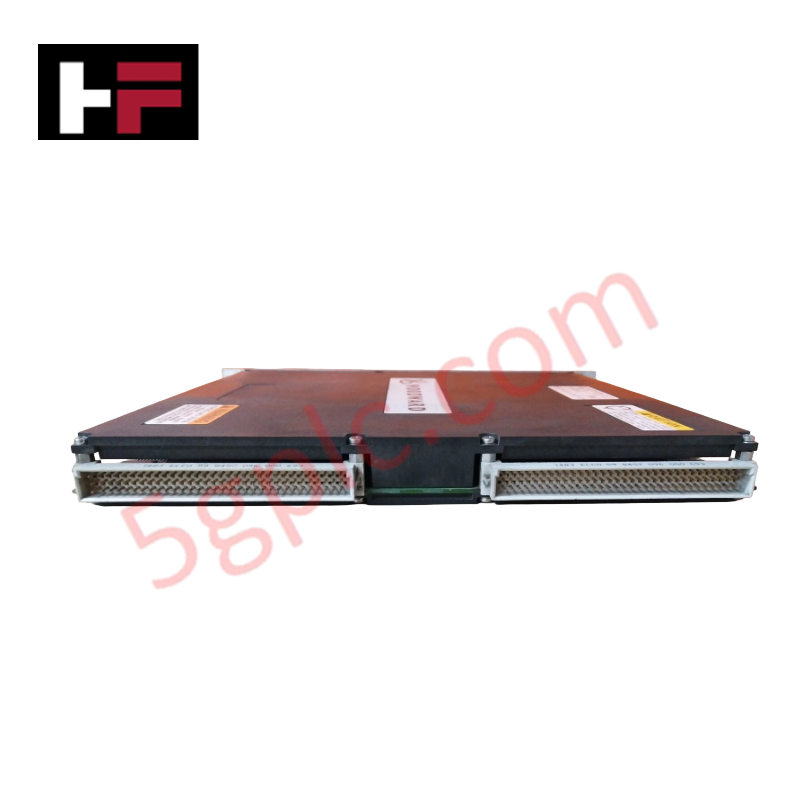
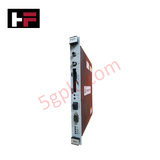
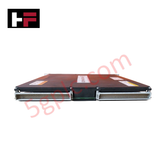
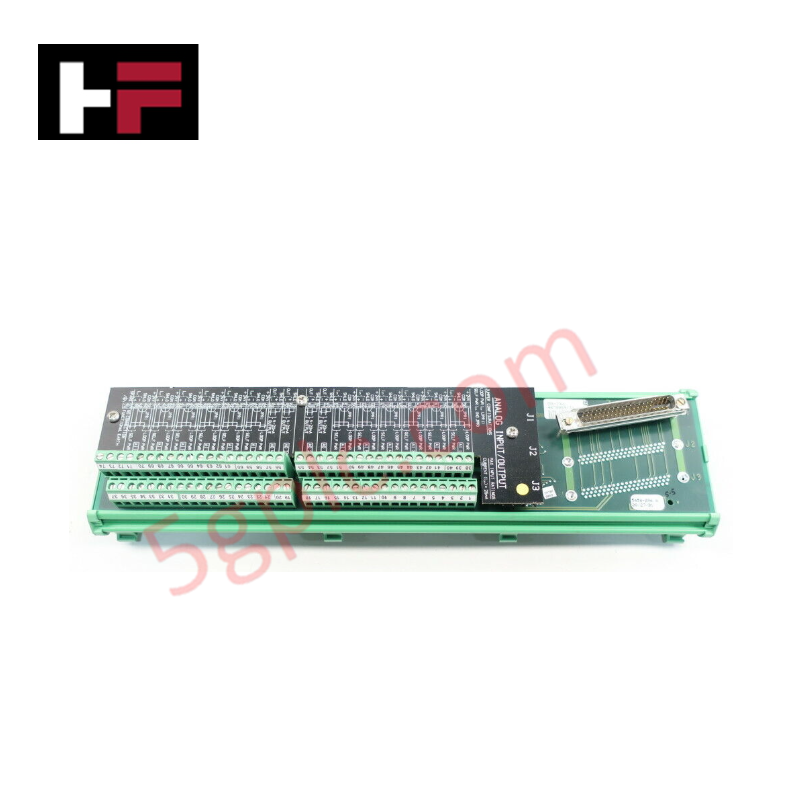
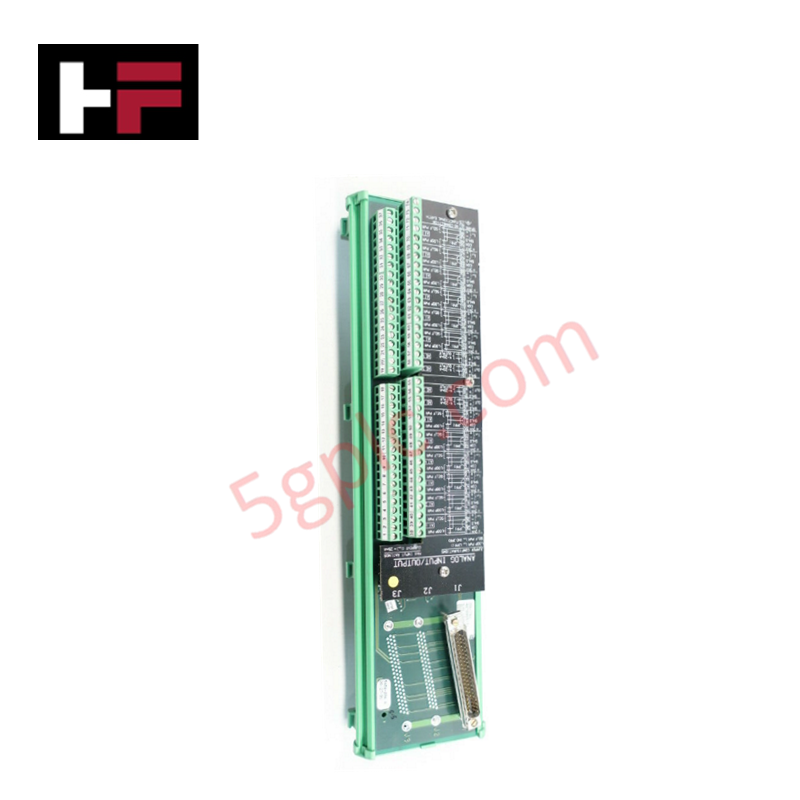
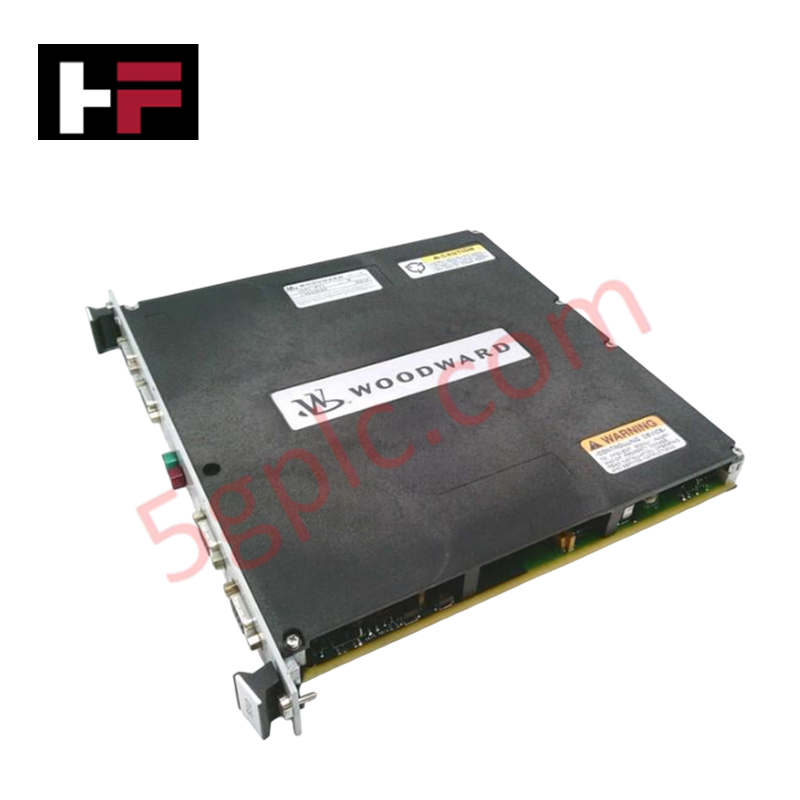
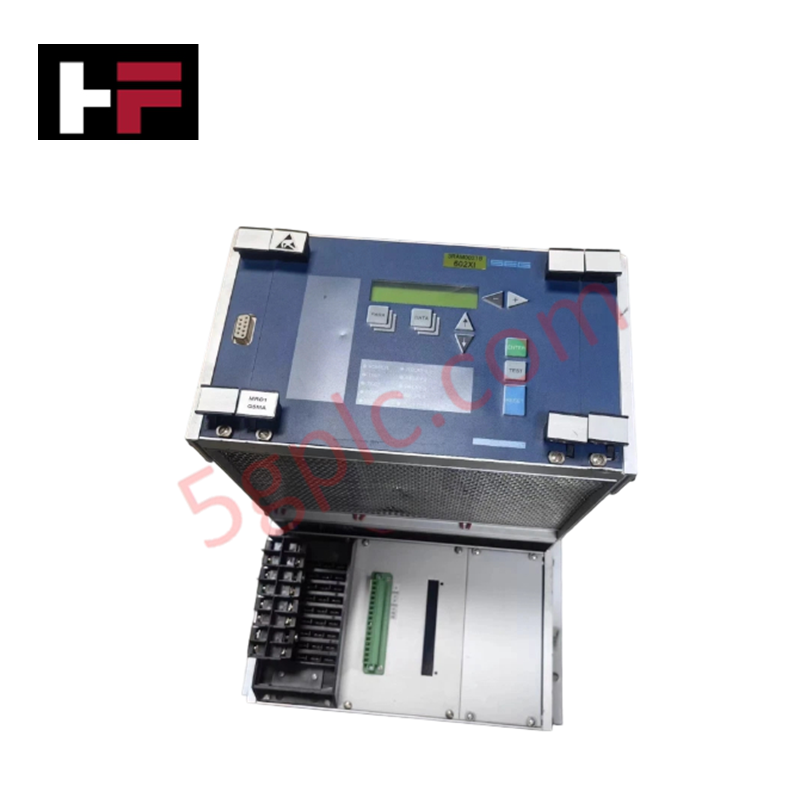
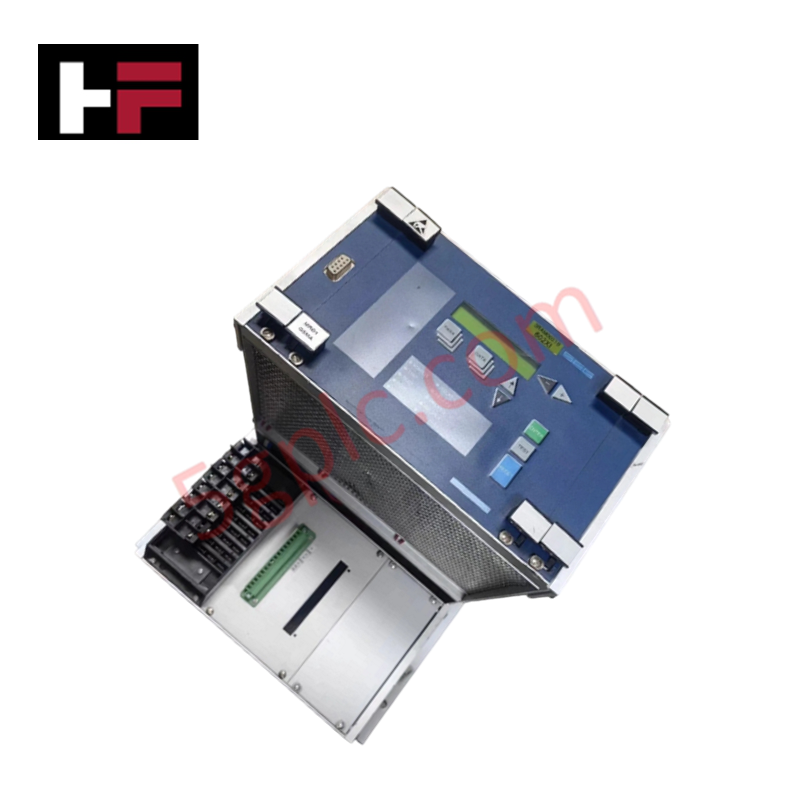
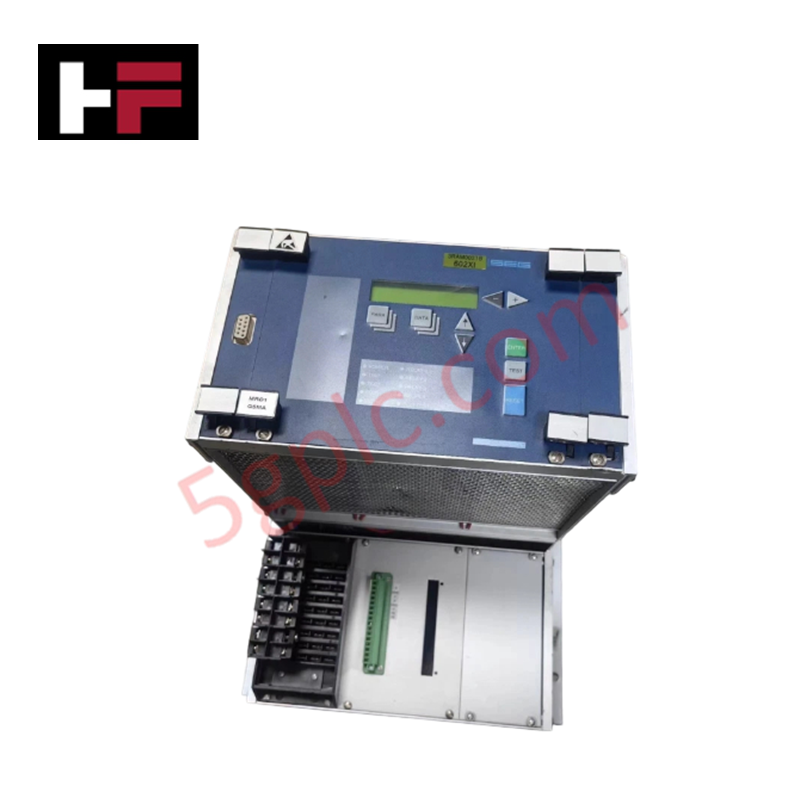
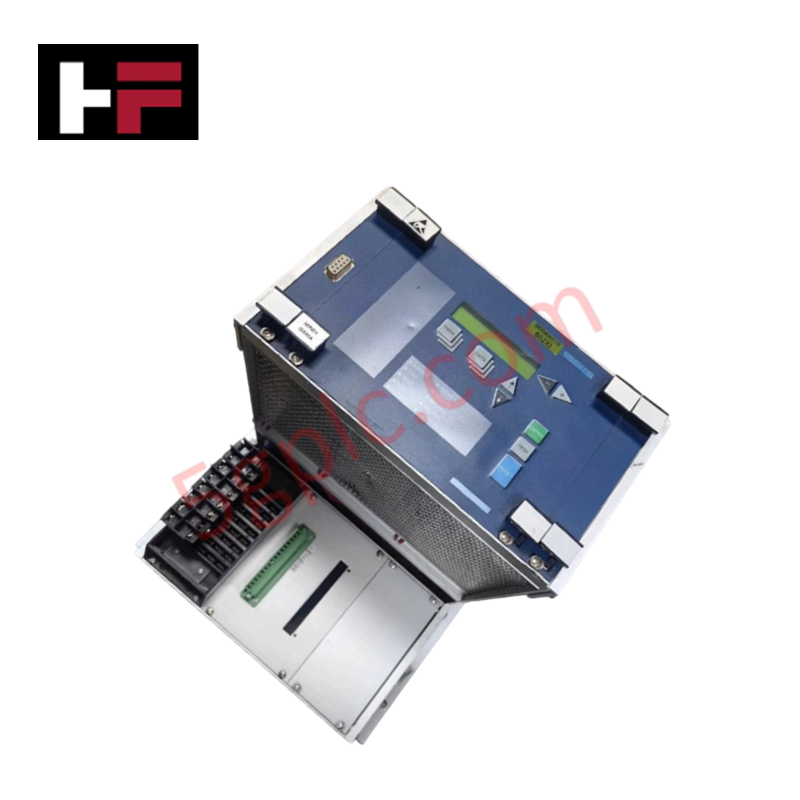
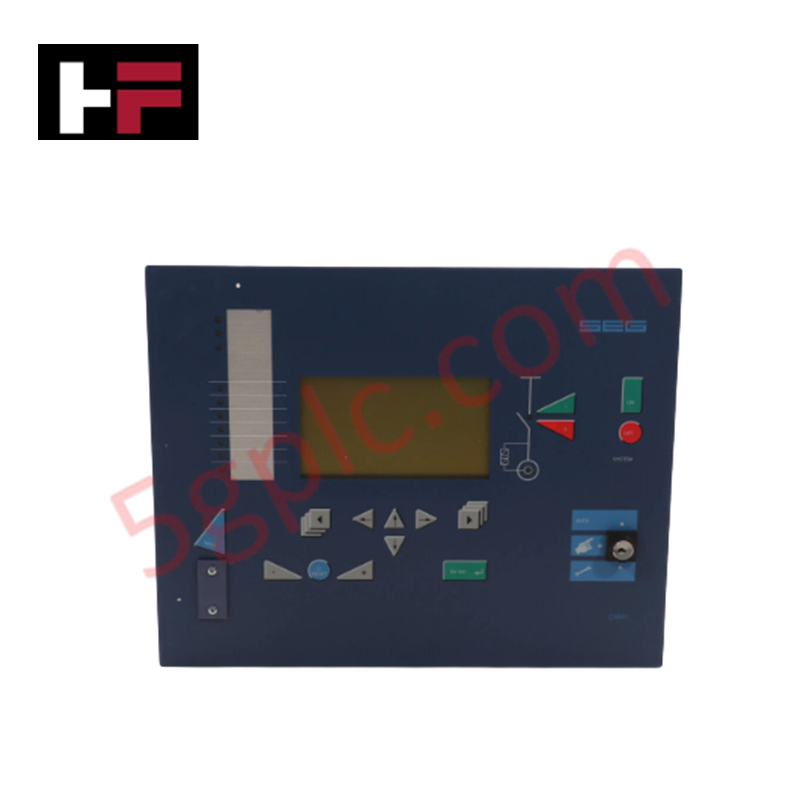
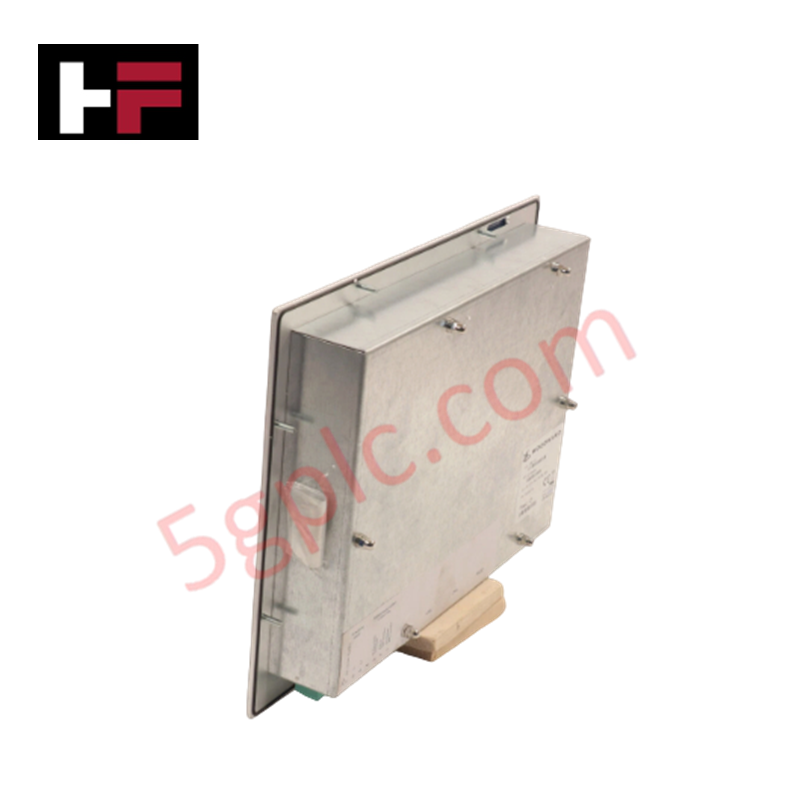
The Woodward 5501-470, also cataloged as the 5501-470 Technical Memory Module, operates as a dedicated hardware component for non-volatile storage of configuration data, program code, and data logs within MicroNet and MicroNet Plus digital control systems.
Hardware Specifications
| Parameter | Specification |
|---|---|
| Model | 5501-470 |
| Brand | Woodward |
| Operating Temp | -40 to 85 deg C |
| Memory Capacity | 470 KB |
| Interface | VMEbus |
| Storage Temp | -55 to 95 deg C |
| Humidity | 0 to 100% RH (non-condensing) |
V/Hz and Field-Oriented Vector Control
The 5501-470 memory module supports the storage of critical control parameters required for executing V/Hz and field-oriented vector control algorithms within Woodward governor platforms. By maintaining non-volatile copies of application code and setup logs, the module ensures that control parameters remain intact during power cycles, which is required for consistent prime mover regulation. The VMEbus interface provides the necessary bandwidth for rapid data retrieval during system boot sequences, enabling the governor to achieve a stable actuator loop feedback response shortly after initialization. Thermal management is optimized for industrial environments, ensuring data integrity remains within specified tolerances across the -40 to 85 deg C operating range.
Frequently Asked Questions
Q: Does the 5501-470 support hot-swapping within the VMEbus rack?
A: No, this module is not designed for hot-swapping. Ensure the MicroNet system is fully de-energized before attempting to install or remove the memory module to prevent corruption of the VMEbus backplane or electrical damage to the module interface.
Q: Are there specific configuration requirements for dual or triple-board setups?
A: Yes, multi-board configurations require proper backplane jumper settings or system software recognition to manage the redundant data paths. Ensure the system firmware is updated to support the specific hardware configuration selected.
Field Installation Guidelines
- Mounting: Insert the module into the designated VMEbus slot. Ensure the board is fully seated to guarantee connection integrity with the backplane pins.
- Handling: Adhere to standard electrostatic discharge (ESD) prevention protocols when handling the module to protect the internal non-volatile memory components.
- Environment: Verify that the installation site humidity is within the 0 to 100% RH range. Although the module is rated for non-condensing environments, ensure the cabinet is sealed to prevent moisture accumulation on the circuit board.
- Validation: After installation, utilize the MicroNet service tool to verify that the system correctly identifies the memory capacity and configuration type before downloading application code or configuration data.
Additional Information
- 100% Genuine Parts: All products are original and authentic, ensuring reliable industrial performance.
- 30-Day Refund Guarantee: Return any in-stock item within 30 days in original, unopened packaging for a full refund (excluding shipping and fees).
- 12-Month Warranty: Covers defects in materials or workmanship; excludes misuse, normal wear, or unauthorized modifications.
- Worldwide Shipping: We ship via USPS, UPS, FedEx, and DHL. Delivery times vary by country and may be subject to customs or import fees.
- Support & Contact: Technical and warranty assistance is available anytime. Contact us here: Contact.
- Purchase Guidance: Check product specifications and compatibility carefully before ordering to ensure proper application.
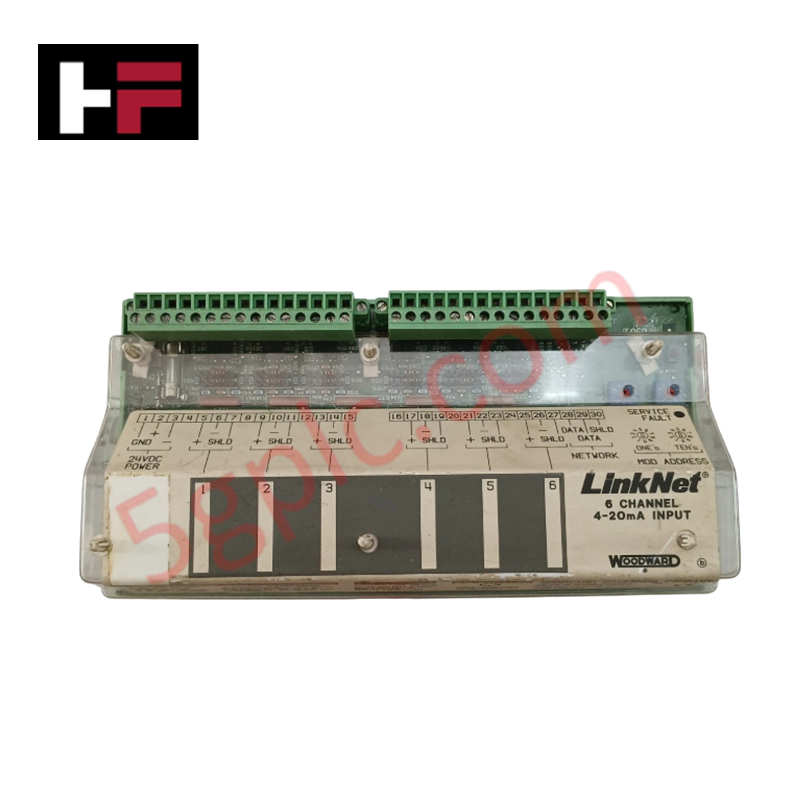
Tech & Buying Guide

Voice-Activated Industrial Automation: Integrating Speech Control into PLC and DCS Architectures
Industrial automation integrates speech recognition, IIoT protocols, and NLP with PLCs and DCS to streamline operations. By leveraging advanced edge computing, engineers enable real-time, hands-free control—allowing personnel to manage smart factory processes safely away from hazardous equipment.
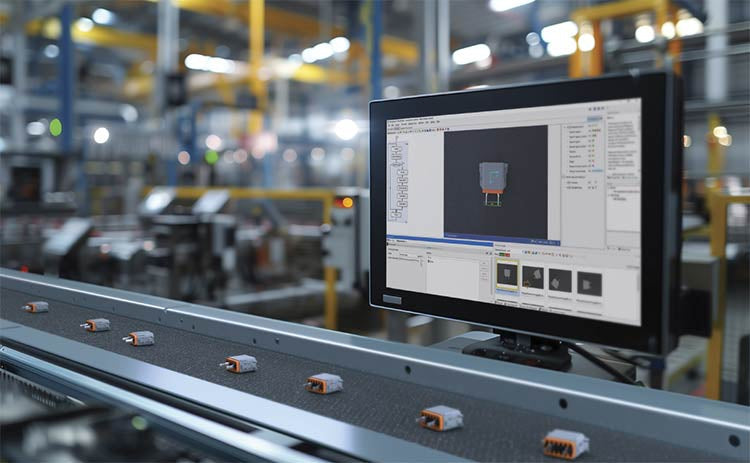
Modern Industrial Automation: Transforming Safety and Efficiency in Mining Operations
Industrial automation has evolved from a simple manufacturing tool into the operational backbone of high-risk sectors. Modern mining operations increasingly rely on advanced control systems, programmable logic controllers (PLCs), distributed control systems (DCS), and artificial intelligence to address deep-underground hazards. By replacing manual labor in high-risk zones, factory automation technologies protect personnel while significantly boosting operational throughput.