










Product Details
Product Overview
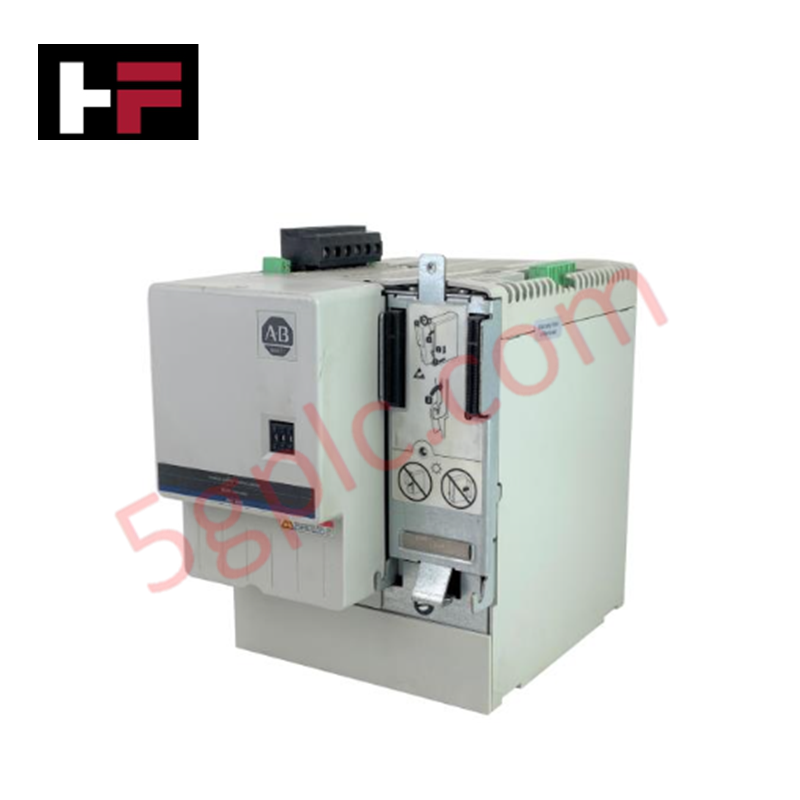
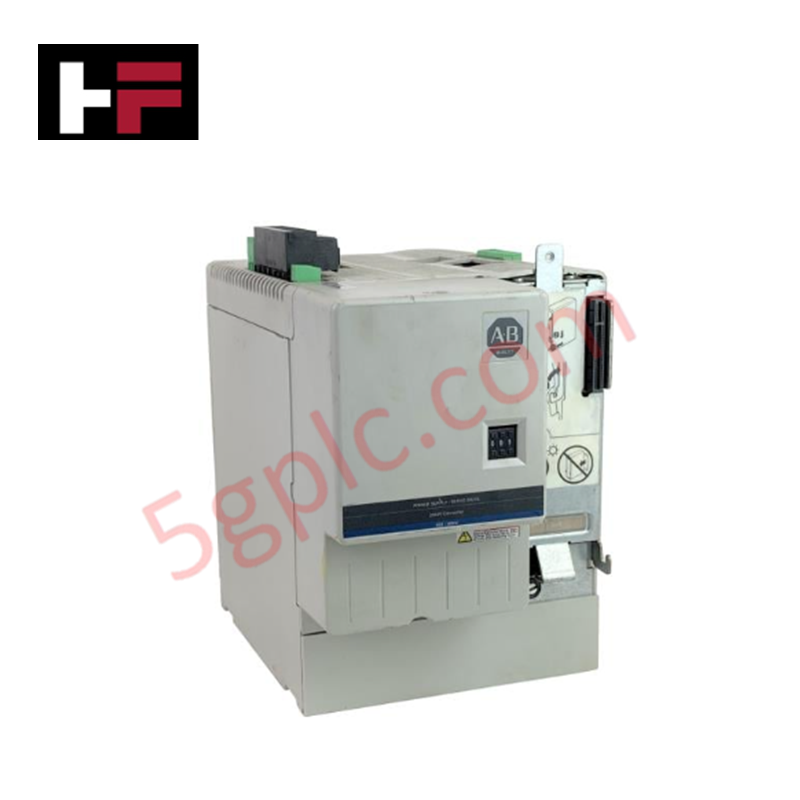
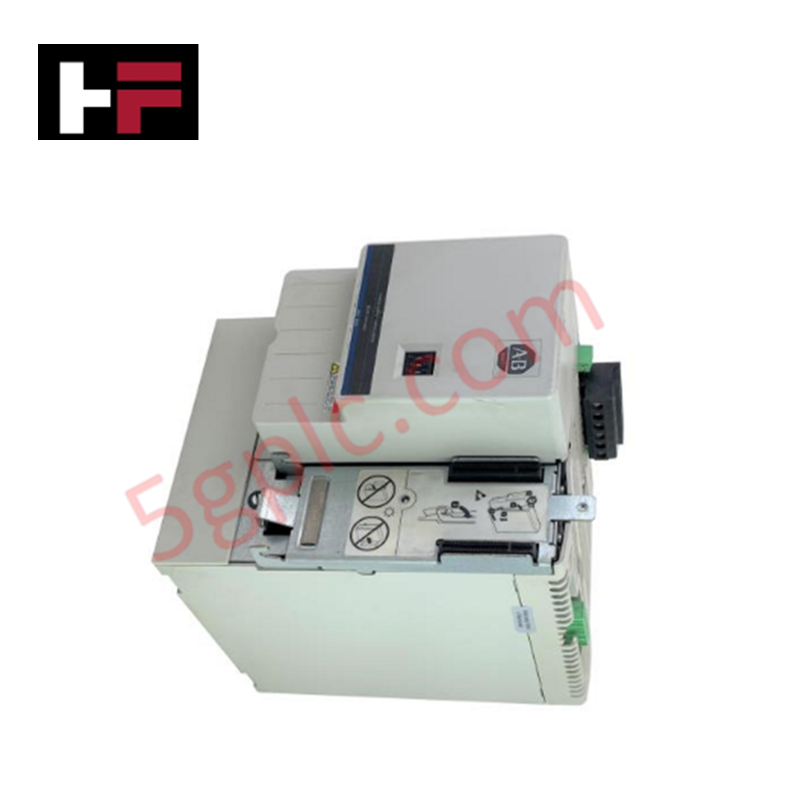
The Allen Bradley 2094-BC04-M03-M operates as a foundational Integrated Axis Module (IAM) for the Kinetix 6200 multi-axis servo drive platform. This heavy-duty 460V-class module consolidates both the rectifier stage and an inverter axis into a single physical unit. It rectifies incoming three-phase AC factory line power to provide a high-capacity 27.6 kW DC bus link that powers adjacent slotted follower axes across a shared power rail system.
We supply this component strictly as a 100% brand new, original factory-sealed unit to eliminate the mechanical and thermal fatigue vectors common in secondhand components, ensuring predictable performance on critical motion lines.
Technical Specifications
The electrical, protection, and installation requirements of the power module include the following parameters:
| Parameter | Engineering Rating / Specification |
| Manufacturer | Allen Bradley / Rockwell Automation |
| Part Number / UPC | 2094-BC04-M03-M / 884951147799 |
| Product Line | Kinetix 6200 Servo System |
| Power Module Type | Integrated Axis Module (IAM) |
| AC Input Grid Voltage | 324…528V RMS, Three-Phase (360…480V Nominal) |
| Control Voltage Input | 95…264V RMS, Single-Phase (110…240V Nominal) |
| Continuous Power Output to Bus | 27.6 kW |
| Continuous Output Current to Bus | 41.5 A |
| Axis Output Current | 30 A (13 kW Wattage Rating) |
| Bus Overvoltage Trip Threshold | 825 VDC |
| Bus Undervoltage Trip Threshold | 275 VDC |
| Maximum Bus Capacitance | 8955 µF |
| Power Dissipation Window | 94 - 255 Watts |
| Operating Temperature Envelope | 0°C to 50°C (32°F to 122°F) |
| Net Weight | 22.00 lbs (9.98 kg) |
Engineering Advantages
-
Stabilizes DC Rails Against Voltage Sags: The internal 8955 µF capacitor bank absorbs massive load spikes during heavy multi-axis acceleration. This high capacitance prevents the DC bus voltage from dipping into the 275 VDC undervoltage fault zone, allowing continuous machine operation even on unstable regional grids.
-
Streamlines High-Power Thermal Extraction: Despite an output of 27.6 kW to the shared bus, efficient power semiconductors restrict module heat loss to a maximum of 255 Watts. By enforcing a strict 50.8 mm (2.0 in.) vertical clearance zone during panel assembly, natural and forced cabinet airflow paths swiftly clear thermal energy away from sensitive control logic.
-
Eliminates Custom Power Backplane Design: This module drops into enclosures requiring a minimum depth of 272 mm (10.7 in.). It distribution rails plug directly into neighboring axes without long, shielded inter-axis cabling runs, eliminating electromagnetic interference (EMI) coupling and loop-noise issues that typically plague standalone drive architectures.
FAQs
-
What specific branch circuit overcurrent devices must engineers use to protect the control voltage inputs of the 2094-BC04-M03-M?
To comply with factory safety ratings, technicians must install Bussmann style FNQ-R-10 (10 A) or FNQ-R-7.5 (7.5 A) fuses on the control input power path. Alternatively, Allen Bradley 1492-SPM2D060 or 1492-SPM1D150 circuit breakers meet the upstream short-circuit protection requirements.
-
How does the drive protect its internal inverter circuit if a field motor short-circuits?
The drive firmware monitors current draw continuously at the output terminals. If the phase current spikes past safe limits, the module activates its internal overcurrent trip routine and isolates the output gate drivers within microseconds, shielding the central 13 kW power stage from destructive thermal surges.
-
Can this module function without a standalone control card installed on its front face?
No. The 2094-BC04-M03-M constitutes the raw power structure of the drive. The unit requires a front-mount Kinetix 6200 control module (such as an EtherNet/IP control module) to execute control loops, manage safety functions, and process network communications. Always slide the control module firmly into place and engage the locking tabs before applying AC line voltage.
Additional Information
- 100% Genuine Parts: All products are original and authentic, ensuring reliable industrial performance.
- 30-Day Refund Guarantee: Return any in-stock item within 30 days in original, unopened packaging for a full refund (excluding shipping and fees).
- 12-Month Warranty: Covers defects in materials or workmanship; excludes misuse, normal wear, or unauthorized modifications.
- Worldwide Shipping: We ship via USPS, UPS, FedEx, and DHL. Delivery times vary by country and may be subject to customs or import fees.
- Support & Contact: Technical and warranty assistance is available anytime. Contact us here: Contact.
- Purchase Guidance: Check product specifications and compatibility carefully before ordering to ensure proper application.
Tech & Buying Guide
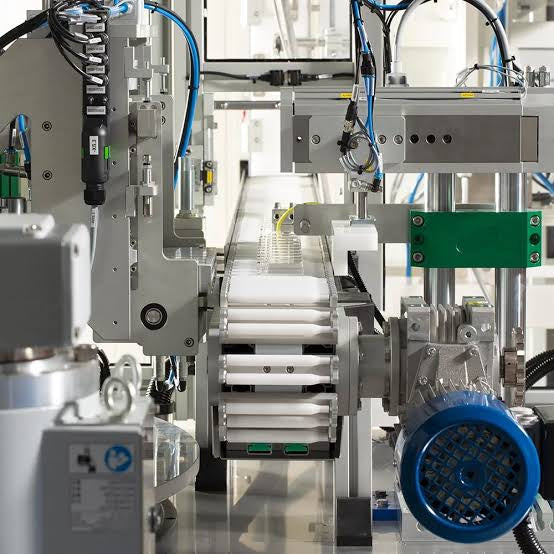
Mastering Modern Industrial Joystick Controls in Heavy Automation
Industrial joysticks play a pivotal role in human-machine interaction across heavy material handling and mobile hydraulics. These tactile controllers translate complex operator movements into precise electrical signals for PLCs, motion controllers, and DCS networks. Consequently, selecting and installing the right joystick architecture ensures operator safety, reduces fatigue, and optimizes equipment performance.

Navigating Industrial Automation Failures: Types, Causes, and Mitigation Strategies
Modern manufacturing relies heavily on automated control systems to maximize throughput and maintain product quality. However, unplanned downtime in industrial automation can cost facility operators thousands of dollars per hour. Understanding how programmable logic controllers (PLCs), distributed control systems (DCS), and field instrumentation fail empowers engineering teams to implement robust preventive maintenance strategies.
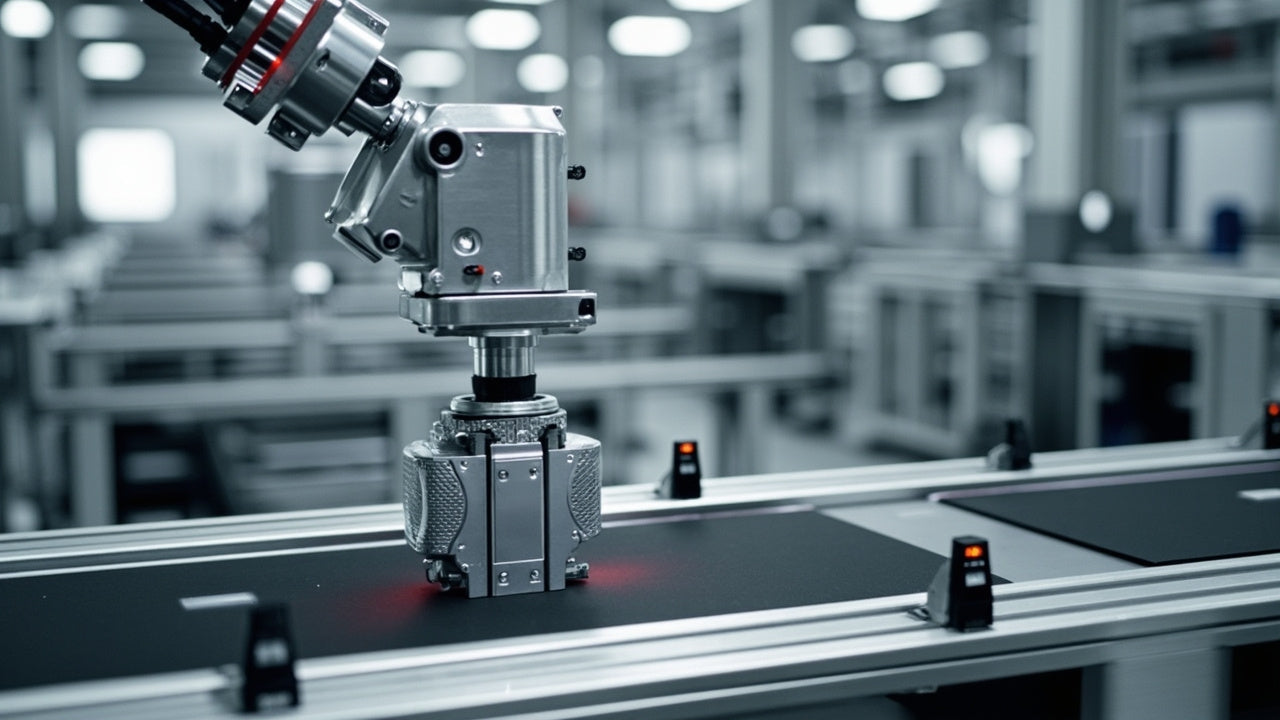
Essential Motion Control Commands: A Practical Guide for Engineers
Automation engineers often rely on precise position and speed control to drive modern factory machinery. Modern industrial systems, such as Programmable Logic Controllers (PLCs) and Distributed Control Systems (DCS), depend heavily on standardized motion instructions. Mastering these commands ensures operational safety, protects mechanical components, and optimizes cycle times across production lines.