












Product Details
Product Overview
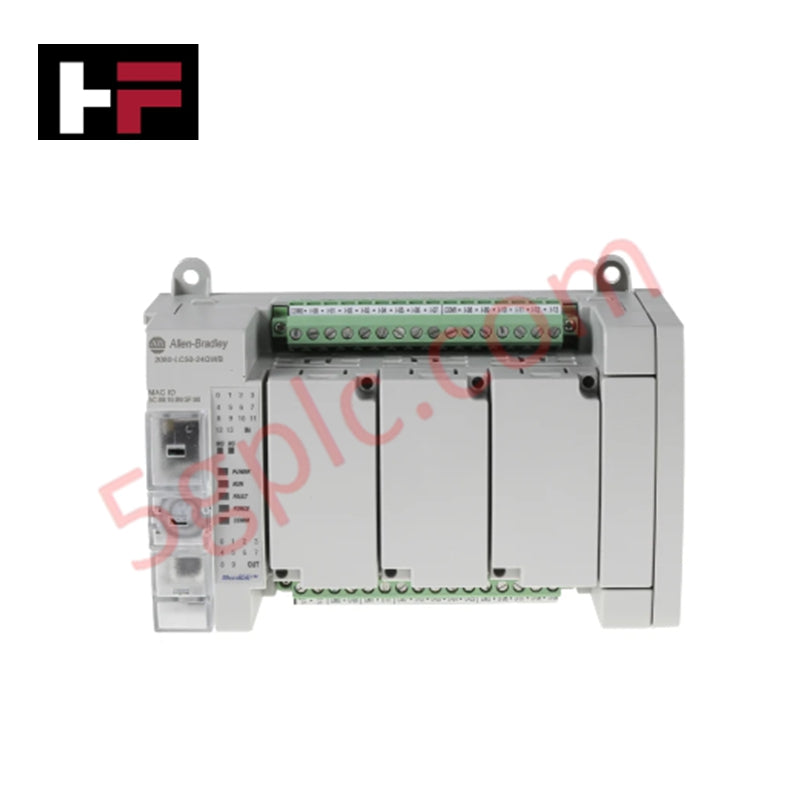
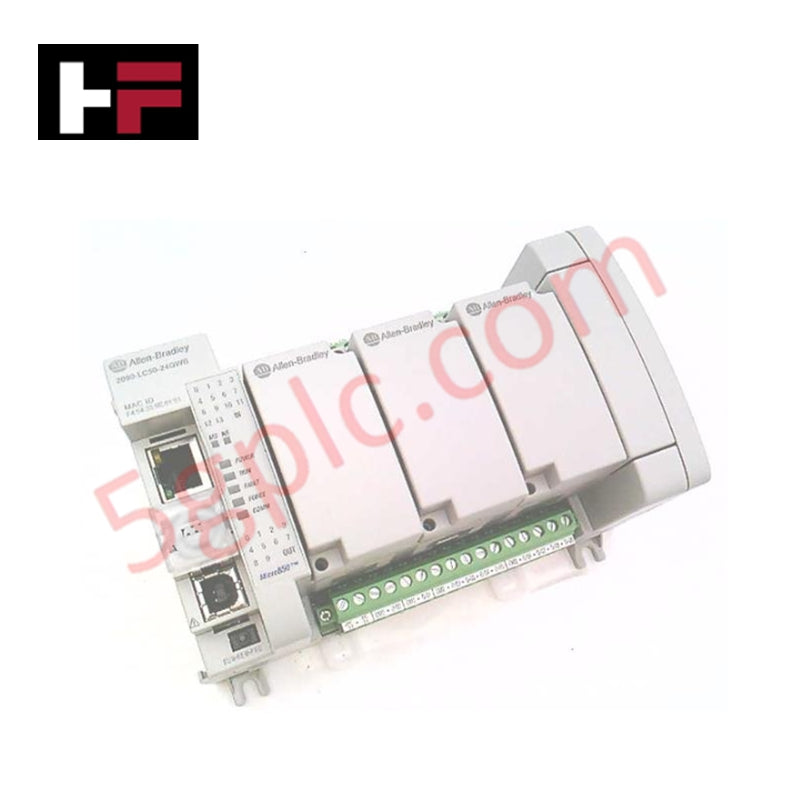
The Allen Bradley 2080-LC50-24QWB serves as the primary processing segment for the Micro850 expansion-ready control system. Designed for standalone machine applications that require more I/O than the Micro820, this controller supports up to 24 local I/O points and facilitates modular growth via plug-in and expansion I/O modules. We supply this unit as 100% Brand New and Original, ensuring your automation project utilizes current-generation hardware with full manufacturer integrity.
Technical Specifications
The 2080-LC50-24QWB integrates diverse I/O capabilities into a single DIN-rail mountable chassis:
| Feature | Specification |
| Manufacturer | Allen Bradley |
| Product Line | Micro850 |
| Total I/O Count | 24 Points |
| AC/DC Inputs | 14 Inputs (24V AC/DC) |
| Output Type | 10 Relay Outputs |
| Supply Voltage | 24V DC (Range: 20.4–26.4V DC) |
| High-Speed Counters | 4 Embedded HSC Channels |
| Power Consumption | 28 Watts |
| Terminal Torque | 0.6 Nm (5.3 lb-in.) |
| Enclosure Rating | IP20 Standard |
| Wiring Material | Copper rated for 90°C (194°F) |
Engineering Advantages
The 2080-LC50-24QWB offers specific technical benefits for system integrators and machine builders:
-
Flexible Input Signal Handling: The 14 onboard inputs accept both AC and DC signals at 24V. This versatility eliminates the need for interposing relays when interfacing with mixed-signal field devices, reducing cabinet complexity.
-
High-Load Switching: The 10 relay outputs handle higher current loads compared to transistor-based outputs. This allows direct control of small motors and solenoid valves, simplifying the circuit design for heavy-duty industrial applications.
-
Integrated Motion Feedback: Four embedded High-Speed Counters (HSC) process rapid pulse trains from encoders. This hardware enables precise positioning and velocity monitoring without requiring specialized external high-speed modules.
-
Enhanced Connectivity: The Micro850 architecture includes an embedded USB port for programming and an Ethernet port for seamless integration into factory-wide networks. This facilitates remote monitoring and rapid logic updates via Connected Components Workbench (CCW) software.
FAQs
-
What type of power supply does the 2080-LC50-24QWB require?
The unit requires a 24V DC external power supply. Ensure your power source stays within the 20.4V to 26.4V DC range to prevent logic resets or hardware damage during voltage fluctuations.
-
Does this model support expansion I/O?
Yes. The Micro850 series allows you to add up to four 2085 expansion I/O modules to the right of the controller, plus several plug-in modules on the front face. This allows for significant I/O density increases without consuming substantial DIN rail space.
-
What is the recommended wire gauge for the terminal blocks?
Use solid or stranded copper wire rated for at least 90°C. Tighten terminal screws to a torque of 0.6 Nm (5.3 lb-in.) to maintain electrical continuity and prevent arcing in high-vibration environments.
-
Can this controller communicate with other PLCs over Ethernet?
The 2080-LC50-24QWB supports EtherNet/IP (client/server), Modbus TCP, and symbolic addressing. This enables direct data exchange with other Micro800 controllers, PanelView HMIs, or larger Logix-based systems.
Additional Information
- 100% Genuine Parts: All products are original and authentic, ensuring reliable industrial performance.
- 30-Day Refund Guarantee: Return any in-stock item within 30 days in original, unopened packaging for a full refund (excluding shipping and fees).
- 12-Month Warranty: Covers defects in materials or workmanship; excludes misuse, normal wear, or unauthorized modifications.
- Worldwide Shipping: We ship via USPS, UPS, FedEx, and DHL. Delivery times vary by country and may be subject to customs or import fees.
- Support & Contact: Technical and warranty assistance is available anytime. Contact us here: Contact.
- Purchase Guidance: Check product specifications and compatibility carefully before ordering to ensure proper application.
Tech & Buying Guide

Navigating Industrial Automation Failures: Types, Causes, and Mitigation Strategies
Modern manufacturing relies heavily on automated control systems to maximize throughput and maintain product quality. However, unplanned downtime in industrial automation can cost facility operators thousands of dollars per hour. Understanding how programmable logic controllers (PLCs), distributed control systems (DCS), and field instrumentation fail empowers engineering teams to implement robust preventive maintenance strategies.
Essential Motion Control Commands: A Practical Guide for Engineers
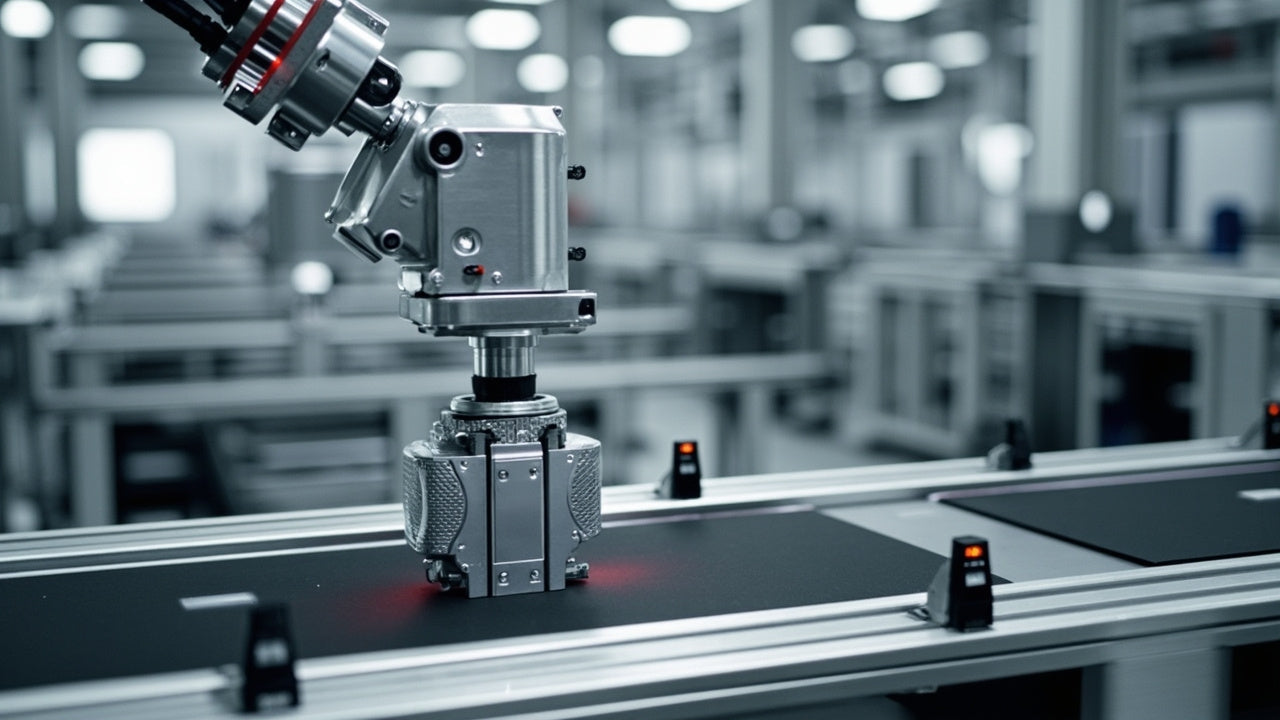
Automation engineers often rely on precise position and speed control to drive modern factory machinery. Modern industrial systems, such as Programmable Logic Controllers (PLCs) and Distributed Control Systems (DCS), depend heavily on standardized motion instructions. Mastering these commands ensures operational safety, protects mechanical components, and optimizes cycle times across production lines.

The Role of Intrinsic Safety Barriers in PLC and DCS Architectures
Implementing robust protection in hazardous industrial environments represents a fundamental safety requirement in factory automation. Process facilities often handle volatile gases, dusts, and chemical agents that pose significant combustion risks. Consequently, control system engineers must deploy energy-limiting interfaces to isolate safe-area control cabinets from hazardous-area field instrumentation. This article examines the function, selection, and electrical principles of intrinsic safety barriers within modern PLC and DCS networks.