










All Products
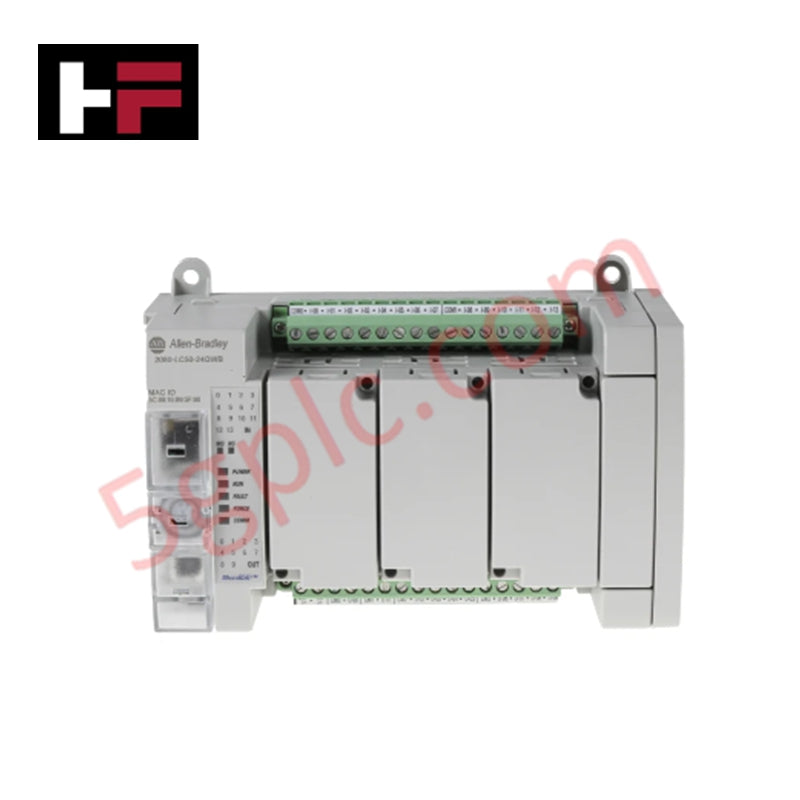
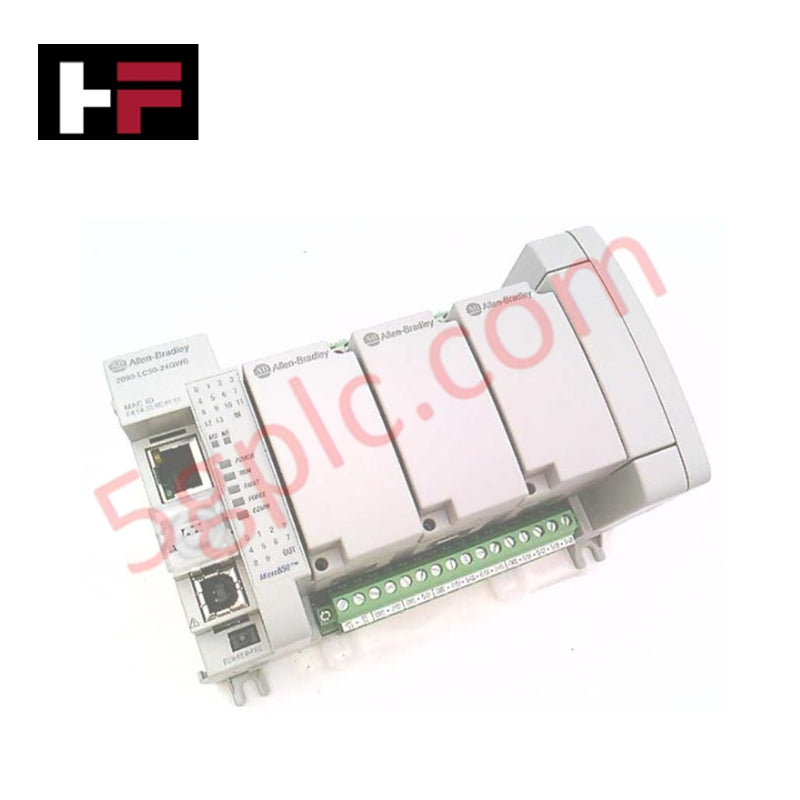
This comprehensive catalog serves as a centralized source for critical industrial automation components, supporting a wide spectrum of legacy and current control architectures. The inventory spans multiple functional layers, including Distributed Control Systems (DCS), Programmable Logic Controllers (PLC), and Turbine Supervisory Instrumentation (TSI). It features specialized hardware ranging from vibration monitoring modules and rack-based controllers to high-density I/O interfaces, power supply units, and communication gateways.
Blog posts

Optimizing Tank Level Control Using Proportional Algorithms in PLC Systems
Industrial automation engineers frequently encounter liquid level regulation challenges across diverse process plants. Traditional ON-OFF control mechanisms often disrupt system stability due to abrupt actuator switching. Therefore, upgrading to closed-loop architectures like proportional control yields smoother responses. In a typical PLC environment, such as Siemens TIA Portal, engineers utilize closed-loop feedback to minimize process errors without requiring full PID complexity.
Understanding Why Your PLC Enters Stop Mode: Causes and Troubleshooting
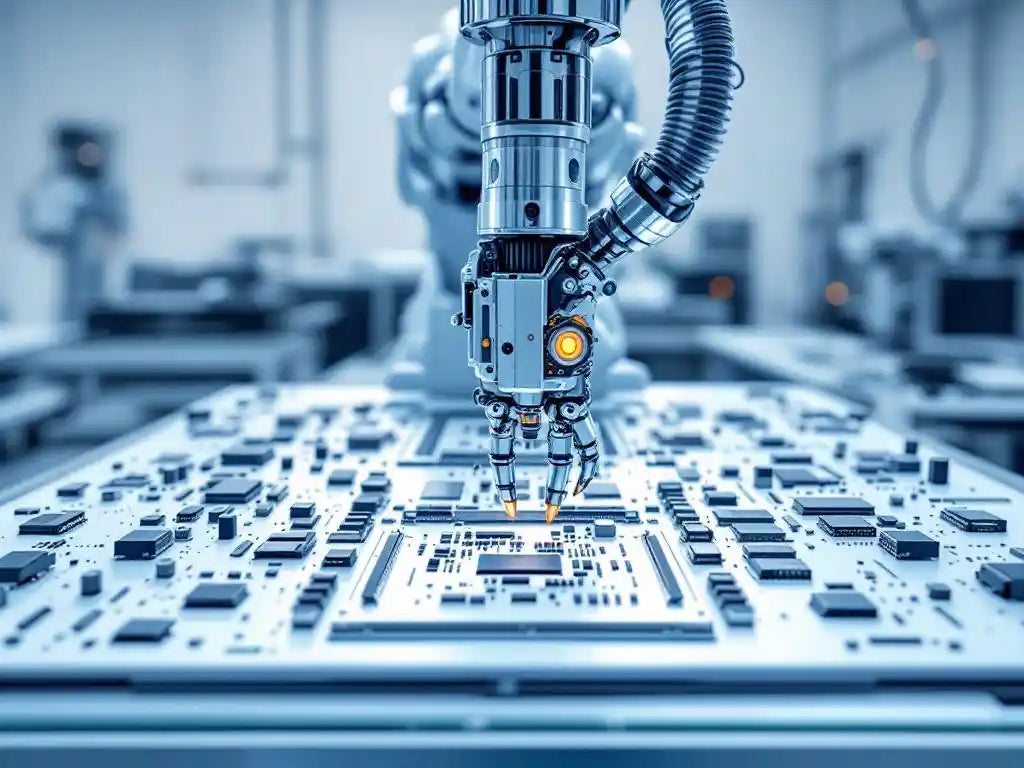
In industrial automation, programmable logic controllers (PLCs) serve as the core intelligence of modern factory automation and distributed control systems (DCS). Understanding how a PLC transitions between modes is vital for maintenance engineers. Typically, a PLC operates across four primary modes: Run, Stop, Start-Up, and Hold. When power is applied, the system immediately boots into Stop mode before initiating the Start-Up sequence. If the controller encounters a critical error during execution, it automatically reverts to Stop mode to prevent equipment damage. Therefore, monitoring these state transitions helps technicians maintain high system availability.
Comprehensive Guide to Servo Motor Drive Control Techniques in Industrial Automation
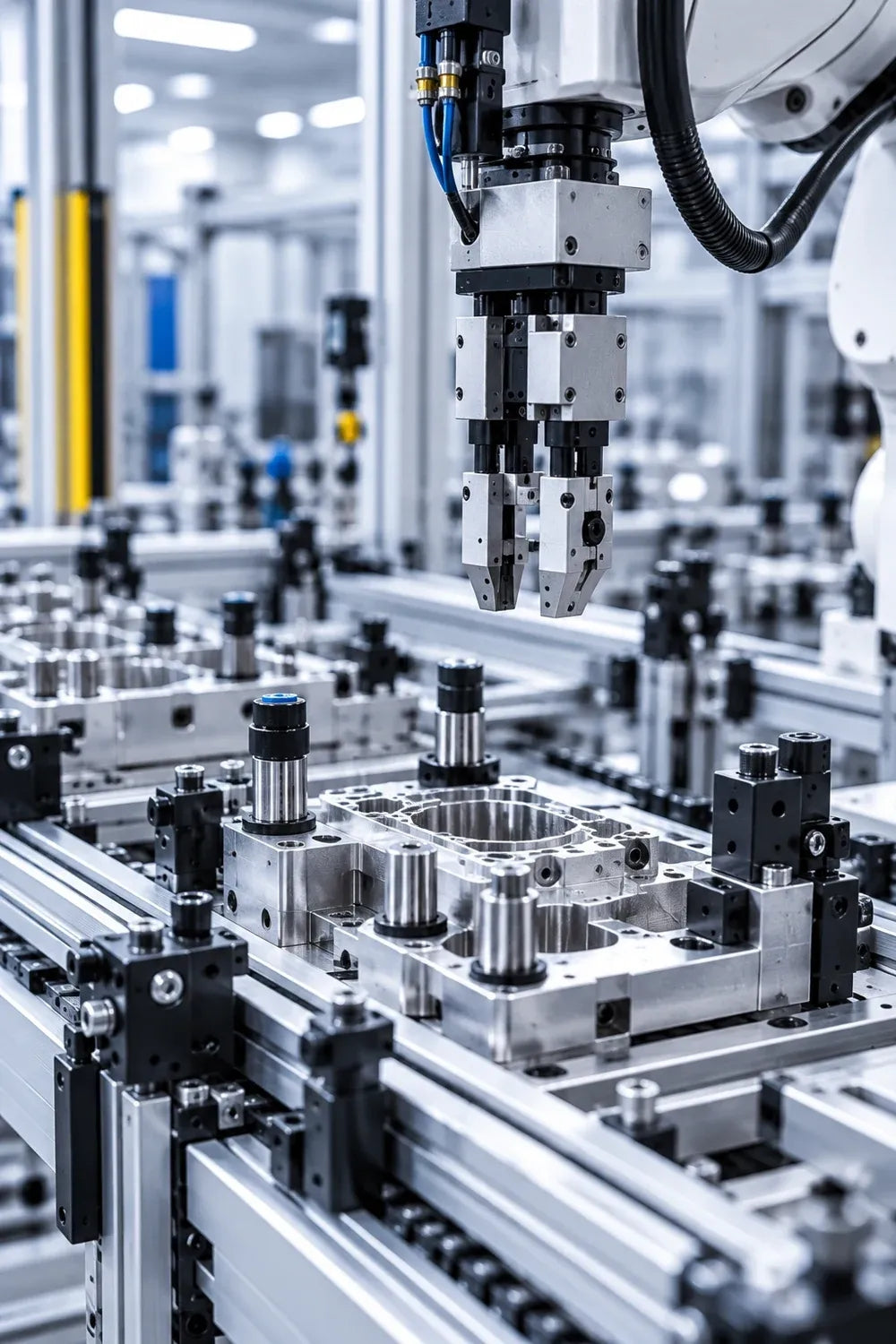
Precision motion control systems drive high-throughput manufacturing across modern industrial automation environments. Unlike standard induction motors running on basic variable frequency drives, servo motor systems deliver sub-millimeter positioning accuracy and fast dynamic response.