












Product Details
Module Overview
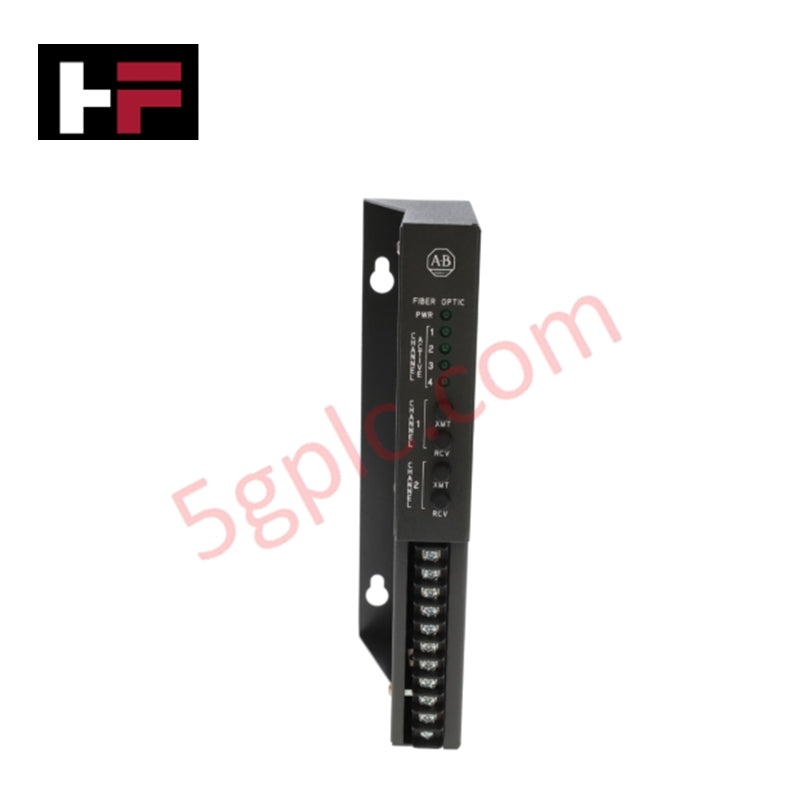
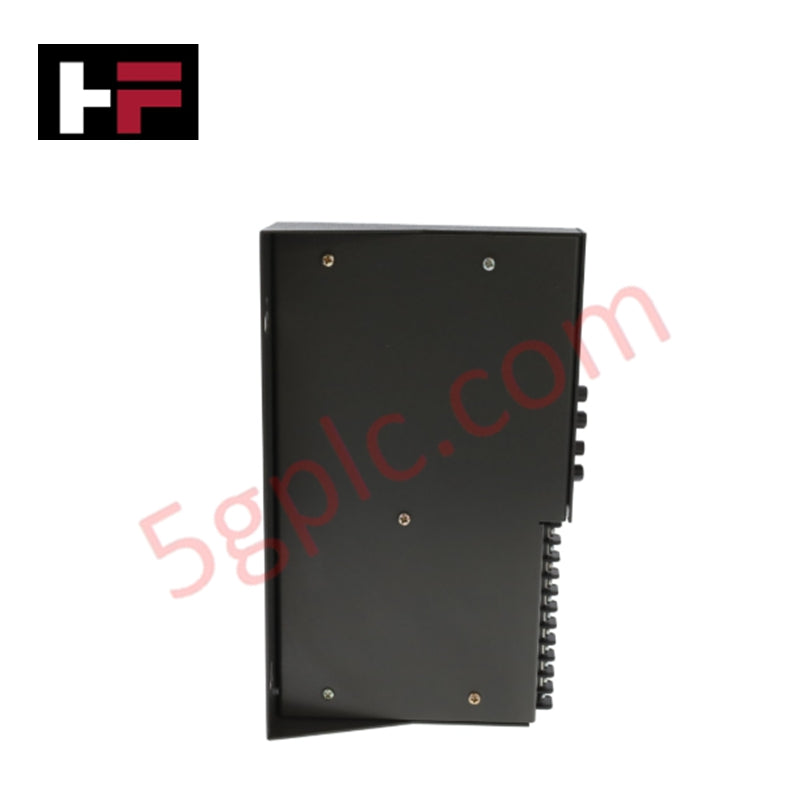
The 1771-AF1 is a high-performance fiber optic converter designed to extend the reach and reliability of Allen-Bradley Data Highway Plus (DH+) and Universal Remote I/O (RIO) networks. By converting standard electrical signals into light pulses, this module allows for secure, high-speed data transmission over distances up to 30,000 feet. The 1771-AF1 is particularly critical in industrial environments where electromagnetic interference (EMI), lightning strikes, or ground loops pose a threat to copper-based communication lines. Its "Stand-Alone" design means it can be mounted independently of a PLC chassis using its own mounting slots, providing maximum flexibility in network topology.
Detailed Engineering Specifications
The 1771-AF1 acts as a transparent bridge, requiring no complex software configuration to perform its conversion tasks.
-
Module Type: Fiber Optic Converter (Stand-Alone)
-
Supported Protocols: Data Highway Plus (DH+), Remote I/O (RIO)
-
Number of Ports: * Two (2) Electrical Ports (DH+ / RIO)
-
Two (2) Fiber Optic Ports
-
Maximum Transmission Distance: 30,000 ft. (approx. 9.1 km)
-
Input Power: 5V DC
-
Input Current: 600 mA
-
Backplane Current (at 5V): 1.0 Ampere
-
Power Dissipation: 5 Watts
-
Thermal Dissipation: 17.06 BTU/hr
-
Cable Compatibility: * Electrical: Belden 9463 (Twinaxial), 1770-CD, or RG-6 Coaxial
-
Fiber: Standard 62.5/125 µm Multimode Fiber
-
Connector Keying: * Upper: 54–56
-
Lower: 16–18
-
Operating Temperature: -25°C to 70°C (-13°F to 158°F)
-
Enclosure Rating: NEMA Type 12 (Dust-tight, Drip-tight)
-
Physical Weight: 1.75 lbs (0.79 kg)
Network Extension and Noise Immunity
The primary function of the 1771-AF1 is to provide "Optical Isolation." In large-scale facilities like steel mills or wastewater treatment plants, long copper runs can act as antennas for electrical noise. By using the 1771-AF1 to convert these runs to fiber, the network becomes immune to induction from high-voltage motor leads and power cables. Furthermore, the 30,000-foot range allows for a single DH+ or RIO link to span multiple buildings without the need for repeaters.
Installation and Mounting
Unlike standard 1771 I/O modules that must reside in a 1771-A1B through -A4B chassis, the 1771-AF1 features its own mounting slots for standalone installation on a panel backplate. When installing, ensure that the fiber optic cables are not bent beyond their minimum bend radius to prevent signal attenuation. The module uses standard twinaxial connections for the electrical side, typically utilizing the Blue Hose (Belden 9463) found in most PLC-5 and SLC 500 installations.
Technical FAQ
Do I need a 1771-AF1 at both ends of the fiber run?
Yes. Since the PLC and the I/O rack communicate via electrical signals, you must have one 1771-AF1 to convert the signal to light at the source and another 1771-AF1 to convert the light back to electrical at the destination.
Can this module be used with Ethernet/IP networks?
No. The 1771-AF1 is strictly designed for the legacy DH+ and Remote I/O protocols (Blue Hose). For fiber-to-Ethernet conversion, you would require a Stratix switch with SFP ports or a dedicated Ethernet media converter.
What is the significance of the "Stand-Alone" designation?
It indicates the module has an integrated power connection and mounting capability, allowing it to function outside of a traditional PLC rack. This is useful for placing the converter closer to the fiber entry point of a control room.
Additional Information
- 100% Genuine Parts: All products are original and authentic, ensuring reliable industrial performance.
- 30-Day Refund Guarantee: Return any in-stock item within 30 days in original, unopened packaging for a full refund (excluding shipping and fees).
- 12-Month Warranty: Covers defects in materials or workmanship; excludes misuse, normal wear, or unauthorized modifications.
- Worldwide Shipping: We ship via USPS, UPS, FedEx, and DHL. Delivery times vary by country and may be subject to customs or import fees.
- Support & Contact: Technical and warranty assistance is available anytime. Contact us here: Contact.
- Purchase Guidance: Check product specifications and compatibility carefully before ordering to ensure proper application.
Tech & Buying Guide

Step-by-Step System Cabinet Health Check Guide for PLC and DCS Infrastructure

Top 5 Operational Advantages of HMIs in Modern Factory Automation
