










Product Details
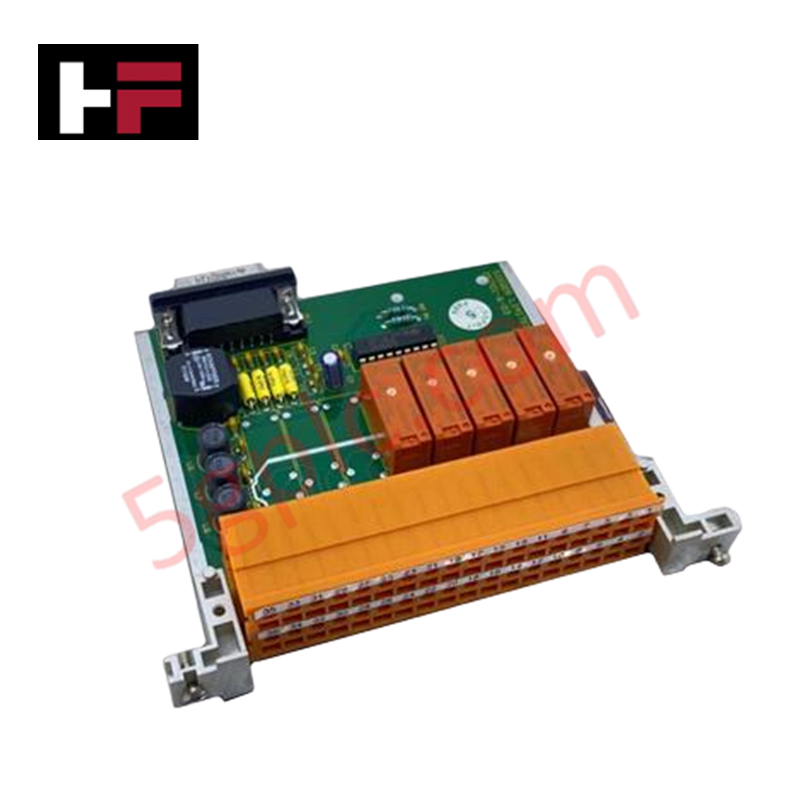
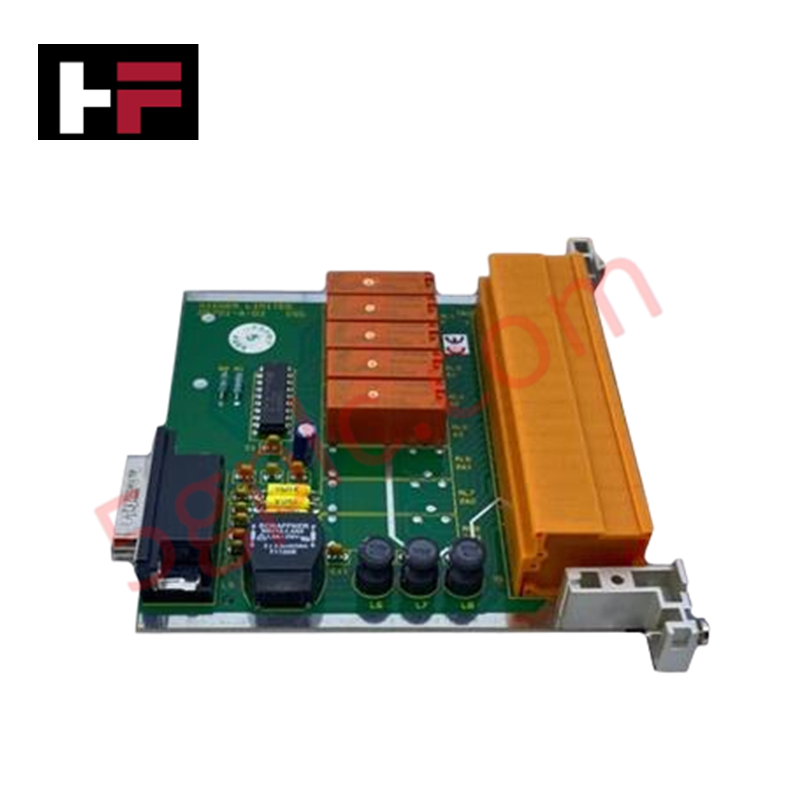
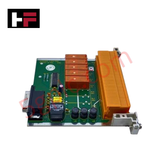
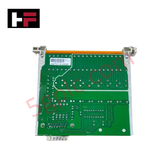
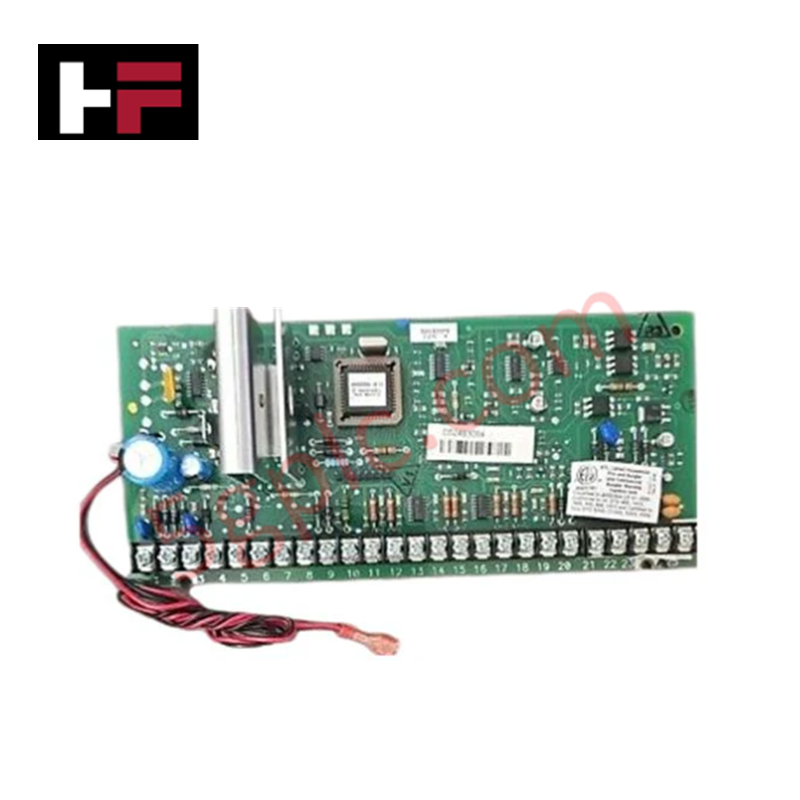
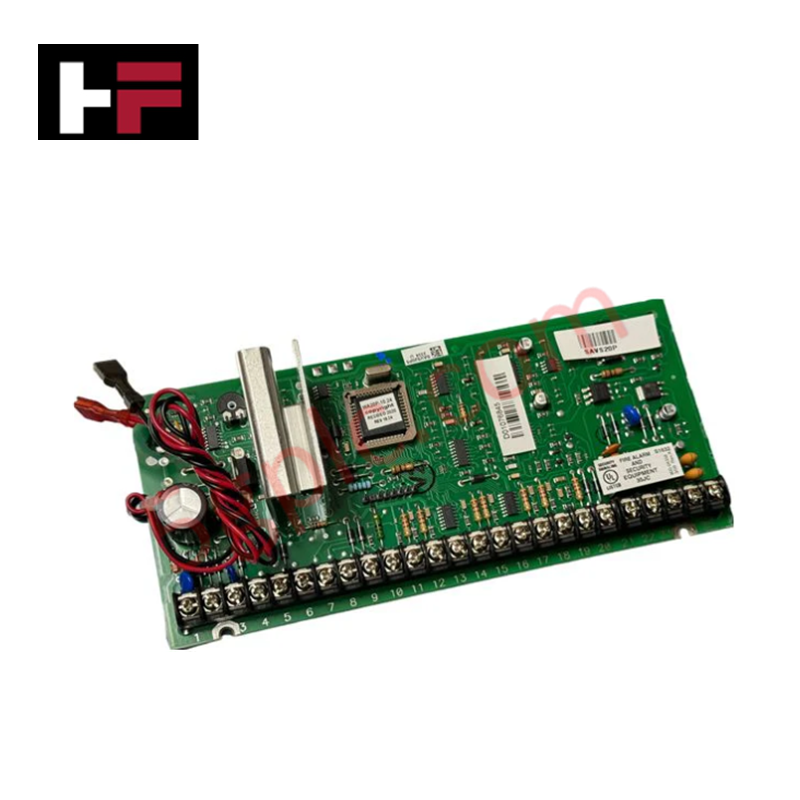
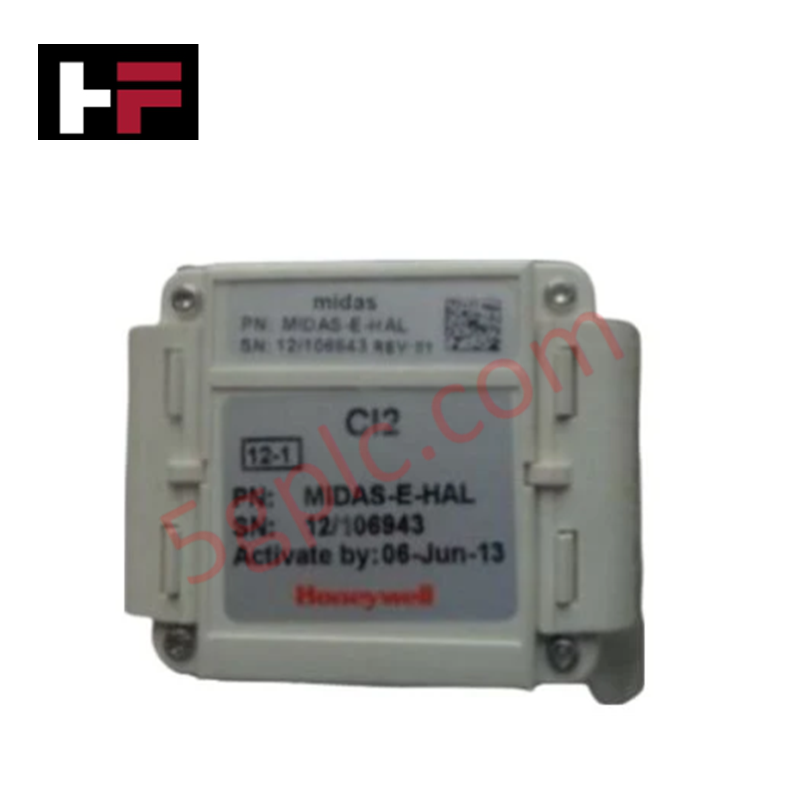
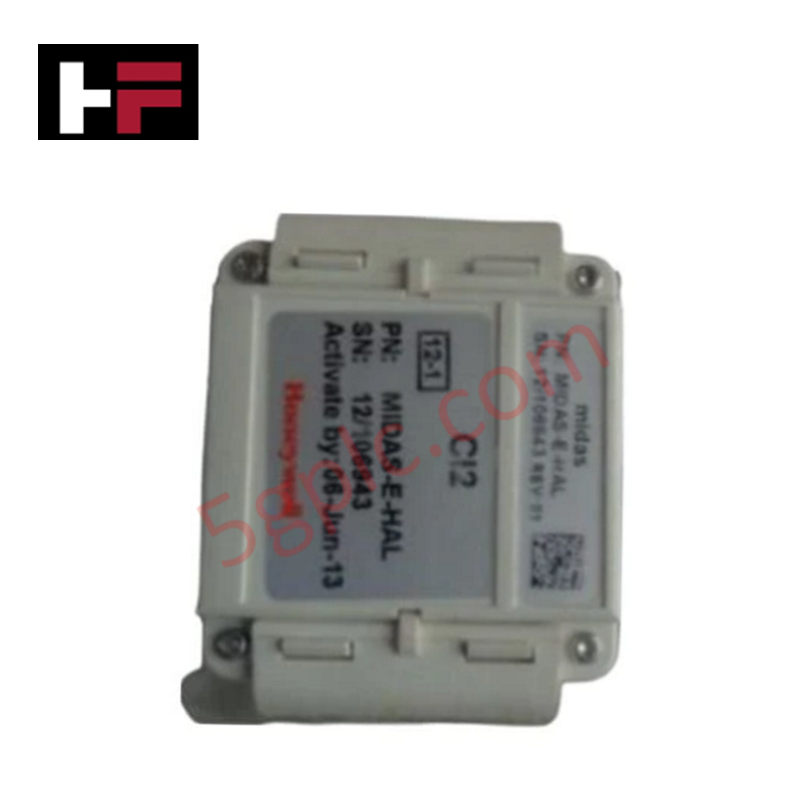
Configured for multi-channel gas detection monitoring in standard 19-inch rack enclosures, the Honeywell 05701-A-0328 (05701-A-0328 Relay Card) provides direct physical signal processing for up to 16 detection channels. The unit operates within a 3U card format, executing logic-driven relay outputs based on input thresholds received from connected gas detection transmitters.
Hardware Specifications
| Parameter | Specification |
|---|---|
| Model | 05701-A-0328 |
| Brand | Honeywell |
| Origin | USA |
| Weight | 0.1 kg |
| Dimensions | 2.2 cm x 12.4 cm x 12.6 cm |
| Operating Temp | Consult system rack specifications |
| Power Consumption | Dependent on active relay load state |
| Detection Channels | 16 channels |
| Form Factor | 3U card |
Channel-to-Channel Isolation
The 05701-A-0328 utilizes integrated signal isolation to maintain channel-to-channel integrity, preventing electrical interference between individual gas detection loops. This isolation architecture ensures that a fault condition or ground deviation on one sensing channel does not propagate to adjacent channels within the 19-inch subrack. Maintenance of these isolation barriers is required to preserve the accuracy of the detection signals and to prevent common-mode voltage buildup across the relay card backplane.
Frequently Asked Questions
Q: Does this card support hot-swapping within the 19-inch subrack?
A: Hot-swapping is restricted. De-energize the subrack power supply before inserting or removing the relay card to prevent damage to the backplane edge connector and internal logic circuitry.
Q: How are alarm thresholds configured for the 16 channels?
A: Alarm setpoints are typically defined through the central control unit or the host gas detection system controller. This relay card acts as an output execution interface and does not independently store detection logic.
Field Installation Guidelines
- Physical Mounting: Insert the 3U card into the designated slot of the 19-inch subrack. Ensure the guide rails are aligned before pushing the card home to avoid bending the backplane pins.
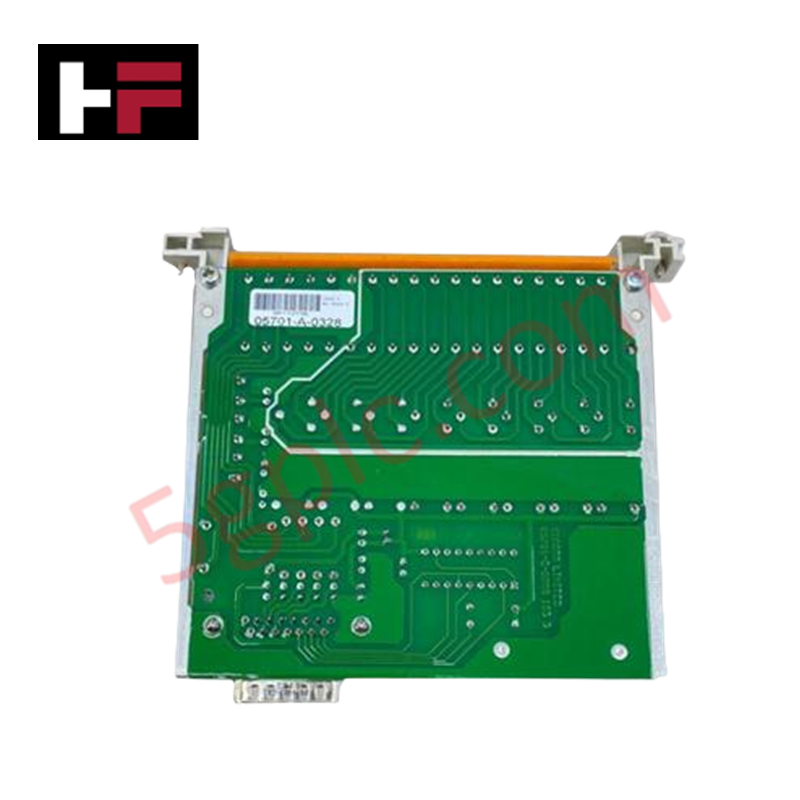
- Connector Integrity: Inspect the edge connector on the rear of the card for debris or oxidation before insertion. Use an electronic contact cleaner if necessary to ensure low-resistance contact.
- Grounding: The subrack must be bonded to a common ground bus using a low-impedance copper strap to provide a reference for the signal isolation circuitry.
- Wiring Practices: Keep relay contact wiring separated from low-level sensor signals. Use shielded cables for all field inputs to minimize electromagnetic noise coupling.
Additional Information
- 100% Genuine Parts: All products are original and authentic, ensuring reliable industrial performance.
- 30-Day Refund Guarantee: Return any in-stock item within 30 days in original, unopened packaging for a full refund (excluding shipping and fees).
- 12-Month Warranty: Covers defects in materials or workmanship; excludes misuse, normal wear, or unauthorized modifications.
- Worldwide Shipping: We ship via USPS, UPS, FedEx, and DHL. Delivery times vary by country and may be subject to customs or import fees.
- Support & Contact: Technical and warranty assistance is available anytime. Contact us here: Contact.
- Purchase Guidance: Check product specifications and compatibility carefully before ordering to ensure proper application.
Tech & Buying Guide

Essential Motion Control Commands: A Practical Guide for Engineers
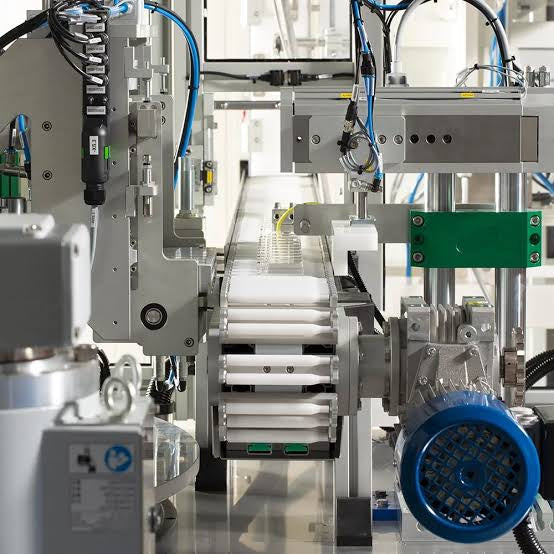
Automation engineers often rely on precise position and speed control to drive modern factory machinery. Modern industrial systems, such as Programmable Logic Controllers (PLCs) and Distributed Control Systems (DCS), depend heavily on standardized motion instructions. Mastering these commands ensures operational safety, protects mechanical components, and optimizes cycle times across production lines.
Mastering Modern Industrial Joystick Controls in Heavy Automation
Industrial joysticks play a pivotal role in human-machine interaction across heavy material handling and mobile hydraulics. These tactile controllers translate complex operator movements into precise electrical signals for PLCs, motion controllers, and DCS networks. Consequently, selecting and installing the right joystick architecture ensures operator safety, reduces fatigue, and optimizes equipment performance.

Navigating Industrial Automation Failures: Types, Causes, and Mitigation Strategies
Modern manufacturing relies heavily on automated control systems to maximize throughput and maintain product quality. However, unplanned downtime in industrial automation can cost facility operators thousands of dollars per hour. Understanding how programmable logic controllers (PLCs), distributed control systems (DCS), and field instrumentation fail empowers engineering teams to implement robust preventive maintenance strategies.