










Product Details
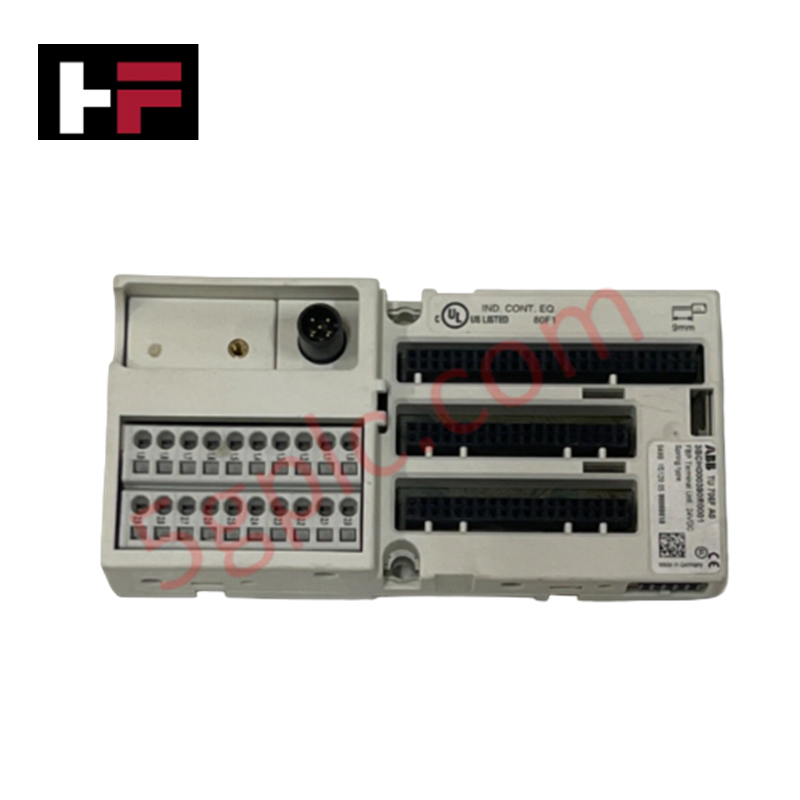
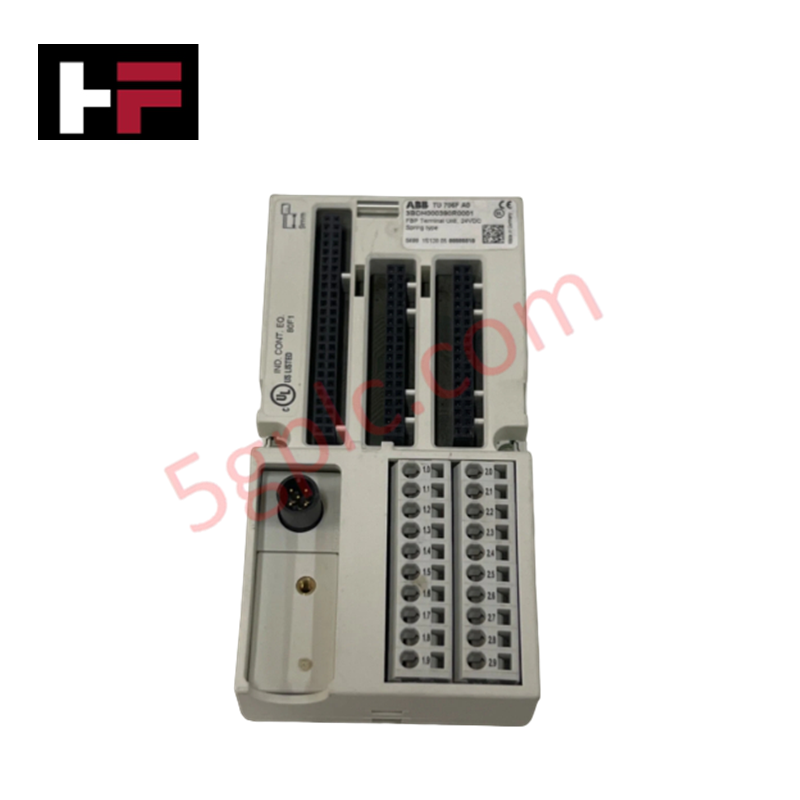
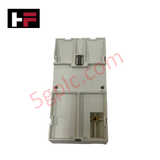
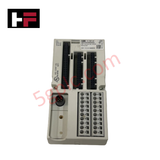
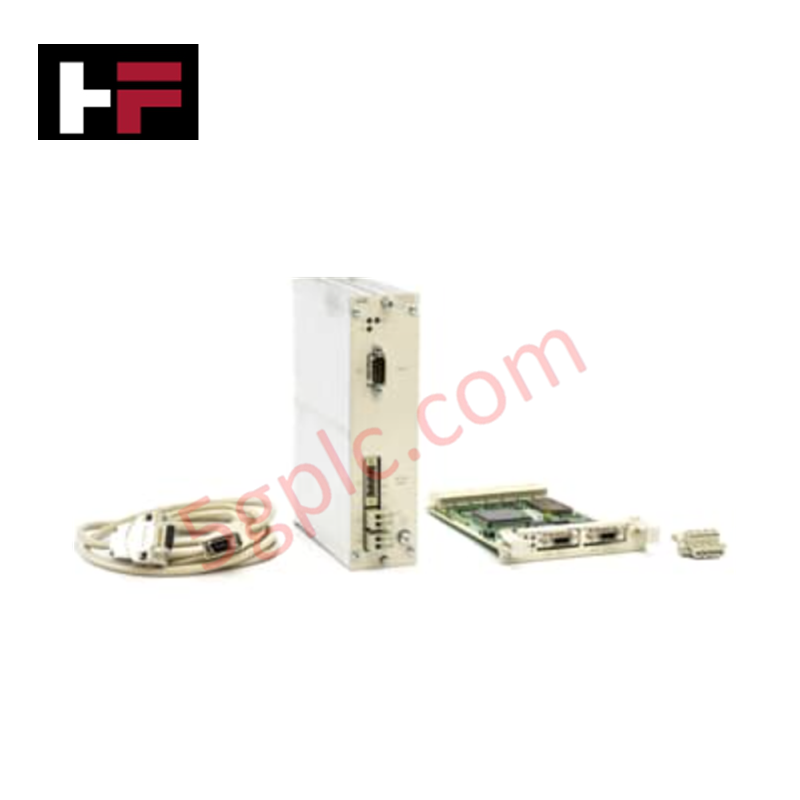
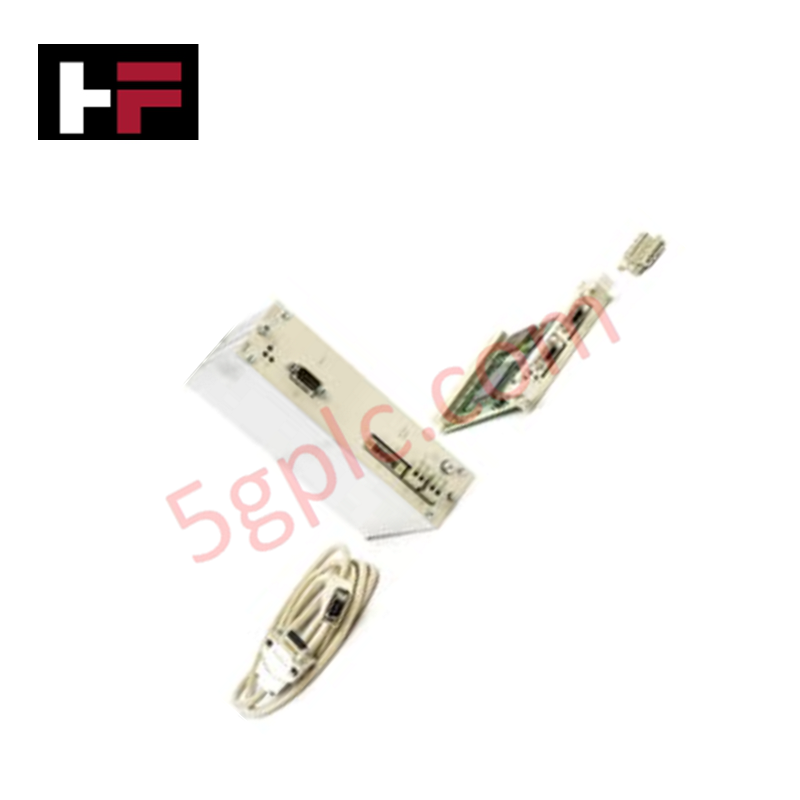
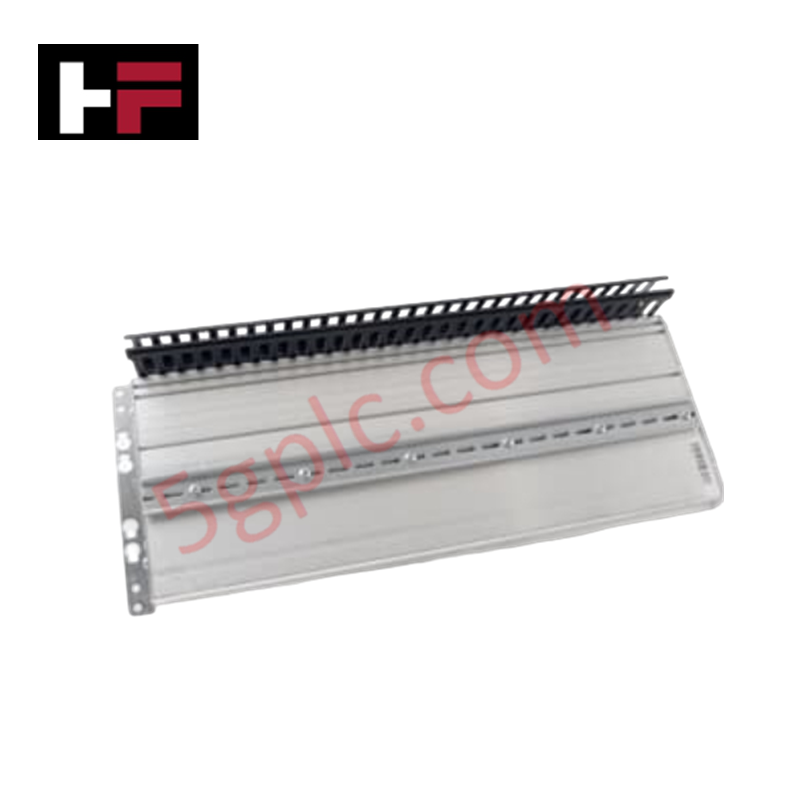
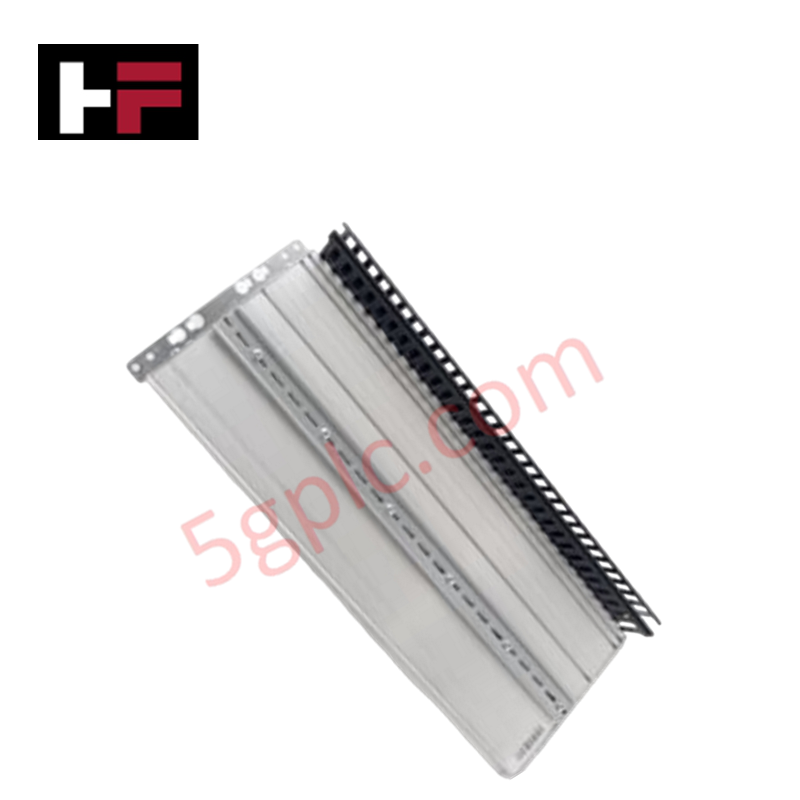
The ABB TU706F serves as the primary TU706F Fieldbus Power Terminal Unit utilized to execute local electrical power distribution across PROFIBUS remote I/O and AC 700F / AC 900F direct I/O platforms.
Hardware Specifications
| Parameter | Specification |
|---|---|
| Model | TU706F |
| Brand | ABB |
| Origin | Germany |
| Weight | 0.1 kg |
| Dimensions | 30 mm x 20 mm x 54 mm |
| Operating Temp | -20 deg C to +60 deg C nominal |
| Power Consumption | Dependent on connected I/O module load (rated for 24 VDC input) |
| Power Supply | 24 VDC |
| Terminal Type | Spring-type terminals |
| Compatibility | PROFIBUS remote I/O, AC 700F, AC 900F direct I/O |
Profinet and EtherNet/IP Deterministic Networks Connection
The TU706F functions as a power infrastructure node that interfaces with the communications backbone via the host interface module. When integrated with decentralized peripherals communicating over Profinet / EtherNet/IP deterministic networks, this terminal unit supplies the necessary voltage levels across internal segmentation links. It maintains continuous power rail stability for adjacent high-speed communication layers, minimizing packet drops and propagation delays. The integrated internal bus bars distribute isolated power channels across variable I/O density scaling options, preventing field-side voltage spikes from disrupting the real-time deterministic data transmission.
Frequently Asked Questions
Q: Is hot-swapping or unpowered extraction of the I/O modules supported while the TU706F terminal remains under active 24 VDC electrical load?
A: Live mechanical extraction of hosted components directly from the terminal unit depends strictly on the backplane configuration and firmware flash compatibility of the master controller. If the parent module does not feature hot-swap loop isolation, disconnecting the interface under load can cause bus faults or backplane communication failure across the entire rack segment.
Q: How does a fluctuating 24 VDC source impact the data passing through adjacent modules on this terminal unit?
A: The TU706F distributes power rather than processing active bus protocols. However, input source deviations below the threshold will lower the operational voltage of connected communication nodes, which can trigger protocol conversion latencies or dropouts within the deterministic network setup.
Field Installation Guidelines
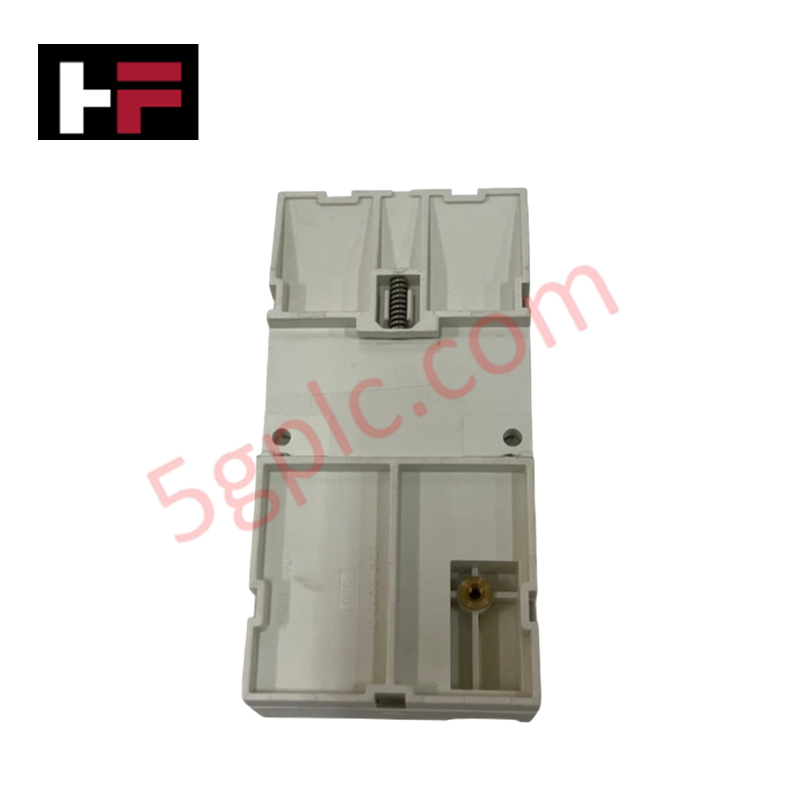
- DIN-Rail Mechanical Stabilization: Snap the unit firmly onto a standard symmetric 35 mm DIN rail. Verify proper structural latch engagement to ensure stability against high-frequency industrial vibrations.
- Spring-Type Terminal Wiring: Insert stripped field conductors into the spring-type terminals using an appropriate screwdriver to open the clamp. Release the tool to secure a gas-tight electrical contact that prevents loose connection faults.
- Power Distribution Isolation: Verify that the incoming 24 VDC external supply line is de-energized prior to inserting or routing cables into the terminal layout to avoid accidental arcing.
- Distance and Separation Requirements: Route high-power motor lines and inductive lines away from the TU706F signal wireways to avoid inductive noise interference on adjacent remote I/O networks.
Additional Information
- 100% Genuine Parts: All products are original and authentic, ensuring reliable industrial performance.
- 30-Day Refund Guarantee: Return any in-stock item within 30 days in original, unopened packaging for a full refund (excluding shipping and fees).
- 12-Month Warranty: Covers defects in materials or workmanship; excludes misuse, normal wear, or unauthorized modifications.
- Worldwide Shipping: We ship via USPS, UPS, FedEx, and DHL. Delivery times vary by country and may be subject to customs or import fees.
- Support & Contact: Technical and warranty assistance is available anytime. Contact us here: Contact.
- Purchase Guidance: Check product specifications and compatibility carefully before ordering to ensure proper application.
Tech & Buying Guide
Mastering Modern Industrial Joystick Controls in Heavy Automation
Industrial joysticks play a pivotal role in human-machine interaction across heavy material handling and mobile hydraulics. These tactile controllers translate complex operator movements into precise electrical signals for PLCs, motion controllers, and DCS networks. Consequently, selecting and installing the right joystick architecture ensures operator safety, reduces fatigue, and optimizes equipment performance.

Navigating Industrial Automation Failures: Types, Causes, and Mitigation Strategies
Modern manufacturing relies heavily on automated control systems to maximize throughput and maintain product quality. However, unplanned downtime in industrial automation can cost facility operators thousands of dollars per hour. Understanding how programmable logic controllers (PLCs), distributed control systems (DCS), and field instrumentation fail empowers engineering teams to implement robust preventive maintenance strategies.
Essential Motion Control Commands: A Practical Guide for Engineers
Automation engineers often rely on precise position and speed control to drive modern factory machinery. Modern industrial systems, such as Programmable Logic Controllers (PLCs) and Distributed Control Systems (DCS), depend heavily on standardized motion instructions. Mastering these commands ensures operational safety, protects mechanical components, and optimizes cycle times across production lines.