










Product Details
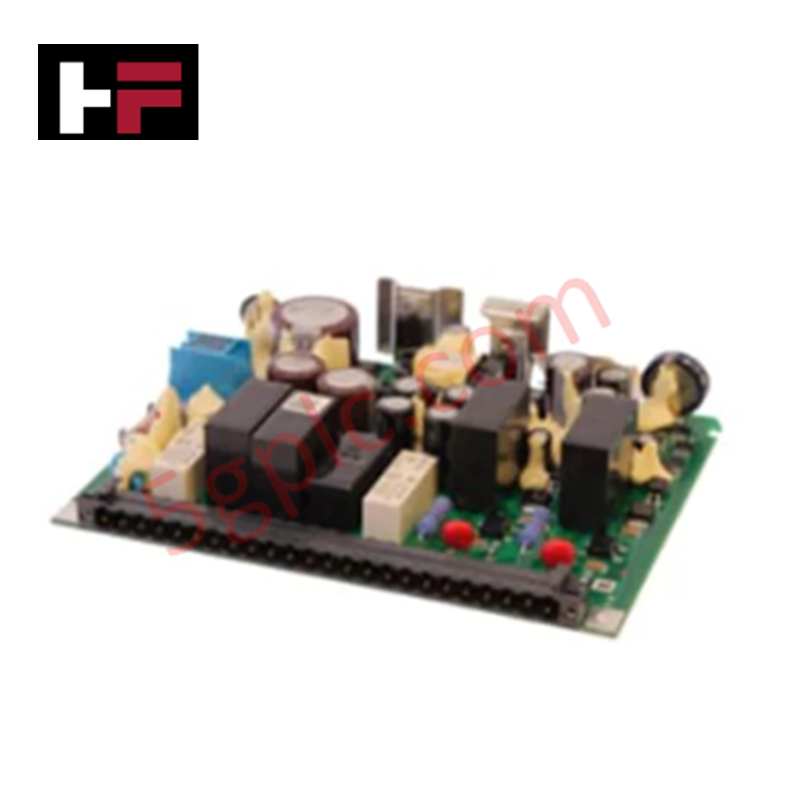
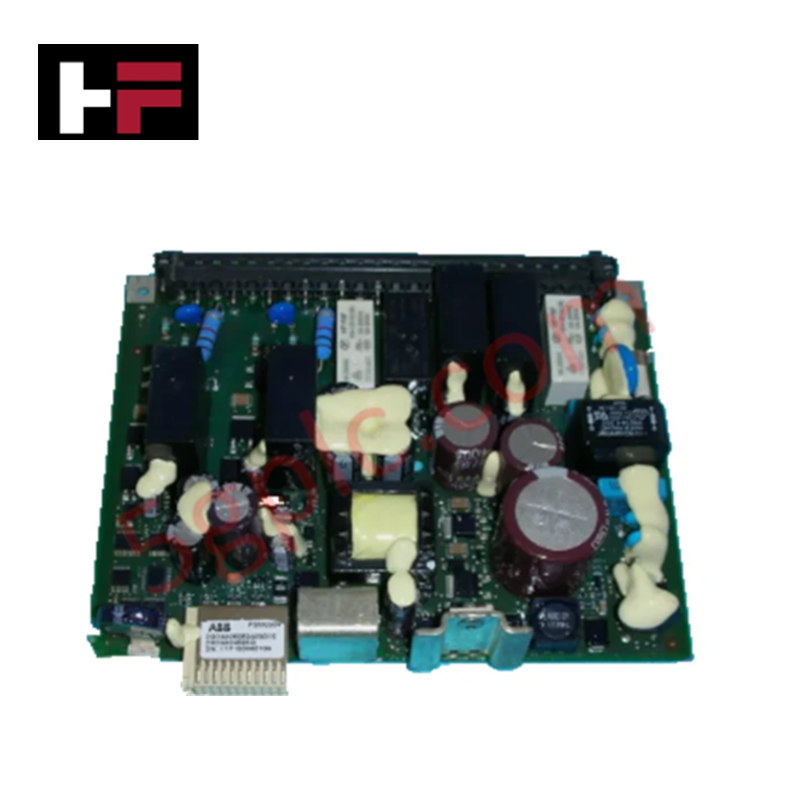
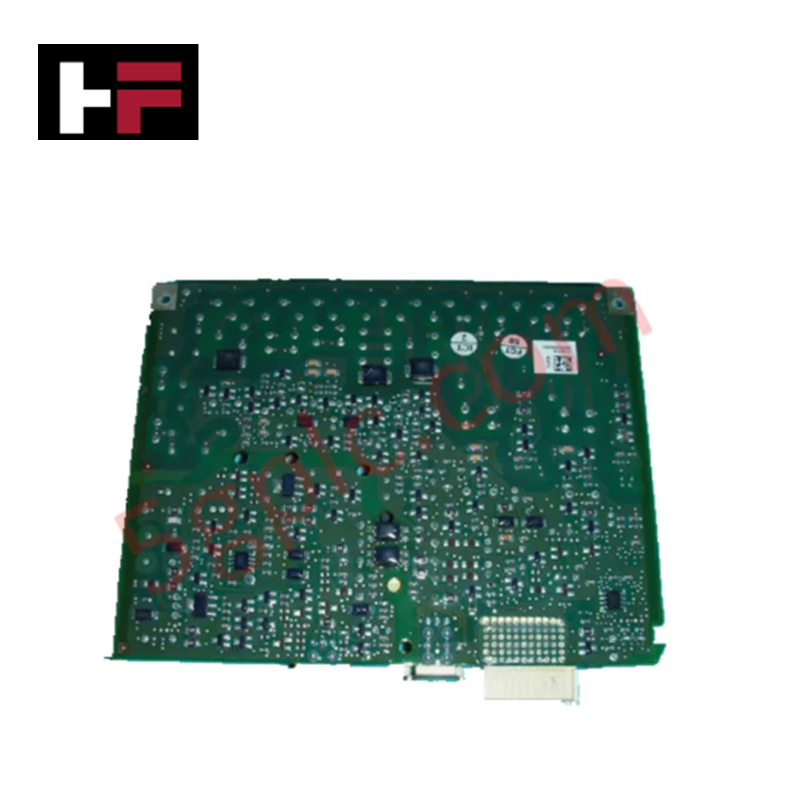
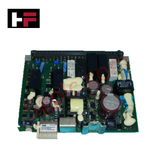
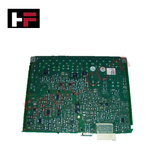
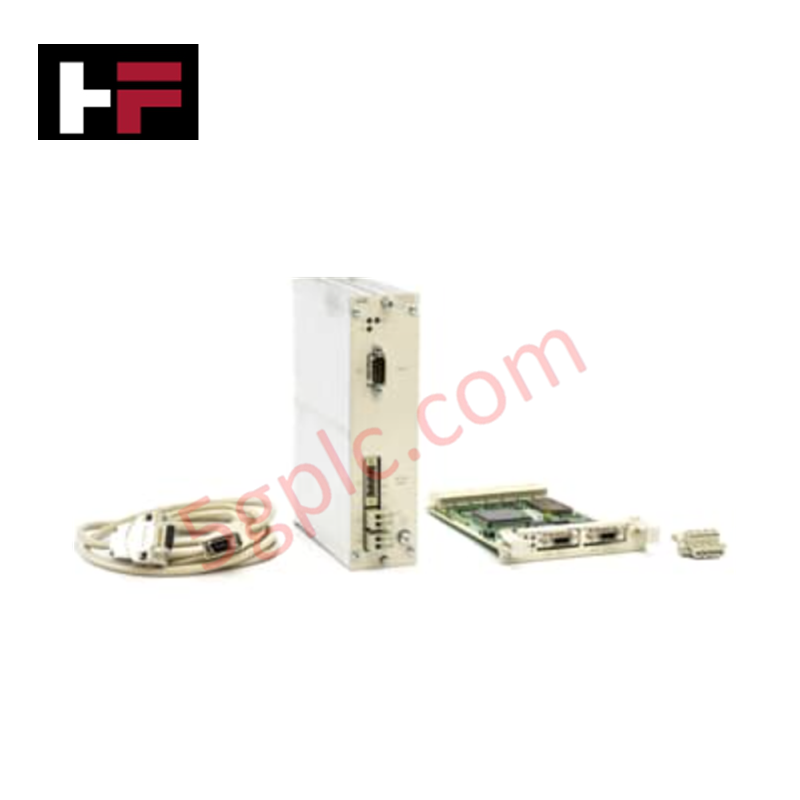
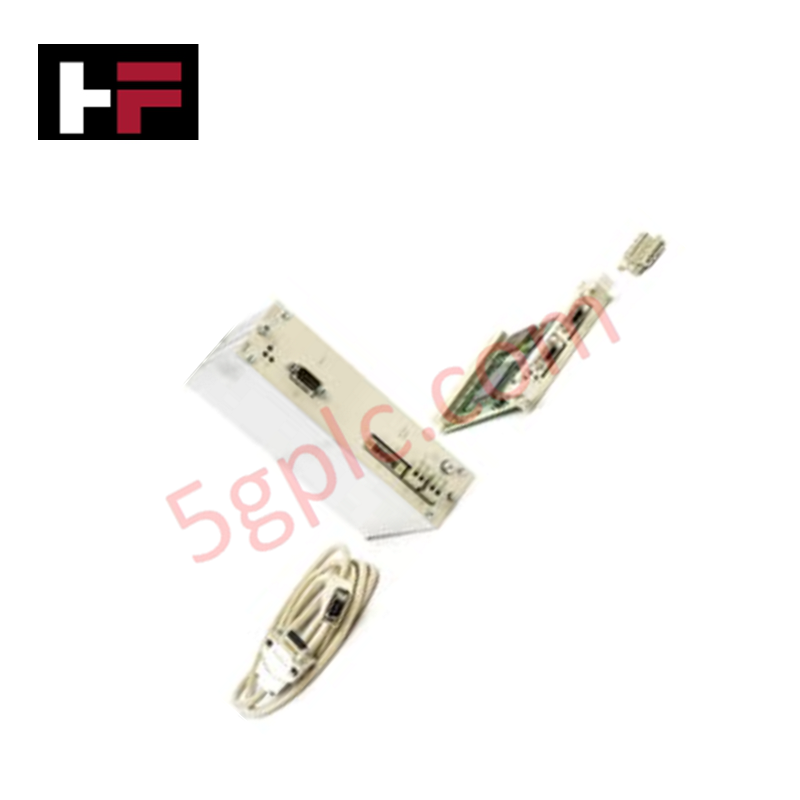
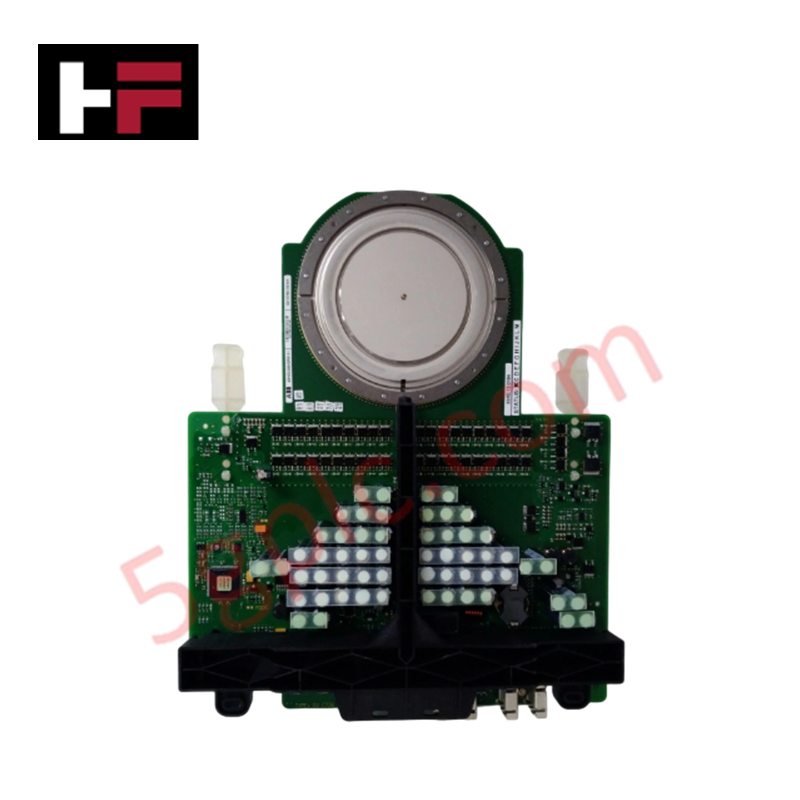
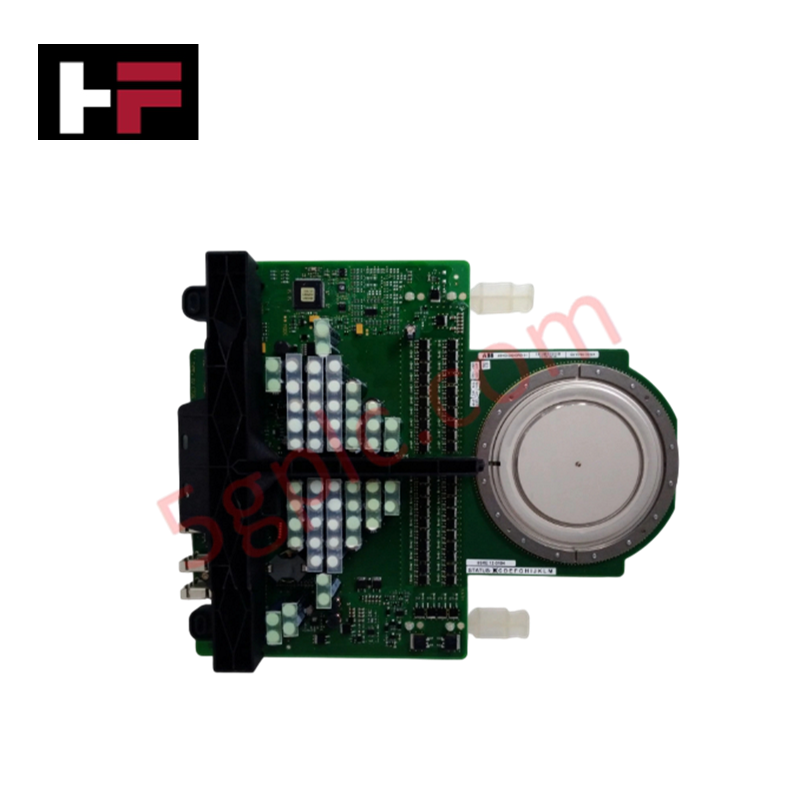
The ABB PSM0904 2RCA025059A0901 serves as the primary PSM0904 Tension Controller Unit utilized to execute web matrix adjustments and binary output switching across industrial control platforms.
Hardware Specifications
| Parameter | Specification |
|---|---|
| Model | PSM0904 2RCA025059A0901 |
| Brand | ABB |
| Origin | Poland (PL) / India (IN) |
| Weight | 0.25 kg |
| Dimensions | Standard module profile (Frame Size: Undefined) |
| Operating Temp | Standard industrial range |
| Power Consumption | 100-240 V AC / 48-250 V DC universal input tracking |
| Binary Outputs | 6 Binary Outputs (6BO) |
| Coating | Conformal Coating (CC) |
| Certification Level | Level 1 |
| Part Type | New Spare Part |
Profinet / EtherNet/IP Deterministic Networks and Firmware Flash Compatibility
The ABB PSM0904 2RCA025059A0901 incorporates integrated binary switching circuits designed to execute control sequences within synchronized manufacturing sectors. To ensure zero-drift tracking under dynamic load conditions, the unit supports timing alignments consistent with Profinet / EtherNet/IP deterministic networks, isolating external electrical transients from the core processing plane. The onboard conformal coating provides physical resistance against conductive particulate settling, stabilizing internal impedance baselines during high-frequency I/O density scaling. This hardware configuration guarantees uninterrupted communication routing while sustaining long-term firmware flash compatibility with upstream automation architectures.
Frequently Asked Questions
Q: What are the specific power supply boundary constraints for the universal input stage?
A: The internal conversion electronics allow a universal operational footprint spanning 100-240 V AC (at 50/60 Hz nominal frequencies) or 48-250 V DC. Voltage fluctuations outside these parameters will trigger internal thermal protection shutdowns or breaker trippings.
Q: How does the configuration of the 6 binary outputs react during online hot-swap maintenance procedures?
A: This component does not support active unisolated hot-swapping. Extracting the unit or breaking connection terminal lines while energized will generate transient voltage spikes across the binary channel arrays, risking permanent damage to the output switching hardware.
Field Installation Guidelines
- Mount the control assembly inside an environment-controlled enclosure, verifying that the conformally coated circuits are shielded from standing fluid accumulation or corrosive misting.
- Route the 100-240 V AC or 48-250 V DC input lines via a separate, localized electrical disconnect device to ensure safe lockout conditions during maintenance intervals.
- Attach individual binary signal wires using the specified terminal block torque settings to minimize terminal contact resistance and prevent high-current arcing.
- Separate all low-voltage signal paths and communication cables away from the high-voltage load switching lines to eliminate electromagnetic noise coupling across the channels.
Additional Information
- 100% Genuine Parts: All products are original and authentic, ensuring reliable industrial performance.
- 30-Day Refund Guarantee: Return any in-stock item within 30 days in original, unopened packaging for a full refund (excluding shipping and fees).
- 12-Month Warranty: Covers defects in materials or workmanship; excludes misuse, normal wear, or unauthorized modifications.
- Worldwide Shipping: We ship via USPS, UPS, FedEx, and DHL. Delivery times vary by country and may be subject to customs or import fees.
- Support & Contact: Technical and warranty assistance is available anytime. Contact us here: Contact.
- Purchase Guidance: Check product specifications and compatibility carefully before ordering to ensure proper application.
Tech & Buying Guide
Mastering Modern Industrial Joystick Controls in Heavy Automation
Industrial joysticks play a pivotal role in human-machine interaction across heavy material handling and mobile hydraulics. These tactile controllers translate complex operator movements into precise electrical signals for PLCs, motion controllers, and DCS networks. Consequently, selecting and installing the right joystick architecture ensures operator safety, reduces fatigue, and optimizes equipment performance.

Navigating Industrial Automation Failures: Types, Causes, and Mitigation Strategies
Modern manufacturing relies heavily on automated control systems to maximize throughput and maintain product quality. However, unplanned downtime in industrial automation can cost facility operators thousands of dollars per hour. Understanding how programmable logic controllers (PLCs), distributed control systems (DCS), and field instrumentation fail empowers engineering teams to implement robust preventive maintenance strategies.

Essential Motion Control Commands: A Practical Guide for Engineers
Automation engineers often rely on precise position and speed control to drive modern factory machinery. Modern industrial systems, such as Programmable Logic Controllers (PLCs) and Distributed Control Systems (DCS), depend heavily on standardized motion instructions. Mastering these commands ensures operational safety, protects mechanical components, and optimizes cycle times across production lines.