










Product Details
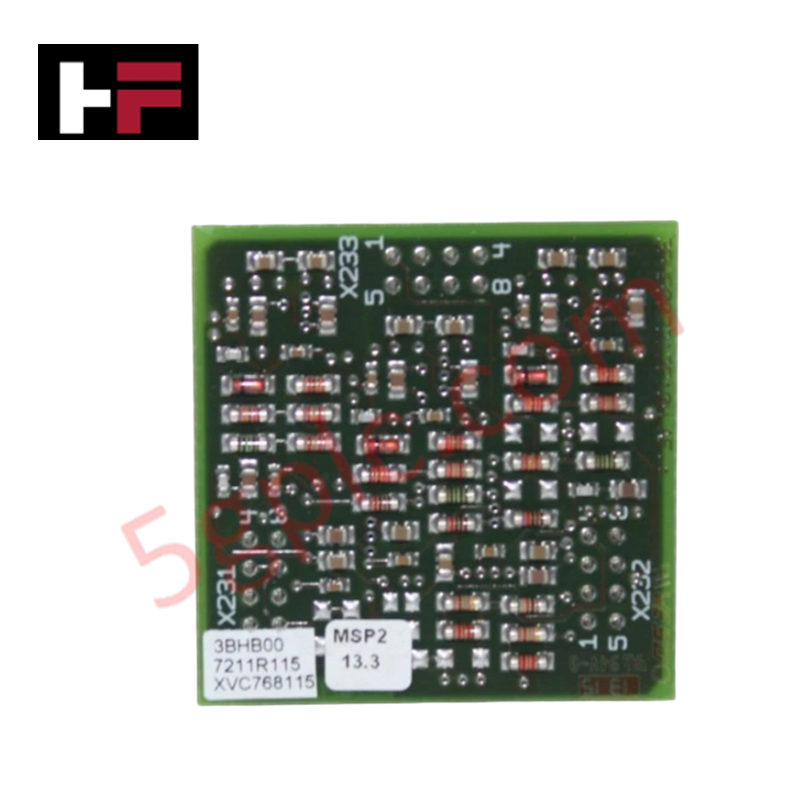
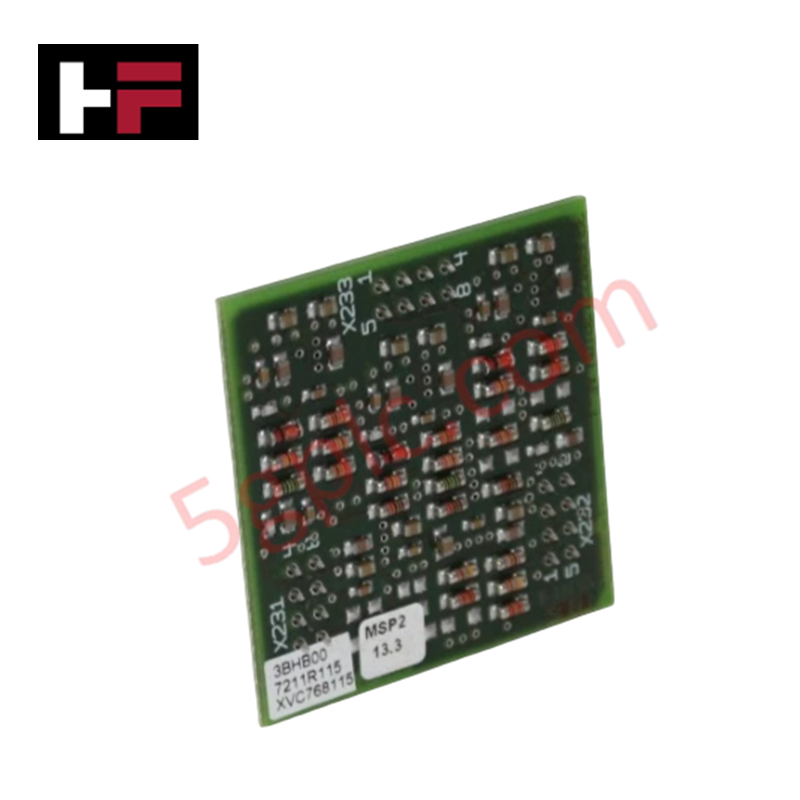
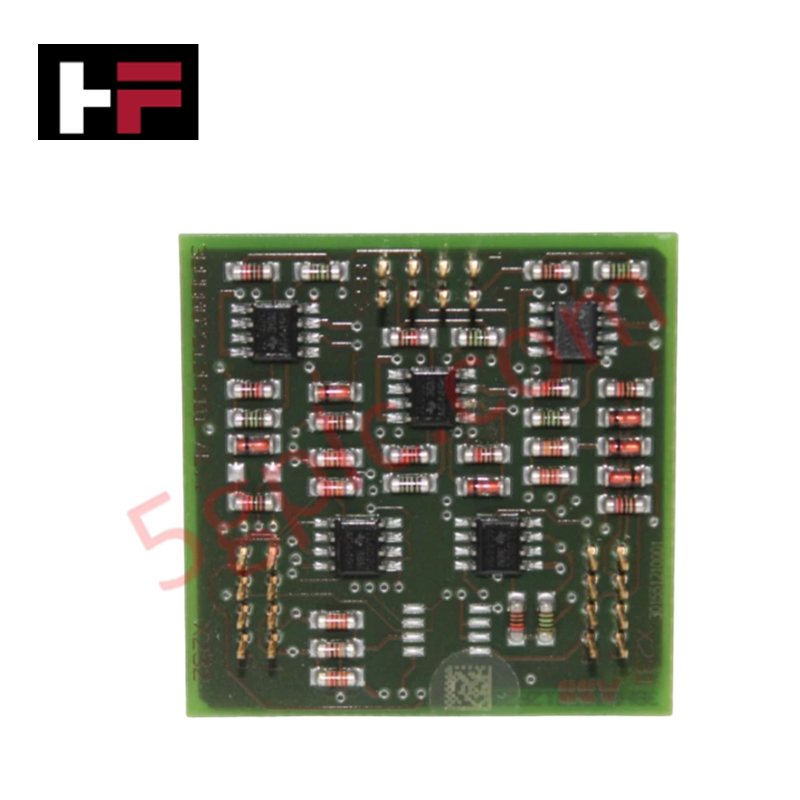
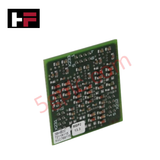
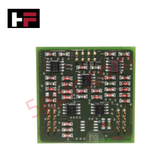
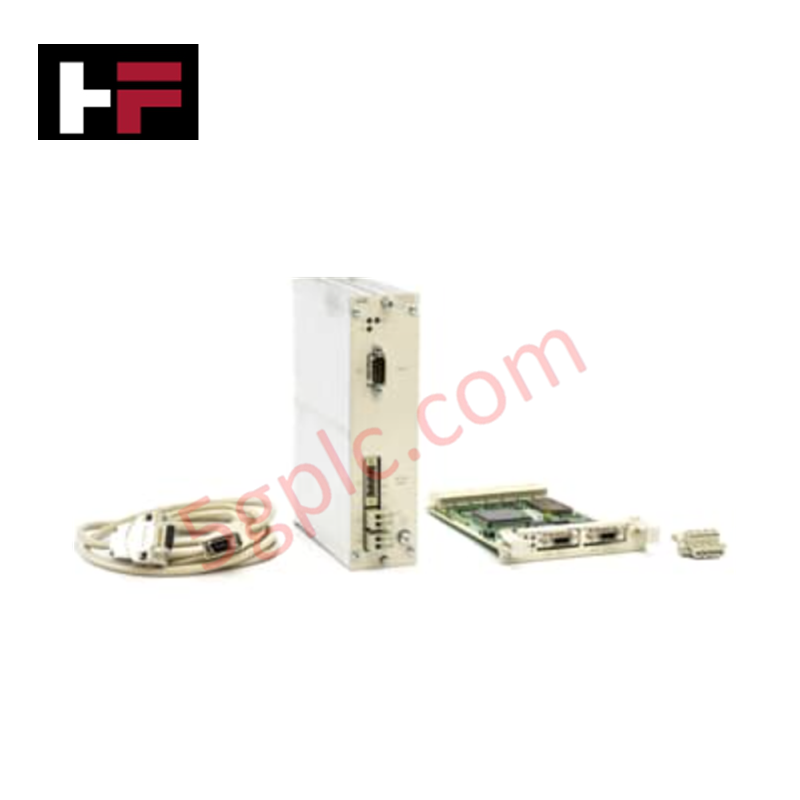
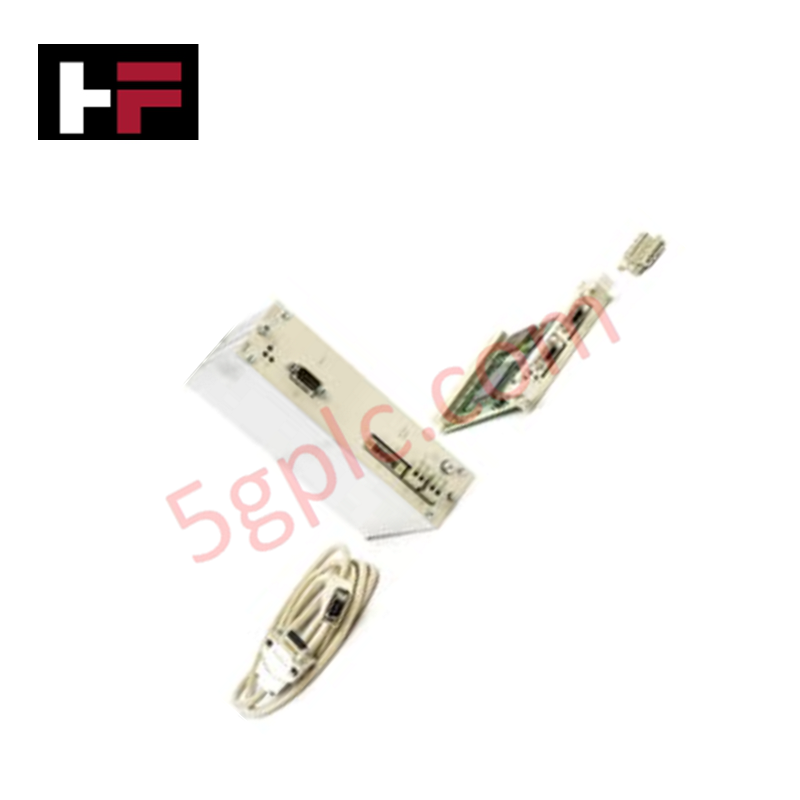
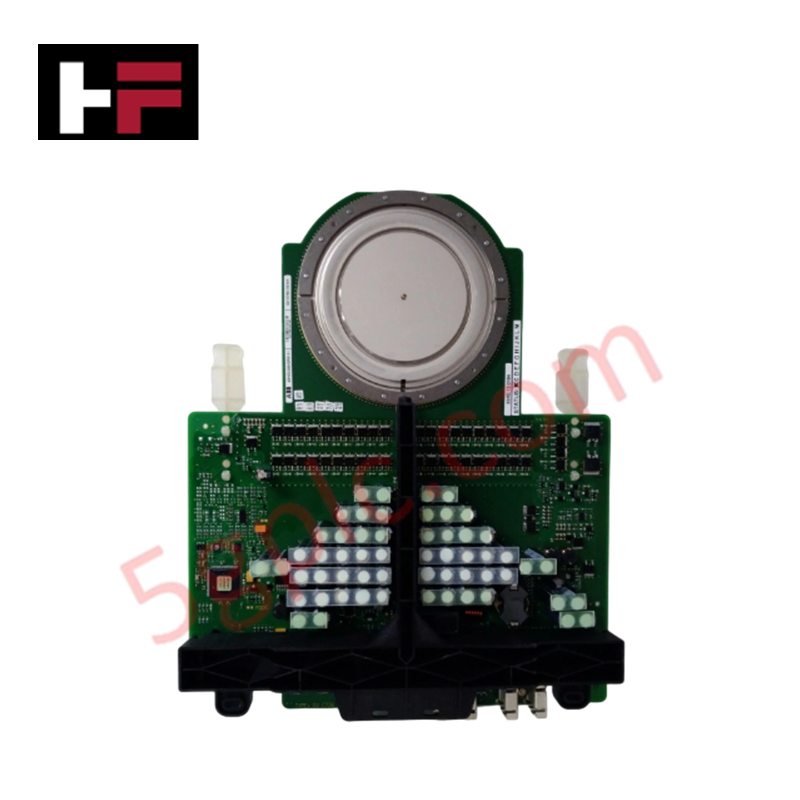
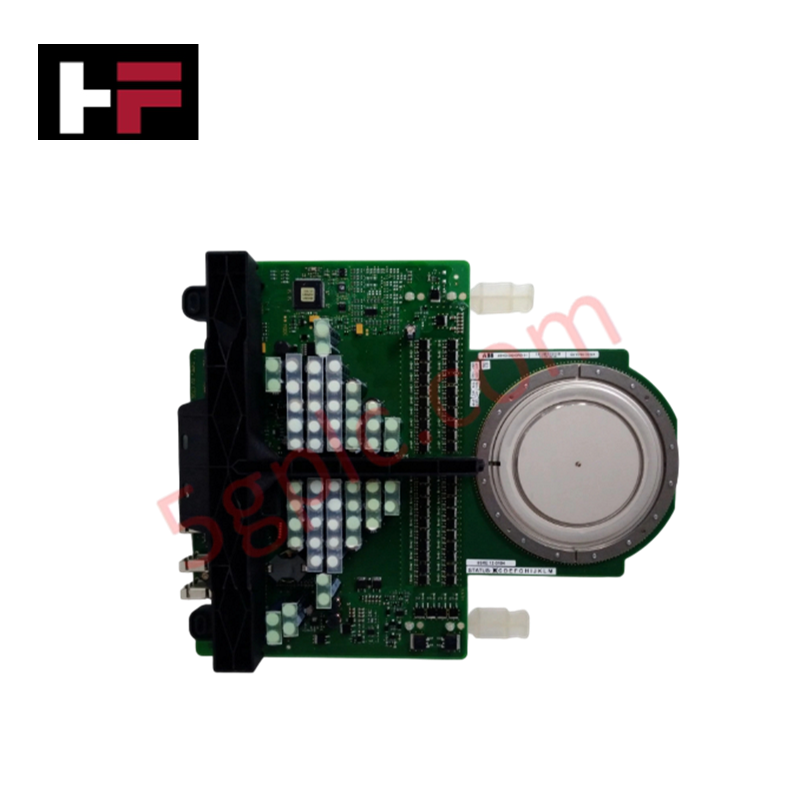
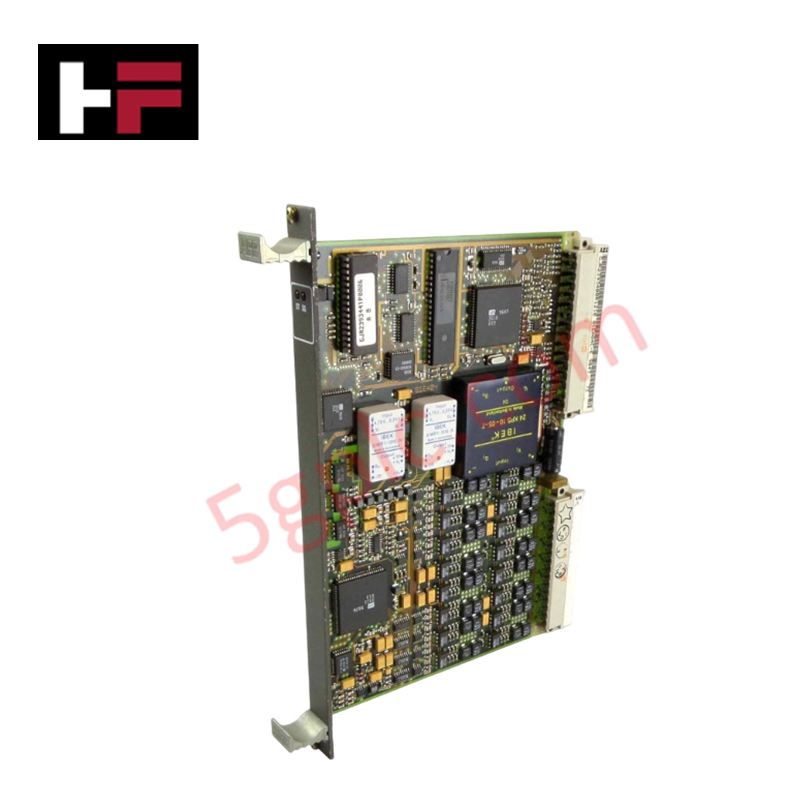
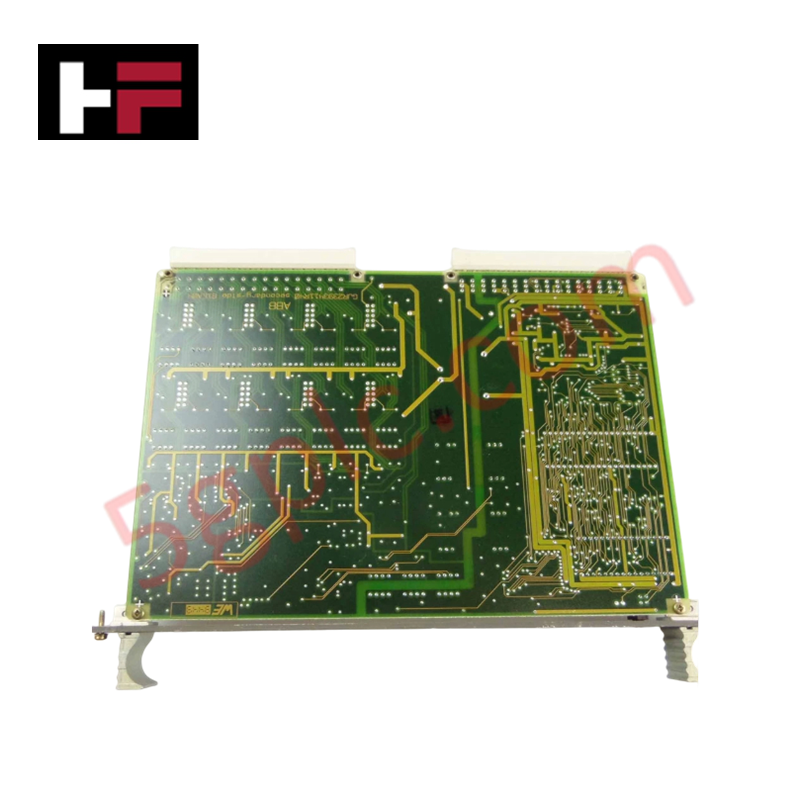
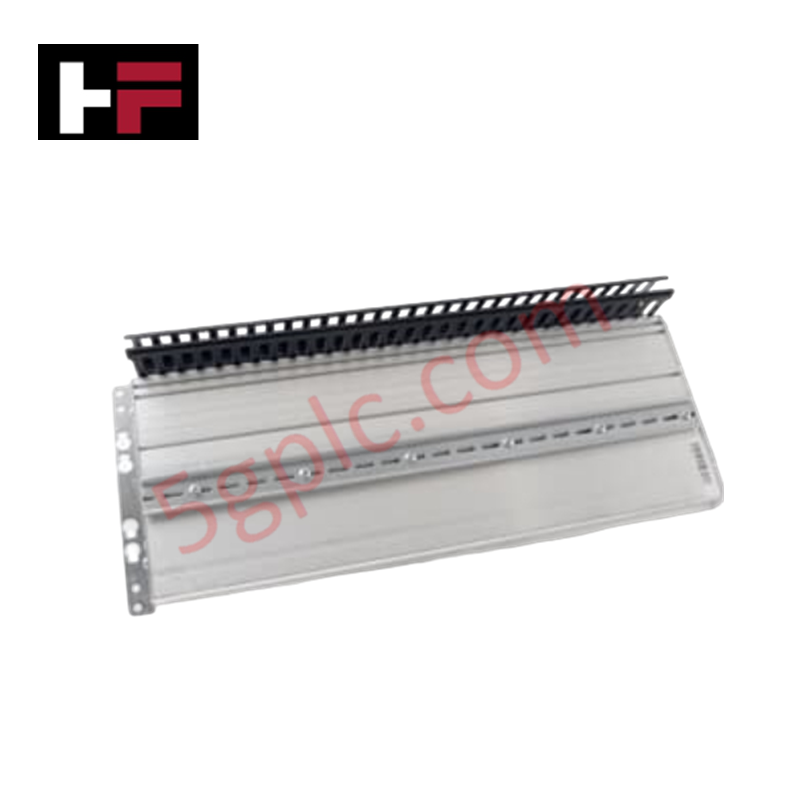
The ABB XVC768115 3BHB007211R115, also cataloged as the XVC768115 Pulse Output Module, operates as a dedicated hardware component for digital pulse signal generation within controller backplanes and drive networks. Configured for high-speed transmission, the hardware translates internal logic states into discrete pulse trains up to a maximum frequency of 1 kHz. It routes these localized electrical transitions through an isolated output stage, providing direct physical interface execution to peripheral counter inputs or slave tracking nodes.
Hardware Specifications
| Parameter | Specification |
|---|---|
| Model | XVC768115 3BHB007211R115 |
| Brand | ABB |
| Origin | Switzerland |
| Weight | 0.40 kg |
| Dimensions | Standard Chassis Panel Mount Footprint |
| Operating Temp | -10 to +60 deg C |
| Power Consumption | 6 W |
| Rated Supply Voltage | 24 V DC (+/-10%) |
| Output Signal Type | Digital pulse output |
| Maximum Pulse Frequency | Up to 1 kHz |
| Typical Response Time | < 5 ms |
| Electrical Isolation | Functional isolation between control electronics and output stage |
| Storage Temperature Range | -25 to +70 deg C |
| Protection Class | IP20 |
| Mounting Method | Surface or panel mounting |
Profinet / EtherNet/IP Deterministic Networks and I/O Density Scaling
The internal microcontroller matches pulse execution cycles with network synchronization schedules. When this pulse output module is operated across Profinet / EtherNet/IP deterministic networks, precise timing alignment is mandatory to maintain the < 5 ms response envelope without signal drift. In applications demanding rapid I/O density scaling, any mismatch in backplane bus velocity or task cycle timing can introduce clock jitter, destabilizing the 1 kHz frequency consistency across simultaneous active channels.
Frequently Asked Questions
Q: What are the specific hot-swap limits for the XVC768115 module under 24 V DC load conditions?
A: This module does not support live insertion or hot-swapping while the 24 V DC supply lines or the output stage loops are energized. Power isolation must be fully verified before removing the assembly to prevent transient arc generation and damage to the internal logic components.
Q: How does a fluctuation in the 24 V DC supply voltage affect the 1 kHz pulse output execution?
A: The module maintains normal operation within a +/-10% envelope of the 24 V DC supply. Voltage deviations exceeding these thresholds will destabilize the functional isolation thresholds and can cause intermittent switching errors or response latencies greater than 5 ms.
Q: What are the restrictions regarding the maximum cable length attached to the pulse output stage?
A: Cable lengths are bounded by line capacitance limits to prevent attenuation of the 1 kHz square wave. Long, unshielded wire paths will degrade the pulse edge definition, causing connected PLC or counter inputs to miss edge registration cycles.
Field Installation Guidelines
Mount the IP20-rated enclosure vertically using the designated surface or panel mounting points within a protected, clean automation cabinet. Ground the metallic backplane frame directly to the primary copper station earth bus utilizing a low-impedance conductor to maximize functional isolation efficiency. Route the digital pulse output lines inside separate, shielded wire channels segregated from high-voltage AC motor lines to eliminate inductive cross-talk and preserve signal edges. Ensure that air ventilation openings remain unblocked to prevent thermal accumulation beyond the certified -10 to +60 deg C operating temperature spectrum.
Additional Information
- 100% Genuine Parts: All products are original and authentic, ensuring reliable industrial performance.
- 30-Day Refund Guarantee: Return any in-stock item within 30 days in original, unopened packaging for a full refund (excluding shipping and fees).
- 12-Month Warranty: Covers defects in materials or workmanship; excludes misuse, normal wear, or unauthorized modifications.
- Worldwide Shipping: We ship via USPS, UPS, FedEx, and DHL. Delivery times vary by country and may be subject to customs or import fees.
- Support & Contact: Technical and warranty assistance is available anytime. Contact us here: Contact.
- Purchase Guidance: Check product specifications and compatibility carefully before ordering to ensure proper application.
Tech & Buying Guide

Essential Motion Control Commands: A Practical Guide for Engineers
Automation engineers often rely on precise position and speed control to drive modern factory machinery. Modern industrial systems, such as Programmable Logic Controllers (PLCs) and Distributed Control Systems (DCS), depend heavily on standardized motion instructions. Mastering these commands ensures operational safety, protects mechanical components, and optimizes cycle times across production lines.
Mastering Modern Industrial Joystick Controls in Heavy Automation
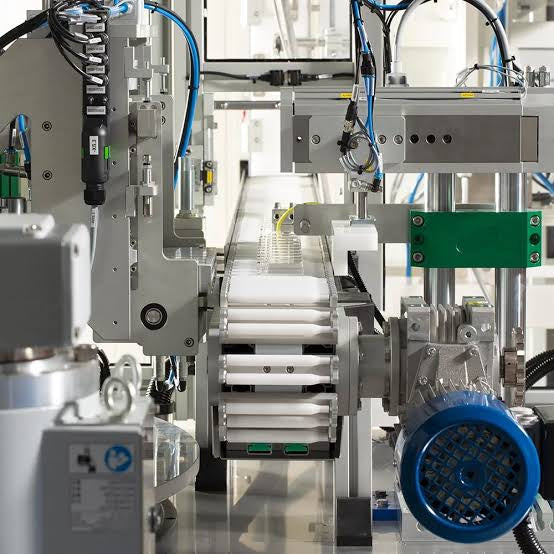
Industrial joysticks play a pivotal role in human-machine interaction across heavy material handling and mobile hydraulics. These tactile controllers translate complex operator movements into precise electrical signals for PLCs, motion controllers, and DCS networks. Consequently, selecting and installing the right joystick architecture ensures operator safety, reduces fatigue, and optimizes equipment performance.

Navigating Industrial Automation Failures: Types, Causes, and Mitigation Strategies
Modern manufacturing relies heavily on automated control systems to maximize throughput and maintain product quality. However, unplanned downtime in industrial automation can cost facility operators thousands of dollars per hour. Understanding how programmable logic controllers (PLCs), distributed control systems (DCS), and field instrumentation fail empowers engineering teams to implement robust preventive maintenance strategies.