










Product Details
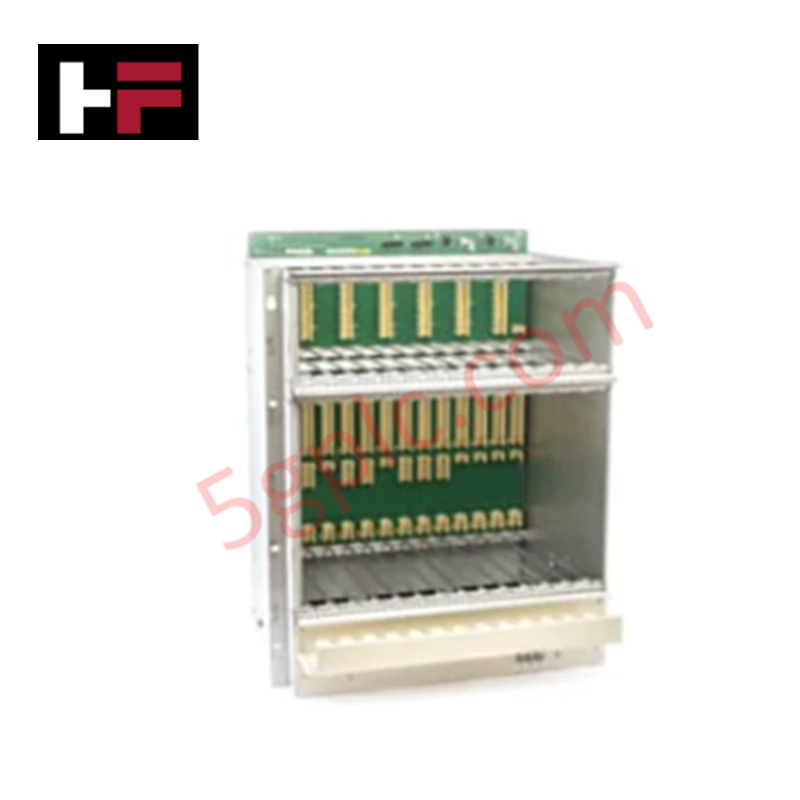
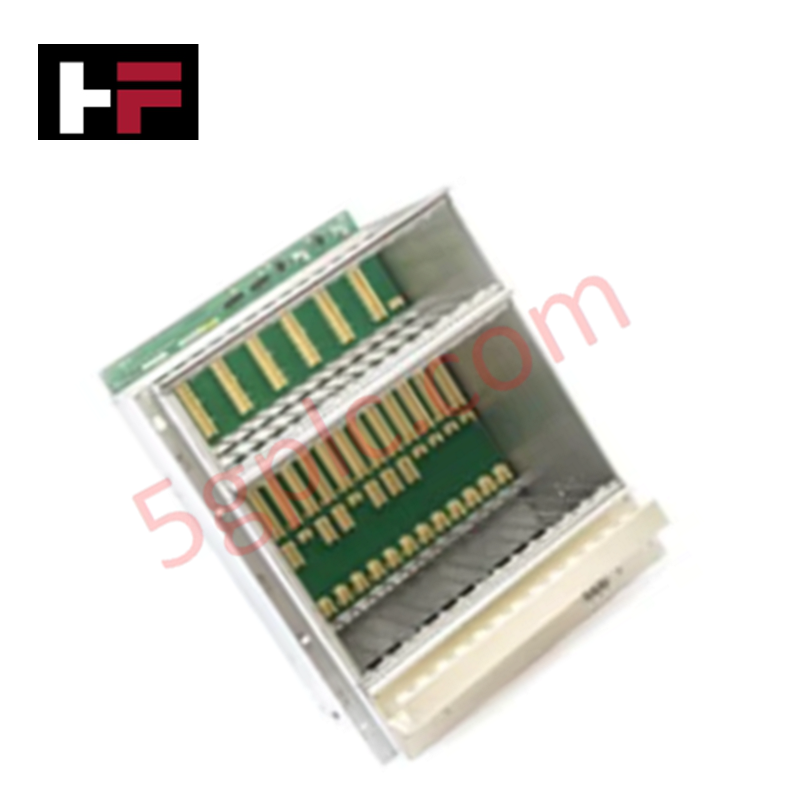
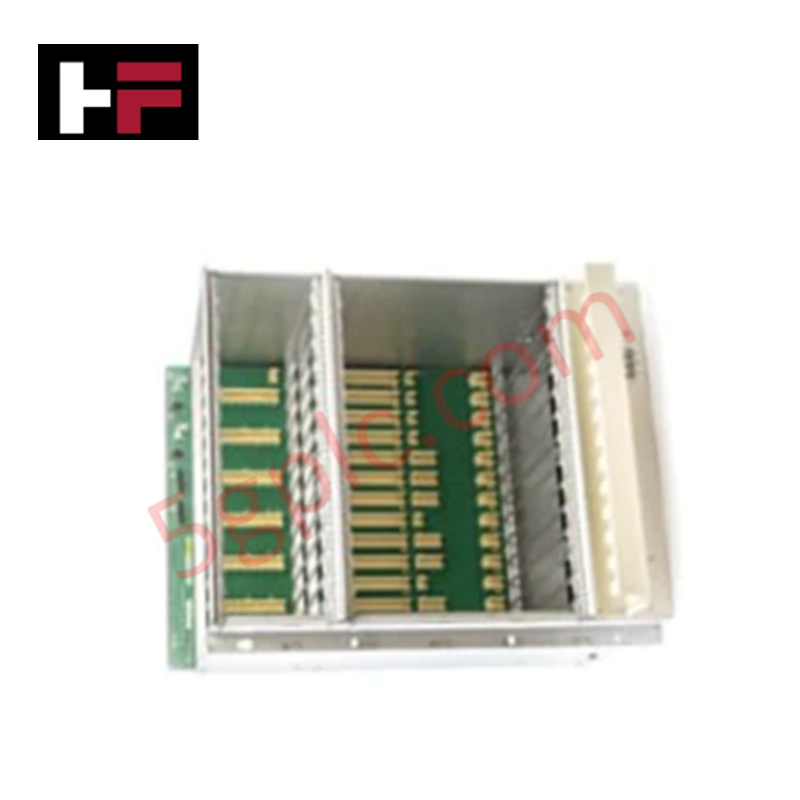
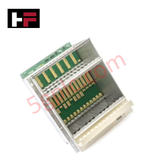
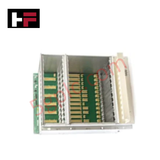
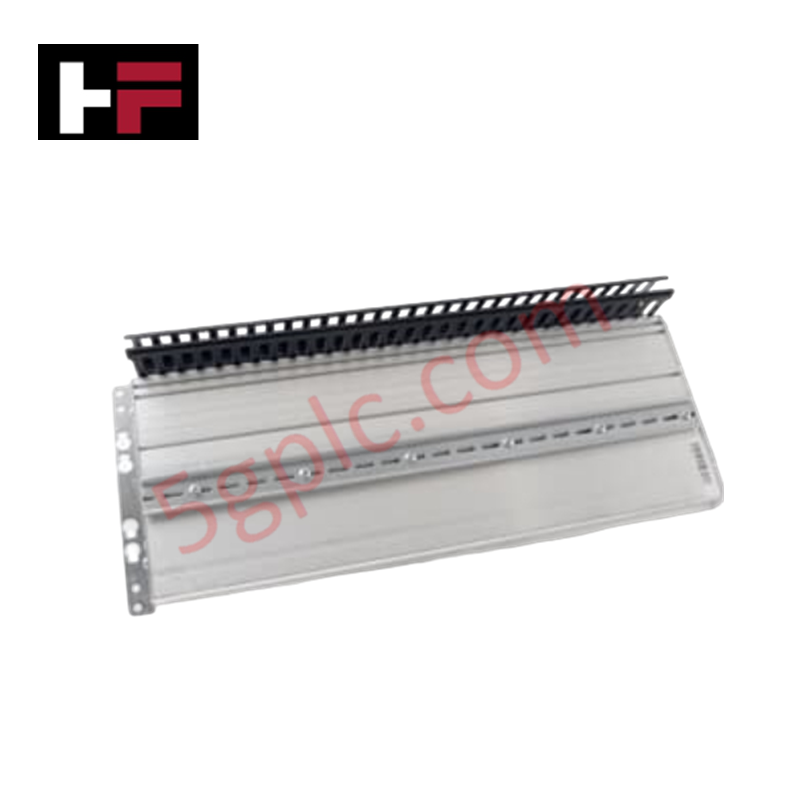
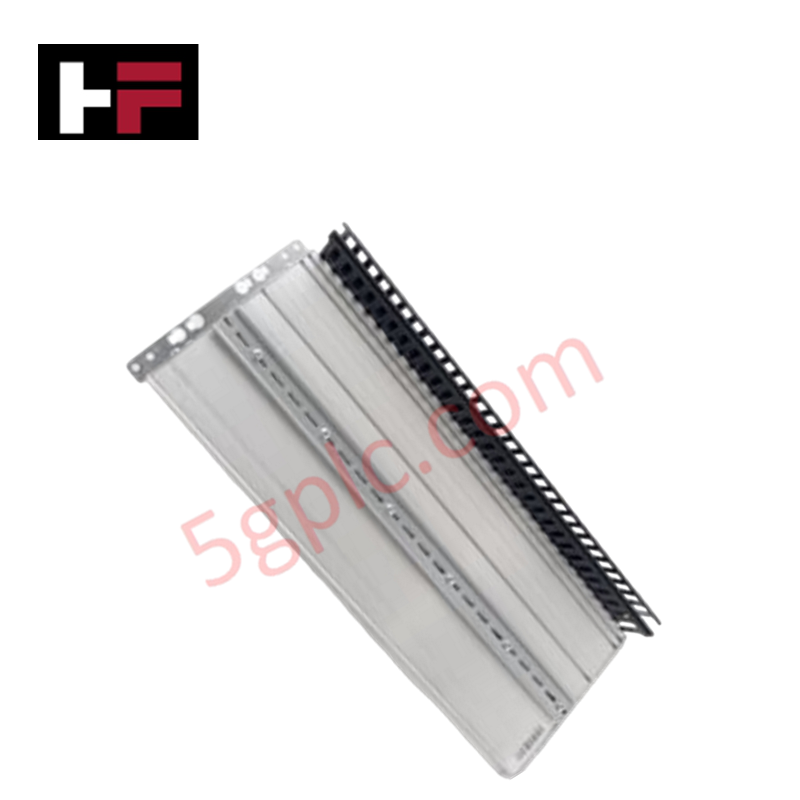
Configured for module hosting and electrical backplane distribution in Advant Controller networks, the ABB RF520 3BSE000741R1 (RF520 Subrack) provides direct physical/electrical execution.
Hardware Specifications
| Parameter | Specification |
|---|---|
| Model | RF520 3BSE000741R1 |
| Brand | ABB |
| Origin | Sweden |
| Weight | 9.54 kg net |
| Dimensions | Standard 12SU form factor enclosure |
| Operating Temp | 0 deg C to +55 deg C nominal |
| Power Consumption | Passive backplane bus loading (dependent on inserted modules) |
| Backplane Model | BB510 (3BSE001693R2) |
| Capacity | 12 Slot Units (12SU) |
| Compatible Air Filter | 3BSC930057R1 |
| Customs Tariff Number | 85389091 |
Backplane Bus Communication Velocity and Density Scaling
The RF520 chassis integrates the BB510 backplane matrix to regulate backplane bus communication velocity and logic line cross-talk attenuation. This 12SU layout establishes hardware address slicing across all functional slots, matching fixed slot indices with parallel data buses. Structural traces inside the multilayer backplane board preserve signal impedance bounds across high I/O density scaling transitions. Electrical terminations embedded within the BB510 network limit signal reflection profiles during peak communication bursts, maintaining clock and synchronization timing margins between active master controllers and neighboring peripheral line interfaces.
Frequently Asked Questions
Q: Does the BB510 backplane inside the RF520 subrack support full live extraction and hot-swap operations for all hosted modules?
A: Hot-swap support depends on the specific architecture of the inserted module. The backplane logic line pins utilize staggered physical lengths to handle pre-charging and ground-first paths, but user-level live hot-swap execution must comply with the firmware flash compatibility and logic bus isolation thresholds of the host processing modules.
Q: How do anomalies or impedance faults on the backplane affect internal communication velocity?
A: Physical trace defects, oxidation, or contamination on the BB510 pins degrade the high-frequency characteristic impedance. This results in signal reflection and parity errors, triggering automatic retries that decrease overall backplane bus communication velocity and can disrupt deterministic real-time processing cycles.
Field Installation Guidelines
- Enclosure Mechanical Alignment: Mount the 12SU subrack chassis inside a standard industrial rack enclosure shell. Secure all external structural mounting bolts to the enclosure frame to prevent high-frequency mechanical vibrations from fatiguing the physical connector junctions.
- Backplane Grounding and Shielding: Connect the dedicated grounding terminal on the RF520 chassis frame to the master system instrument ground plane. Use a low-impedance copper strap to minimize high-frequency noise injection into the internal BB510 bus.
- Air Filter and Thermal Management: Fit the specified 3BSC930057R1 air filter assembly onto the intake channel of the subrack. Ensure ambient vertical air currents are unobstructed to prevent heat accumulation inside the dense I/O scaling array.
- Wiring and Connector Protection: Verify that all power and bus cables are routed without introducing tension on the backplane junctions. Check that all guide rails align properly before driving modules into the BB510 sockets to avoid bending the backplane pins.
Additional Information
- 100% Genuine Parts: All products are original and authentic, ensuring reliable industrial performance.
- 30-Day Refund Guarantee: Return any in-stock item within 30 days in original, unopened packaging for a full refund (excluding shipping and fees).
- 12-Month Warranty: Covers defects in materials or workmanship; excludes misuse, normal wear, or unauthorized modifications.
- Worldwide Shipping: We ship via USPS, UPS, FedEx, and DHL. Delivery times vary by country and may be subject to customs or import fees.
- Support & Contact: Technical and warranty assistance is available anytime. Contact us here: Contact.
- Purchase Guidance: Check product specifications and compatibility carefully before ordering to ensure proper application.
Tech & Buying Guide
Mastering Modern Industrial Joystick Controls in Heavy Automation
Industrial joysticks play a pivotal role in human-machine interaction across heavy material handling and mobile hydraulics. These tactile controllers translate complex operator movements into precise electrical signals for PLCs, motion controllers, and DCS networks. Consequently, selecting and installing the right joystick architecture ensures operator safety, reduces fatigue, and optimizes equipment performance.

Navigating Industrial Automation Failures: Types, Causes, and Mitigation Strategies
Modern manufacturing relies heavily on automated control systems to maximize throughput and maintain product quality. However, unplanned downtime in industrial automation can cost facility operators thousands of dollars per hour. Understanding how programmable logic controllers (PLCs), distributed control systems (DCS), and field instrumentation fail empowers engineering teams to implement robust preventive maintenance strategies.
Essential Motion Control Commands: A Practical Guide for Engineers
Automation engineers often rely on precise position and speed control to drive modern factory machinery. Modern industrial systems, such as Programmable Logic Controllers (PLCs) and Distributed Control Systems (DCS), depend heavily on standardized motion instructions. Mastering these commands ensures operational safety, protects mechanical components, and optimizes cycle times across production lines.