










Product Details
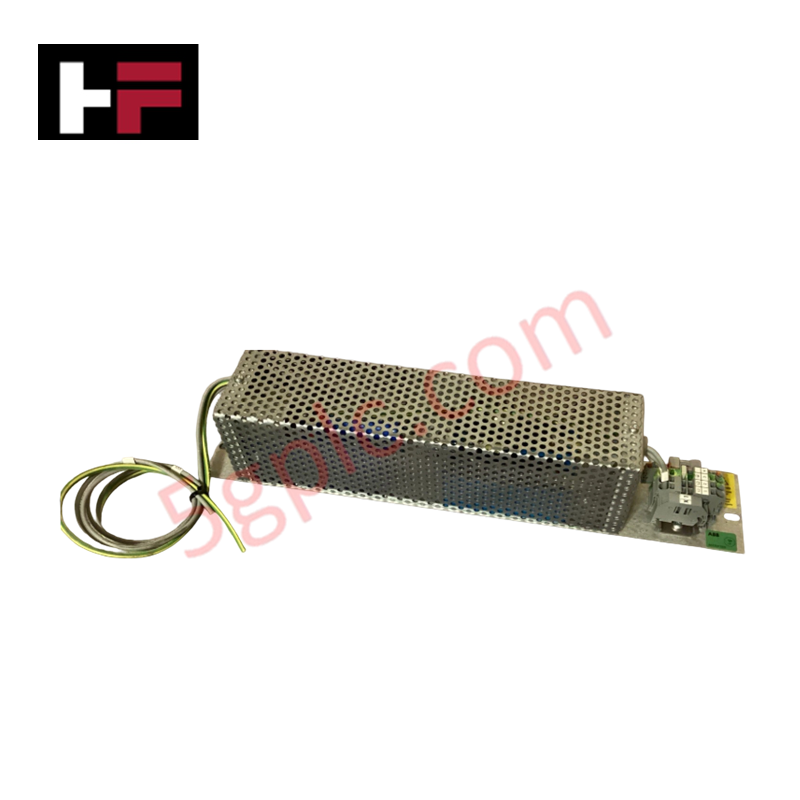
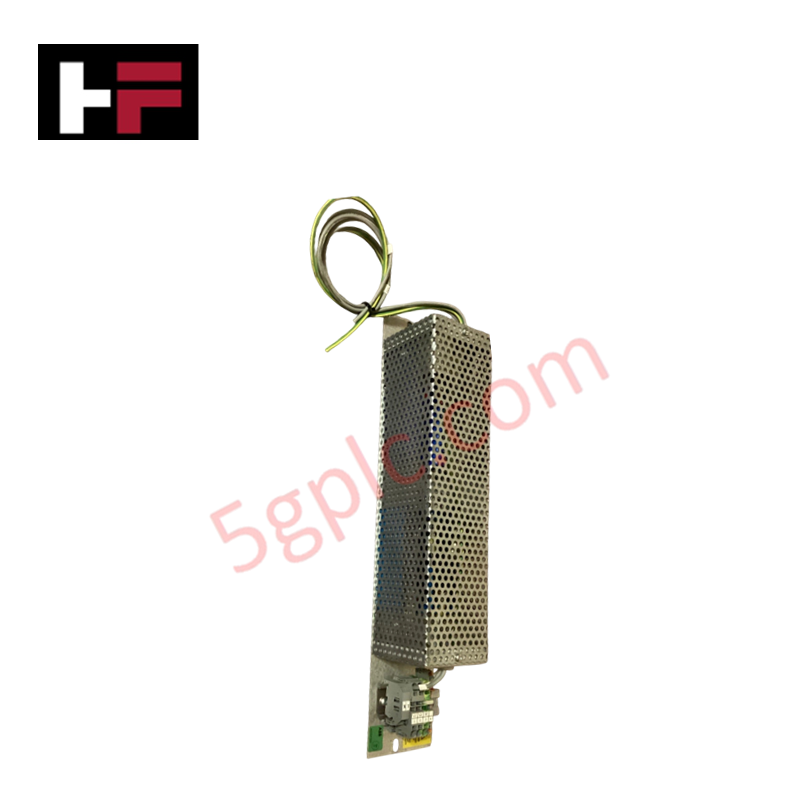
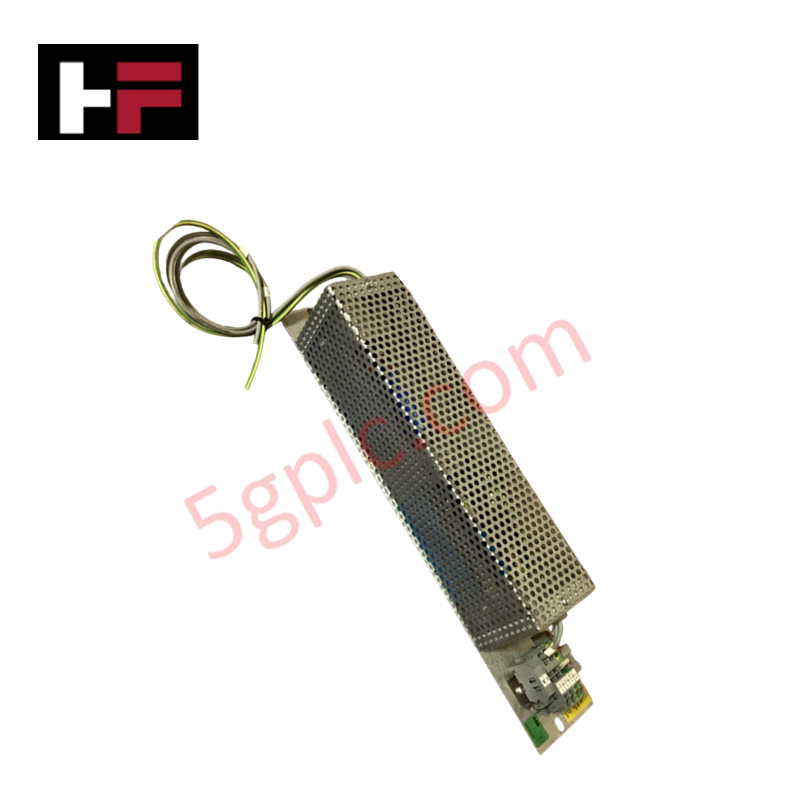
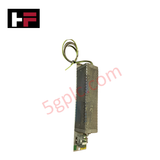
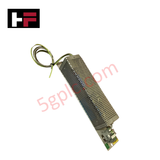
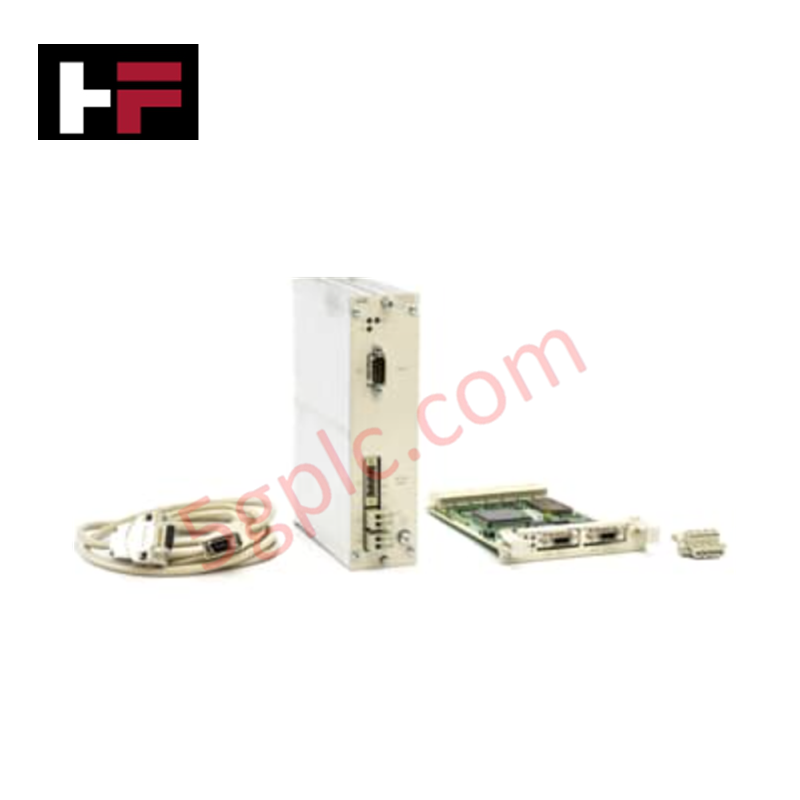
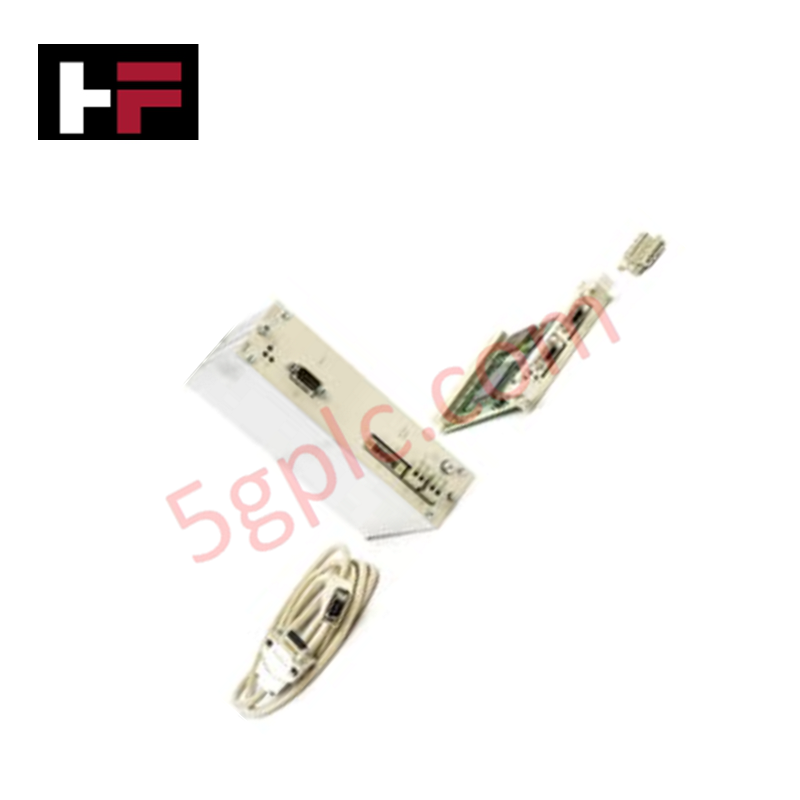
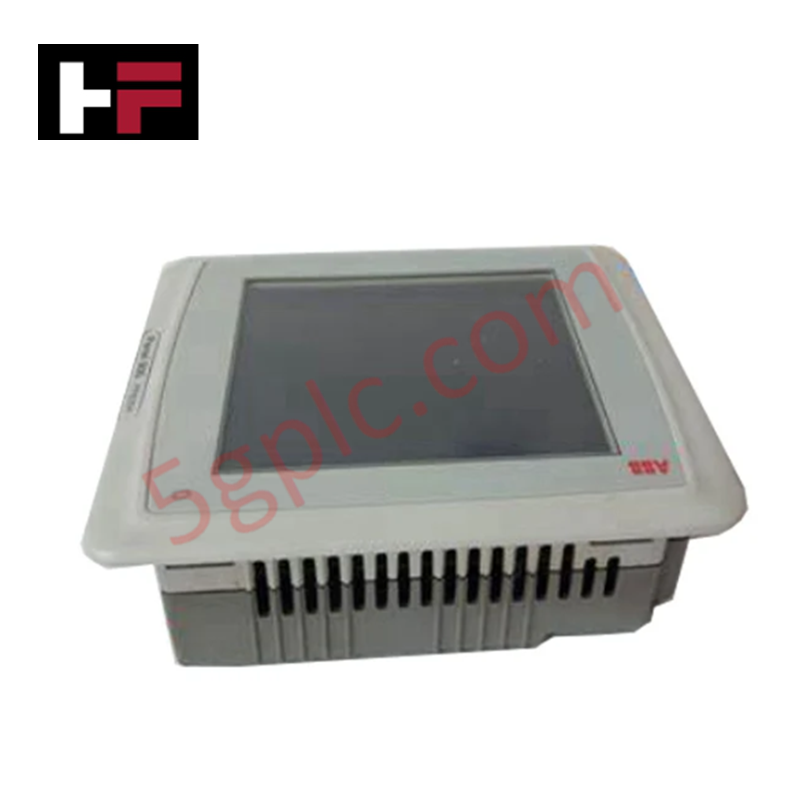
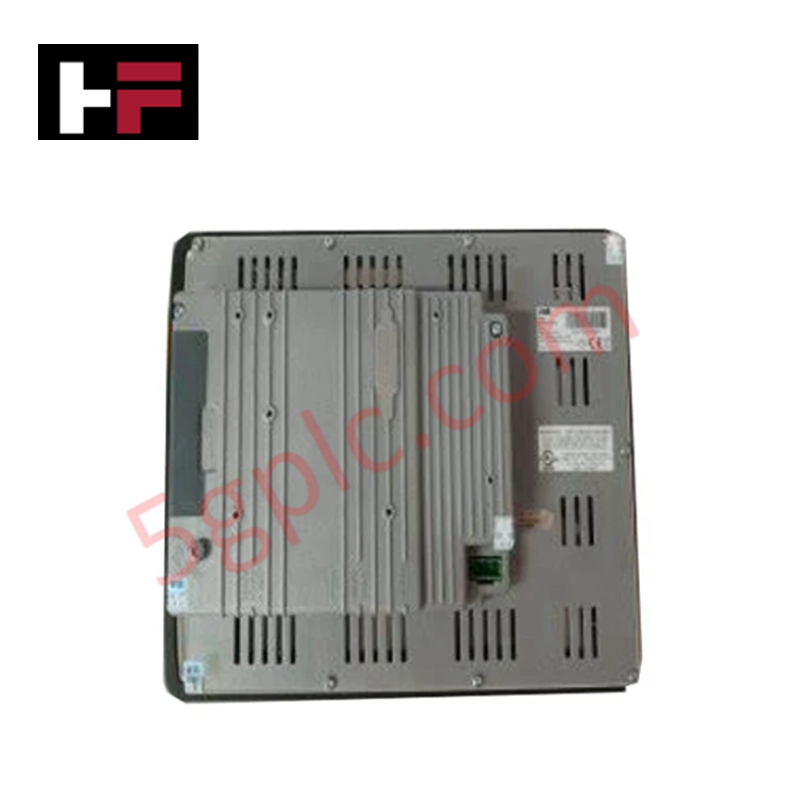
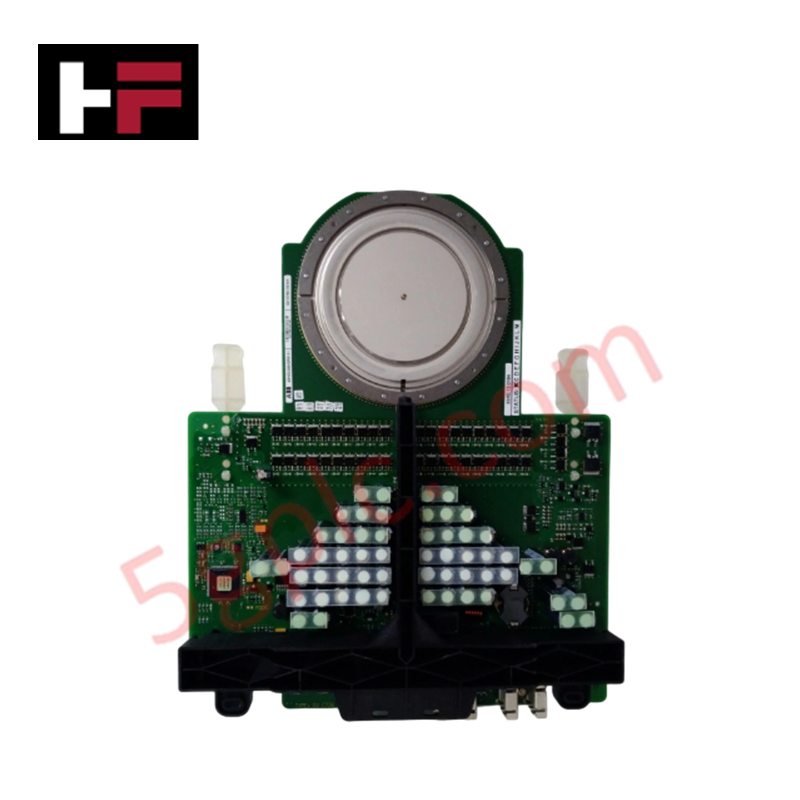
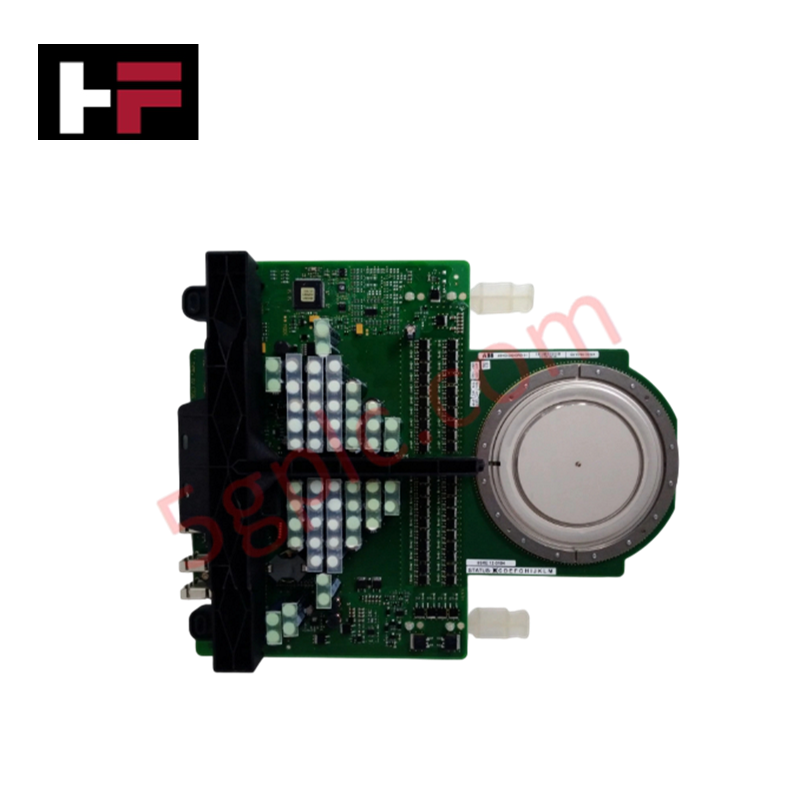
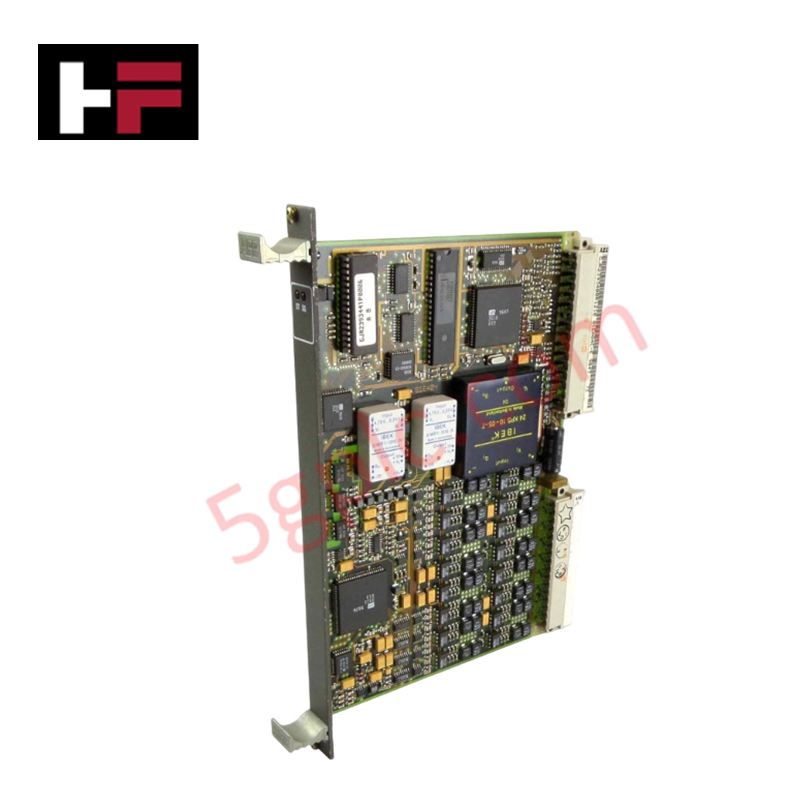
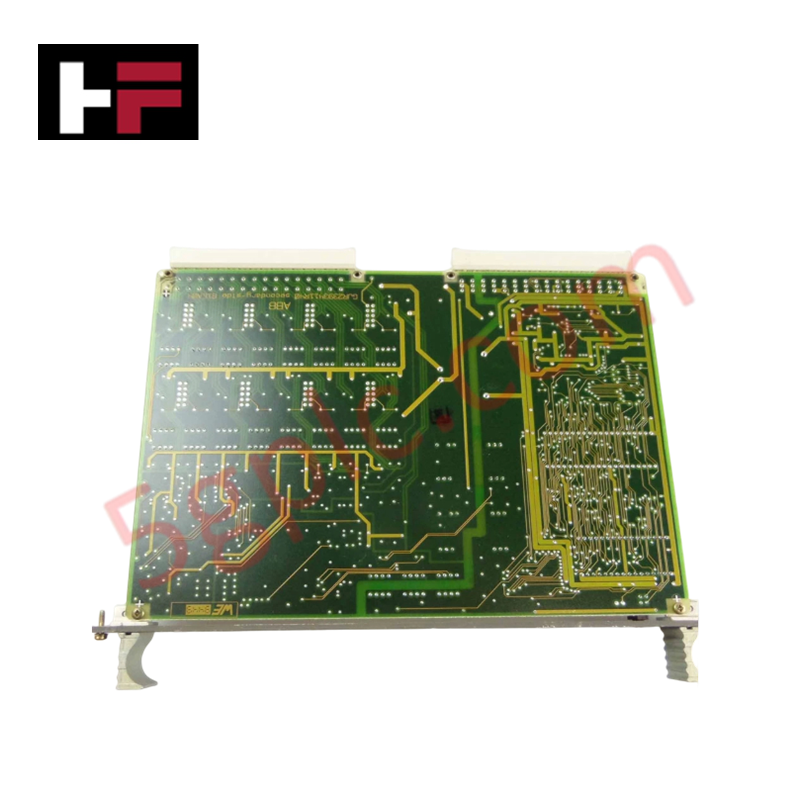
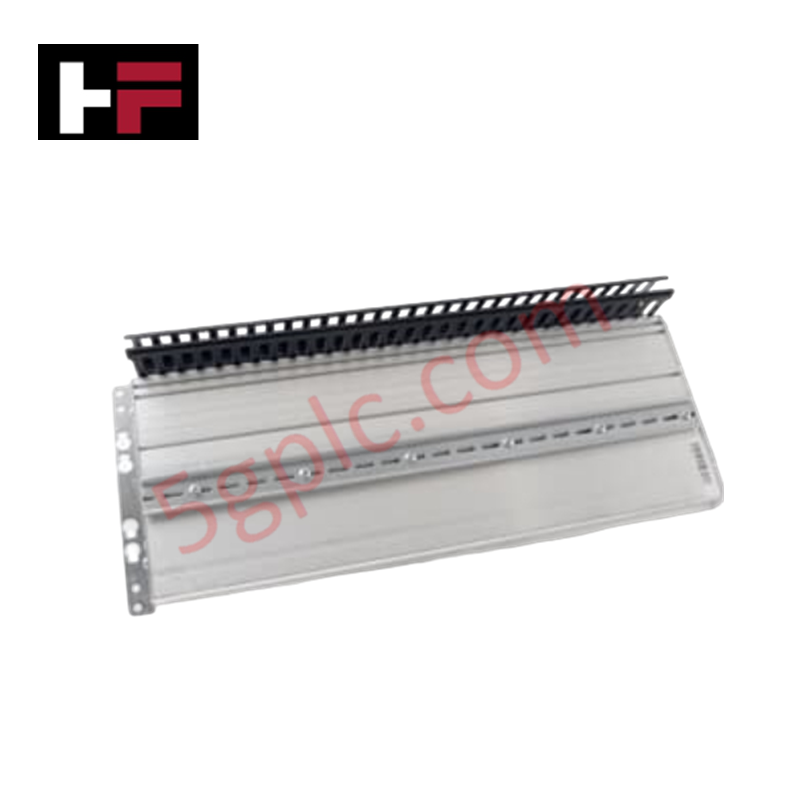
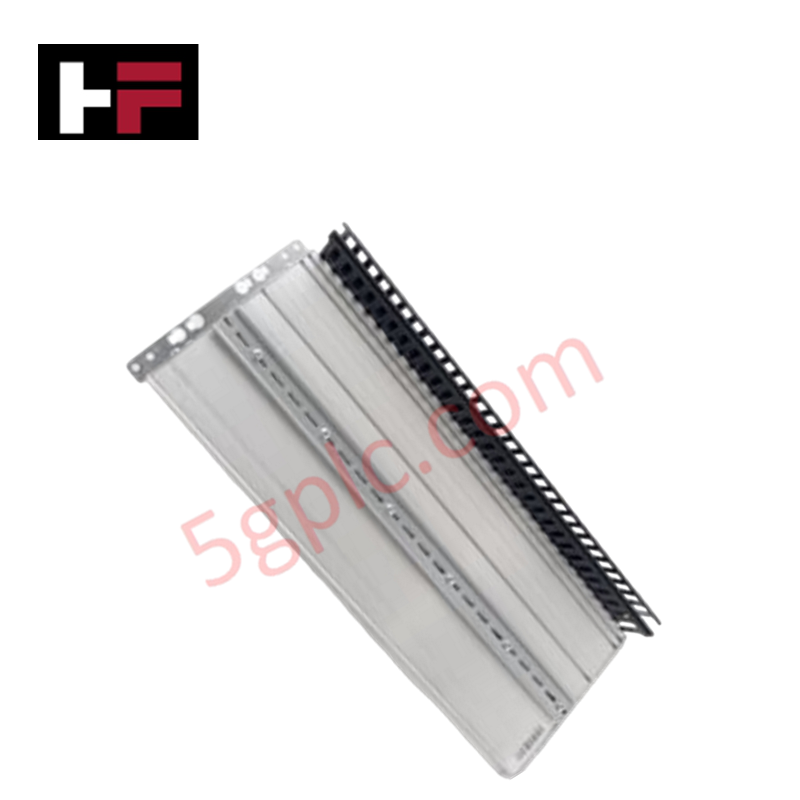
The ABB PFSA145 3BSE008843R1, also cataloged as the PFSA145 Mains Filter, operates as a dedicated hardware component for noise suppression and harmonic mitigation within electrical distribution networks.
Hardware Specifications
| Parameter | Specification |
| Model | PFSA145 (Part Number: 3BSE008843R1) |
| Brand | ABB |
| Origin | Sweden / Switzerland |
| Weight | 3.3 kg (7.3 lbs) |
| Dimensions | 190 mm x 120 mm x 100 mm (7.5 in x 4.7 in x 3.9 in) |
| Operating Temp | -25 to +50 deg C |
| Power Consumption | Passive component (Insertion loss dependent) |
| Rated Voltage | 220-240 VAC |
| Rated Current | 40 A |
| Frequency | 50/60 Hz |
Profinet / EtherNet/IP Deterministic Networks and Impedance Protection
The physical layout of the mains filter establishes an electromagnetic attenuation boundary directly ahead of industrial processing hardware. By conditioning the 220-240 VAC incoming line feeding regional power supplies, it suppresses high-frequency line interference that can corrupt data frames on adjacent Profinet / EtherNet/IP deterministic networks. The multi-stage passive inductive-capacitive structure executes attenuation of common-mode and differential-mode surges without restricting I/O density scaling or impacting the firmware flash compatibility of downstream electronic control racks.
Frequently Asked Questions
Q: Does this passive mains filter unit require external configuration or firmware allocation?
A: No. The PFSA145 is a purely analog, non-programmable device that executes filtering functions through fixed physical inductors and capacitors. It possesses no firmware flash profile or processor elements.
Q: What are the consequences of subjecting the module to continuous current loads above 40 A?
A: Exceeding the 40 A rated current boundary triggers magnetic saturation of the internal inductors, resulting in reduced filtering performance and rapid thermal elevation that can damage the internal dielectric insulation.
Q: Can this unit handle high-frequency transient switching spikes from adjacent variable speed drives?
A: Yes, the hardware network is specifically configured to mitigate high-frequency line harmonics and switching noise up to standard industrial attenuation profiles, protecting the logic power supply inputs.
Field Installation Guidelines
-
Mechanical Surface Mounting: Secure the 3.3 kg chassis to the cabinet backplate using industrial metric fasteners. Ensure the installation orientation permits passive convection cooling over the housing.
-
Low-Impedance Earthing: Connect the designated protective earth terminal of the filter directly to the main copper ground bar using the shortest possible heavy-gauge strap to maximize noise-sinking efficiency.
-
Cable Separation Rule: Separate the dirty incoming mains lines cleanly from the clean filtered output lines within the cabinet ducting to prevent high-frequency noise from re-coupling across the cables.
-
Terminal Connection Integrity: Tighten all line and neutral terminations to the specified torque metrics. Loose connections alter circuit impedance and induce localized thermal hot spots during maximum 40 A loads.
Additional Information
- 100% Genuine Parts: All products are original and authentic, ensuring reliable industrial performance.
- 30-Day Refund Guarantee: Return any in-stock item within 30 days in original, unopened packaging for a full refund (excluding shipping and fees).
- 12-Month Warranty: Covers defects in materials or workmanship; excludes misuse, normal wear, or unauthorized modifications.
- Worldwide Shipping: We ship via USPS, UPS, FedEx, and DHL. Delivery times vary by country and may be subject to customs or import fees.
- Support & Contact: Technical and warranty assistance is available anytime. Contact us here: Contact.
- Purchase Guidance: Check product specifications and compatibility carefully before ordering to ensure proper application.
Tech & Buying Guide
Mastering Modern Industrial Joystick Controls in Heavy Automation
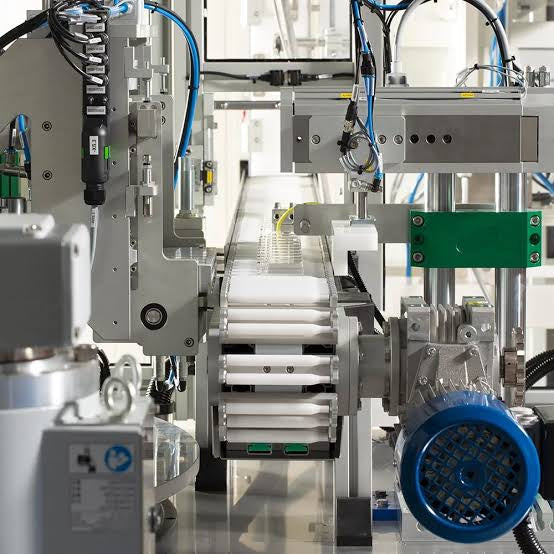
Industrial joysticks play a pivotal role in human-machine interaction across heavy material handling and mobile hydraulics. These tactile controllers translate complex operator movements into precise electrical signals for PLCs, motion controllers, and DCS networks. Consequently, selecting and installing the right joystick architecture ensures operator safety, reduces fatigue, and optimizes equipment performance.

Navigating Industrial Automation Failures: Types, Causes, and Mitigation Strategies
Modern manufacturing relies heavily on automated control systems to maximize throughput and maintain product quality. However, unplanned downtime in industrial automation can cost facility operators thousands of dollars per hour. Understanding how programmable logic controllers (PLCs), distributed control systems (DCS), and field instrumentation fail empowers engineering teams to implement robust preventive maintenance strategies.
Essential Motion Control Commands: A Practical Guide for Engineers
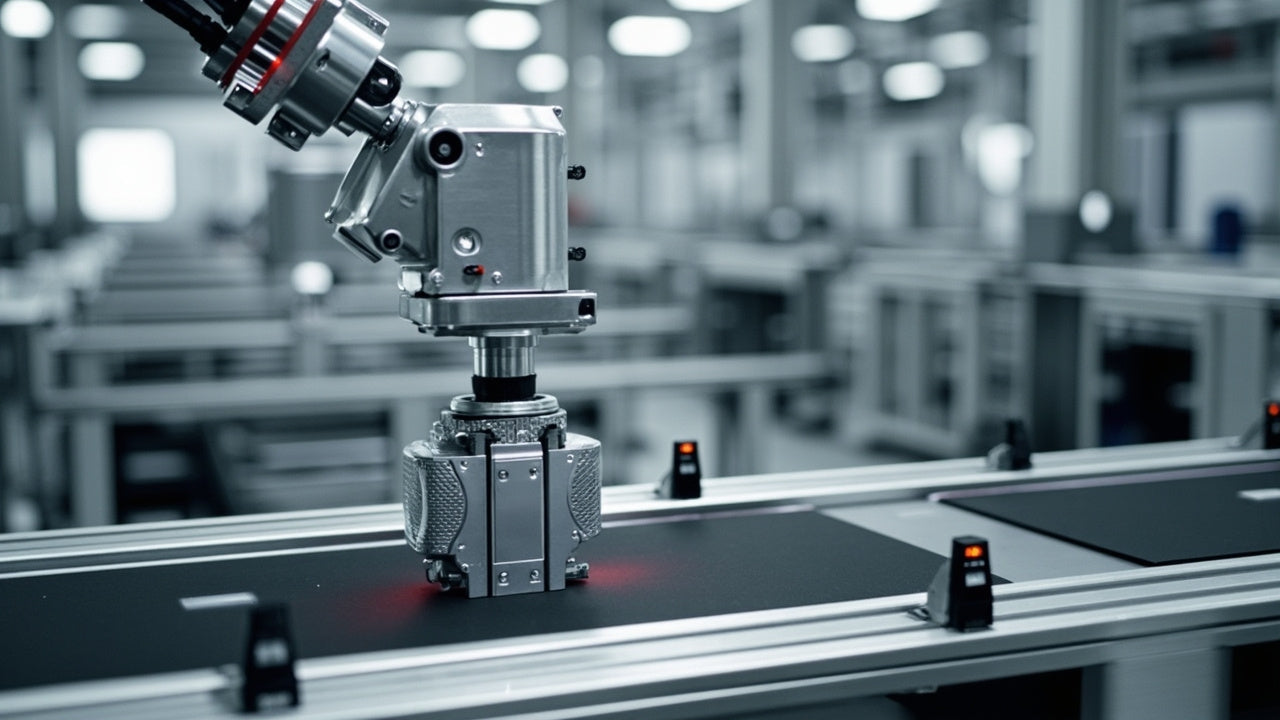
Automation engineers often rely on precise position and speed control to drive modern factory machinery. Modern industrial systems, such as Programmable Logic Controllers (PLCs) and Distributed Control Systems (DCS), depend heavily on standardized motion instructions. Mastering these commands ensures operational safety, protects mechanical components, and optimizes cycle times across production lines.