










Product Details
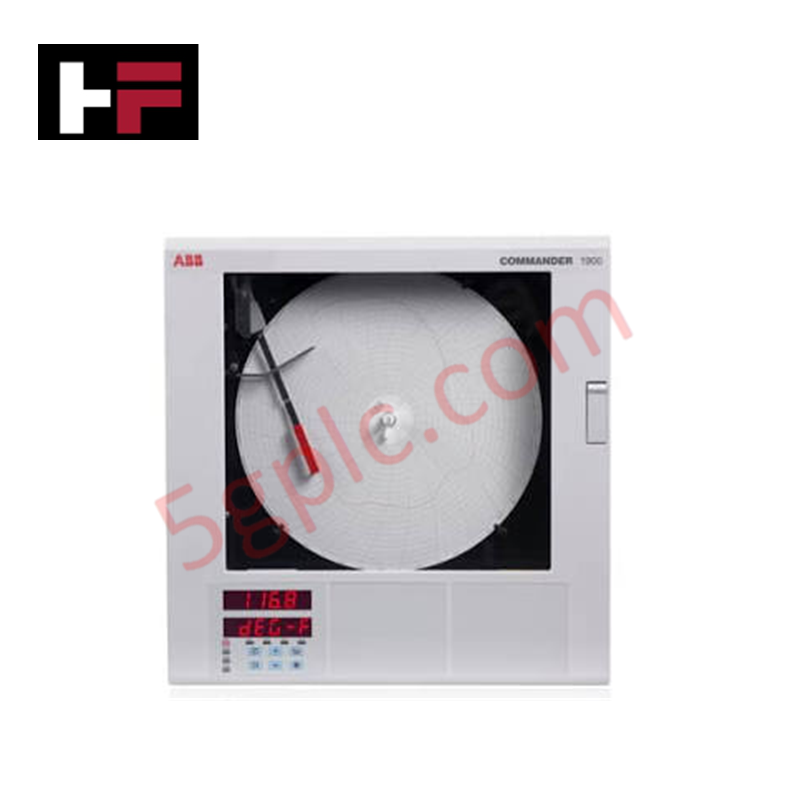
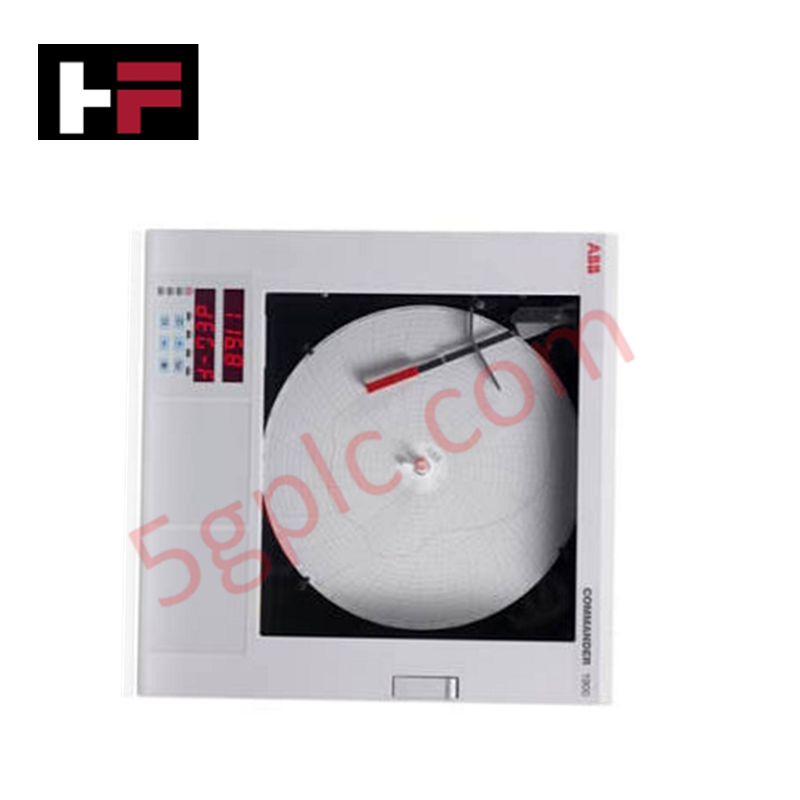
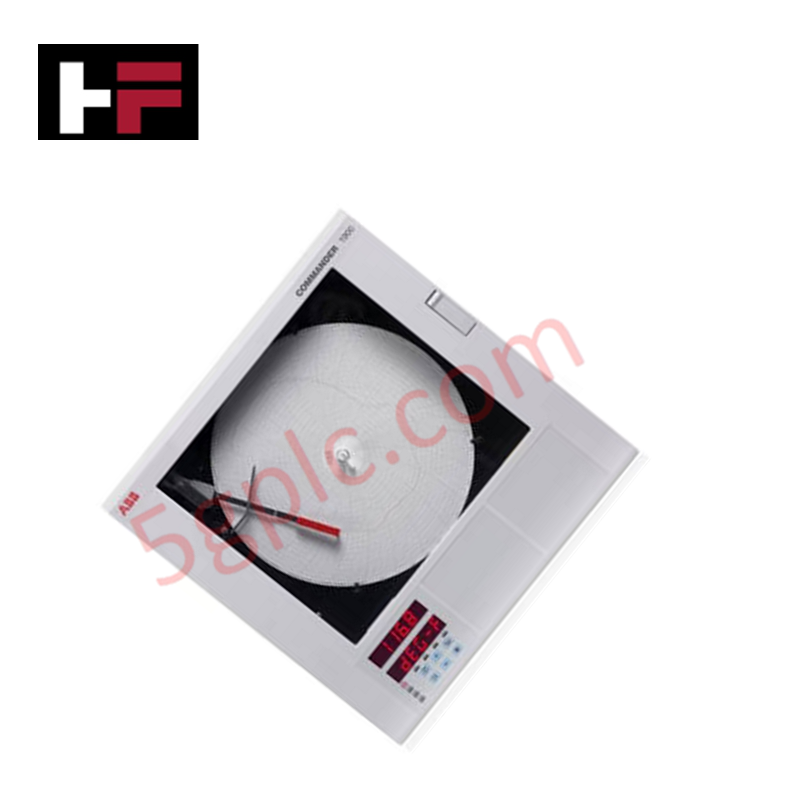
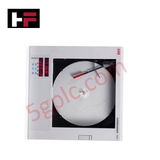
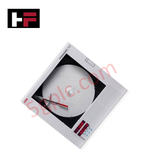
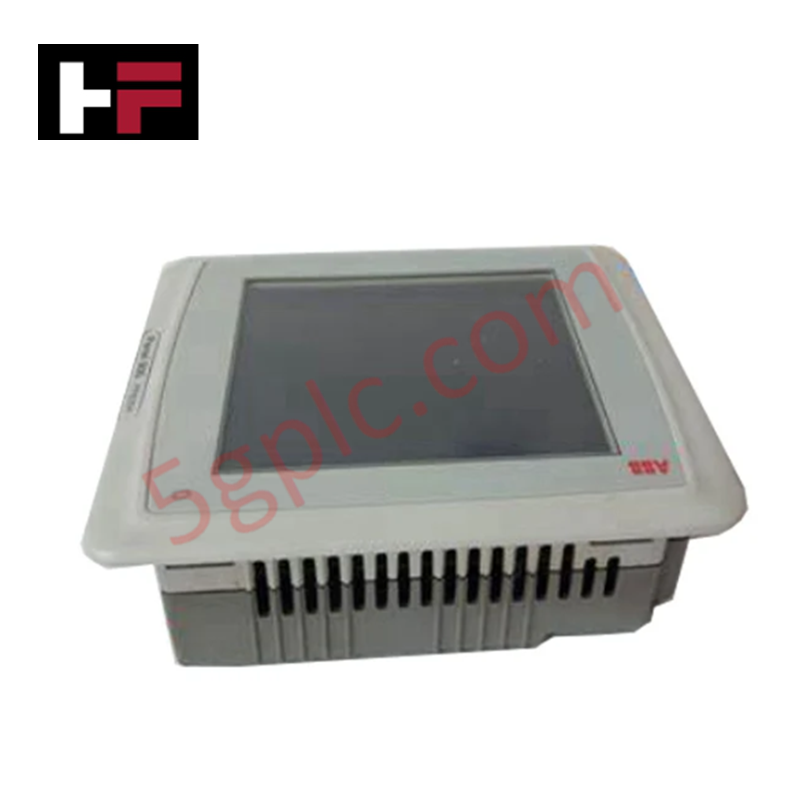
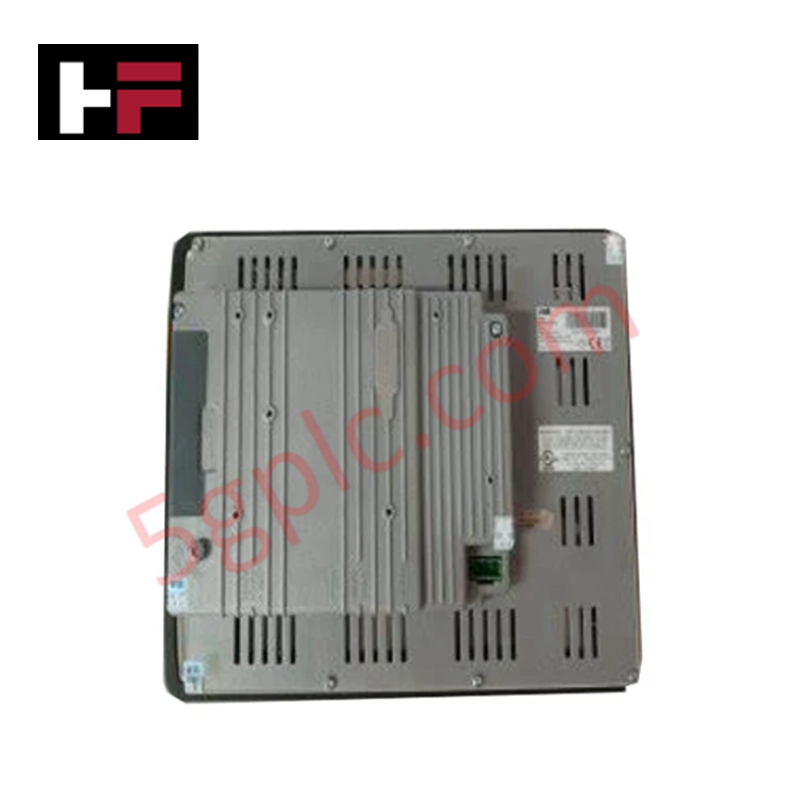
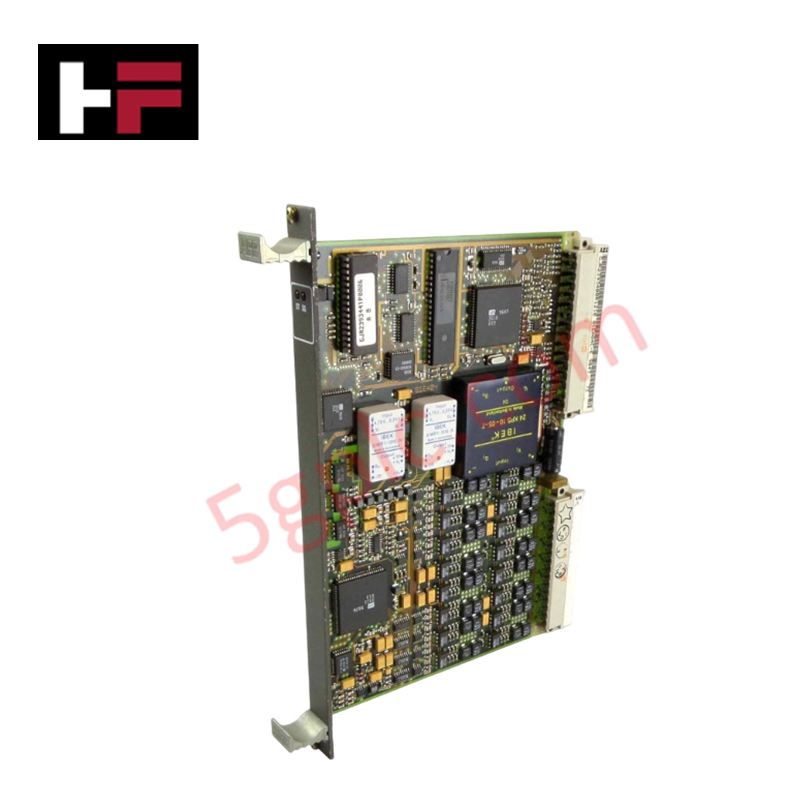
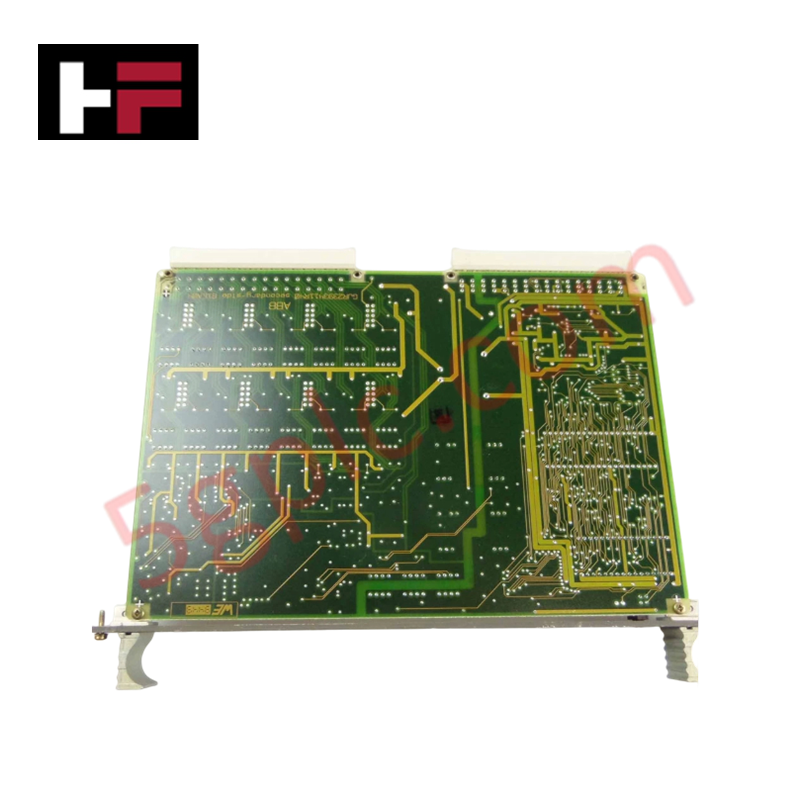
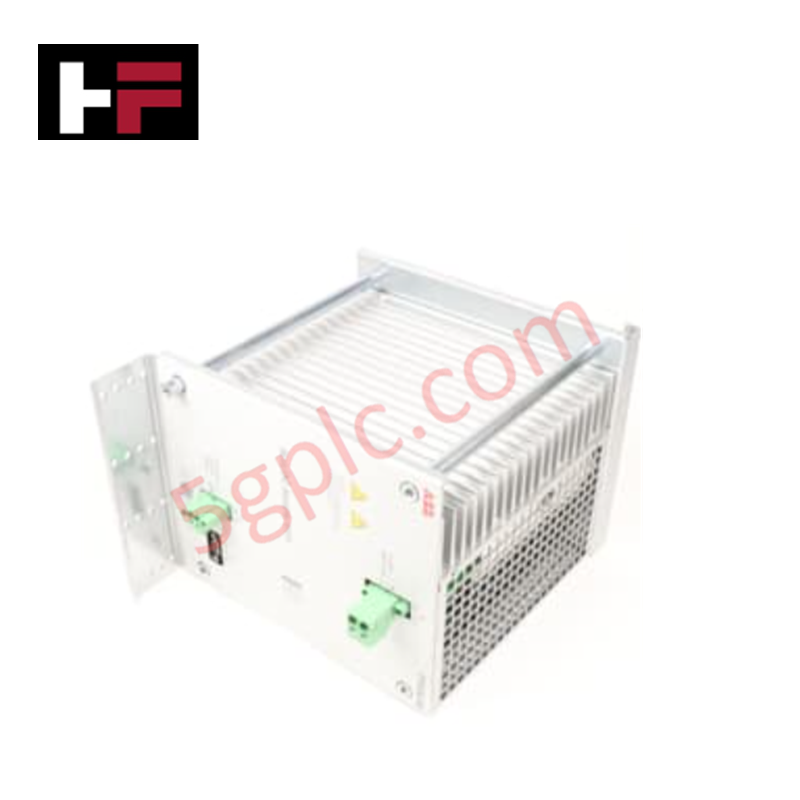
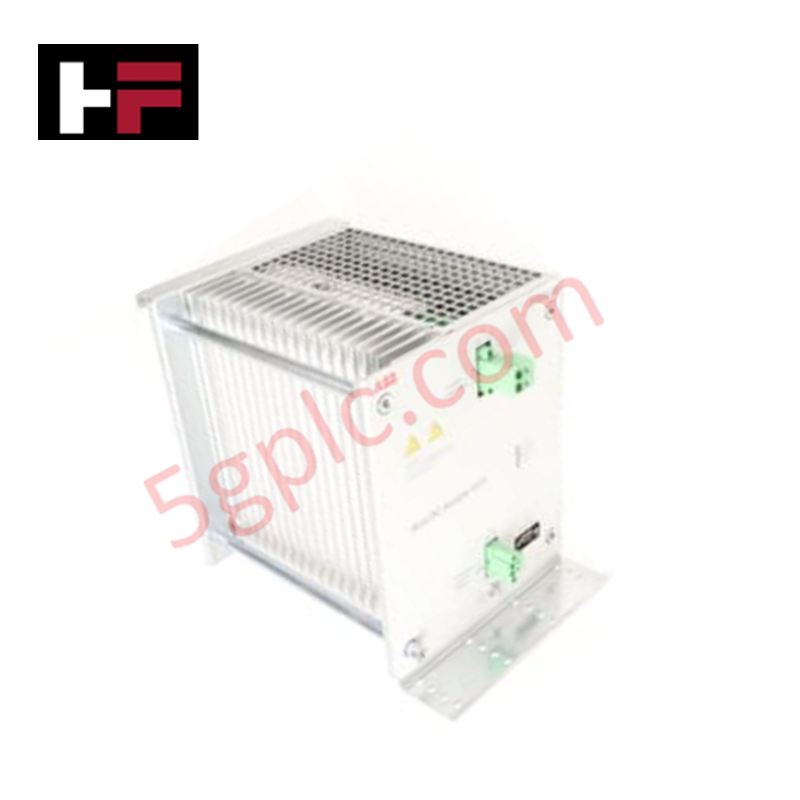
Configured for remote data acquisition and mechanical trace tracking in process loops, the ABB IM/C1900R-Q (IM/C1900R-Q Circular Chart Recorder) provides direct physical/electrical execution.
Hardware Specifications
| Parameter | Specification |
|---|---|
| Model | IM/C1900R-Q |
| Brand | ABB |
| Origin | USA |
| Weight | 1.00 kg (1000 g) |
| Dimensions | Fitted for 10 inch (250 mm) diameter charts |
| Operating Temp | 0 to +50 deg C |
| Power Consumption | 90-264 VAC, 50/60 Hz (Optional 24 VDC variant available) |
| Supported Input Types | 4-20 mA, Pt100 RTD (3-wire), Thermocouples (J, K, T, R, S), 0-10 V, 1-5 V, mV |
| Measurement Accuracy | +/-0.25% of full scale |
| Channel Count | 1 or 2 pens (independent input support) |
| Chart Rotation Speed | Configurable from 1 hour to 7 days per revolution |
| Recording Mechanism | Precision ink pen system with replaceable cartridges |
Profinet / EtherNet/IP Deterministic Networks and I/O Density Scaling
The analog interface card within the IM/C1900R-Q decodes remote input sensor spans down to a baseline measurement accuracy of +/-0.25%. The module structure isolates incoming analog loops, matching data processing timelines to prevent variations in backplane bus communication velocity indexes on adjacent networks. When operating alongside modern Profinet / EtherNet/IP deterministic networks, this localized recording block filters signal ripple to maintain precise time-stamping accuracy. This modular layout ensures absolute firmware flash compatibility across standard C1900 product families, enabling predictable instrumentation metrics independently of external system I/O density scaling.
Frequently Asked Questions
Q: Does the IM/C1900R-Q interface allow hot-swap cartridge or chart replacement during active control loops?
A: Yes. Changing the 10-inch paper chart or swapping the ink pens can be done while the system remains powered. Because the measuring circuit is isolated from the mechanical pen drive assembly, performing routine mechanical maintenance does not interrupt background signal logging.
Q: How is hardware-level firmware flash compatibility verified when changing the dual-channel option board?
A: The central processor examines the option configuration suffix during power-up boot routines. Suffix matching must be cross-checked through standard system documentation to guarantee that cold junction compensation registers initialize properly without driver conflicts.
Q: Can the 4-20 mA remote loop input pin handle ungrounded sensor shields?
A: The input channels use floating differential grounds. If a sensor shield is left ungrounded at the field end, it must terminate directly at the recorder chassis ground terminal block to suppress electrical noise.
Field Installation Guidelines
- Enclosure Panel Mechanical Alignment: Mount the instrument into the designated panel cutout using the factory-supplied side clamps. Tighten the hardware evenly to compress the front face gasket and maintain environmental seal integrity.
- Signal Conductor Termination Paths: Terminate all remote 4-20 mA and thermocouple inputs using separate shielded twisted pairs. Route these measurement lines away from high-voltage AC cables or motor drives to limit electromagnetic noise induction.
- Cold Junction Shielding Practices: For thermocouple installations, stop any localized airflow drafts near the rear terminal block area to ensure the internal cold junction compensation circuit remains accurate.
- Power Connection Configuration: Wire the primary AC source into the marked power terminal strip using an external fuse block. Verify that the line potential matches the 90-264 VAC hardware specification prior to closing the isolation switch.
Additional Information
- 100% Genuine Parts: All products are original and authentic, ensuring reliable industrial performance.
- 30-Day Refund Guarantee: Return any in-stock item within 30 days in original, unopened packaging for a full refund (excluding shipping and fees).
- 12-Month Warranty: Covers defects in materials or workmanship; excludes misuse, normal wear, or unauthorized modifications.
- Worldwide Shipping: We ship via USPS, UPS, FedEx, and DHL. Delivery times vary by country and may be subject to customs or import fees.
- Support & Contact: Technical and warranty assistance is available anytime. Contact us here: Contact.
- Purchase Guidance: Check product specifications and compatibility carefully before ordering to ensure proper application.
Tech & Buying Guide
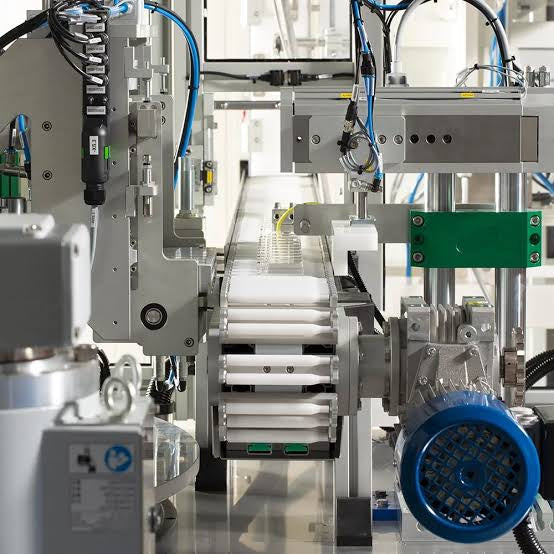
Mastering Modern Industrial Joystick Controls in Heavy Automation
Industrial joysticks play a pivotal role in human-machine interaction across heavy material handling and mobile hydraulics. These tactile controllers translate complex operator movements into precise electrical signals for PLCs, motion controllers, and DCS networks. Consequently, selecting and installing the right joystick architecture ensures operator safety, reduces fatigue, and optimizes equipment performance.

Navigating Industrial Automation Failures: Types, Causes, and Mitigation Strategies
Modern manufacturing relies heavily on automated control systems to maximize throughput and maintain product quality. However, unplanned downtime in industrial automation can cost facility operators thousands of dollars per hour. Understanding how programmable logic controllers (PLCs), distributed control systems (DCS), and field instrumentation fail empowers engineering teams to implement robust preventive maintenance strategies.
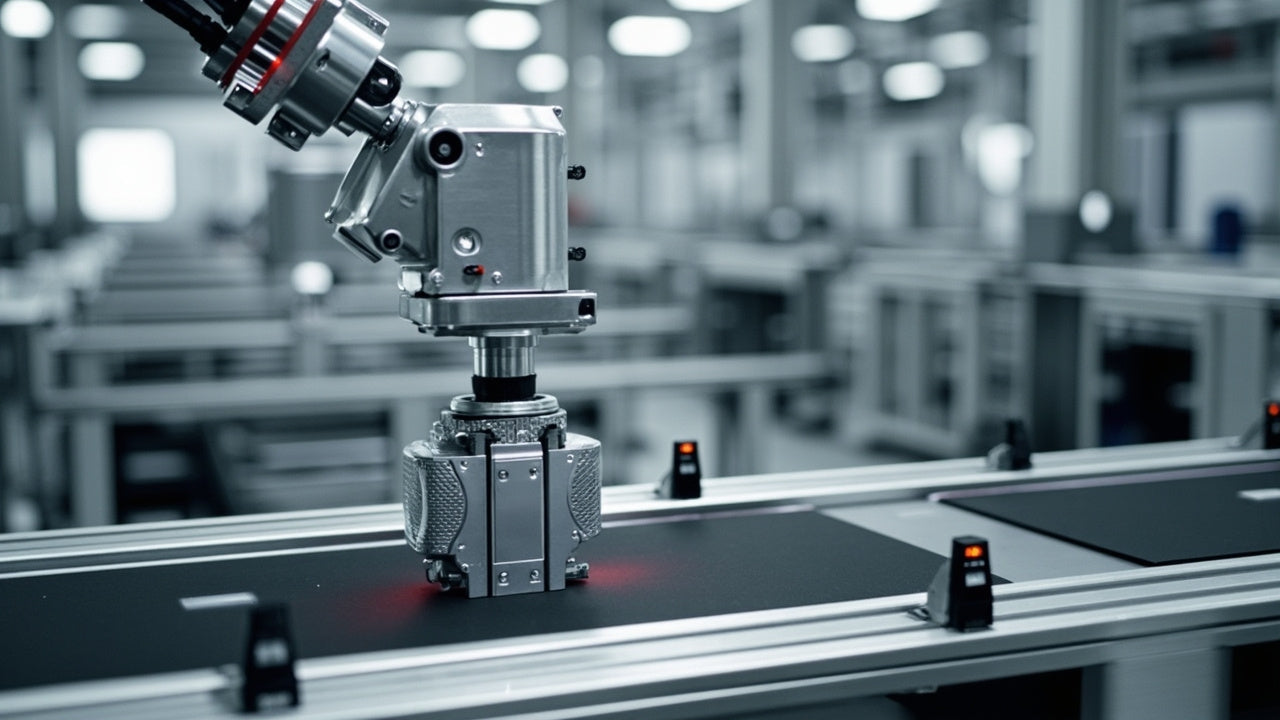
Essential Motion Control Commands: A Practical Guide for Engineers
Automation engineers often rely on precise position and speed control to drive modern factory machinery. Modern industrial systems, such as Programmable Logic Controllers (PLCs) and Distributed Control Systems (DCS), depend heavily on standardized motion instructions. Mastering these commands ensures operational safety, protects mechanical components, and optimizes cycle times across production lines.