










Product Details
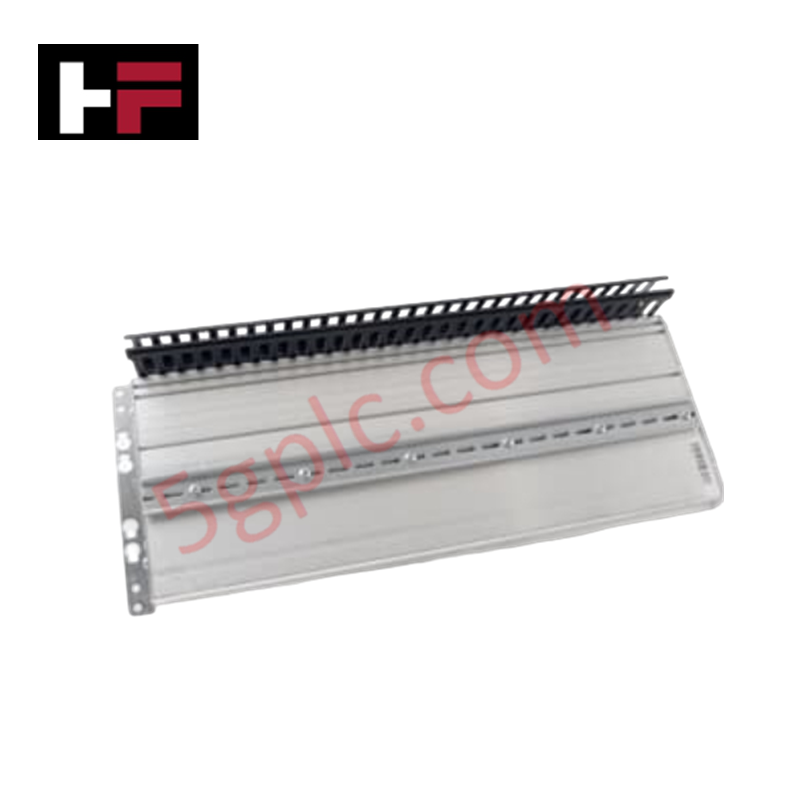
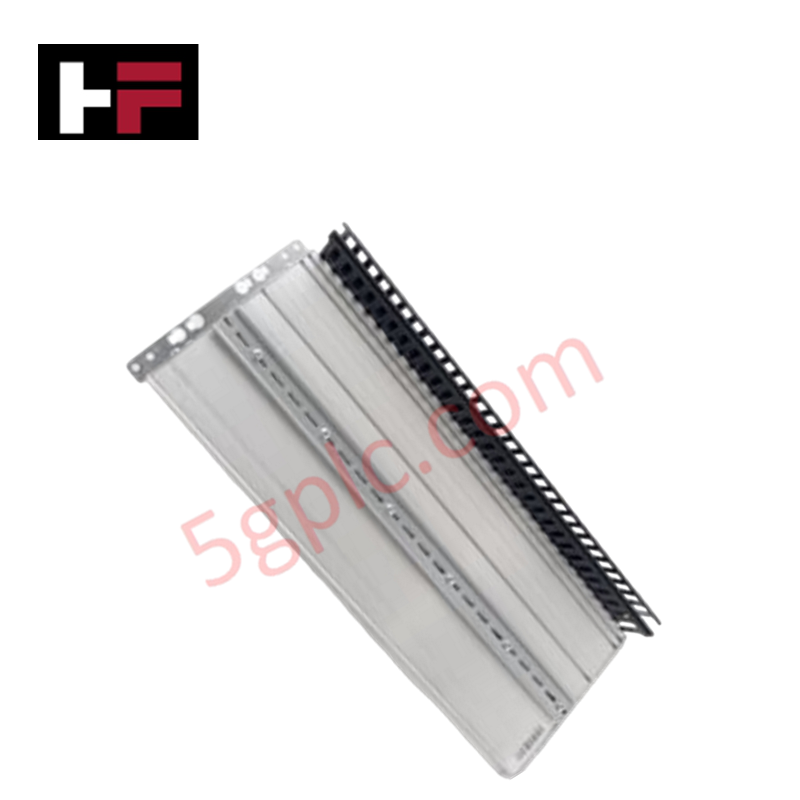
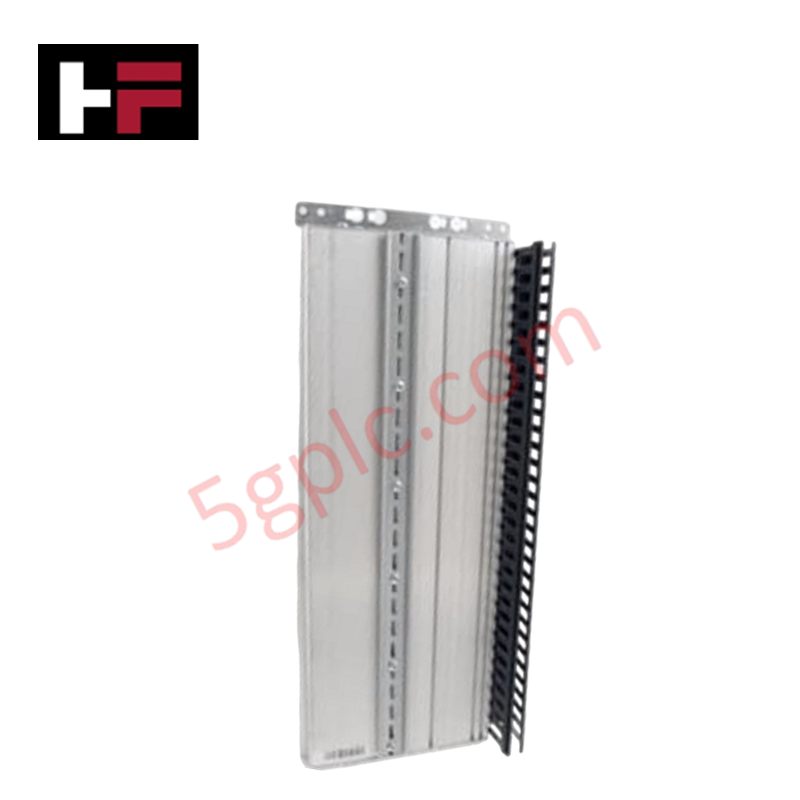
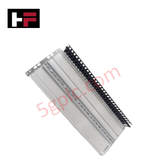
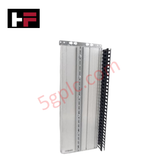
The ABB 3BSE022256R1, also cataloged as the RM550 Aluminum Profile with DIN Rail, operates as a dedicated hardware component for structural support and device positioning within controller chassis networks. The mechanical track provides physical alignment and anchoring configurations for localized modular automation components and electronic hardware assemblies.
Hardware Specifications
| Parameter | Specification |
|---|---|
| Model | RM550 |
| Part Number | 3BSE022256R1 |
| Brand | ABB |
| Weight | 0.54 kg (1.2 lbs) |
| Dimensions | 610 mm x 50 mm x 30 mm (24 in x 1.97 in x 1.18 in) |
| Operating Temp | Standard industrial operating range |
| Power Consumption | Passive mechanical assembly (Zero draw) |
| Material | Aluminum |
| Mounting Compatibility | DIN rail or C-duct structures |
| Color | Silver |
| Environmental Compliance | RoHS compliant |
I/O Density Scaling and Mechanical Rack Integration
The RM550 profile establishes the foundational baseline required for precise I/O density scaling configurations within localized automation enclosures. By providing direct DIN rail and C-duct compatibility metrics, the aluminum track ensures the rigid positioning of control hardware segments across fixed physical fields. This accurate placement prevents spatial deviations near localized backplane bus connections, isolating electronic modules from mechanical stress and maintaining signal contact continuity along the active internal network.
Frequently Asked Questions
Q: Does the RM550 aluminum profile incorporate native electrical isolation layers for mounted devices?
A: No. The aluminum structure is completely conductive. Grounding continuity must be established through direct metal-to-metal bonding or by integrating external star-washer grounding screws into the main plant earth matrix.
Q: What are the primary mechanical limits to consider across the 610 mm track length?
A: To prevent structural deflection or physical bowing under the weight of high-density I/O configurations, structural fixing anchors must be distributed uniformly along the C-duct mounting slots.
Field Installation Guidelines
- Track Clearance Verification: Inspect the 610 mm channel before component insertion, ensuring the silver anodized surface remains free of industrial dust, grease, or oxidation.
- Mechanical Retention Fixing: Tighten all chassis-mounting fasteners to standard industrial torque values to eliminate high-frequency shifting caused by adjacent heavy machinery vibrations.
- Grounding Bond Connection: Attach an independent copper bonding jumper from the aluminum profile substrate to the main panel enclosure grounding terminal block to suppress stray static accumulation.
Additional Information
- 100% Genuine Parts: All products are original and authentic, ensuring reliable industrial performance.
- 30-Day Refund Guarantee: Return any in-stock item within 30 days in original, unopened packaging for a full refund (excluding shipping and fees).
- 12-Month Warranty: Covers defects in materials or workmanship; excludes misuse, normal wear, or unauthorized modifications.
- Worldwide Shipping: We ship via USPS, UPS, FedEx, and DHL. Delivery times vary by country and may be subject to customs or import fees.
- Support & Contact: Technical and warranty assistance is available anytime. Contact us here: Contact.
- Purchase Guidance: Check product specifications and compatibility carefully before ordering to ensure proper application.
Tech & Buying Guide

Executing a PLC System Site Acceptance Test (SAT): The Definitive Engineering Guide
The transition of a Programmable Logic Controller (PLC) cabinet from a controlled factory floor to a volatile plant environment represents a critical milestone in factory automation. While a Factory Acceptance Test (FAT) validates standalone hardware compliance under ideal conditions, it cannot replicate real-world process dynamics. Therefore, deploying an industrial automation system requires a rigorous Site Acceptance Test (SAT) to verify total loop integrity, field wiring wiring metrics, and process control parameters before final customer handover.

Advanced Integration: Master Protocol for VFD Commissioning and Testing
Deploying variable frequency drives (VFDs) requires precise execution during the initial commissioning phase. Junior automation engineers often find the first power-up sequence intimidating. However, following a rigorous engineering framework ensures equipment safety and system reliability. Proper startup procedures protect both the drive electronics and the connected motor.

Optimizing Factory Automation: The Definitive Guide to VFD Preventive Maintenance
Variable Frequency Drives (VFDs) serve as critical assets in modern industrial automation. These power electronic devices regulate electric motors by adjusting the supplied frequency and voltage. Consequently, industries utilize VFDs to reduce energy consumption and optimize process control. Major manufacturers like Siemens, ABB, and Yaskawa design highly efficient drives. However, sustained efficiency requires a rigorous preventive maintenance program.