










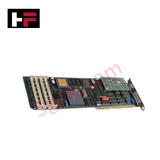
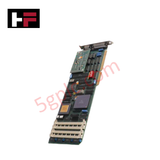
Product Details
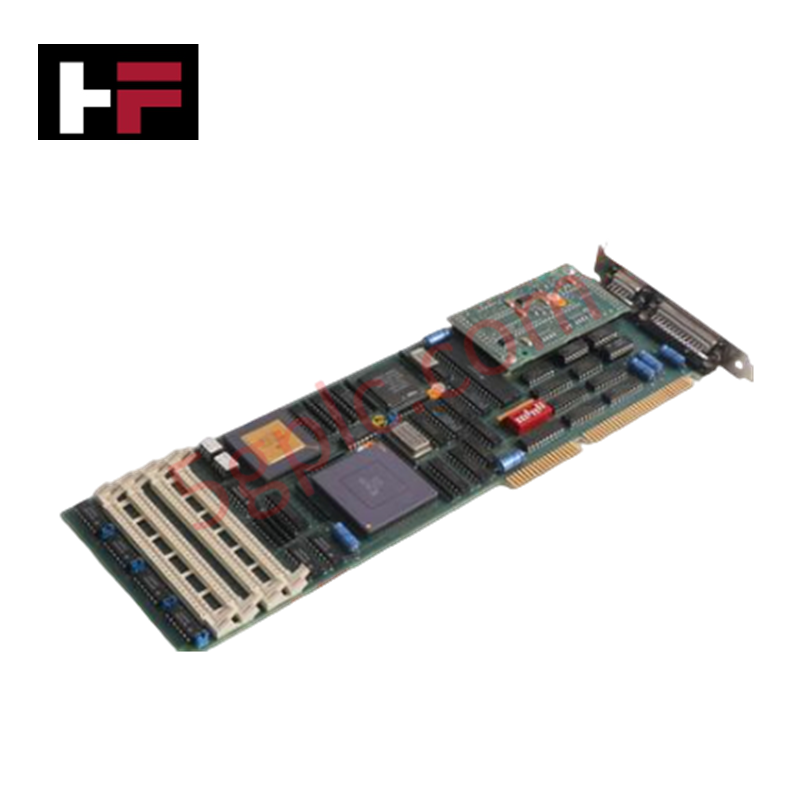
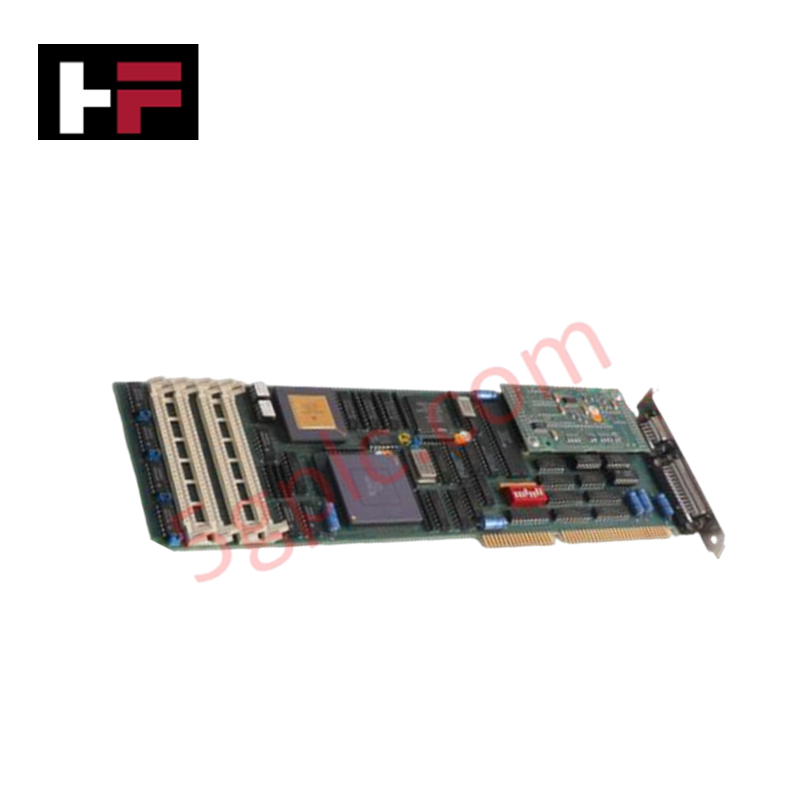
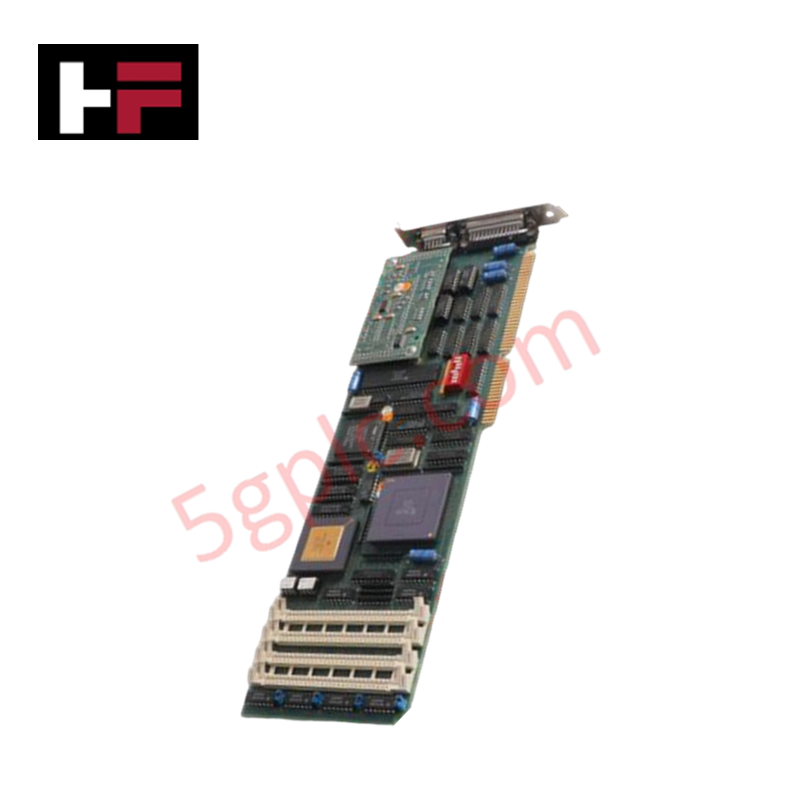
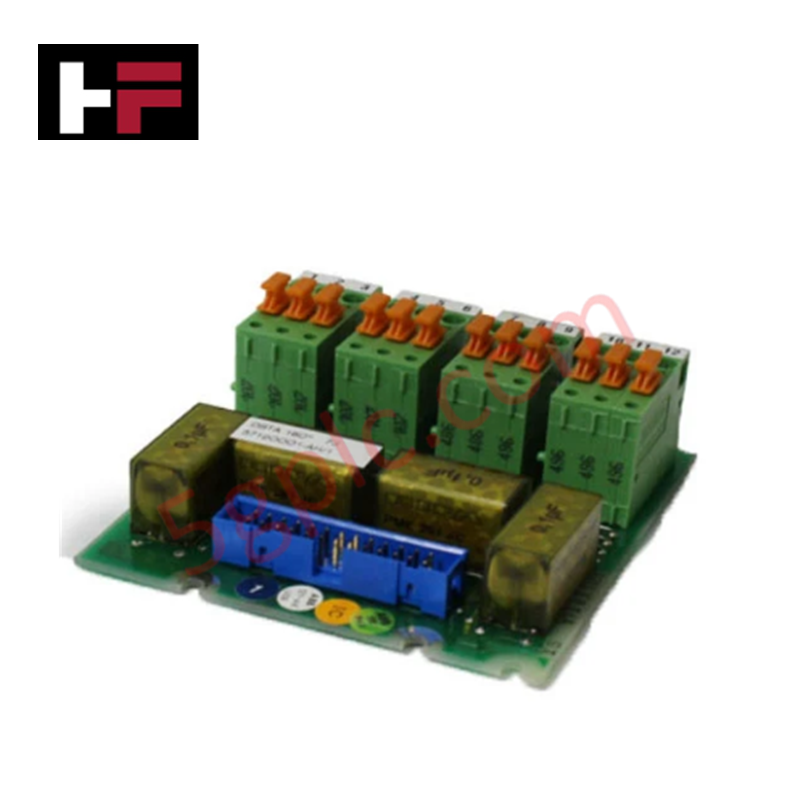
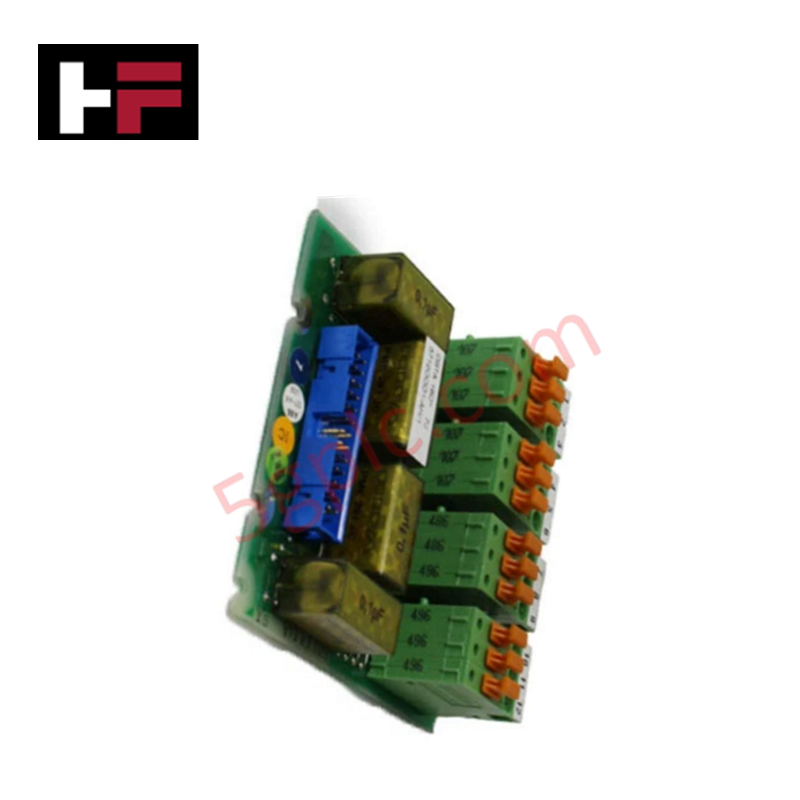
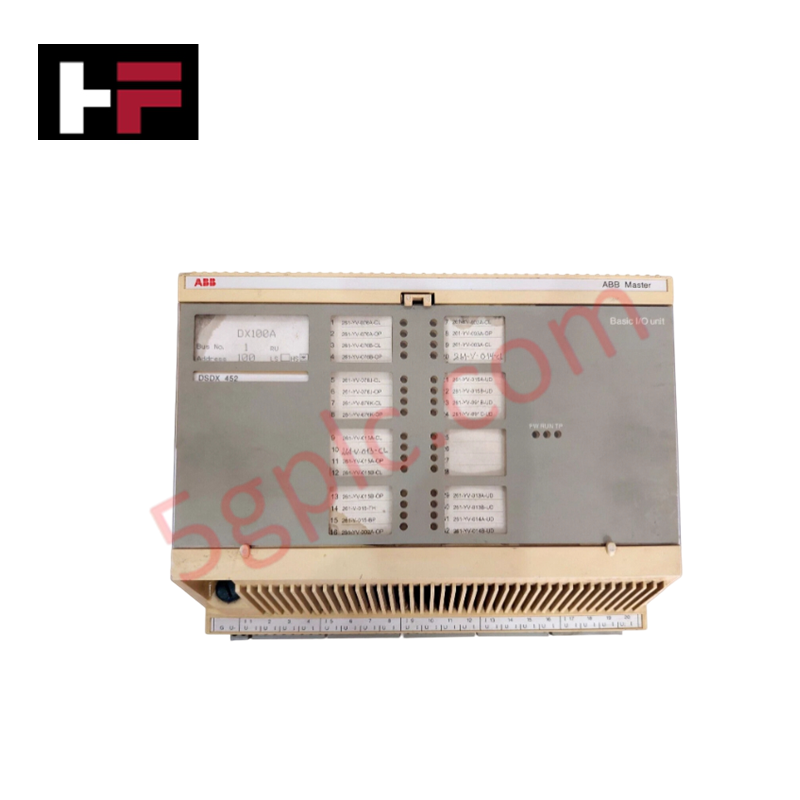
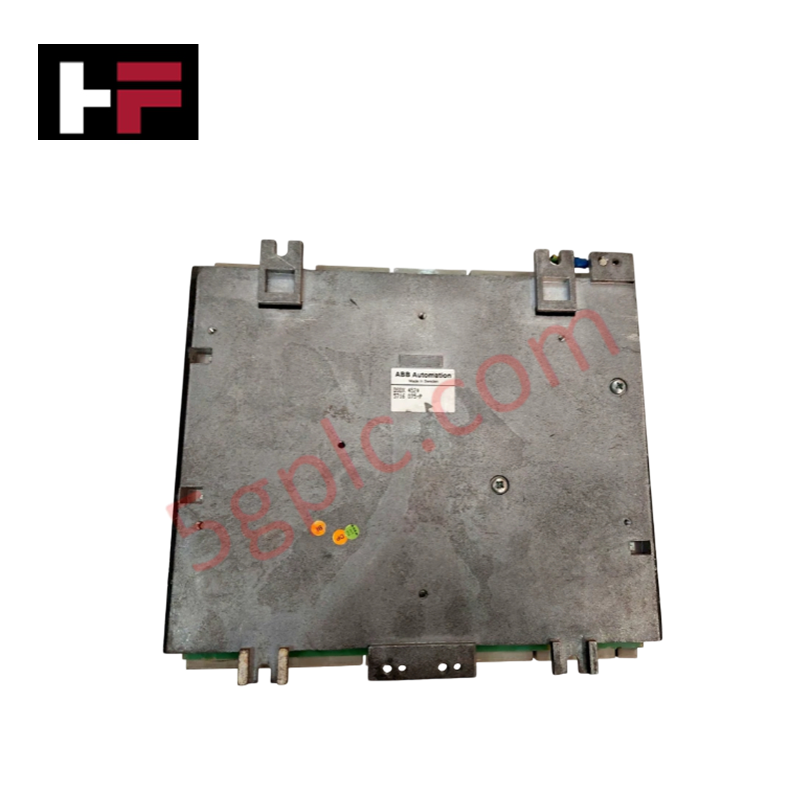
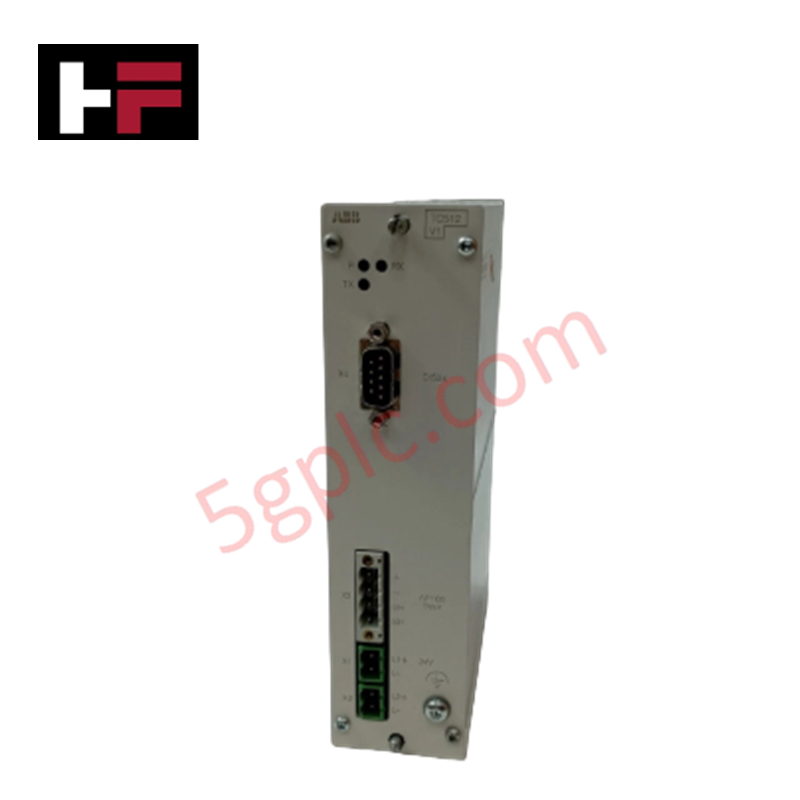
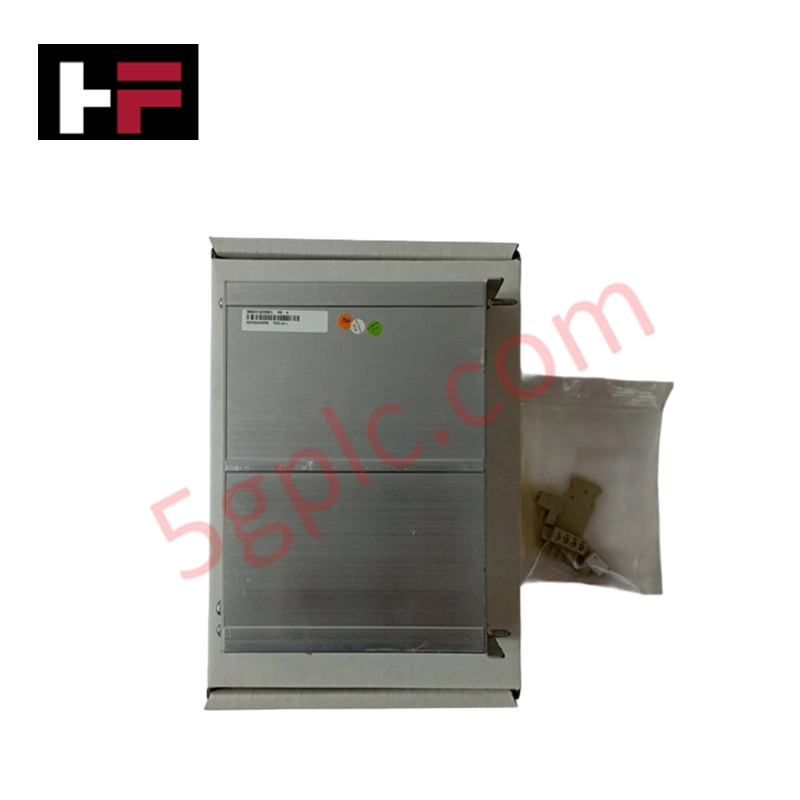
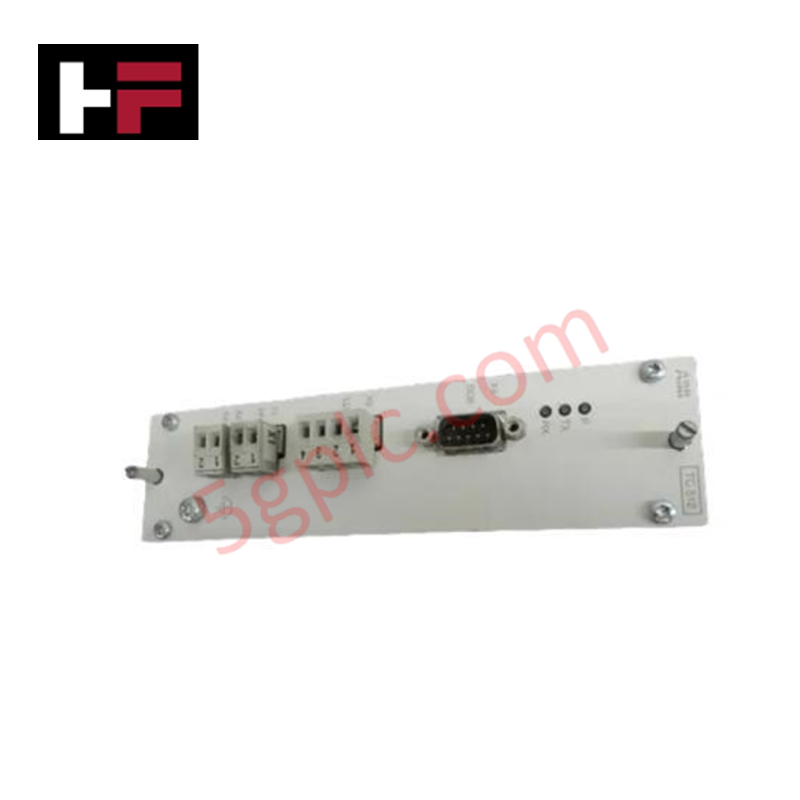
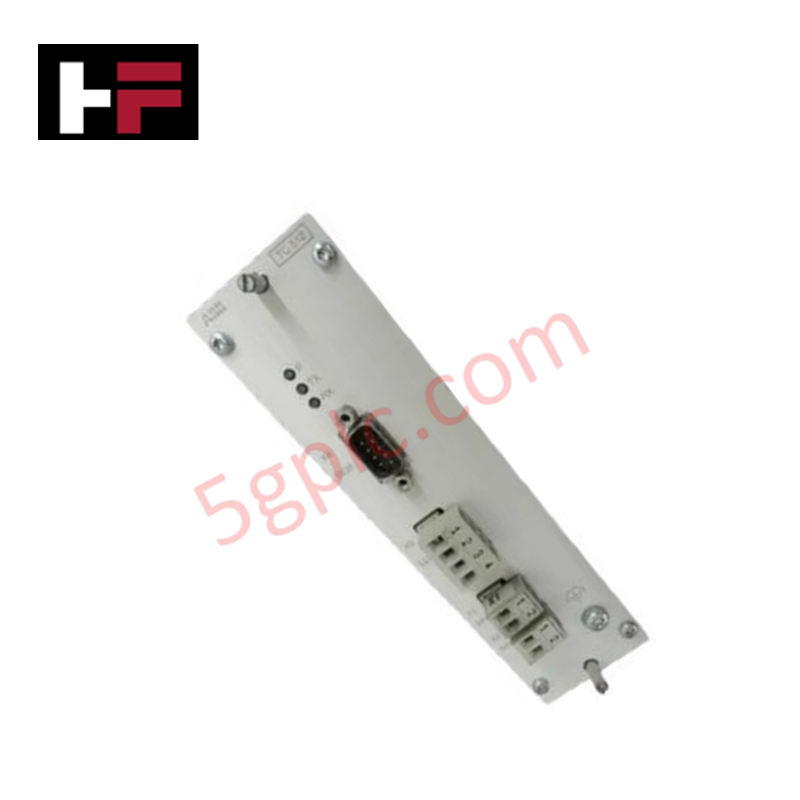
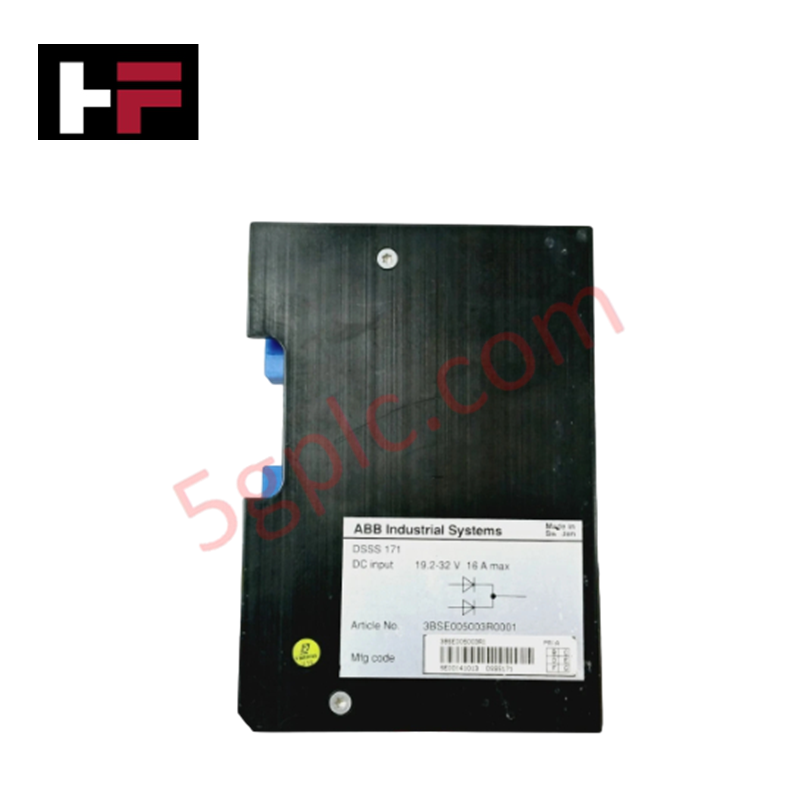
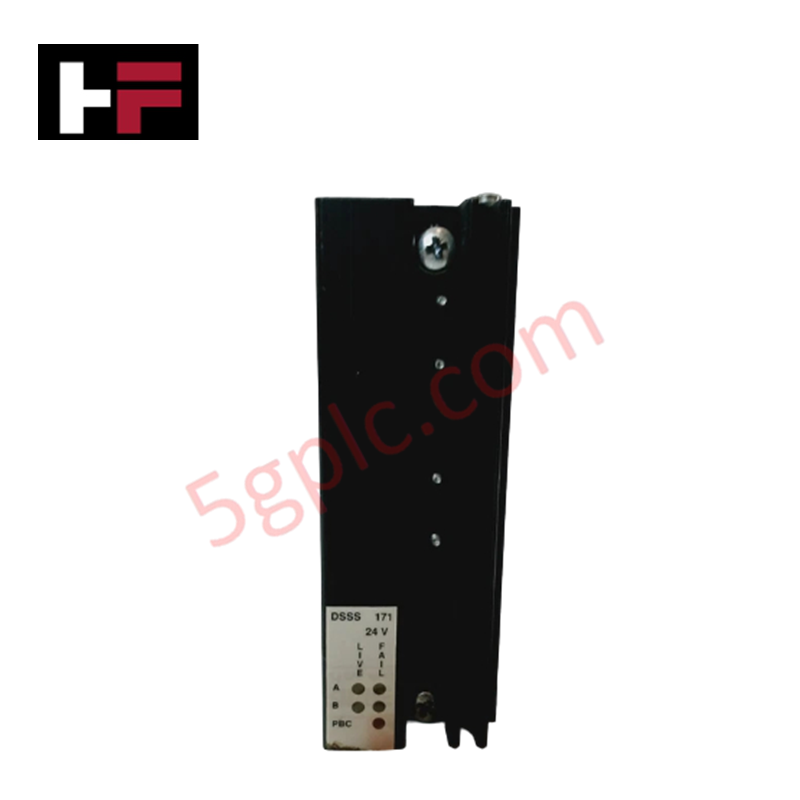
The ABB 3BSE000472R1, also cataloged as the PFBK162 Digital I/O Control Module, operates as a dedicated hardware component for localized control logic execution within ABB PLC and DCS system architectures. Configured for high-density discrete signal buffering and execution routing, this assembly processes physical logic transitions while managing concurrent diagnostic and telemetry data exchange across higher-level automation layers.
Hardware Specifications
| Parameter | Specification |
|---|---|
| Model | PFBK162 (3BSE000472R1) |
| Brand | ABB |
| Origin | Sweden / Germany (Standard series production baseline) |
| Weight | 0.7 kg |
| Dimensions | 127 mm x 92 mm x 60 mm |
| Power Input | 24 VDC (Nominal rating allocation) |
| Communication Interfaces | RS-485 serial interface, Ethernet port interface |
| Mounting Mechanism | DIN-rail mounting stability assembly |
| Enclosure Protection | IP20 |
| Operating Temp | -40 to +70 deg C |
| Storage Temp | -40 to +85 deg C |
| Relative Humidity | 5% to 95%, non-condensing |
| Product Type | Digital I/O Cards |
Profinet / EtherNet/IP Deterministic Networks and I/O Density Scaling
The internal serial and ethernet communication transceivers of the ABB PFBK162 3BSE000472R1 are rate-limited to remain synchronous with default backplane bus communication velocity constraints. When bridging the field-level RS-485 frames into upper architectures via Profinet or EtherNet/IP deterministic networks, the module isolates localized packet traffic to maintain continuous logic updating. The processing pipeline prevents cycle time degradation under extreme I/O density scaling routines, provided that any additional expanded nodes are matched to the master controller firmware flash compatibility profiles.
Frequently Asked Questions
Q: Is hot-swap insertion or direct live extraction of the PFBK162 module permitted while the DIN-rail bus is energized?
A: No. The card design relies on static backplane connection rails without separate live-isolation switching gates. Pulling or inserting the module under power can result in transient voltage spikes that lead to configuration data corruption or terminal hardware component failure.
Q: How are RS-485 serial interface framing errors or timeout states reported to the master processor?
A: Communication status words are mapped to standard data registers. If frame corruption happens due to line degradation or noise, the module sets an error bit within the diagnostic data exchange structure, visible via the host controller network diagnostics.
Field Installation Guidelines
- ESD Handling Protocol: Plant technicians must wear a fully verified, grounded electrostatic discharge (ESD) wrist strap prior to handling terminal wiring or sliding the module onto the rail assembly to eliminate static discharge breakdown risks.
- DIN-Rail Mounting Stability: Attach the 0.7 kg housing firmly onto a standard 35 mm industrial DIN-rail section. Ensure the mechanical locking tab snaps fully into position to prevent intermittent backplane contact under persistent machinery vibration.
- Signal and Communication Isolation: Route the RS-485 serial links and Ethernet network cabling through dedicated, isolated low-voltage wireways. Maintain a physical separation boundary of at least 100 mm from high-voltage AC lines or motor starter circuits to mitigate electromagnetic interference.
- Thermal Clearance Compliance: Maintain a minimum space boundary above and below the IP20 chassis to allow passive airflow circulation, keeping local operating ambient conditions within the -40 to +70 deg C operational limits.
Additional Information
- 100% Genuine Parts: All products are original and authentic, ensuring reliable industrial performance.
- 30-Day Refund Guarantee: Return any in-stock item within 30 days in original, unopened packaging for a full refund (excluding shipping and fees).
- 12-Month Warranty: Covers defects in materials or workmanship; excludes misuse, normal wear, or unauthorized modifications.
- Worldwide Shipping: We ship via USPS, UPS, FedEx, and DHL. Delivery times vary by country and may be subject to customs or import fees.
- Support & Contact: Technical and warranty assistance is available anytime. Contact us here: Contact.
- Purchase Guidance: Check product specifications and compatibility carefully before ordering to ensure proper application.
Tech & Buying Guide

Marshalling Cabinet Preventive Maintenance: Essential Healthiness Checks for PLC, DCS, and ESD Systems
Marshalling cabinets serve as the vital interface between field instrumentation and control room electronics in modern process facilities. Regular preventive maintenance of these cabinets ensures signal integrity across programmable logic controllers (PLCs), distributed control systems (DCS), and emergency shutdown (ESD) networks. System technicians must execute structured inspection protocols to mitigate environmental risks, identify loose wiring, and maintain continuous operational readiness.

Spatial Computing in Industrial Automation: Elevating PLC and DCS Operations with AR and VR
Industry 4.0 integrates digital intelligence into field operations, transforming factory automation landscapes worldwide. Spatial technologies—specifically Augmented Reality (AR) and Virtual Reality (VR)—redefine how engineers interact with industrial control systems. By bridging computer-generated CAD models with real-time operational technology (OT) data, immersive displays enable intuitive monitoring, rapid diagnostics, and safer maintenance across complex processing facilities.

Master Acceptance Testing: Understanding FAT and SAT in Industrial Control Systems
Factory Acceptance Testing (FAT) and Site Acceptance Testing (SAT) serve as critical quality assurance gateways in complex industrial control systems. Both procedures verify that programmable logic controllers (PLCs), distributed control systems (DCS), and associated field devices meet strict functional specifications. However, executing these tests effectively requires clear delineation between off-site staging and final field commissioning.