










Product Details
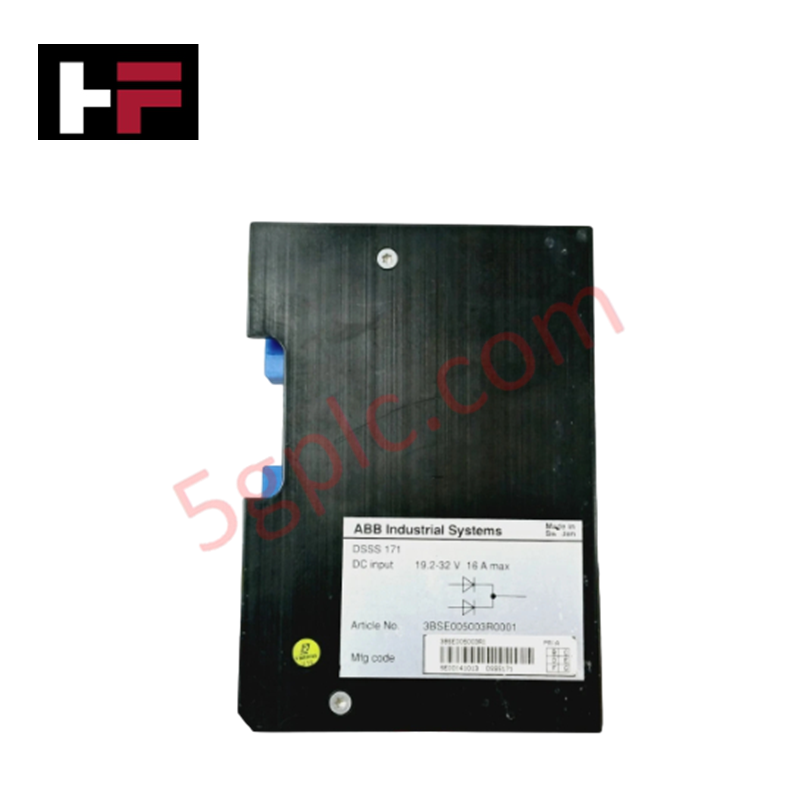
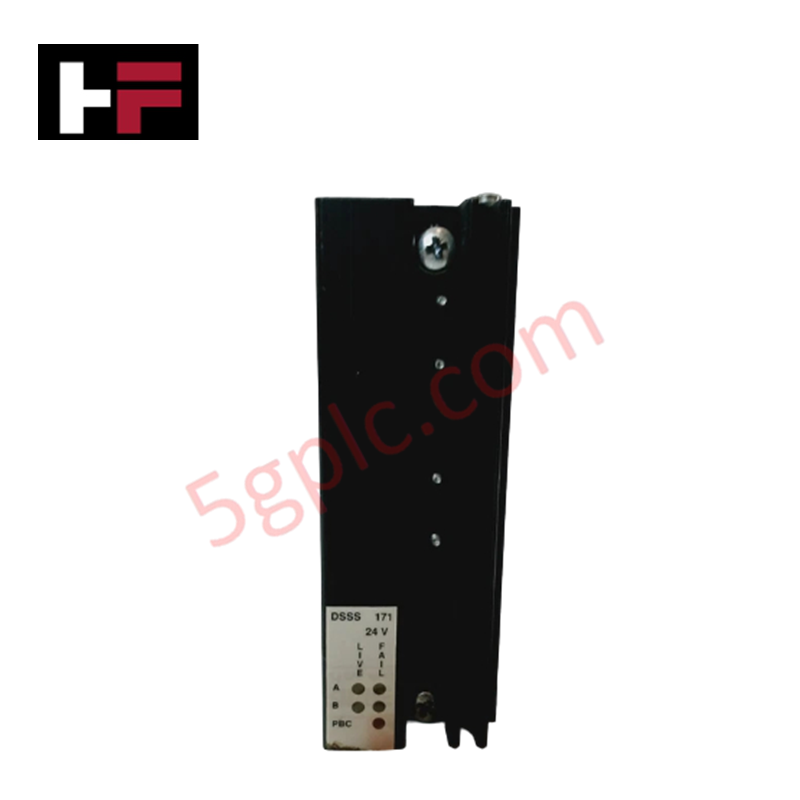
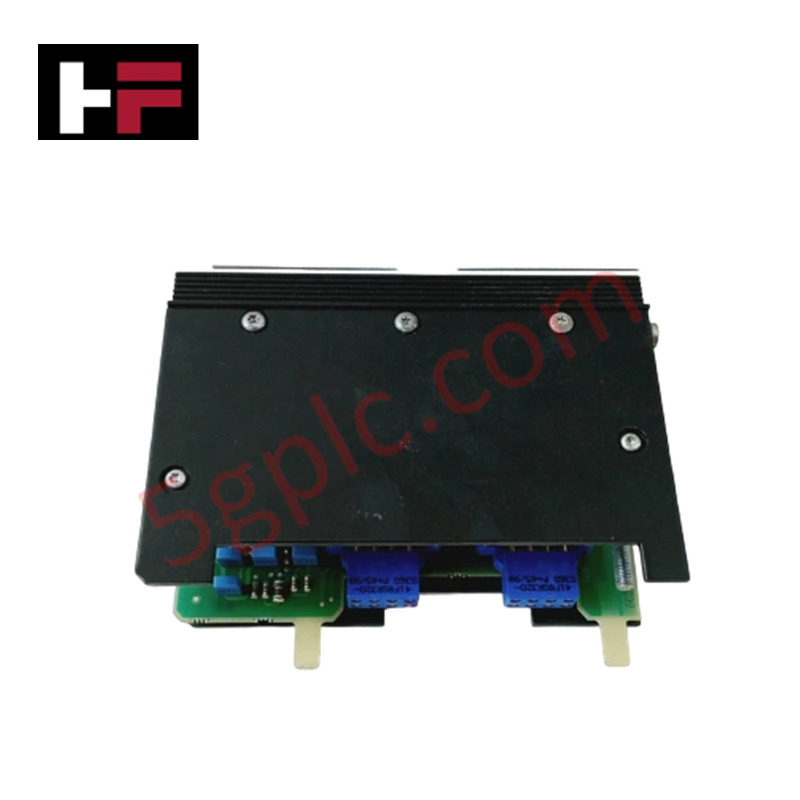
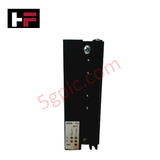
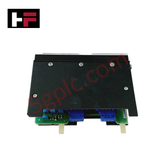
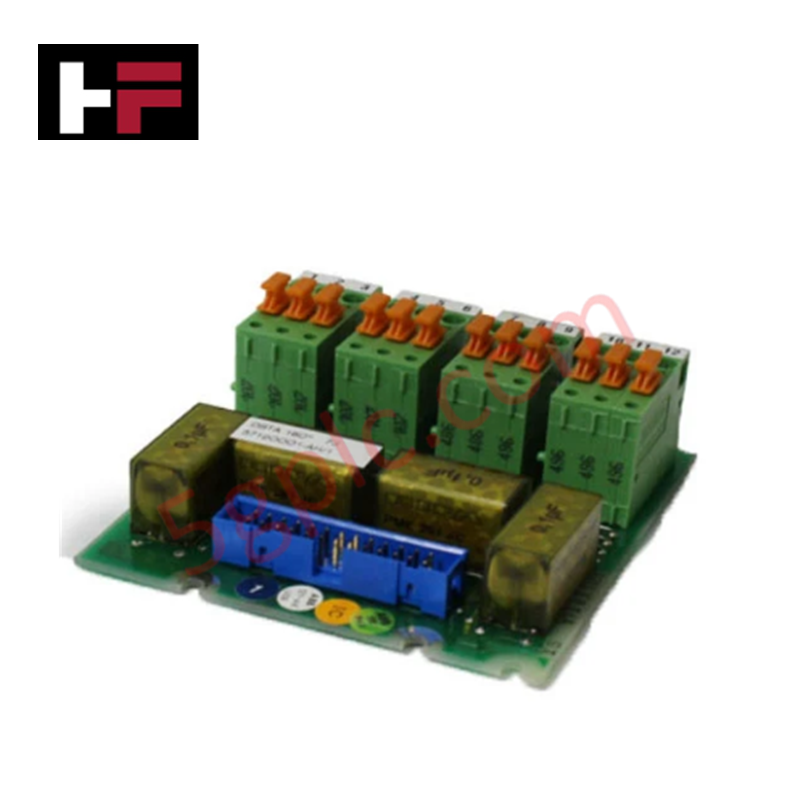
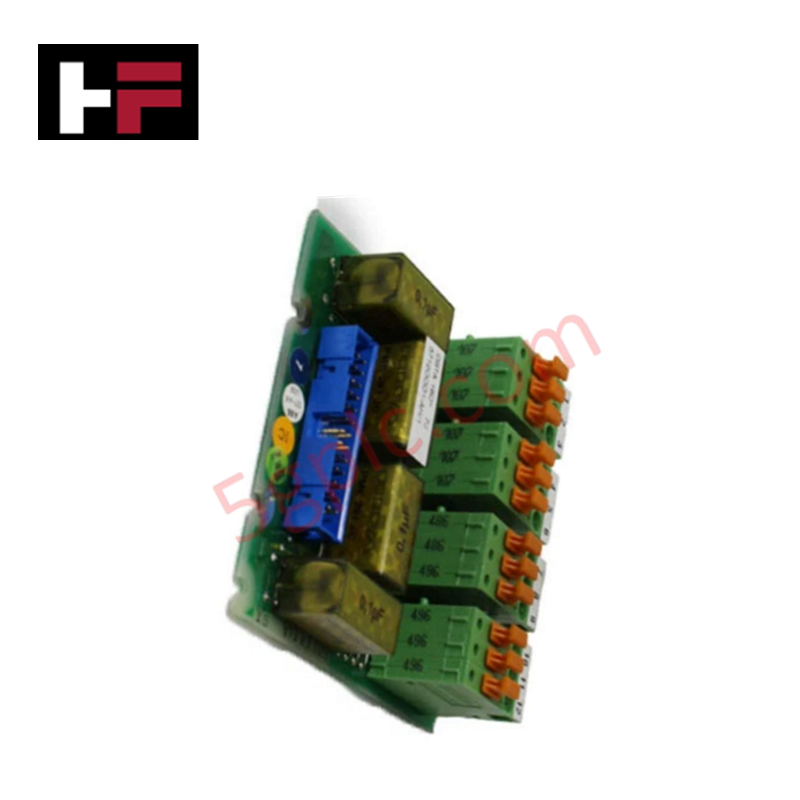
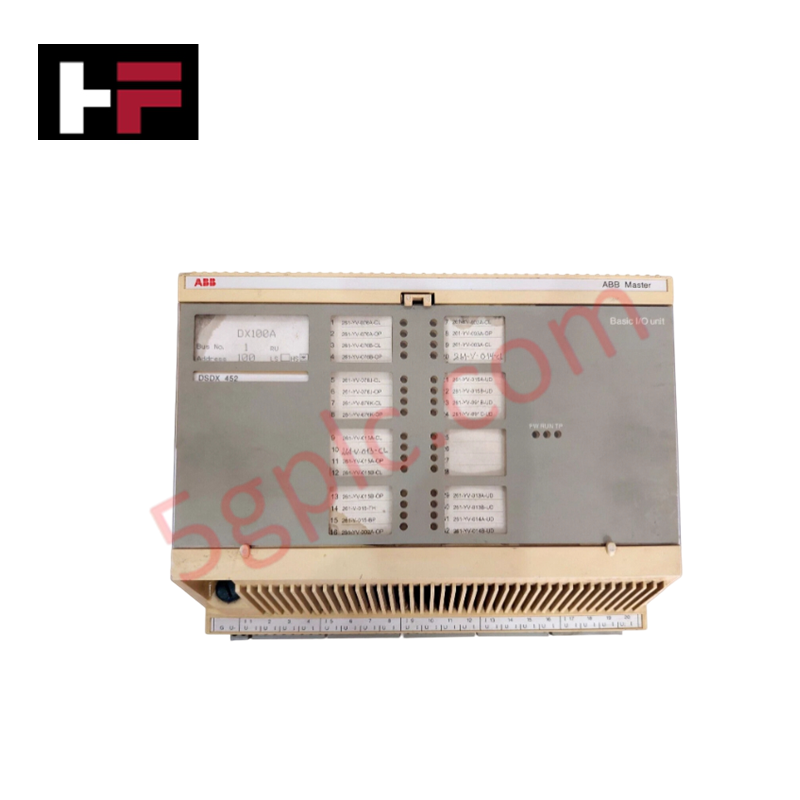
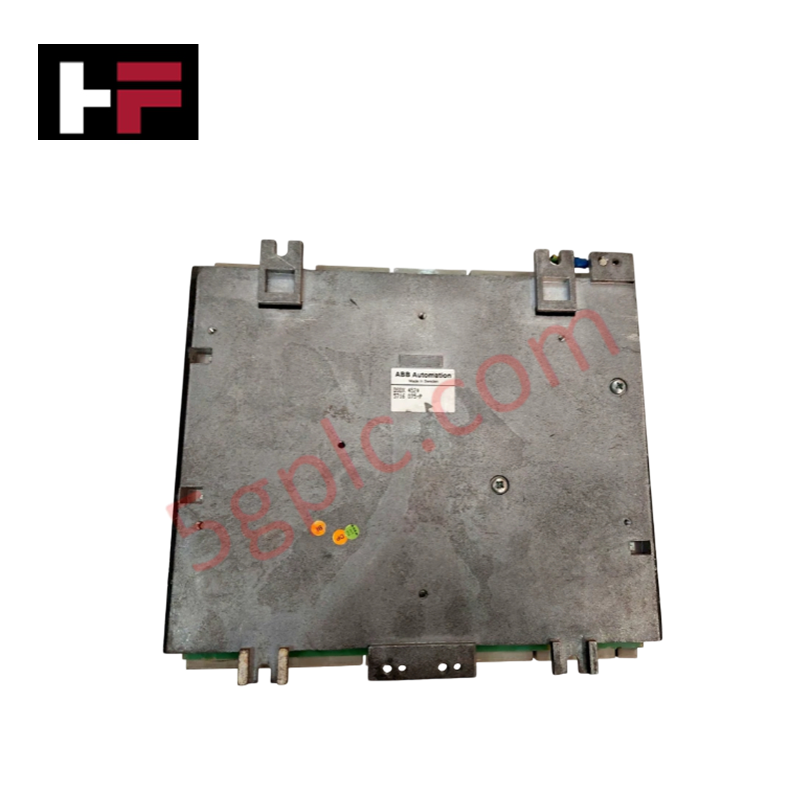
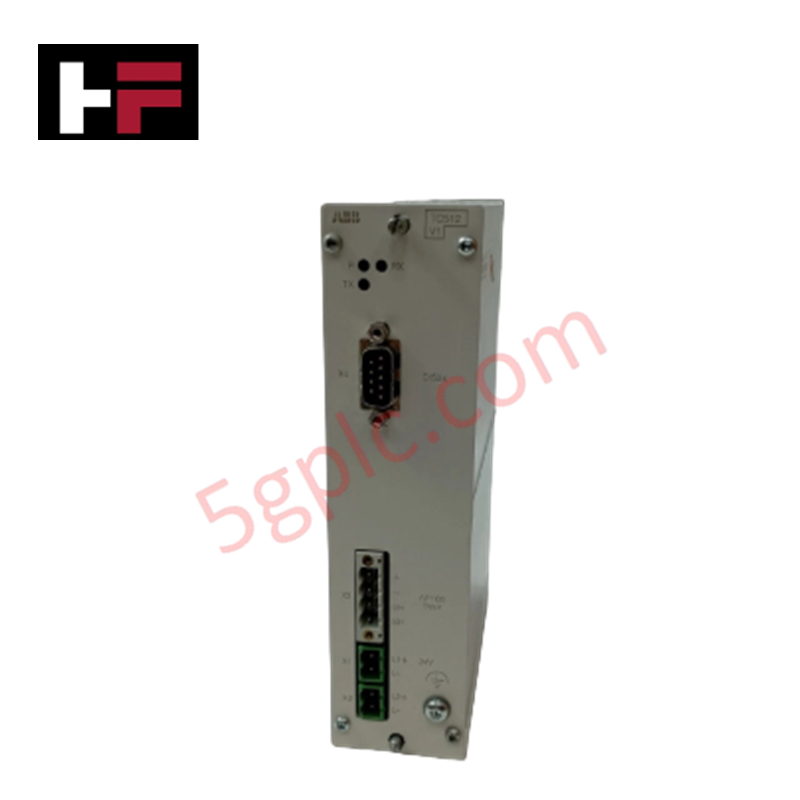
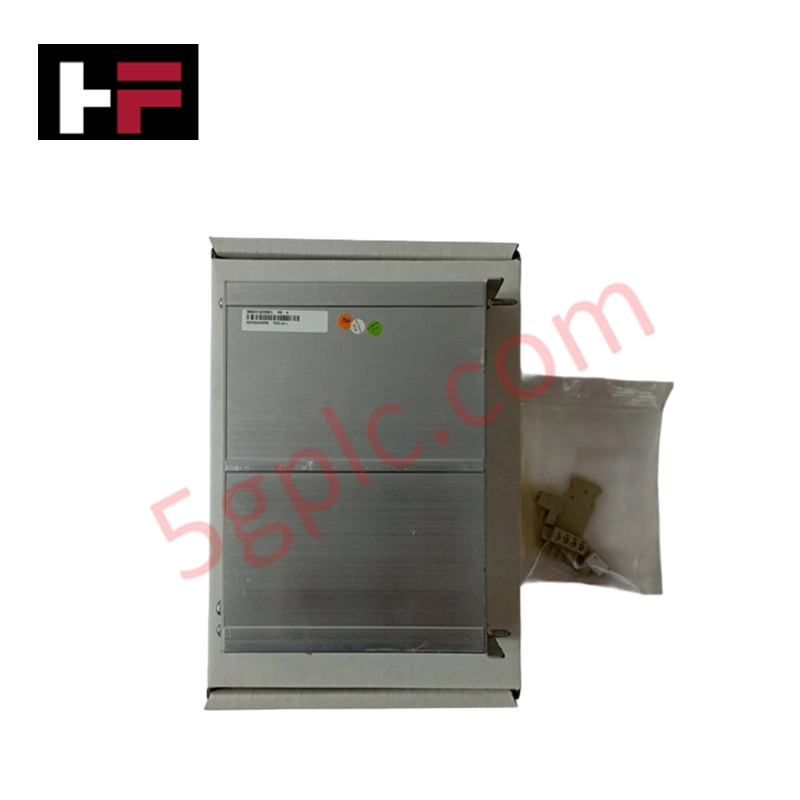
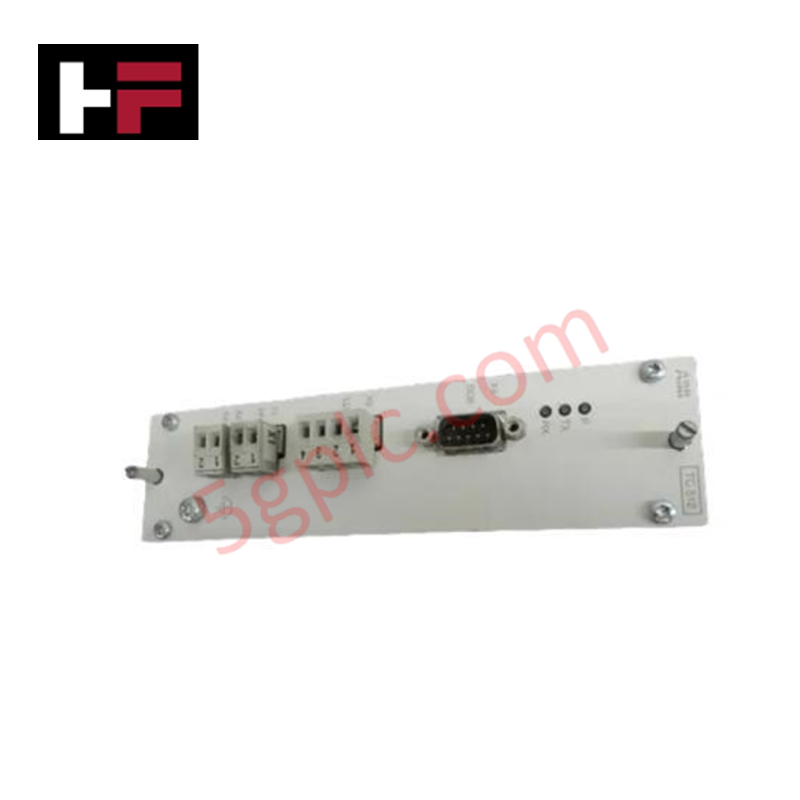
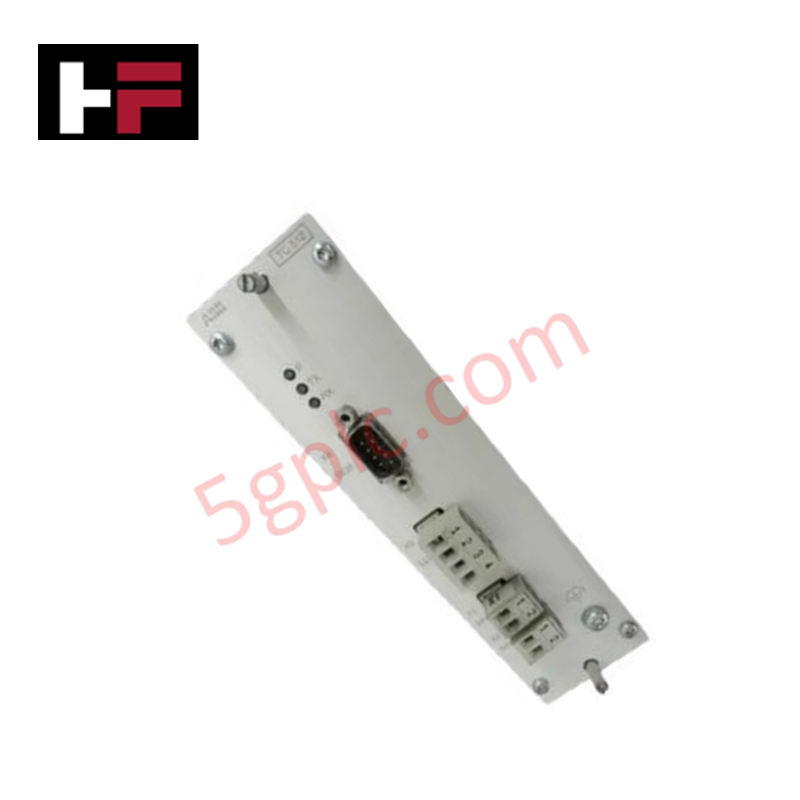
The ABB DSSS 171 3BSE005003R0001, also cataloged as the DSSS171 Voting Unit, operates as a dedicated hardware component for dual-feed 24 VDC power supply selection and analog signal conditioning within Advant OCS platforms.
Hardware Specifications
| Parameter | Specification |
|---|---|
| Model | DSSS 171 3BSE005003R0001 |
| Brand | ABB |
| Origin | Sweden |
| Weight | 0.45 kg |
| Dimensions | 23.4 cm x 9.9 cm x 4.5 cm |
| Operating Temp | 0 to 55 deg C |
| Power Consumption | 19.2-32 VDC (Nominal 24 VDC) |
| Current Rating | 16 A |
| Analog Input | +/-10 VDC, +/-20 mA |
| Analog Output | 12 bits + sign bit resolution |
| System Architecture | Advant Master Process Control |
Deterministic Network Integration and I/O Density Scaling
The DSSS 171 voting unit interfaces directly with system racks to execute power source selection while maintaining deterministic Profinet and EtherNet/IP bus communication timing. The onboard signal conversion stage processes analog field values at 12-bit plus sign resolution, insulating internal logic circuits from field line noise and cross-talk transients. High backplane bus communication velocity allows status diagnostics and voting telemetry to update within single scan cycles without overloading backplane bandwidth or compromising firmware flash compatibility across adjacent I/O modules.
Frequently Asked Questions
Q: What is the primary function of the voting logic circuit in the DSSS171?
A: The module evaluates dual 24 VDC redundant power inputs and routes the optimal power source to system buses to ensure uninterrupted power delivery.
Q: What analog signal ranges are supported by the input conditioning stage?
A: The input stage processes voltage signals of +/-10 VDC and current signals of +/-20 mA with 12 bits plus sign bit conversion resolution.
Q: Can the DSSS171 module be hot-swapped while the system is energized?
A: Module replacement requires verification of redundant power feed status and compliance with system backplane isolation rules to avoid voltage transients during insertion or removal.
Field Installation Guidelines
- Verify that primary and secondary 24 VDC feed conductors are de-energized prior to connecting input terminal blocks.
- Mount the module securely using standard DIN-rail or rack slot fixings, ensuring structural grounding paths are established.
- Route analog signal wiring in separate grounded conduits apart from high-current DC power cables to minimize electromagnetic interference.
- Ensure adequate enclosure airflow to maintain ambient operating temperatures below 55 deg C under full 16 A operating load.
Additional Information
- 100% Genuine Parts: All products are original and authentic, ensuring reliable industrial performance.
- 30-Day Refund Guarantee: Return any in-stock item within 30 days in original, unopened packaging for a full refund (excluding shipping and fees).
- 12-Month Warranty: Covers defects in materials or workmanship; excludes misuse, normal wear, or unauthorized modifications.
- Worldwide Shipping: We ship via USPS, UPS, FedEx, and DHL. Delivery times vary by country and may be subject to customs or import fees.
- Support & Contact: Technical and warranty assistance is available anytime. Contact us here: Contact.
- Purchase Guidance: Check product specifications and compatibility carefully before ordering to ensure proper application.
Tech & Buying Guide

Top 5 Operational Advantages of HMIs in Modern Factory Automation

Importance of Safety Barriers in PLC and DCS Control Systems
