










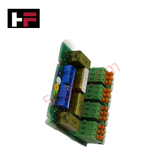
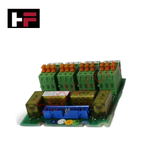
Product Details
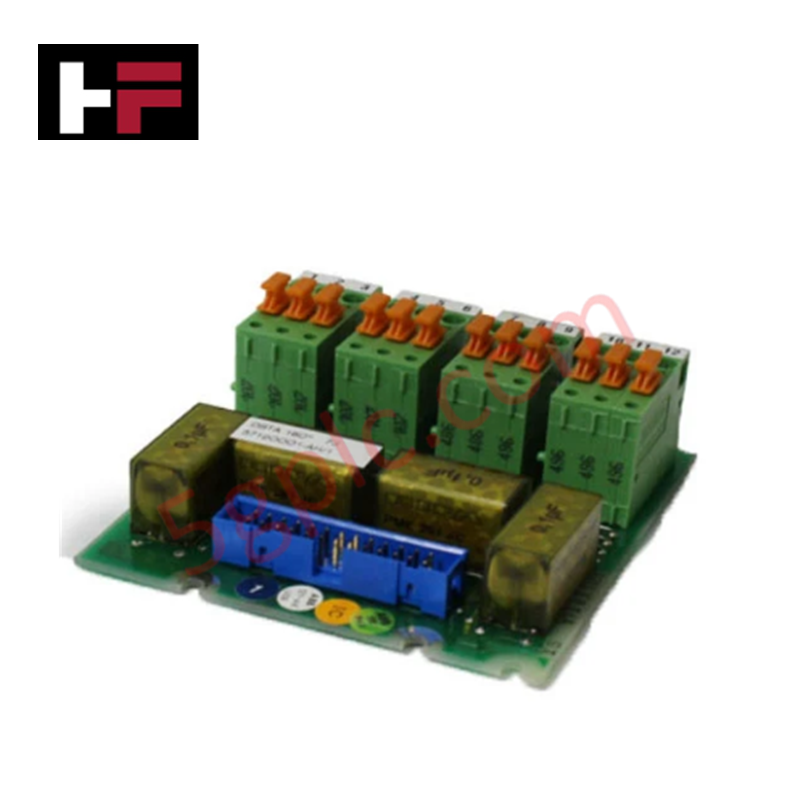
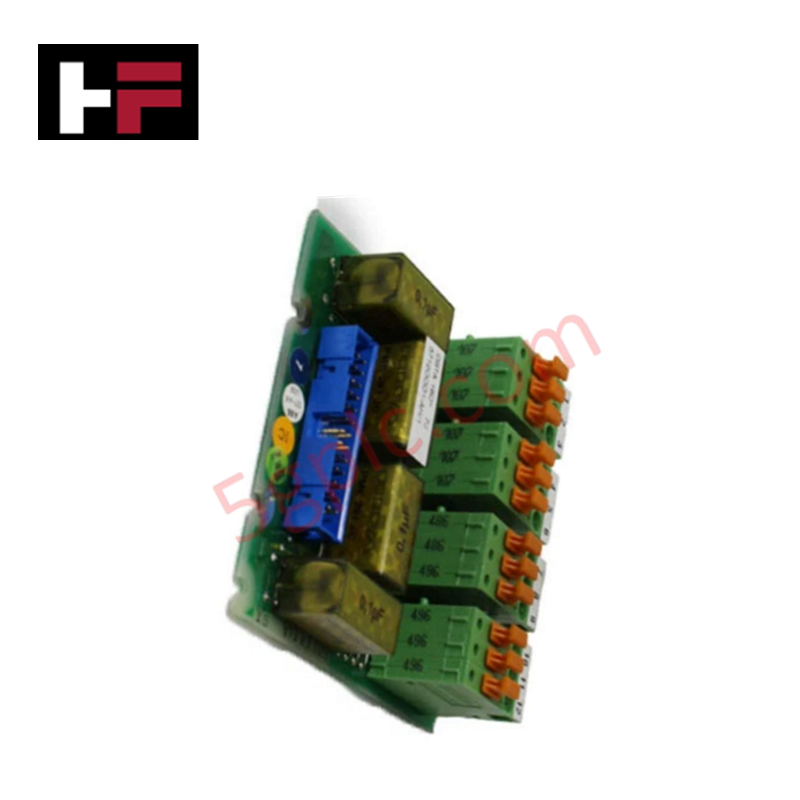
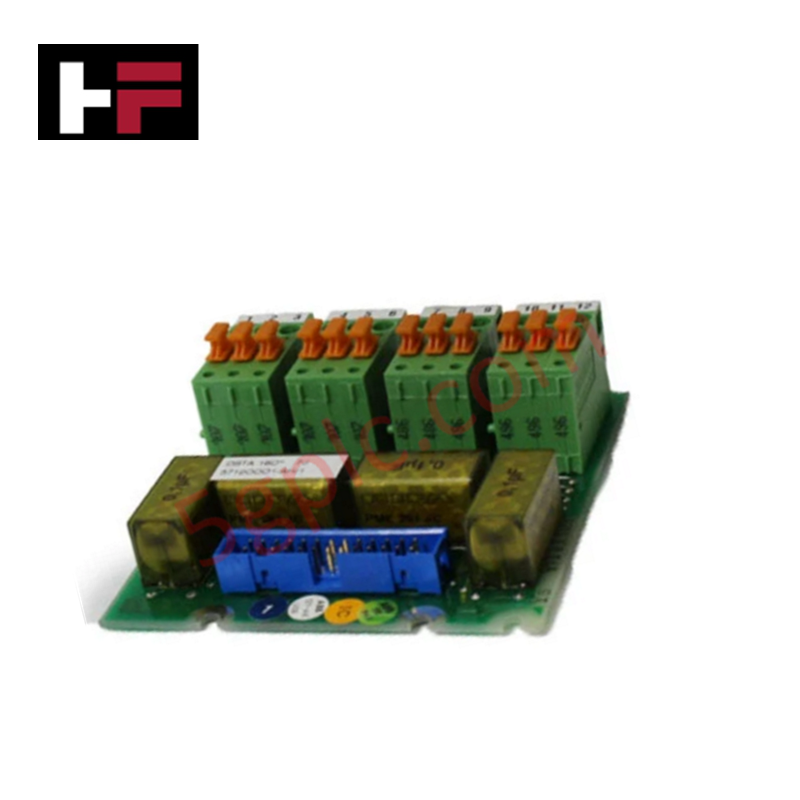
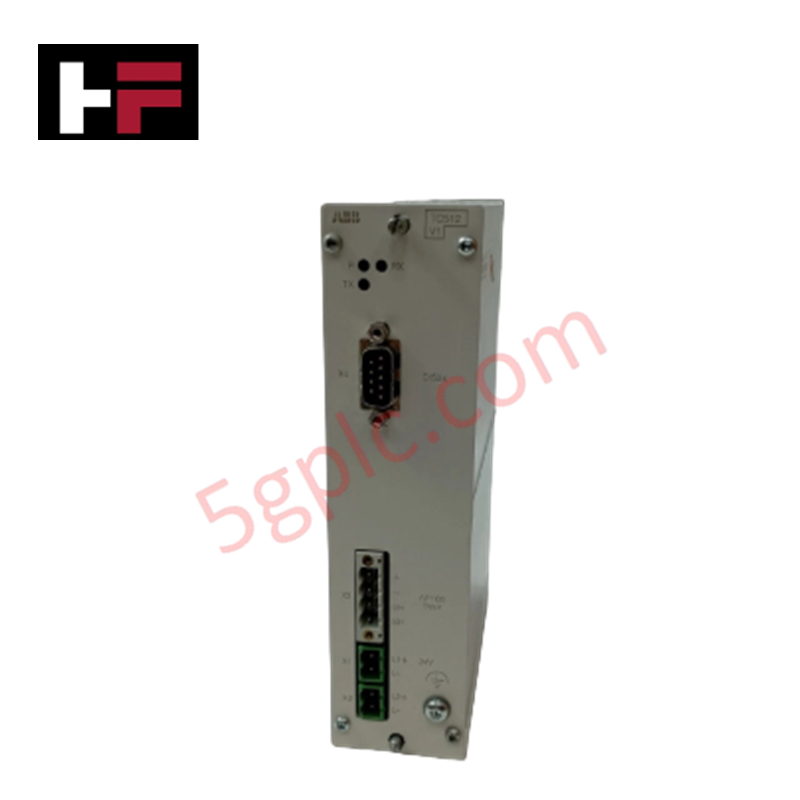
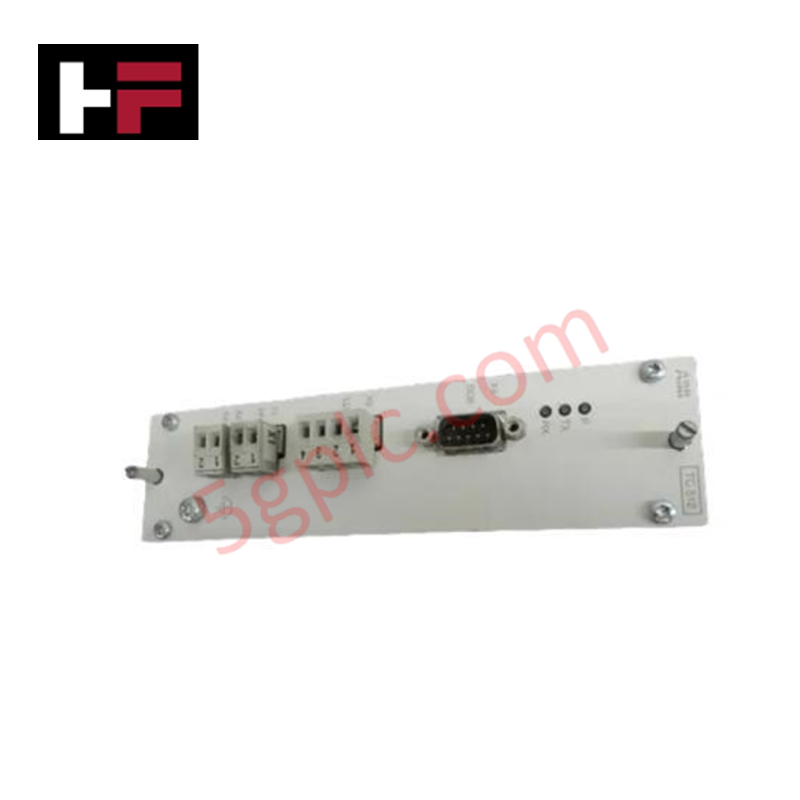
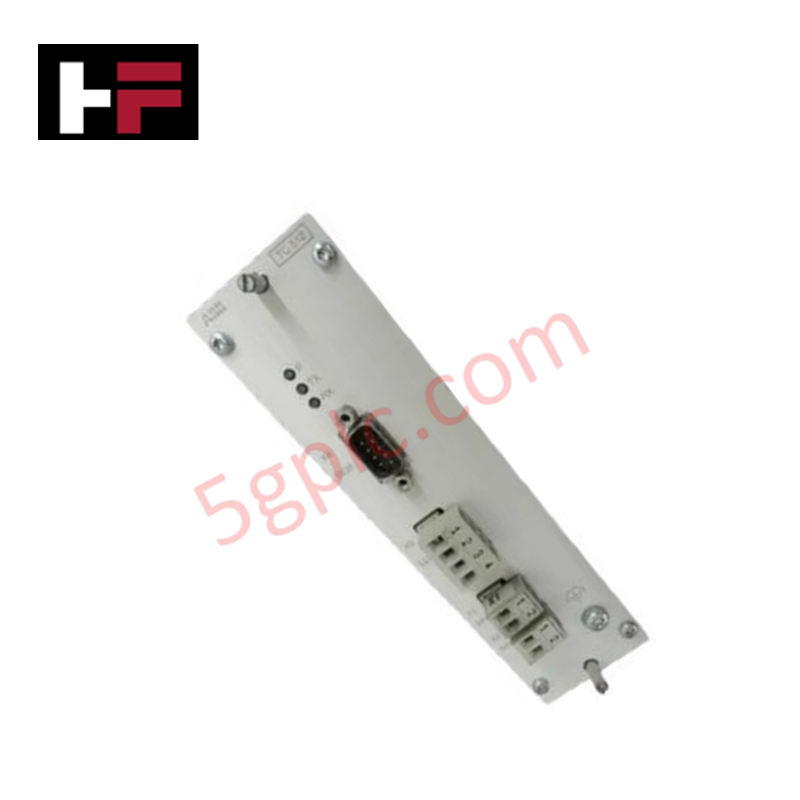
The ABB DSTA 160 57120001-AH, also cataloged as the DSTA 160 Relay Connection Unit, operates as a dedicated hardware component for relay signal termination and field interface execution within ABB MasterPiece and Advant OCS platforms. The printed circuit board establishes direct physical wiring connections between external field actuators and rack-mounted digital input/output modules.
Hardware Specifications
| Parameter | Specification |
|---|---|
| Model | DSTA 160 57120001-AH |
| Brand | ABB |
| Origin | Sweden |
| Product Type | Relay Connection Units |
| Compatible System | ABB MasterPiece / Advant OCS Racks |
| Weight | 0.45 kg |
| Operating Temp | 0 to +55 deg C (standard panel ambient) |
| Power Consumption | Passive board routing; relay energization drawn from field loop |
Backplane Bus Communication Velocity and Deterministic Networks
The termination board maintains dedicated trace routing to ensure high signal integrity, optimizing backplane bus communication velocity across rack-mounted I/O controllers. Integrated noise filtering across field terminal lines prevents voltage spikes from interfering with Profinet / EtherNet/IP deterministic networks, supporting maximum I/O density scaling and maintaining firmware flash compatibility across legacy ABB control architectures.
Frequently Asked Questions
Q: Does the DSTA 160 board require external auxiliary power to operate?
A: No, the connection board is passive and routes field signals directly through isolation relay contacts or terminal interface buses.
Q: Can the DSTA 160 connection unit be swapped out while the system is powered?
A: System power to field output loops must be isolated prior to removing terminal connectors to prevent arcing and accidental field actuator actuation.
Field Installation Guidelines
- Power Disconnection: Isolate all external field supply voltages connected to the terminal blocks before installing or servicing the board.
- Mechanical Mounting: Secure the circuit board onto the subrack mounting rail or DIN assembly using the provided retaining hardware.
- Terminal Block Wiring: Insert field signal leads into the screw terminals and torque each terminal screw to standard industrial specifications.
- Cable Shielding: Terminate cable drain wires directly to the system grounding bar to eliminate common-mode noise on relay control loops.
Additional Information
- 100% Genuine Parts: All products are original and authentic, ensuring reliable industrial performance.
- 30-Day Refund Guarantee: Return any in-stock item within 30 days in original, unopened packaging for a full refund (excluding shipping and fees).
- 12-Month Warranty: Covers defects in materials or workmanship; excludes misuse, normal wear, or unauthorized modifications.
- Worldwide Shipping: We ship via USPS, UPS, FedEx, and DHL. Delivery times vary by country and may be subject to customs or import fees.
- Support & Contact: Technical and warranty assistance is available anytime. Contact us here: Contact.
- Purchase Guidance: Check product specifications and compatibility carefully before ordering to ensure proper application.
Tech & Buying Guide

Top 5 Operational Advantages of HMIs in Modern Factory Automation

Importance of Safety Barriers in PLC and DCS Control Systems
