










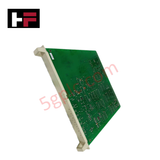
Product Details
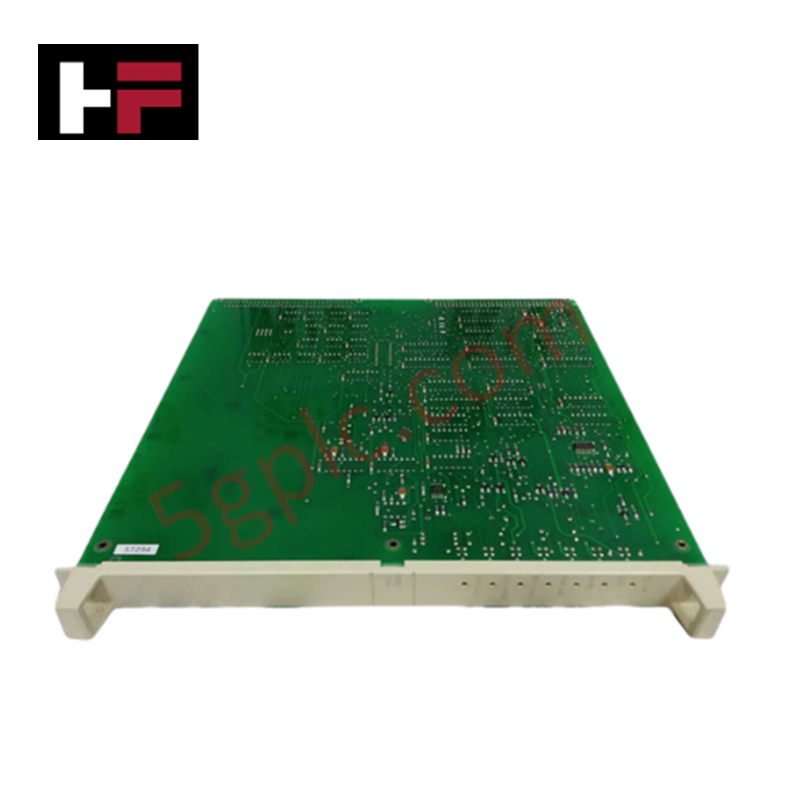
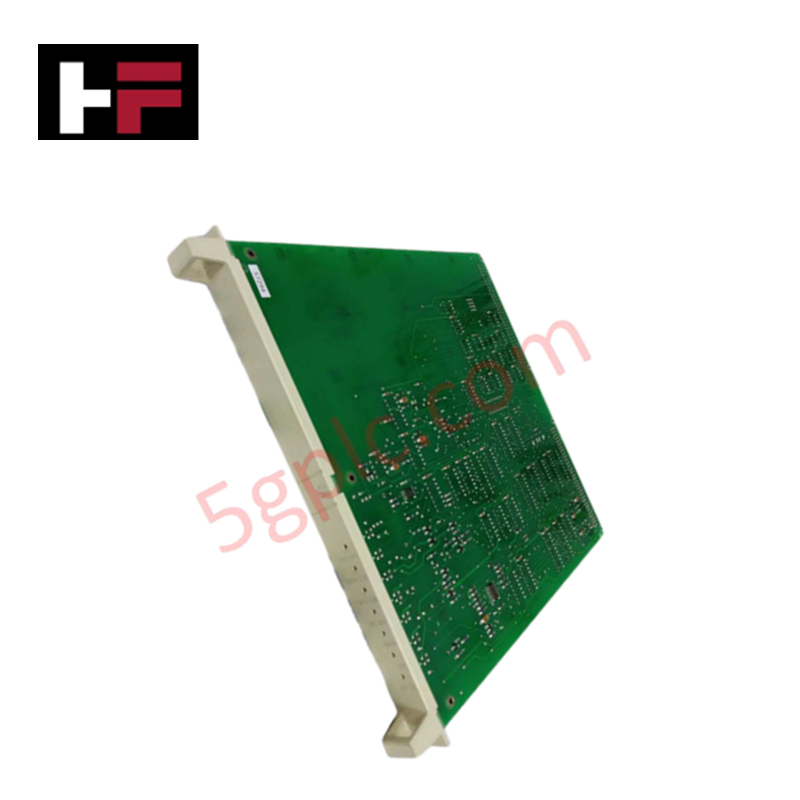
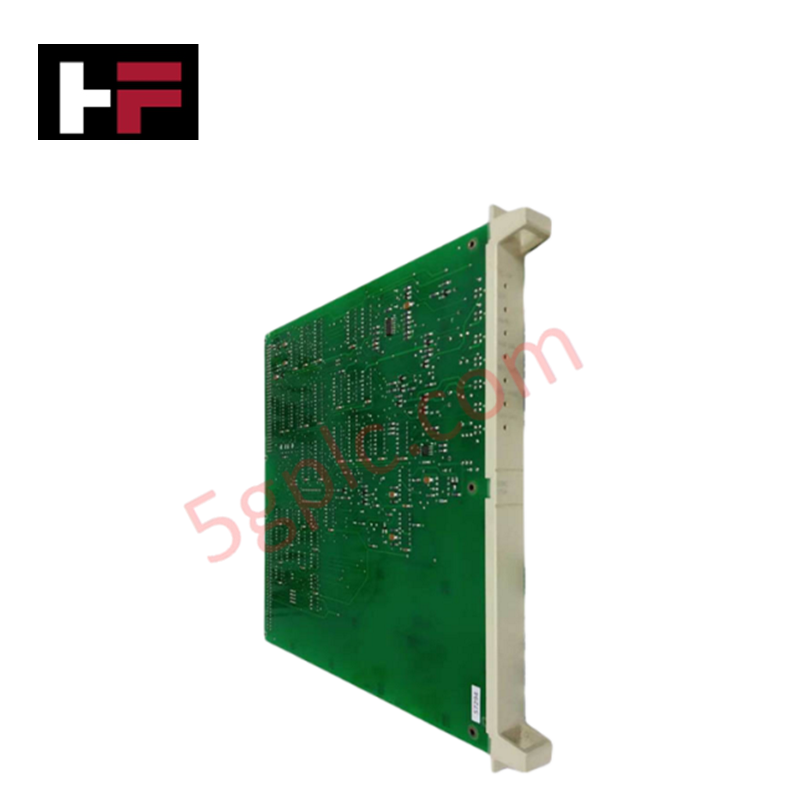
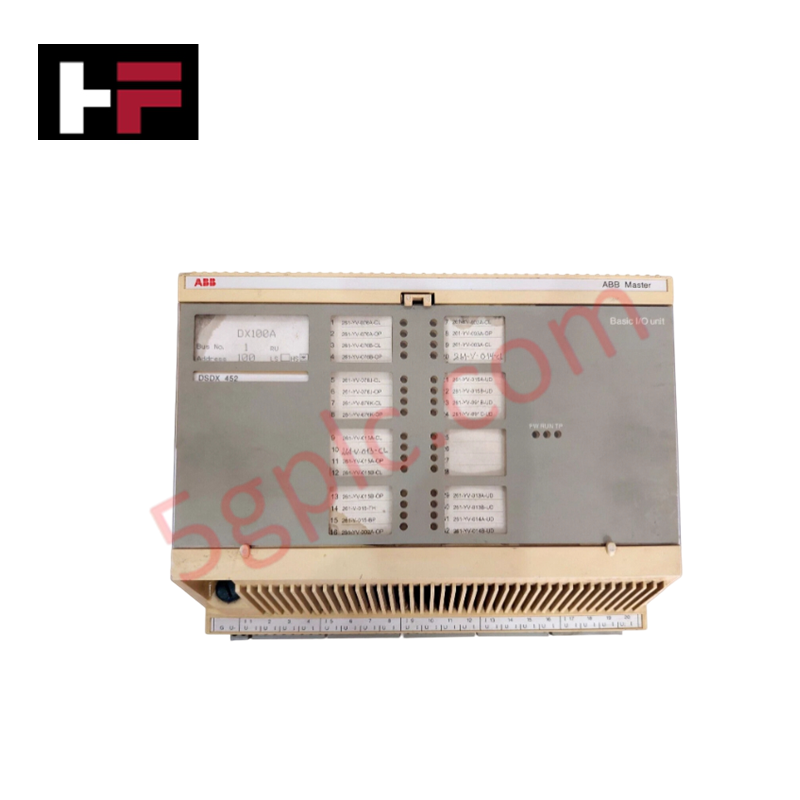
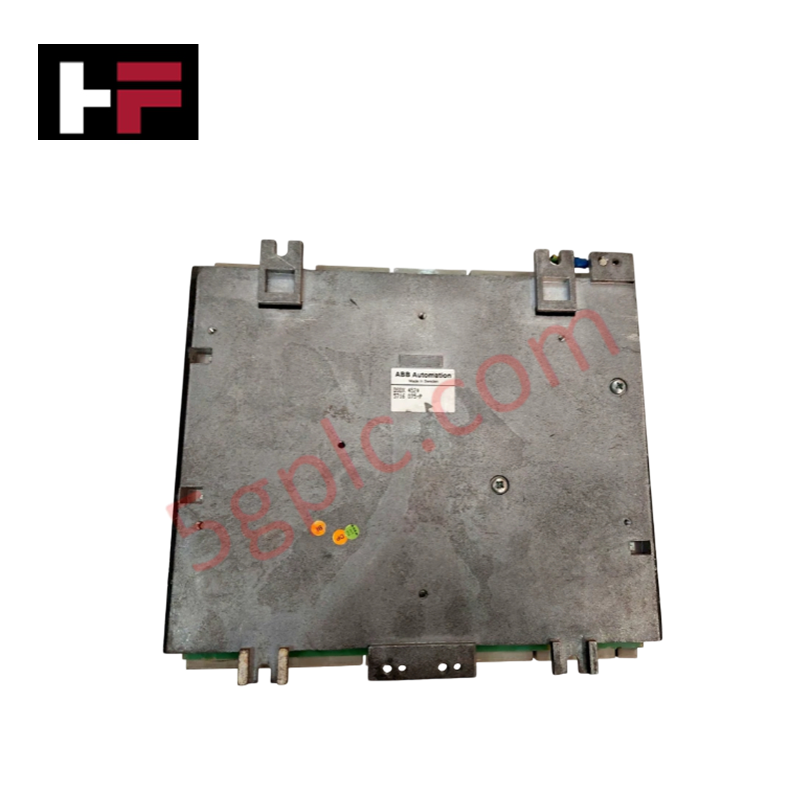
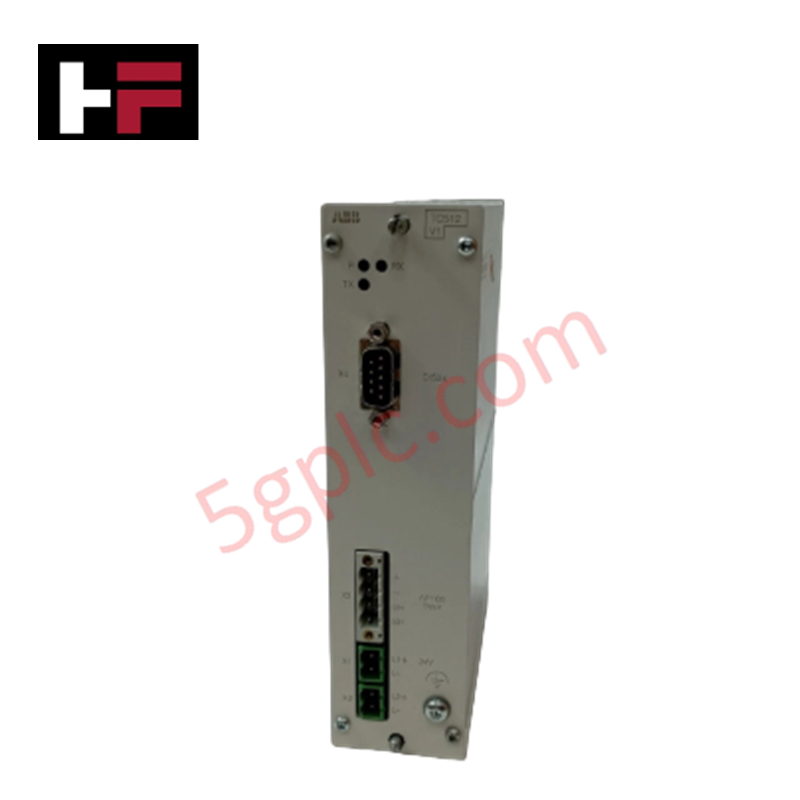
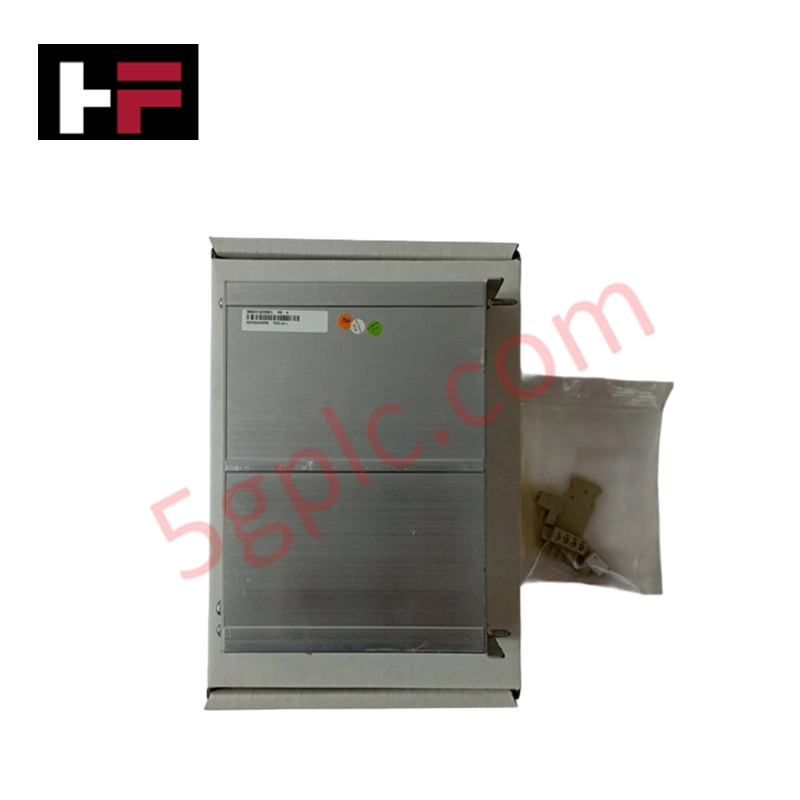
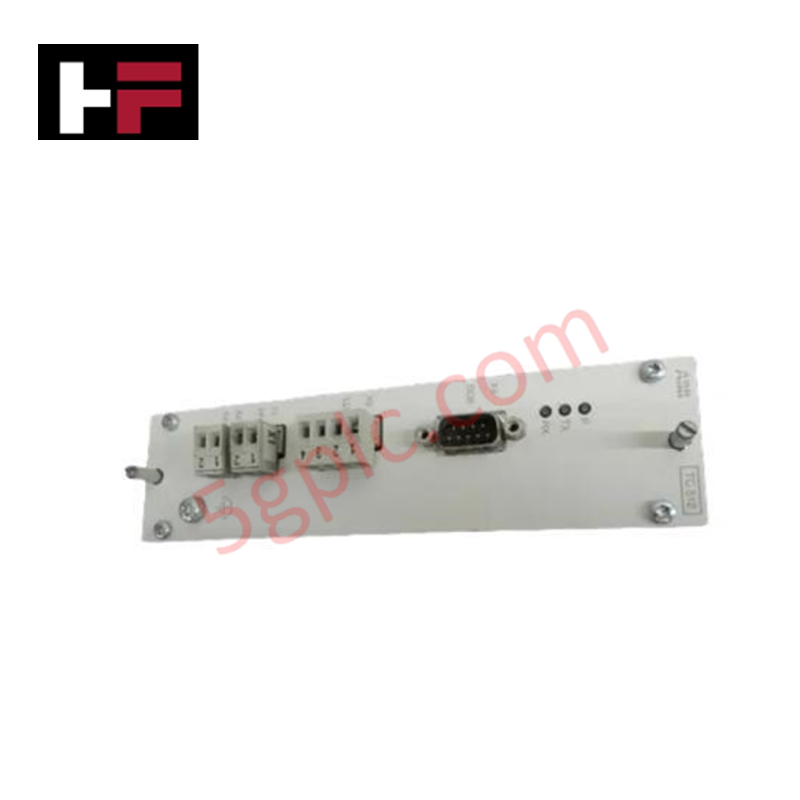
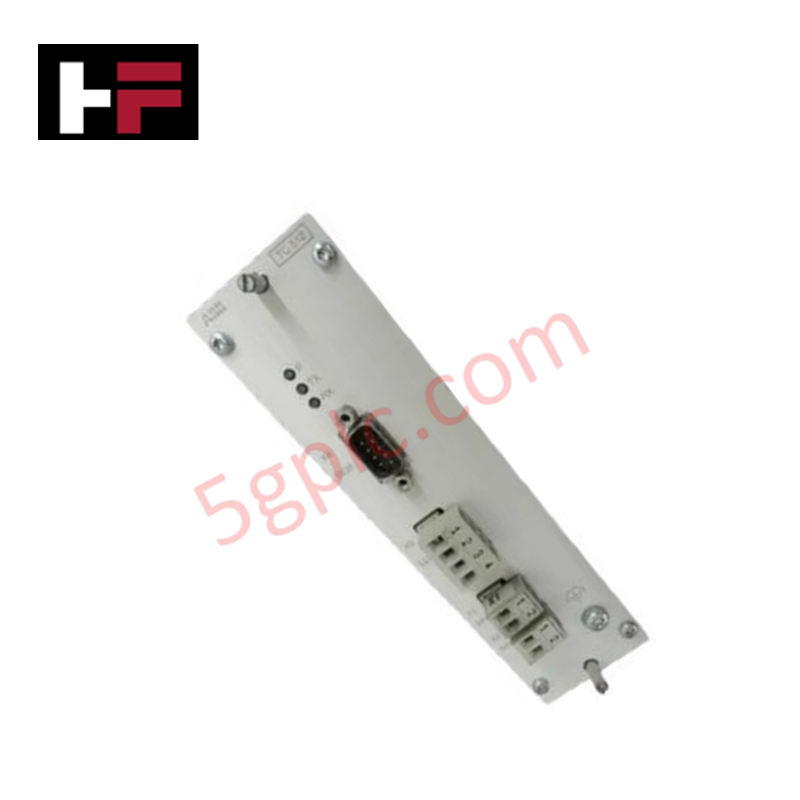
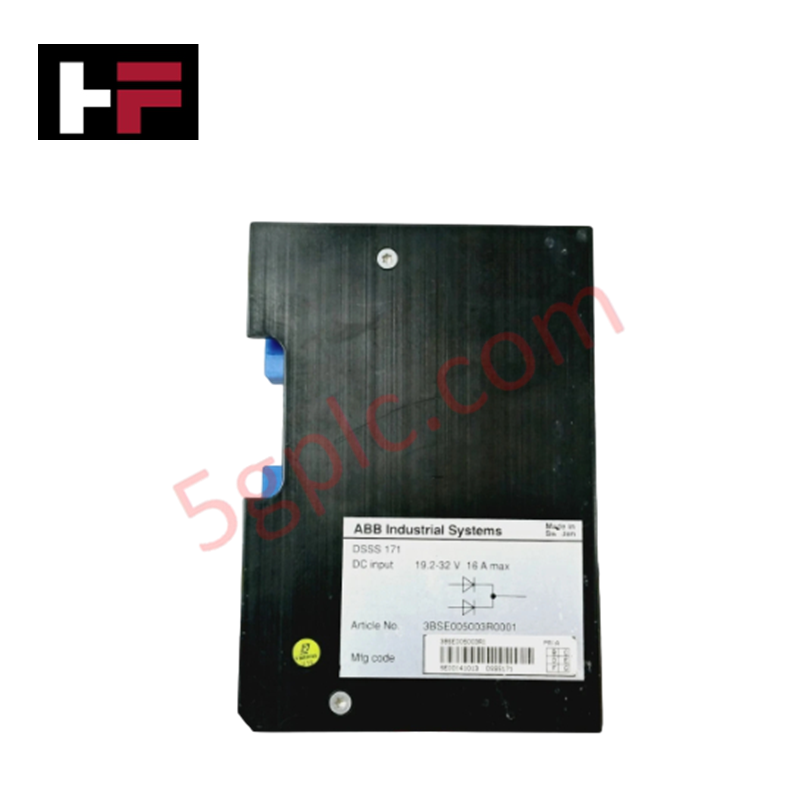
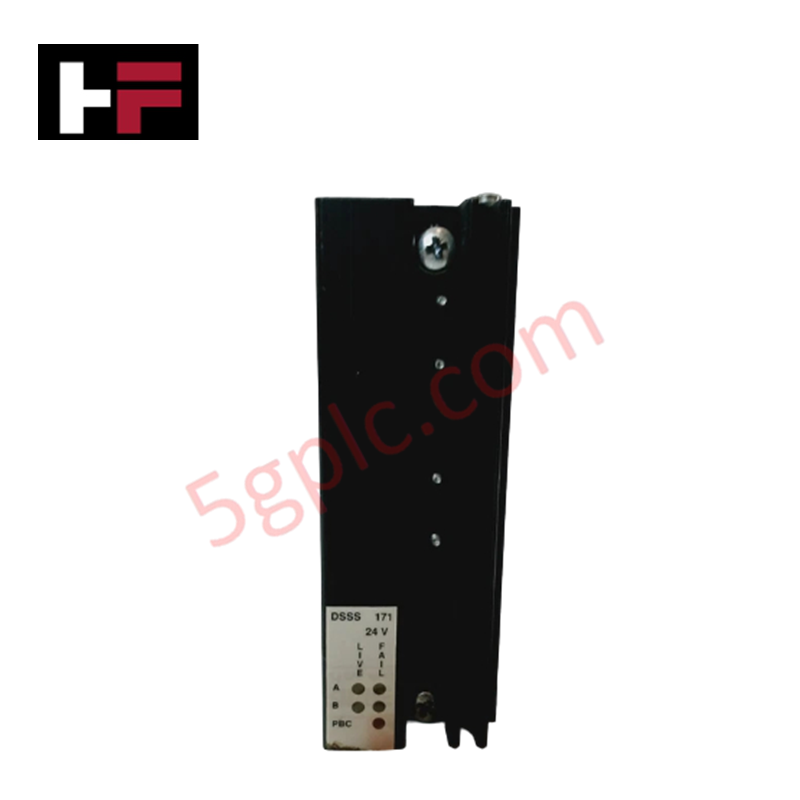
Configured for medium-density binary signal processing and actuator execution in automation loops, the ABB 3BSE000471R1 (PFBK161 Digital I/O Module) provides direct physical/electrical execution.
Hardware Specifications
| Parameter | Specification |
|---|---|
| Model | PFBK161 (Product ID: 3BSE000471R1) |
| Brand | ABB |
| Origin | Sweden |
| Weight | 0.85 kg (Standard assembly profile) |
| Dimensions | Standard rack module dimensions |
| Operating Temp | 0 to +55 deg C |
| Power Consumption | 24 VDC nominal logical frame feed |
| Digital Inputs | 16 Channels, 24 VDC, hardware-based noise suppression |
| Digital Outputs | 16 Channels, 24 VDC transistor sourcing (PNP), 0.5 A per channel |
| Protection | Integrated short-circuit and overload protection |
| Status Indication | Individual channel diagnostics |
Profinet / EtherNet/IP Deterministic Networks and I/O Density Scaling
The internal trace matrix of the PFBK161 coordinates high-speed local processing of 16 discrete input vectors and 16 transistor switching lines. By executing local hardware-based noise suppression filtering directly at the electrical boundary, the component prevents signal chatter from interrupting backplane bus communication velocity indexes. When linked into architectures governed by Profinet / EtherNet/IP deterministic networks, the module routes mapped bit arrays into the central memory structure with zero timing jitter. This interface strategy guarantees complete firmware flash compatibility with upstream automation assemblies, allowing predictable control loop response profiles during expansive multi-rack I/O density scaling.
Frequently Asked Questions
Q: Does the short-circuit protection on the digital outputs require a manual firmware reset after a fault occurs?
A: No. The integrated overload and short-circuit protection circuits operate at the hardware layer. Once the physical ground fault or over-current condition is removed from the affected PNP sourcing channel, the transistor automatically recovers its standard 24 VDC electrical execution path.
Q: Can input channels be mixed with different field potentials across the 16-point matrix?
A: No. The 16 digital inputs share a common reference potential path inside the module frame. All field input loops connected to the 24 VDC sensing matrix must reference the same common return line to ensure accurate voltage threshold processing.
Field Installation Guidelines
- Chassis Interface Realignment: Slide the module firmly into its assigned slot on the termination base or rack assembly. Fasten the integrated retaining screws to ensure stable connection with the backplane bus pins.
- Low-Impedance Shield Termination: Connect the field signal cable shields directly to the cabinet copper ground busbar. Maintaining a uniform earth ground limits high-frequency common-mode noise on the 24 VDC binary input tracks.
- Conductor Trace Sizing: Select field output wiring sized correctly for the maximum 0.5 A per-channel sourcing current limit. Correct gauge selection prevents inductive voltage drops across extended cable runs to field solenoids.
- Thermal Boundary Clearances: Maintain standard vertical and horizontal clearance gaps around the module housing to allow free air circulation, preventing the internal transistor switches from exceeding the +55 deg C operating limit.
Additional Information
- 100% Genuine Parts: All products are original and authentic, ensuring reliable industrial performance.
- 30-Day Refund Guarantee: Return any in-stock item within 30 days in original, unopened packaging for a full refund (excluding shipping and fees).
- 12-Month Warranty: Covers defects in materials or workmanship; excludes misuse, normal wear, or unauthorized modifications.
- Worldwide Shipping: We ship via USPS, UPS, FedEx, and DHL. Delivery times vary by country and may be subject to customs or import fees.
- Support & Contact: Technical and warranty assistance is available anytime. Contact us here: Contact.
- Purchase Guidance: Check product specifications and compatibility carefully before ordering to ensure proper application.
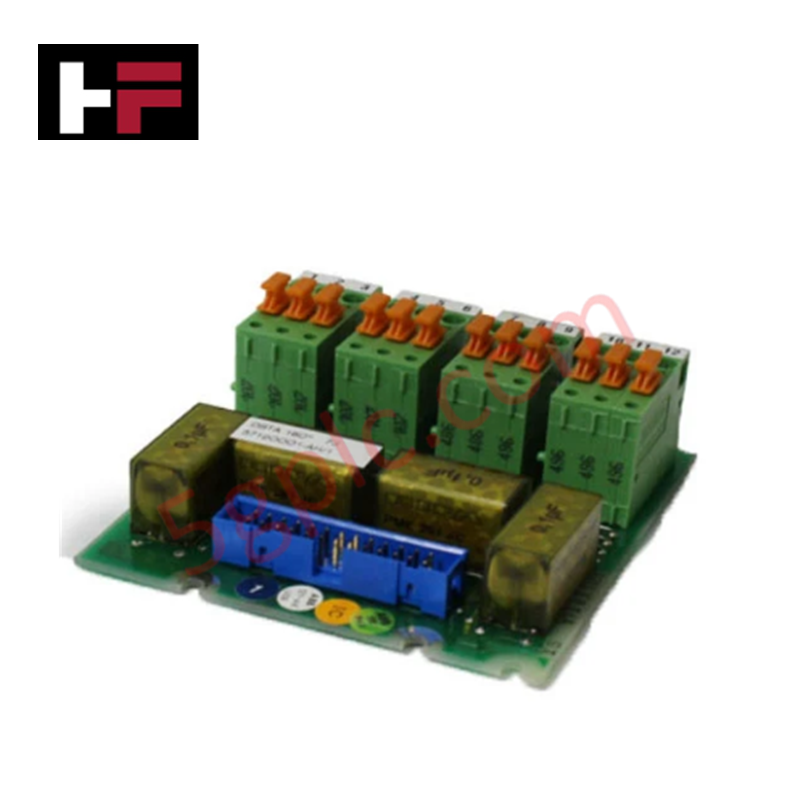
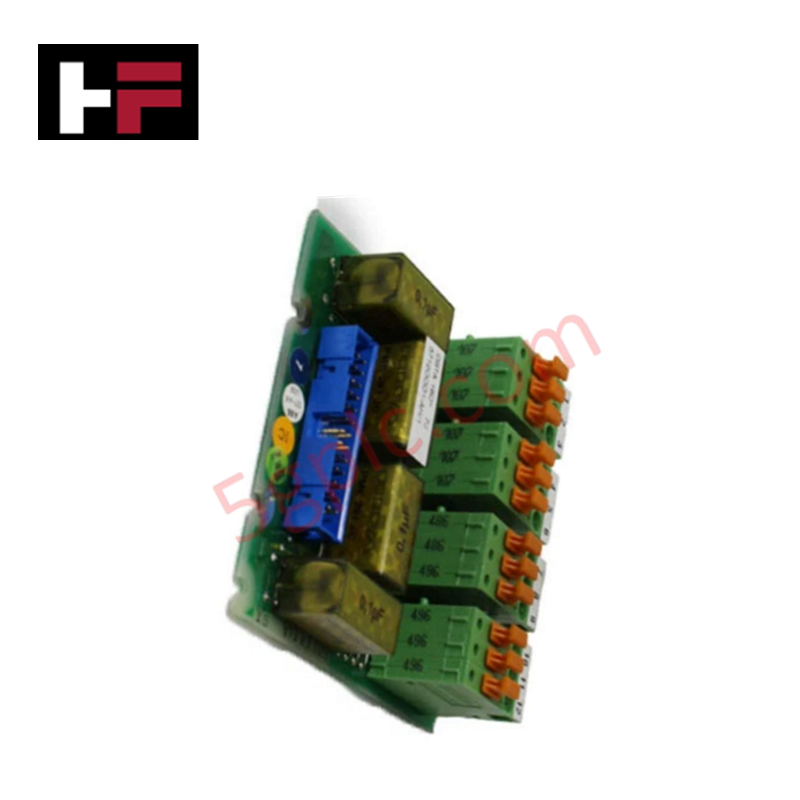
Tech & Buying Guide

Spatial Computing in Industrial Automation: Elevating PLC and DCS Operations with AR and VR
Industry 4.0 integrates digital intelligence into field operations, transforming factory automation landscapes worldwide. Spatial technologies—specifically Augmented Reality (AR) and Virtual Reality (VR)—redefine how engineers interact with industrial control systems. By bridging computer-generated CAD models with real-time operational technology (OT) data, immersive displays enable intuitive monitoring, rapid diagnostics, and safer maintenance across complex processing facilities.

Master Acceptance Testing: Understanding FAT and SAT in Industrial Control Systems
Factory Acceptance Testing (FAT) and Site Acceptance Testing (SAT) serve as critical quality assurance gateways in complex industrial control systems. Both procedures verify that programmable logic controllers (PLCs), distributed control systems (DCS), and associated field devices meet strict functional specifications. However, executing these tests effectively requires clear delineation between off-site staging and final field commissioning.

Industrial Networking Essentials: Demystifying Hubs, Switches, and Routers in Control Systems
Industrial automation relies heavily on robust networking infrastructure to connect programmable logic controllers (PLCs), distributed control systems (DCS), and human-machine interfaces (HMIs). Modern factory automation environments generate vast amounts of real-time operational data across deterministic networks. Understanding the structural differences between hubs, switches, and routers ensures optimal traffic segmentation, minimizes latency, and maintains high network availability.