











Product Details
Description
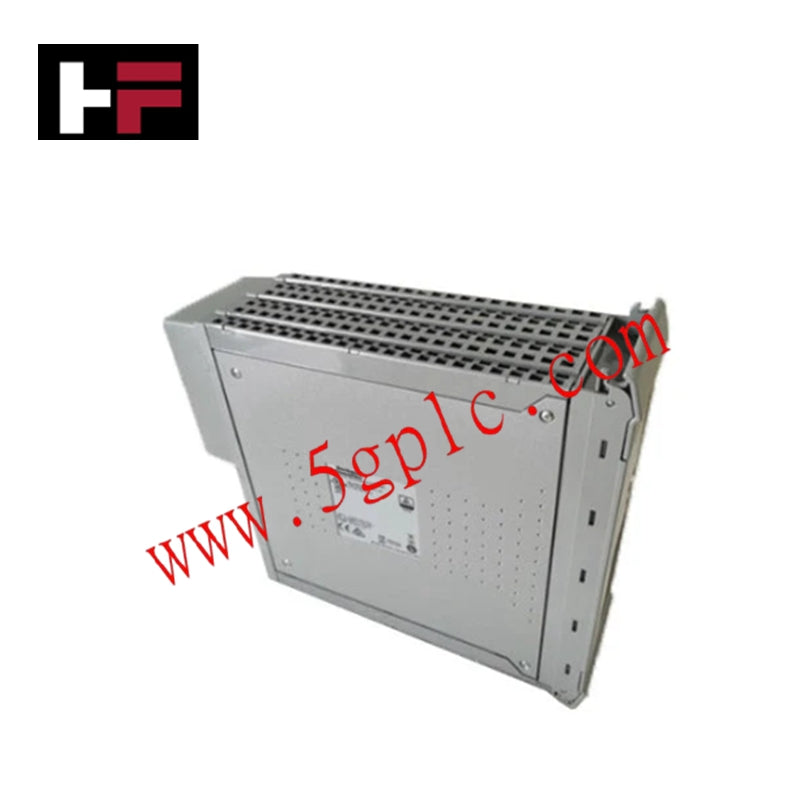
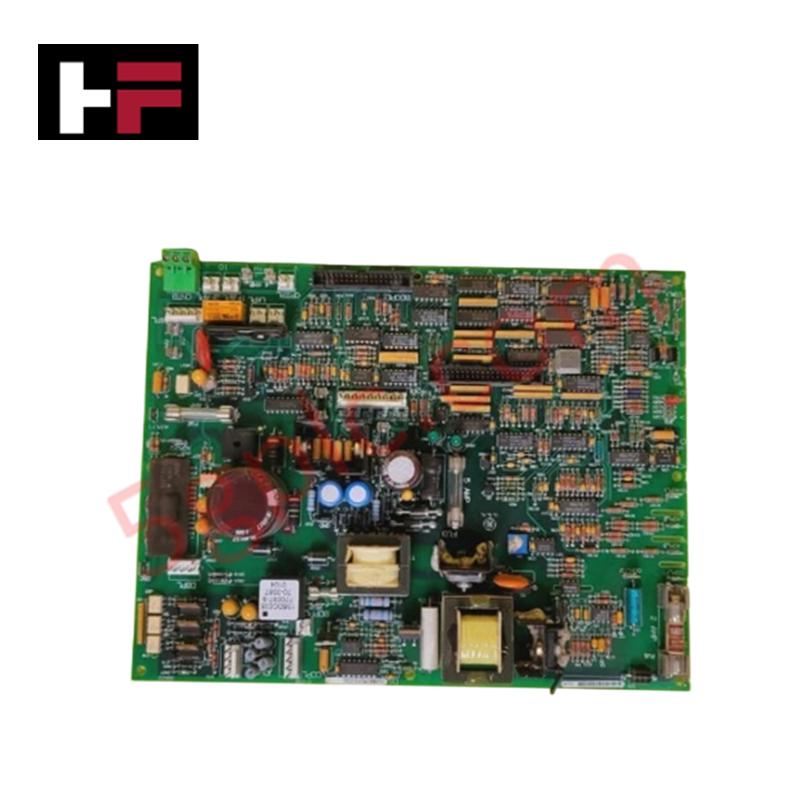
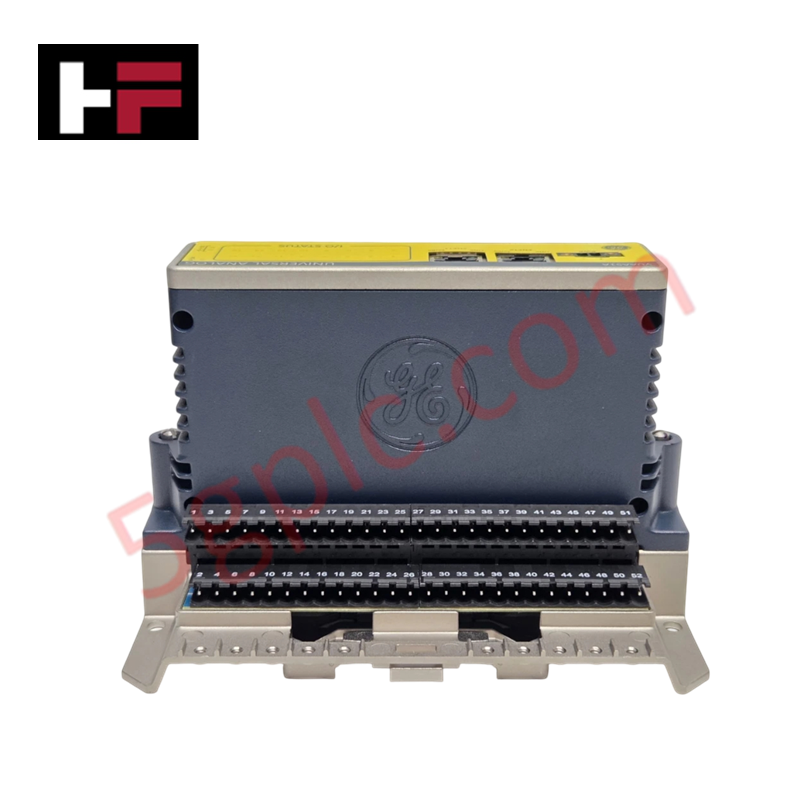
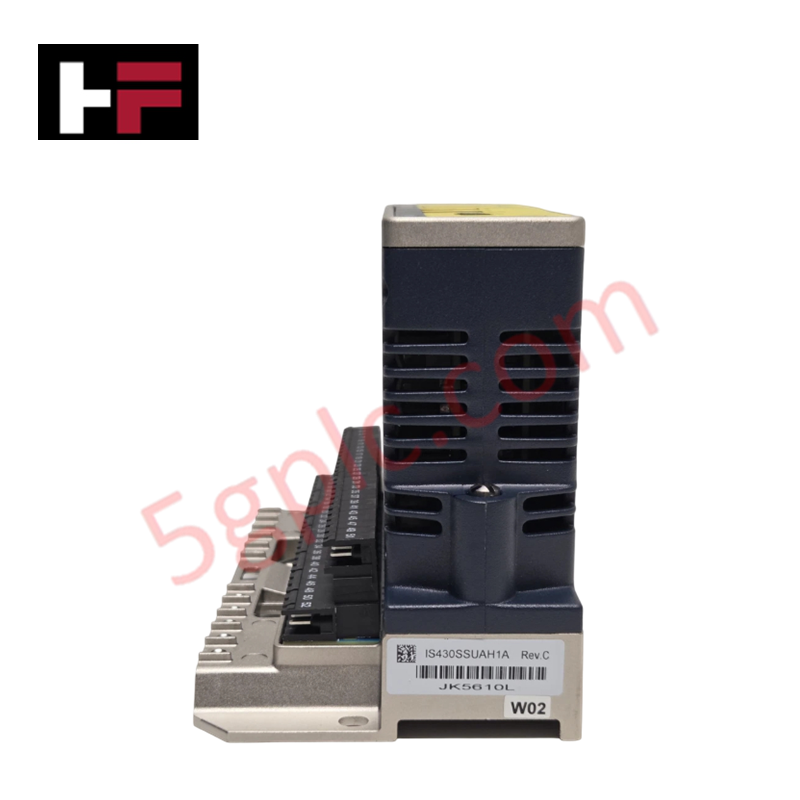
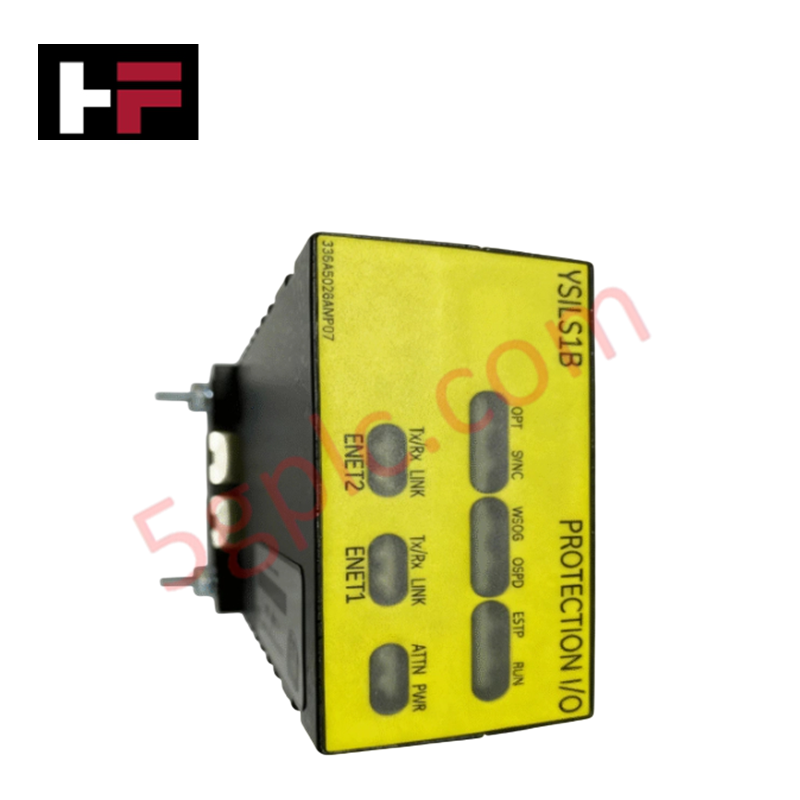
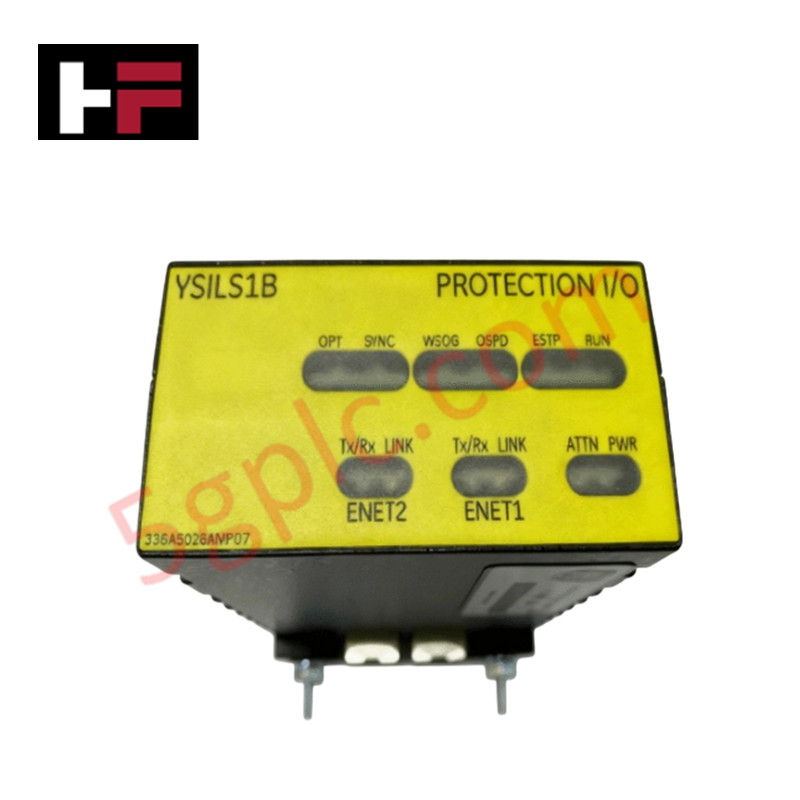
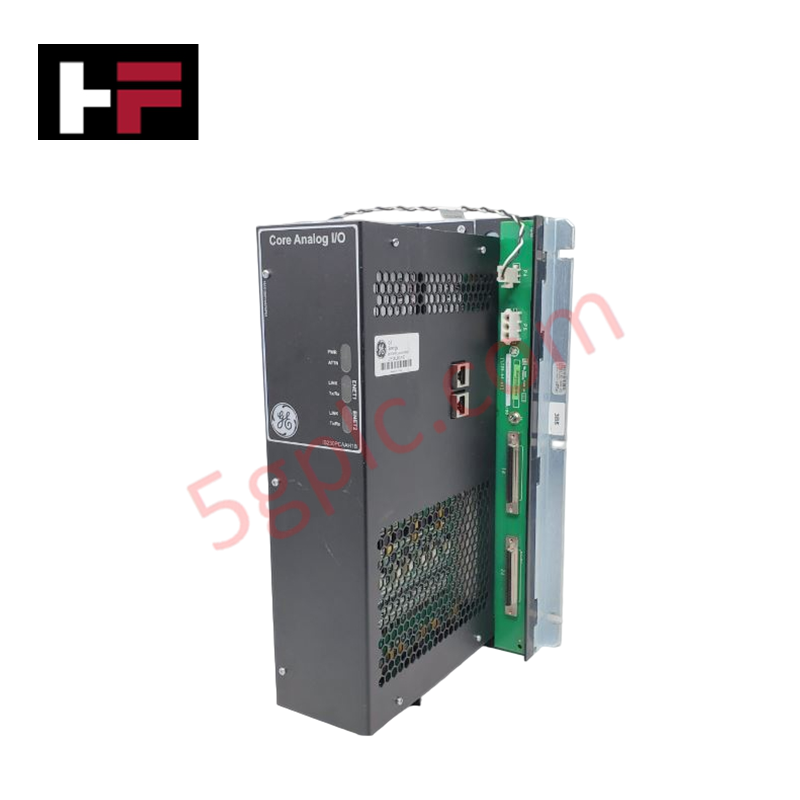
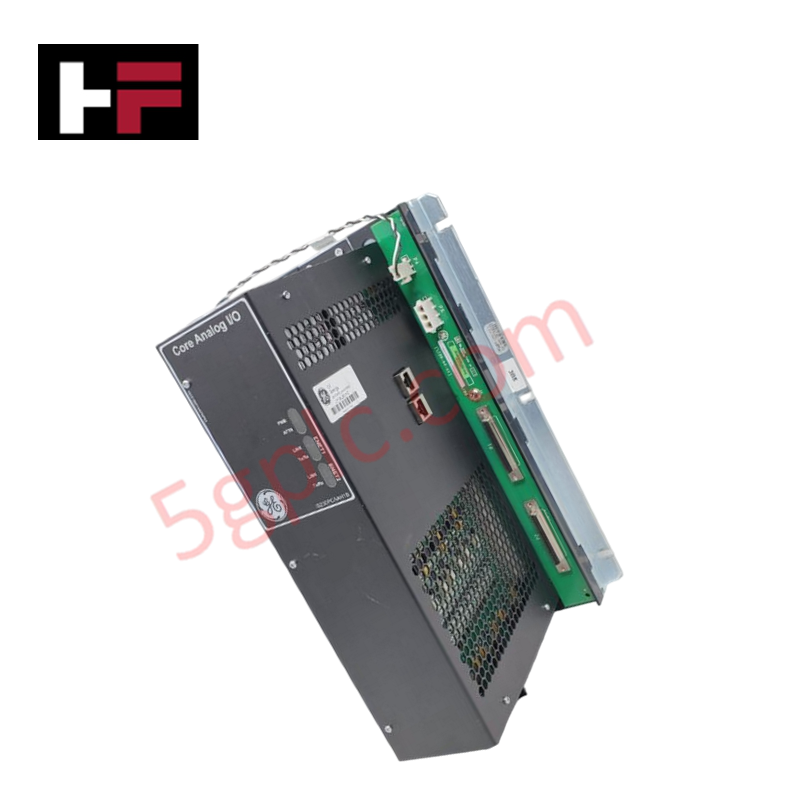
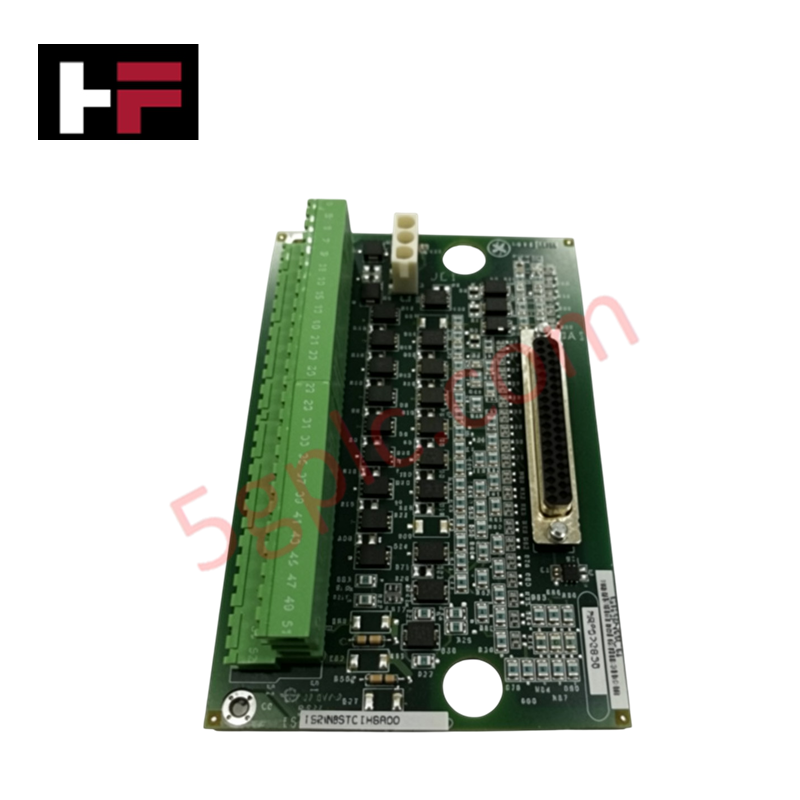
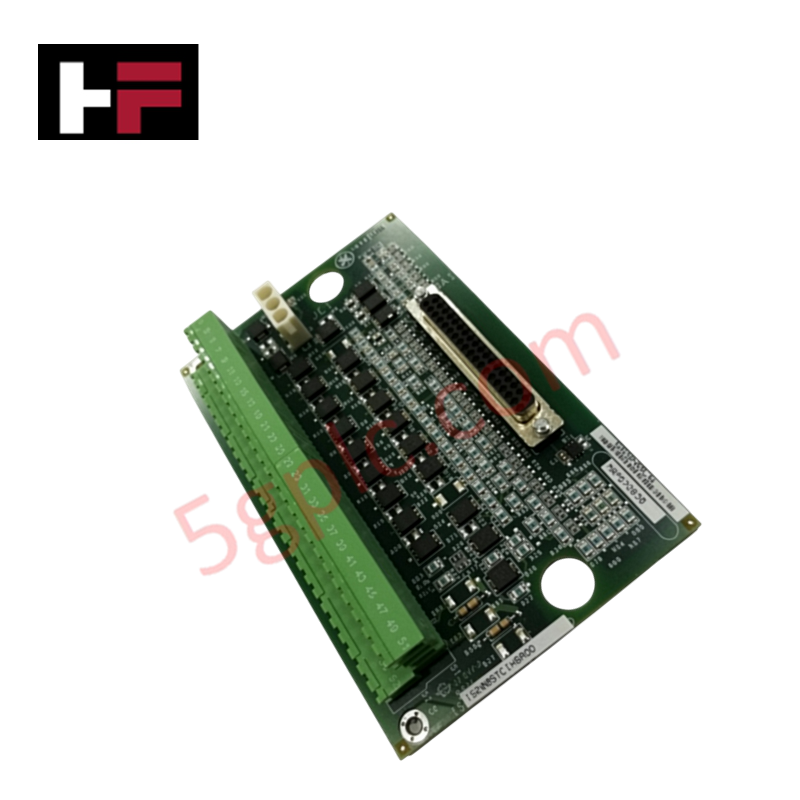
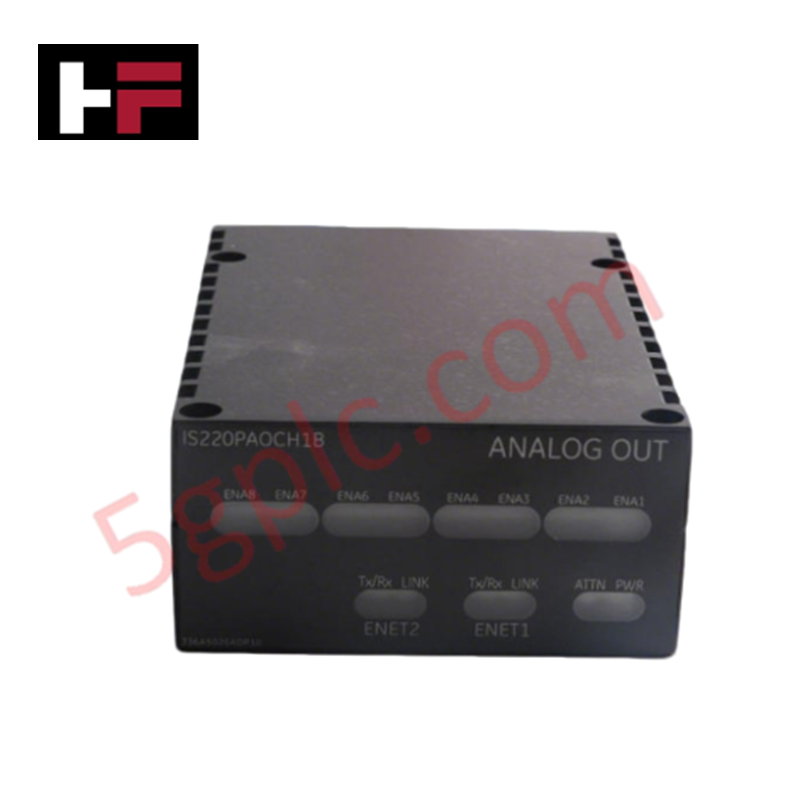
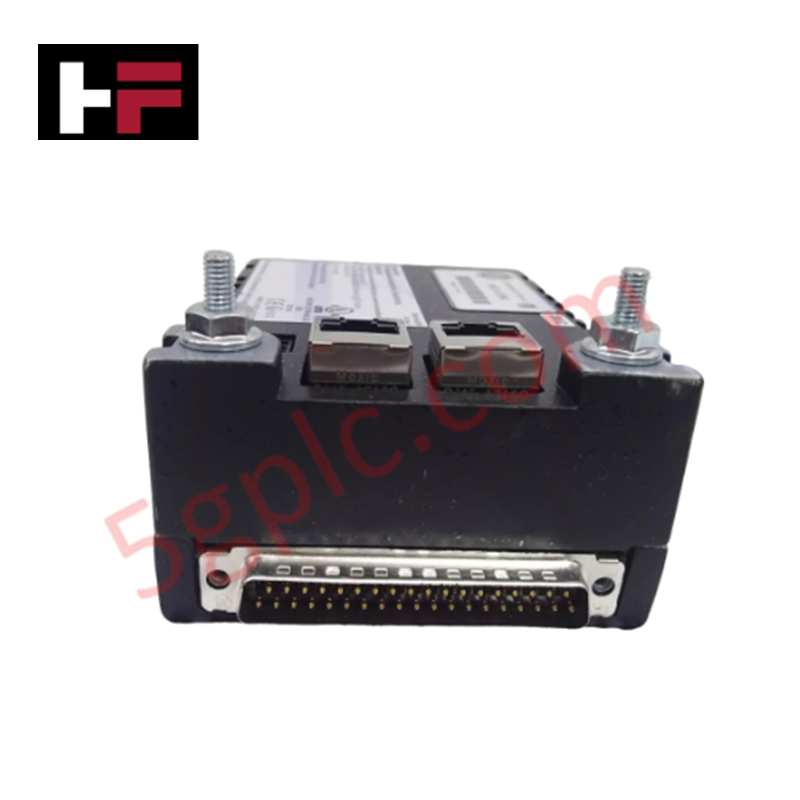
The ICS Triplex T8431 is a high-density, fault-tolerant analogue input module purpose-built for the Trusted Triple Modular Redundant (TMR) platform. It provides interfacing for up to 40 analogue field signals, typically from transmitters and sensors in safety-instrumented functions. The module utilizes a triplicated architecture where each input signal is processed through three independent paths, ensuring that a single component failure does not compromise the safety loop. This unit is essential for industrial processes requiring SIL 3 integrity, such as Emergency Shutdown (ESD) and Fire and Gas (F&G) systems.
Specifications
-
Brand: Rockwell Automation / ICS Triplex
-
Model: T8431
-
Manufacturing Origin: United Kingdom
-
Module Type: Trusted TMR Analogue Input (24 Vdc)
-
Channel Count: 40 Isolated Input Channels
-
Input Signal Range: 4-20 mA or 0-5 Vdc (Configurable)
-
Resolution: 12-bit to 16-bit (depending on filter settings)
-
Input Impedance: 250 Ohms (nominal)
-
Module Weight: 1.22 kg
-
Power Consumption: 15 Watts (Typical)
-
Operating Temperature: -5°C to 60°C
Features
-
Full Triplication: Incorporates three internal slices for signal processing, providing hardware-level voting for maximum reliability.
-
Line Monitoring: Detects field wiring faults including open circuits and short circuits via sophisticated threshold analysis.
-
Integrated Self-Test: Conducts automated background diagnostics to verify the calibration and health of the A/D converters.
-
Hot-Swap Support: Engineered for online replacement in a redundant chassis configuration without process interruption.
-
Galvanic Isolation: Provides robust protection between the field inputs and the system logic to mitigate noise and ground loops.
-
Front Panel Indicators: High-visibility LEDs provide immediate status regarding module health, active faults, and channel activity.
Additional Information
- 100% Genuine Parts: All products are original and authentic, ensuring reliable industrial performance.
- 30-Day Refund Guarantee: Return any in-stock item within 30 days in original, unopened packaging for a full refund (excluding shipping and fees).
- 12-Month Warranty: Covers defects in materials or workmanship; excludes misuse, normal wear, or unauthorized modifications.
- Worldwide Shipping: We ship via USPS, UPS, FedEx, and DHL. Delivery times vary by country and may be subject to customs or import fees.
- Support & Contact: Technical and warranty assistance is available anytime. Contact us here: Contact.
- Purchase Guidance: Check product specifications and compatibility carefully before ordering to ensure proper application.
Tech & Buying Guide

PLC vs. HMI: Distinguishing the Brain from the Interface in Industrial Automation
In the realm of industrial automation, distinguishing between a Programmable Logic Controller (PLC) and a Human-Machine Interface (HMI) is fundamental. While both devices work in tandem, they serve distinct purposes. The PLC acts as the "brain" of the operation, executing logic, whereas the HMI serves as the "eyes," allowing operators to monitor and interact with the system. Understanding this synergy is essential for any professional designing robust factory automation solutions.
Selecting the Right Industrial Automation Solution for Modern Manufacturing
Choosing an effective industrial automation system starts with a thorough process audit. You must identify tasks that are repetitive, labor-intensive, or prone to human error. Not every process requires high-level automation; therefore, prioritize operations that directly impact throughput and quality. By scoping your needs accurately, you avoid over-investing in unnecessary technology. A balanced approach ensures that your capital expenditure aligns with measurable gains in operational efficiency.
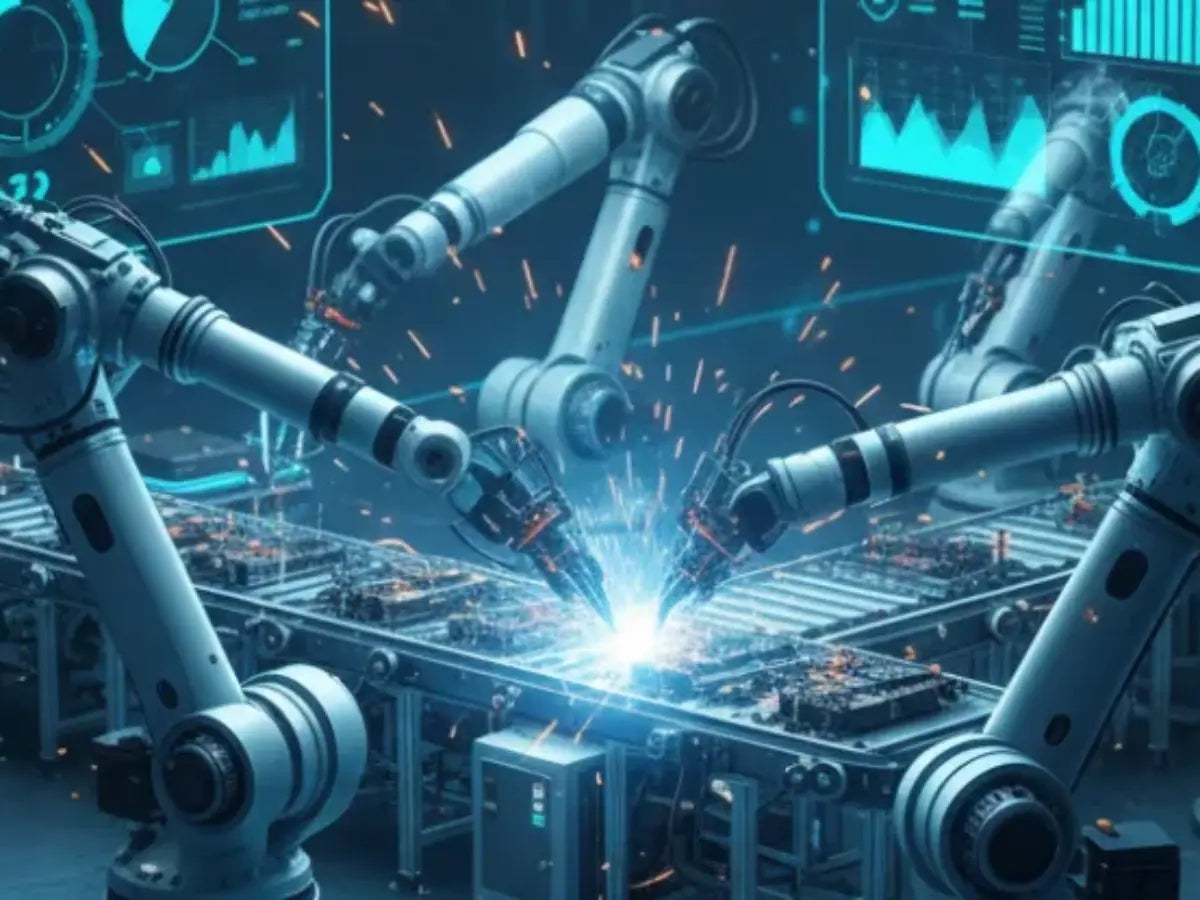
Implementing FIFO and LIFO Data Sequencing in PLC Programming
Data management serves as a cornerstone of modern industrial automation. Whether tracking materials on a conveyor or managing batch sequences in a process, engineers frequently rely on sequential logic. Two primary structures—First-In-First-Out (FIFO) and Last-In-First-Out (LIFO)—form the bedrock of this data handling. Mastering these blocks allows programmers to optimize complex machine operations efficiently.