










Product Details
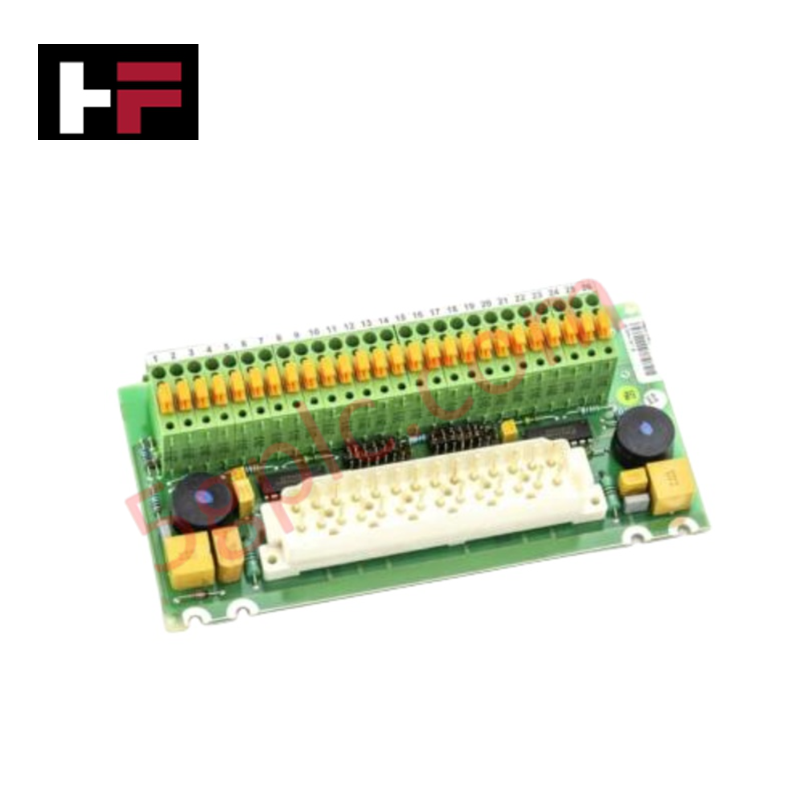
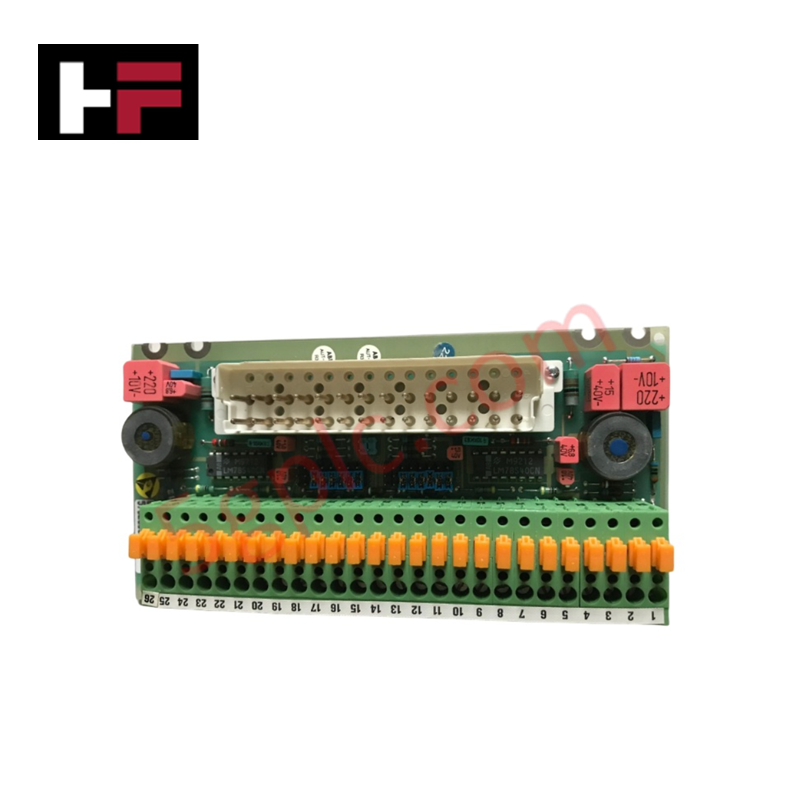
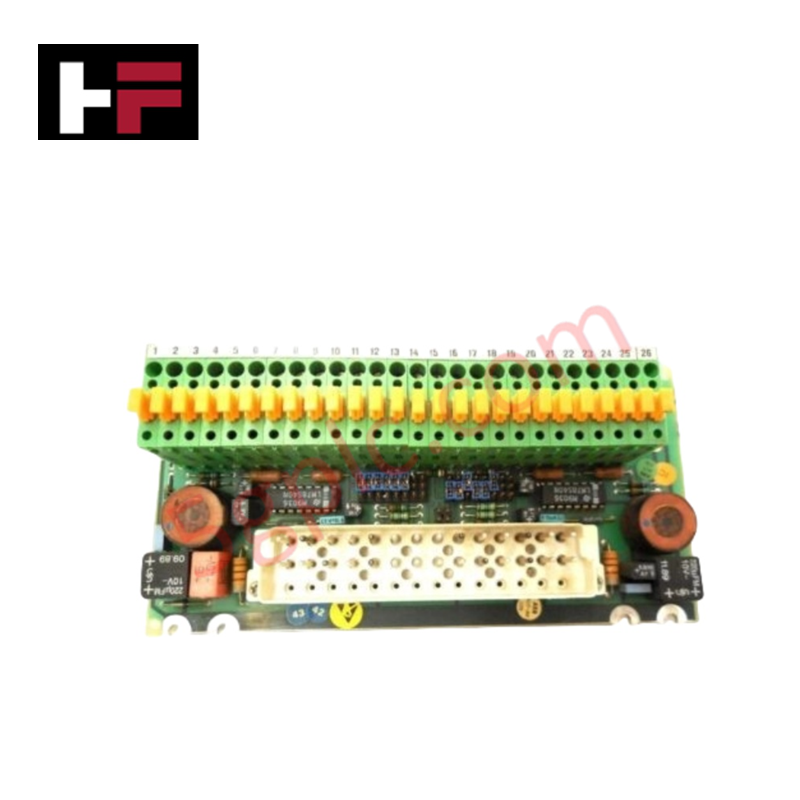
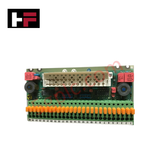
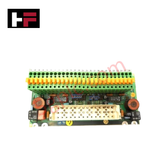
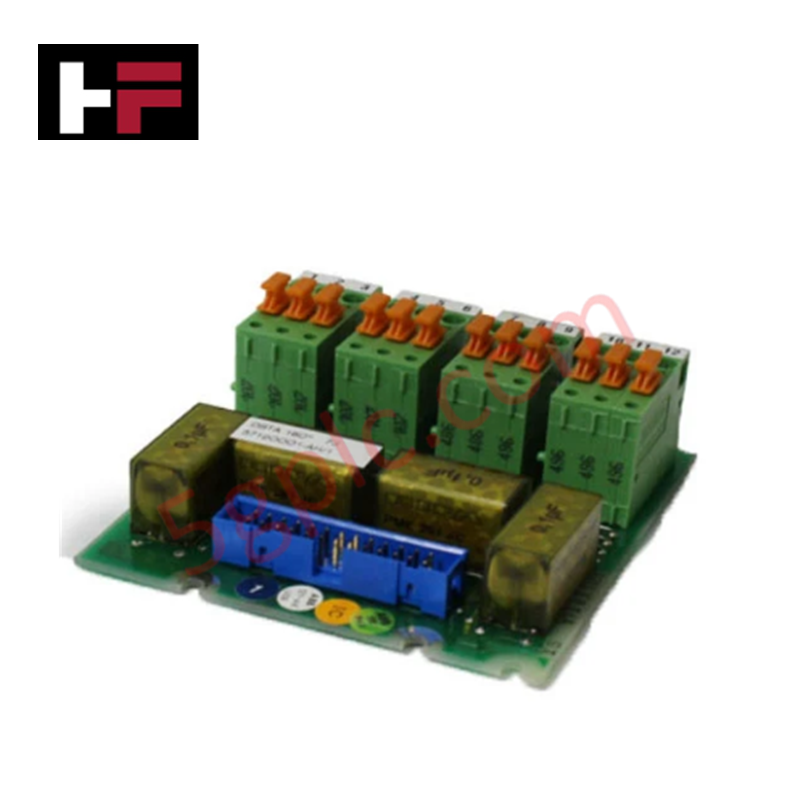
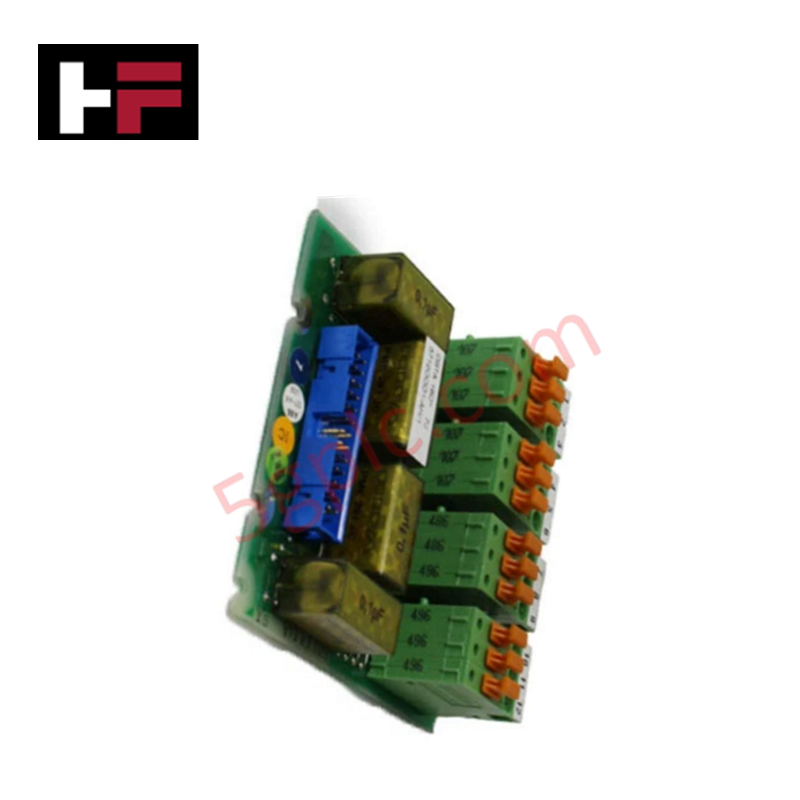
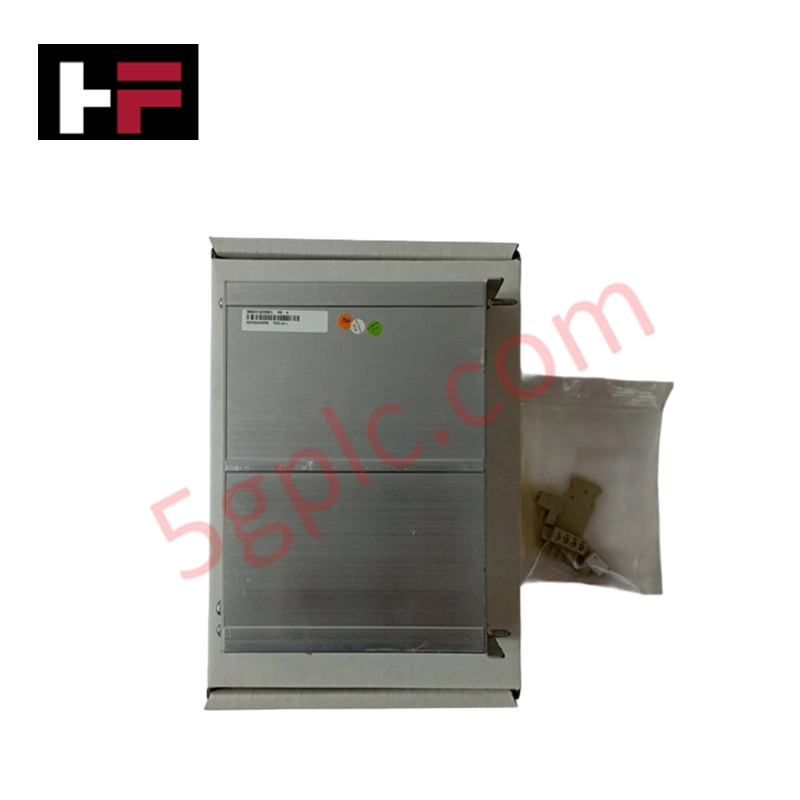
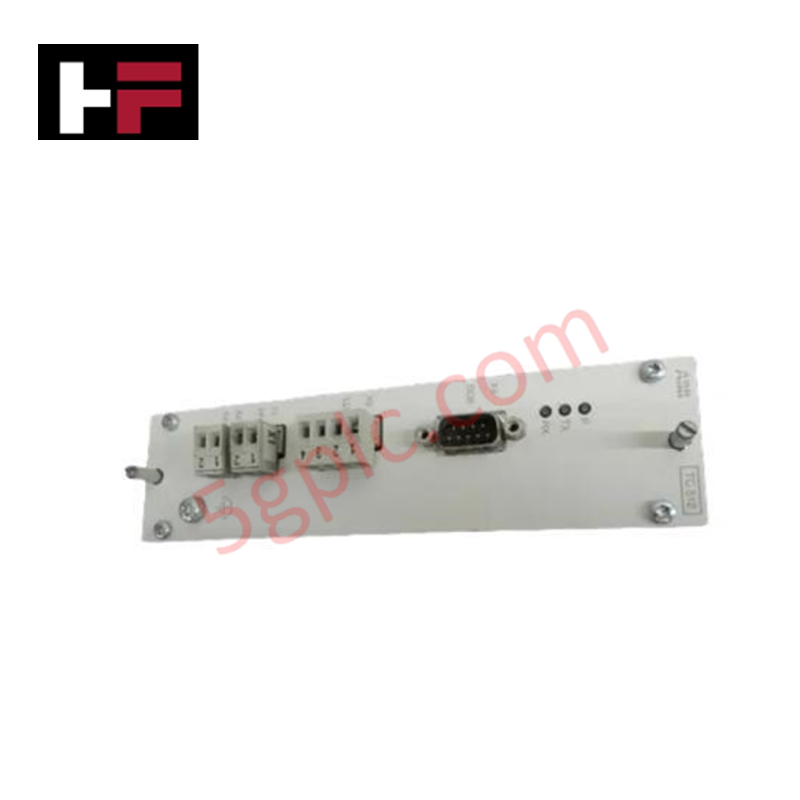
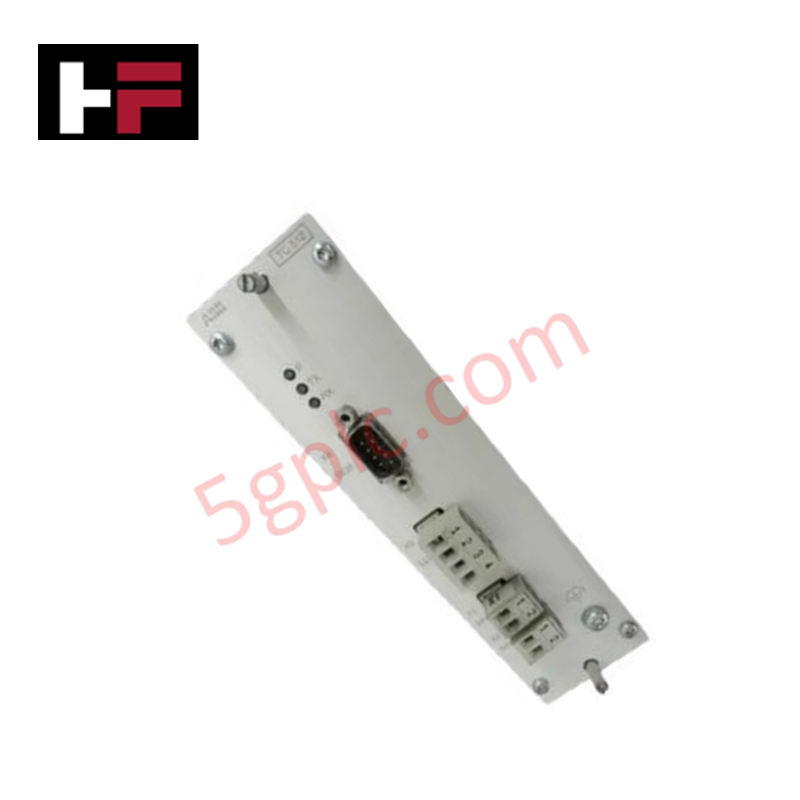
The ABB DSTC 160 57520001-Z/1, also cataloged as the DSTC 160 Module Termination Unit, operates as a dedicated hardware component for field wiring termination and bus signal routing within MasterPiece 100 and MasterPiece 200 platforms.
Hardware Specifications
| Parameter | Specification |
|---|---|
| Model | DSTC 160 |
| Part Number | 57520001-Z/1 (Base: 57520001-Z) |
| Brand | ABB |
| Product Type | Module Termination Units |
| Origin | Sweden |
| Weight | 0.265 kg |
| Dimensions | 40 x 90 x 150 mm |
| Operating Temp | 0 to +55 deg C |
| Power Consumption | Passive connection assembly (0 W) |
| System Platform | MasterPiece 100 / MasterPiece 200 |
| WEEE Compliance | Product Not in WEEE Scope |
High I/O Density Scaling and Backplane Bus Signal Integrity
The unit serves as a physical interface for field cables, supporting high I/O density scaling across subrack hardware assemblies. Internal passive signal routing preserves backplane bus communication velocity and firmware flash compatibility between connected processing units and termination blocks. Solid metallic contact surfaces maintain shielding path continuity, reducing high-frequency electrical noise and cross-talk across control drops.
Frequently Asked Questions
Q: Does the DSTC 160 unit consume active current from the backplane supply?
A: No, the module operates purely as a passive termination interface with zero active electrical power consumption.
Q: How is chassis earth grounding established across connected field cable shields?
A: Field cable shields connect to the terminal grounding bars which bond directly to the metal mounting enclosure frame.
Q: Can field wires be reconfigured while system modules are active?
A: No, primary loop power must be disconnected prior to adjusting wiring connections to prevent unintended circuit interruption.
Field Installation Guidelines
- Isolate primary field power supplies before attaching or servicing wiring on the DSTC 160 unit.
- Align the 40 x 90 x 150 mm termination unit with the cabinet chassis guide rails or DIN mounting tracks.
- Torque retaining screws securely to maintain mechanical stability and positive earth ground bonding.
- Strip field conductor ends 7 mm and clamp them tightly into the screw terminal blocks.
- Maintain a minimum physical spacing of 200 mm between low-voltage signal cables and high-voltage AC lines.
Additional Information
- 100% Genuine Parts: All products are original and authentic, ensuring reliable industrial performance.
- 30-Day Refund Guarantee: Return any in-stock item within 30 days in original, unopened packaging for a full refund (excluding shipping and fees).
- 12-Month Warranty: Covers defects in materials or workmanship; excludes misuse, normal wear, or unauthorized modifications.
- Worldwide Shipping: We ship via USPS, UPS, FedEx, and DHL. Delivery times vary by country and may be subject to customs or import fees.
- Support & Contact: Technical and warranty assistance is available anytime. Contact us here: Contact.
- Purchase Guidance: Check product specifications and compatibility carefully before ordering to ensure proper application.
Tech & Buying Guide

Top 5 Operational Advantages of HMIs in Modern Factory Automation

Importance of Safety Barriers in PLC and DCS Control Systems
