










Product Details
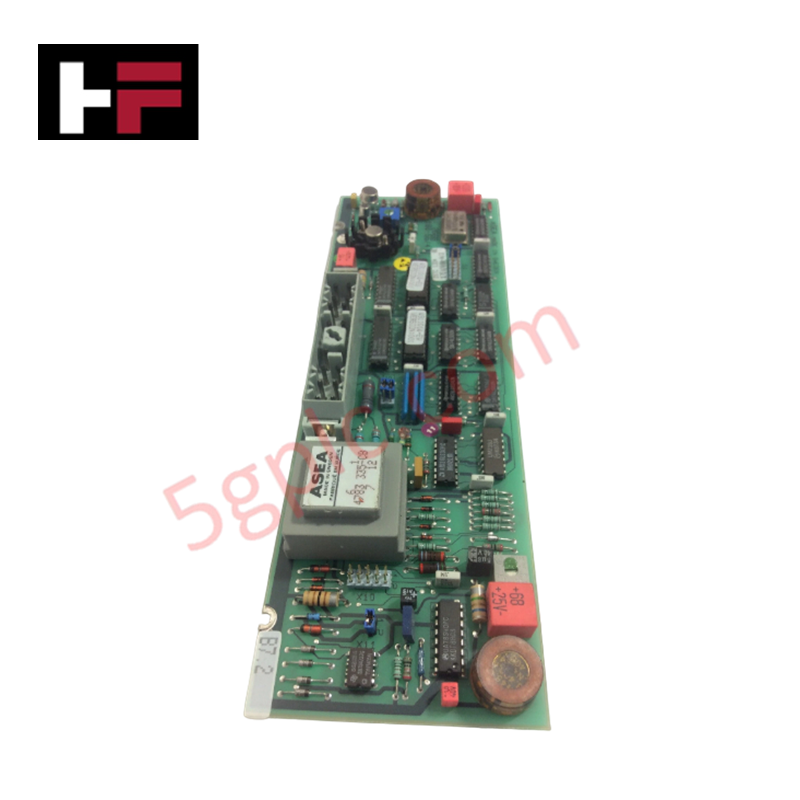
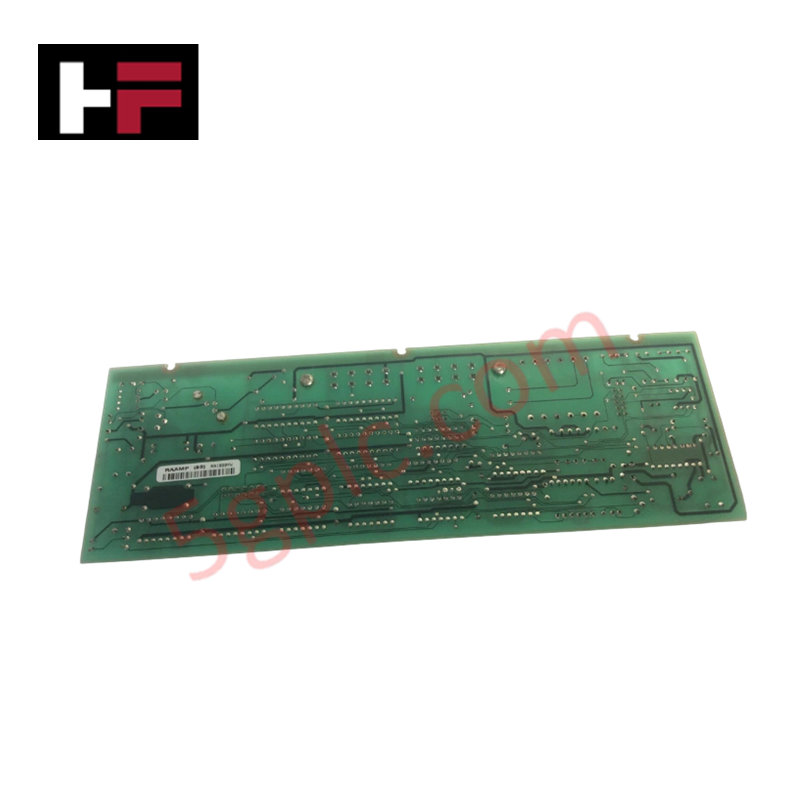
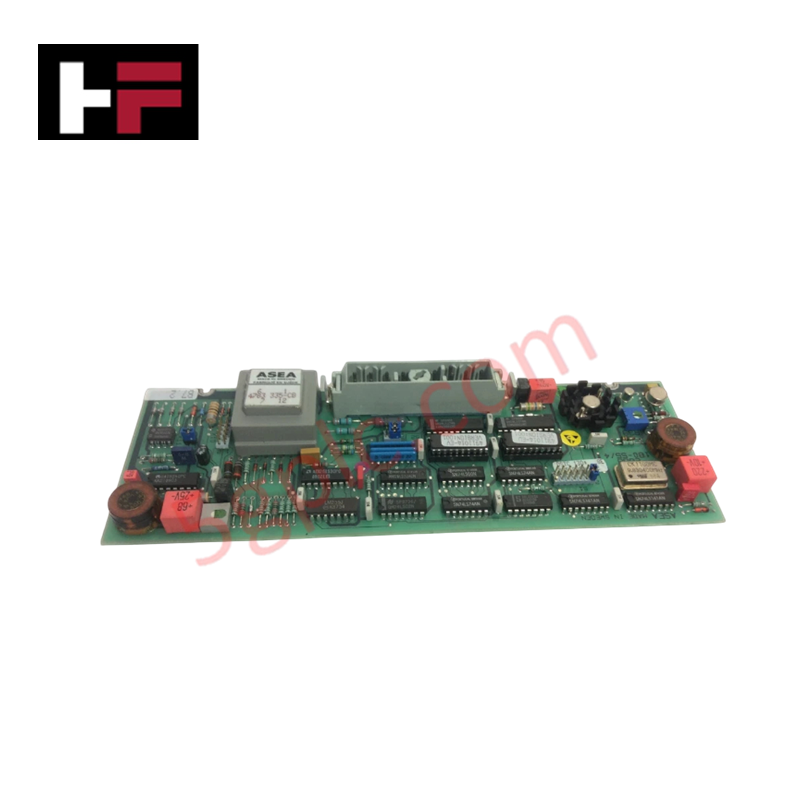
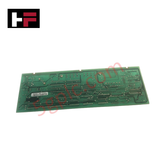
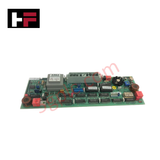
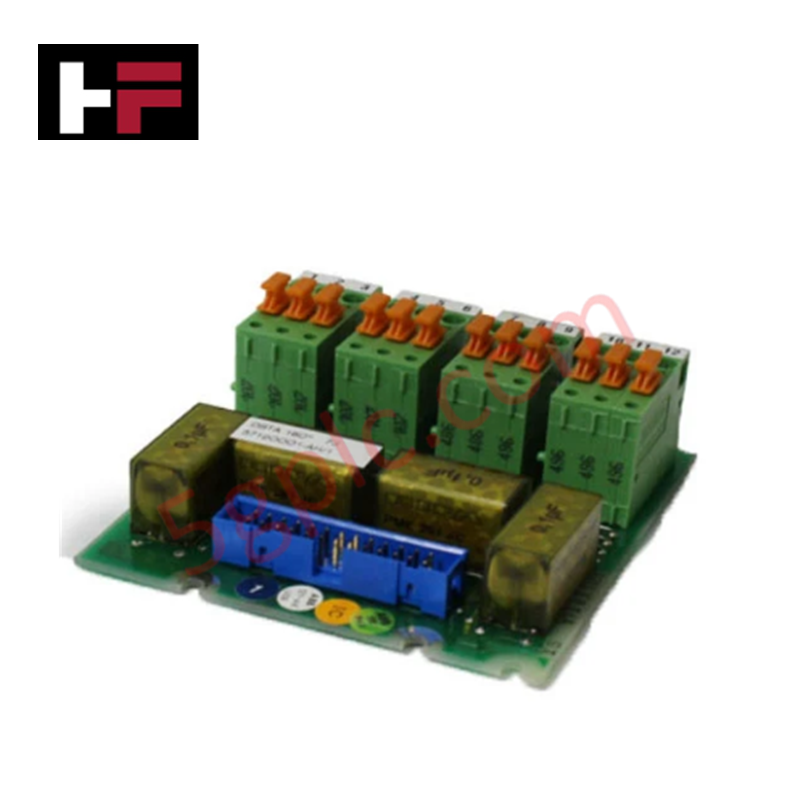
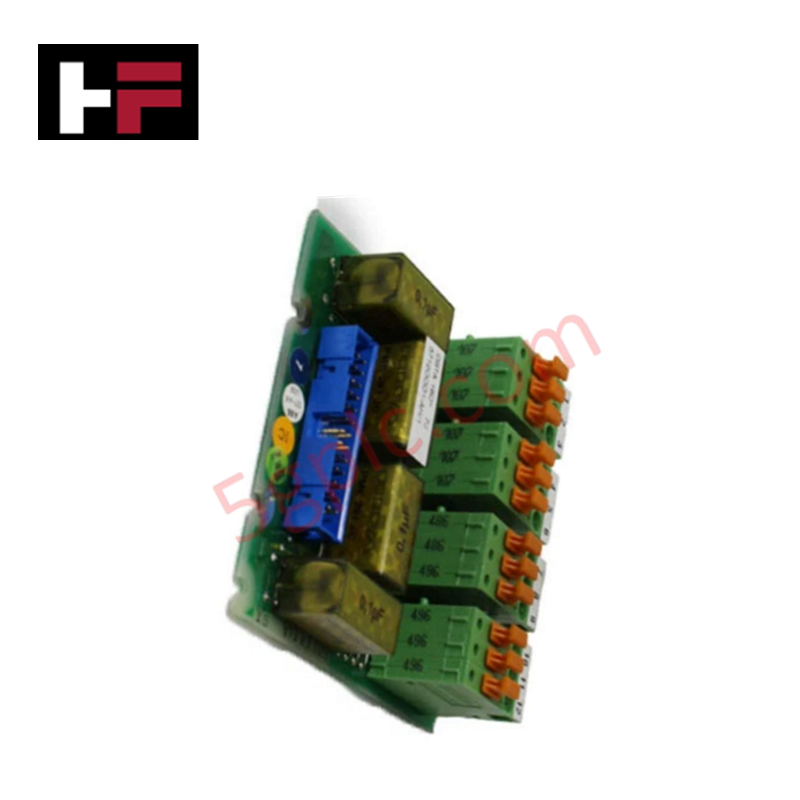
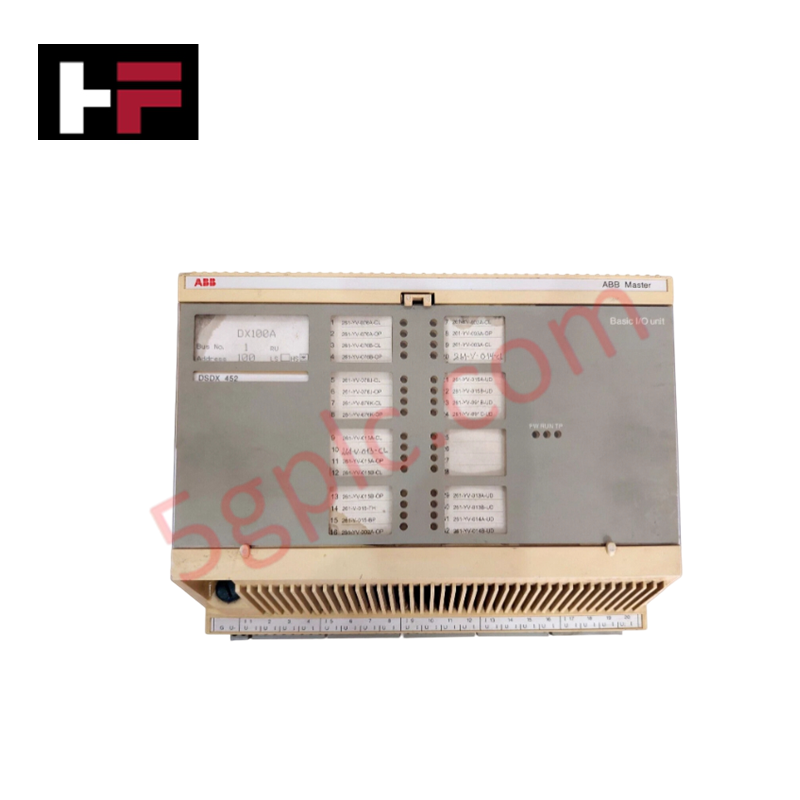
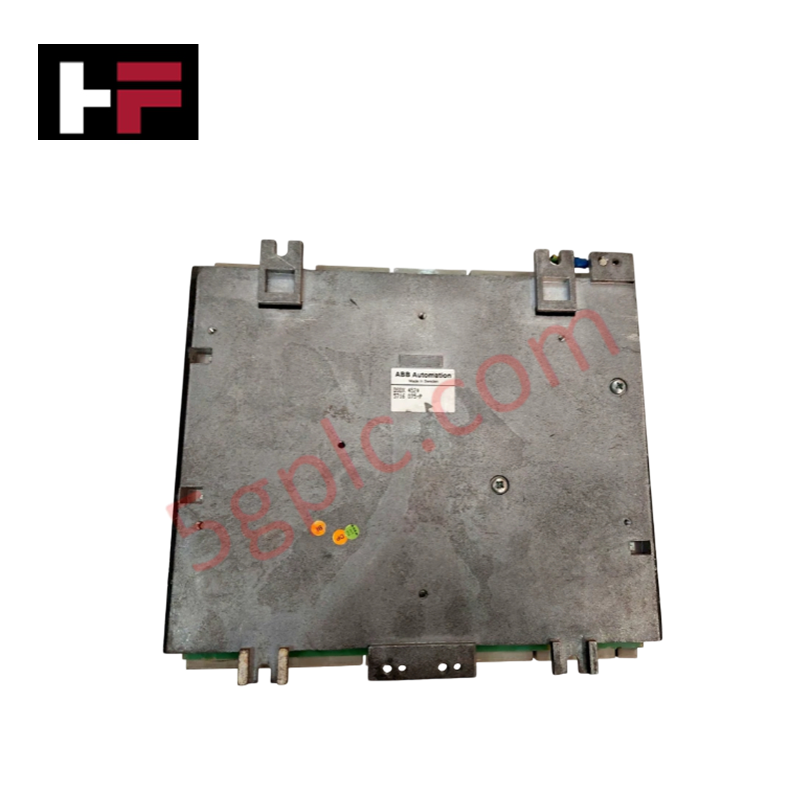
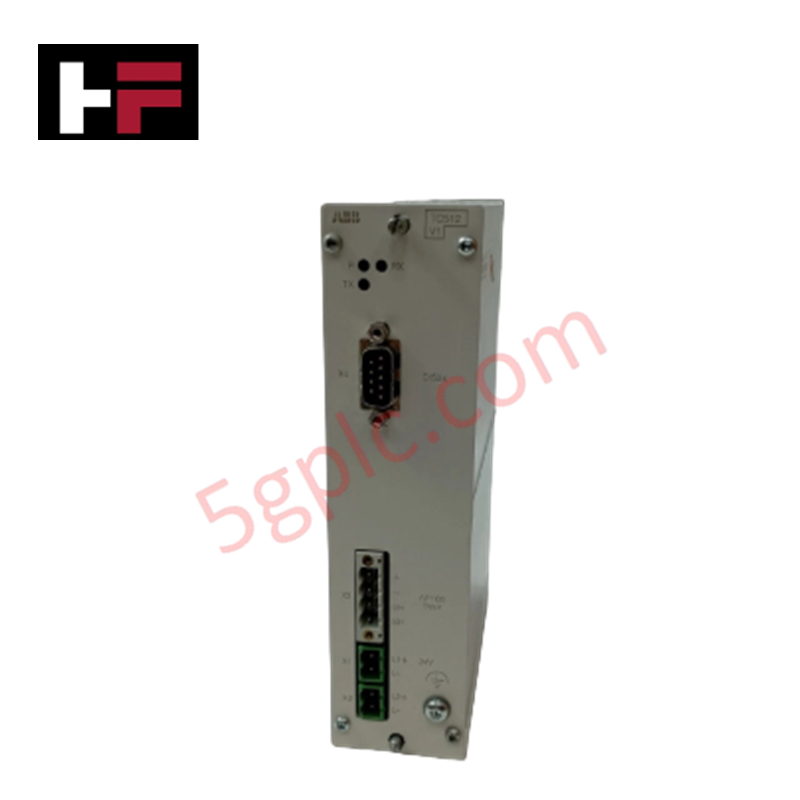
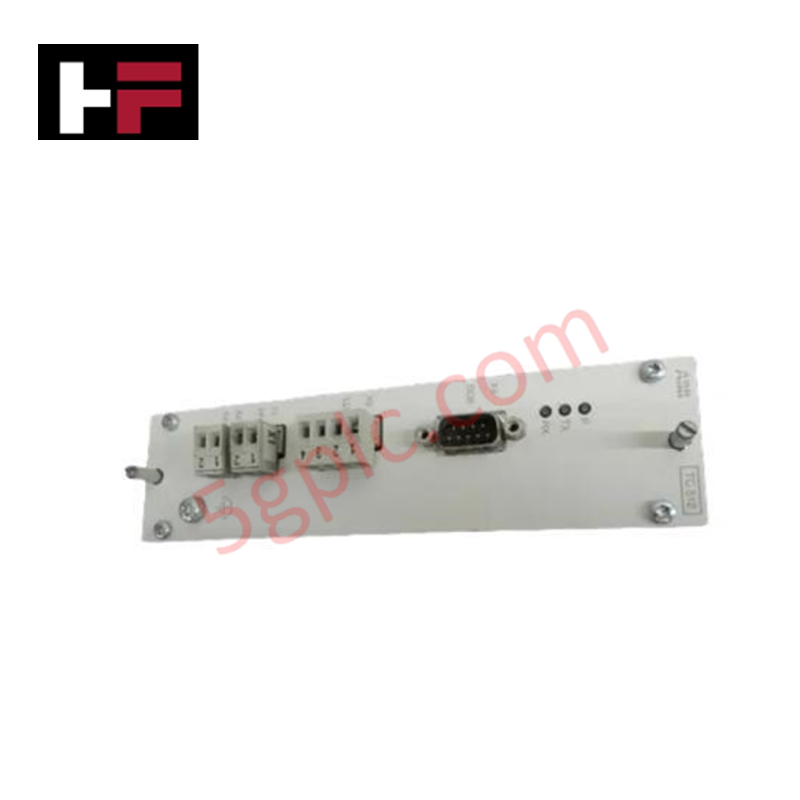
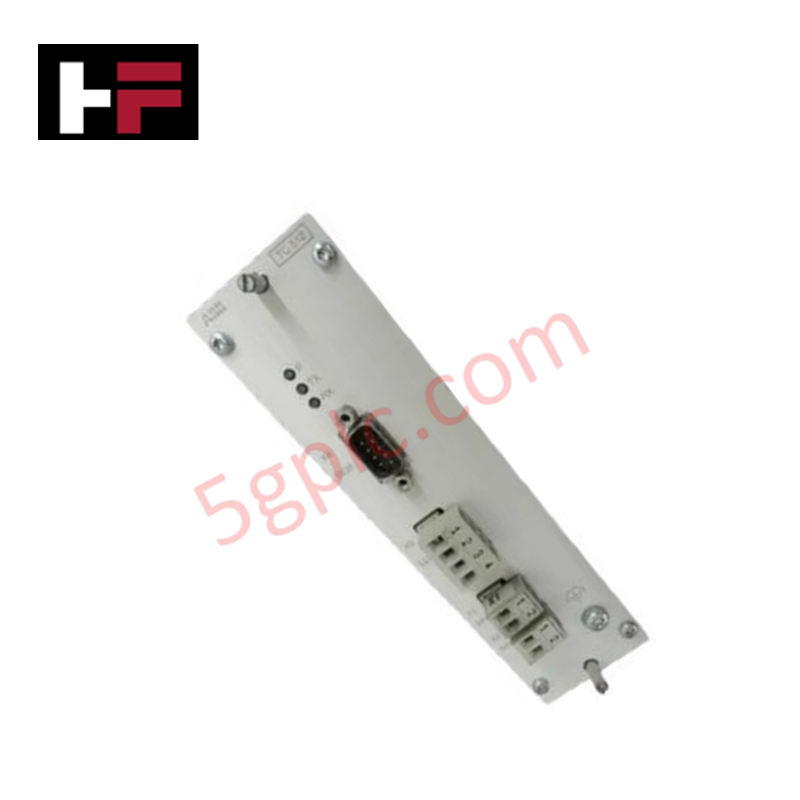
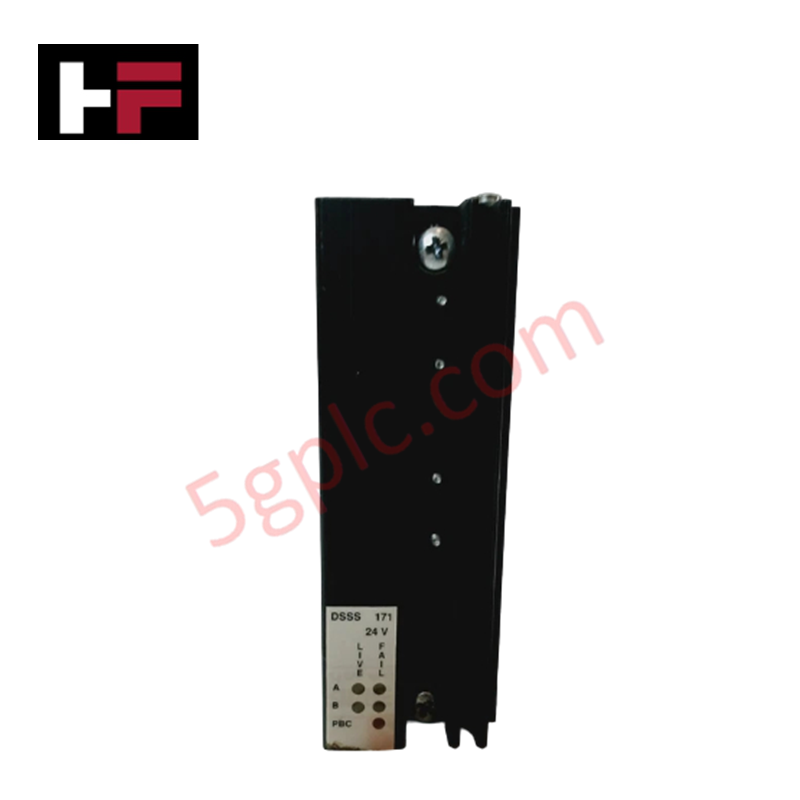
The ABB DSTC 131A TES57510001-BT/2, also cataloged as the DSTC 131A Optical Modems, operates as a dedicated hardware component for long-distance optical signal conversion and data transmission within ABB process control network topologies.
Hardware Specifications
| Parameter | Specification |
|---|---|
| Model | DSTC 131A |
| Part Number | TES57510001-BT/2 (Base: TES57510001-BT) |
| Brand | ABB |
| Product Type | Optical Modems |
| Origin | Sweden |
| Weight | 0.245 kg |
| Dimensions | Standard subrack slot mount format |
| Operating Temp | 0 to +55 deg C |
| Power Consumption | 24 VDC (Backplane bus supplied) |
| Core Function | Long Distance Optical Modem |
| Customs Tariff Number | 85389091 |
Deterministic Network Routing and Firmware Flash Compatibility
The optical transceiver circuitry converts electrical logic signals into optical pulses to enable noise-immune long-distance communication links. Integrated signal processing maintains determinism across field network loops without degrading backplane bus communication velocity. Internal logic supports firmware flash compatibility across network nodes, maintaining low latency and protocol integrity across high-density I/O distributions.
Frequently Asked Questions
Q: Can optical fiber connections be plugged or unplugged while the unit is operating?
A: Optical transceivers can remain powered, but fiber connectors must be kept clean and capped immediately upon removal to prevent dust contamination on optical interfaces.
Q: How is structural chassis grounding established for the DSTC 131A?
A: Frame grounding is secured directly through the mounting hardware fasteners when the assembly is locked into the subrack chassis frame.
Q: What power source feeds the internal fiber conversion electronics?
A: Operating power is supplied directly from the internal subrack 24 VDC backplane power bus rails.
Field Installation Guidelines
- Disconnect main power feeds to the subrack prior to inserting or removing the DSTC 131A module.
- Wear a grounded ESD wrist strap before handling the optical modem assembly to prevent static discharge damage.
- Slide the 0.245 kg module into the designated subrack guide rails until rear electrical connectors interface completely.
- Tighten front panel retaining screws to secure mechanical alignment and establish frame earth ground.
- Maintain minimum fiber cable bend radius standards during cable routing to prevent attenuation and optical signal loss.
Additional Information
- 100% Genuine Parts: All products are original and authentic, ensuring reliable industrial performance.
- 30-Day Refund Guarantee: Return any in-stock item within 30 days in original, unopened packaging for a full refund (excluding shipping and fees).
- 12-Month Warranty: Covers defects in materials or workmanship; excludes misuse, normal wear, or unauthorized modifications.
- Worldwide Shipping: We ship via USPS, UPS, FedEx, and DHL. Delivery times vary by country and may be subject to customs or import fees.
- Support & Contact: Technical and warranty assistance is available anytime. Contact us here: Contact.
- Purchase Guidance: Check product specifications and compatibility carefully before ordering to ensure proper application.

Tech & Buying Guide

Top 5 Operational Advantages of HMIs in Modern Factory Automation

Importance of Safety Barriers in PLC and DCS Control Systems
