










Product Details
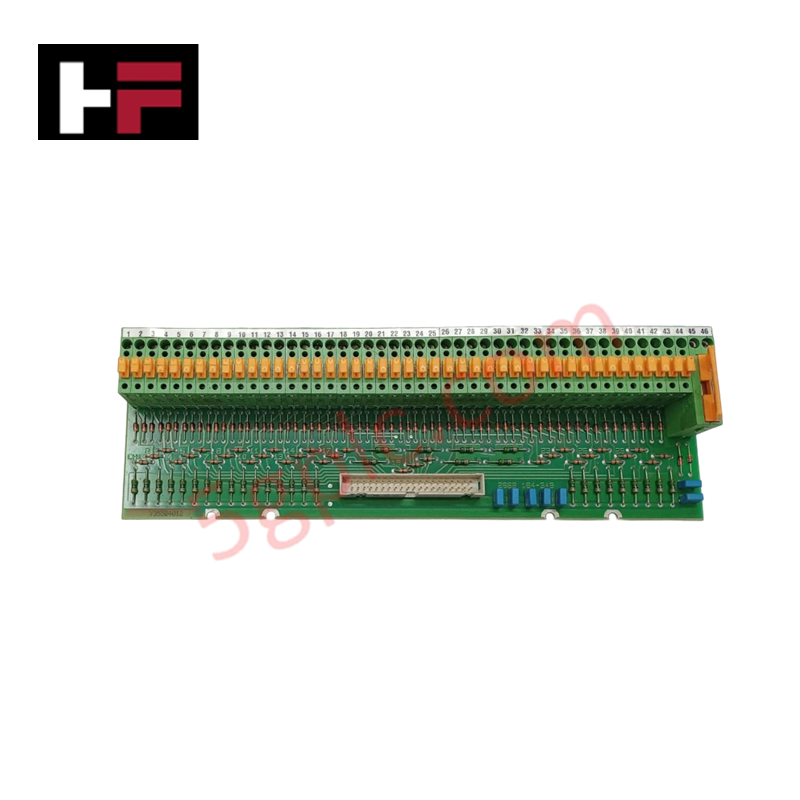
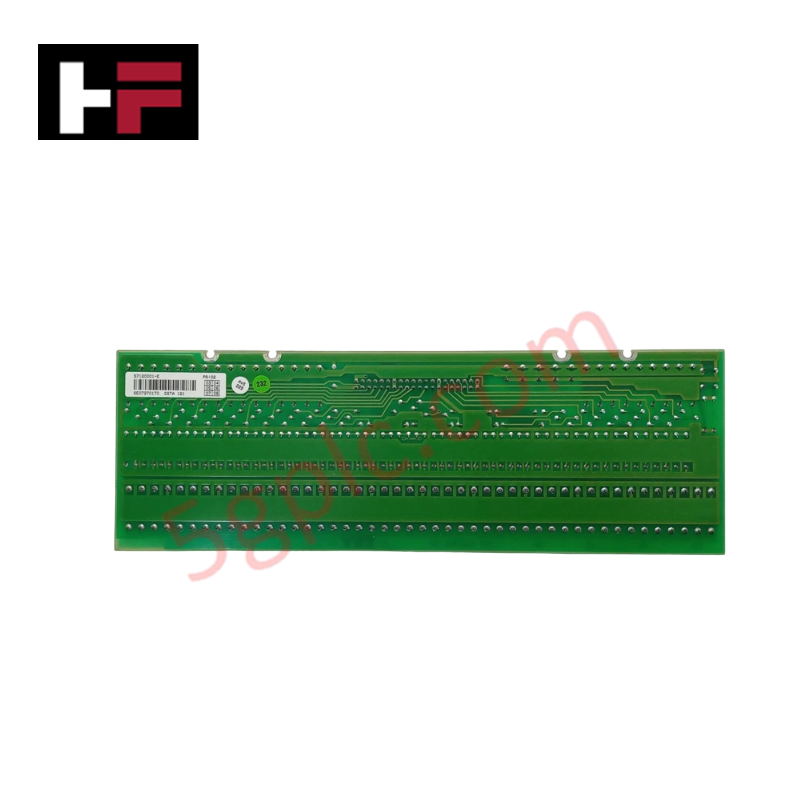
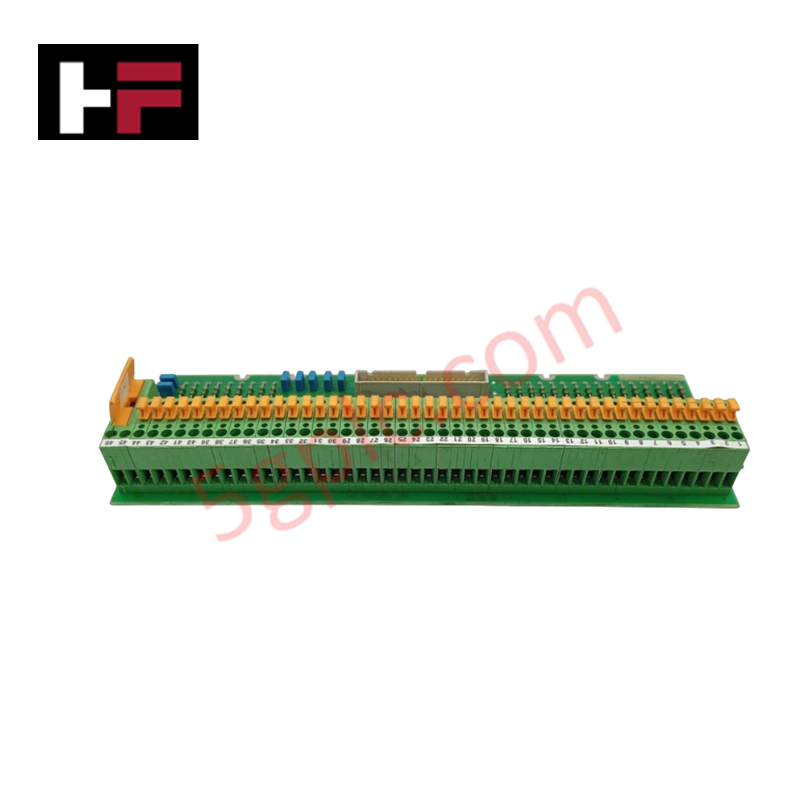
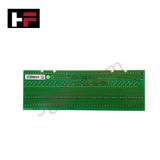
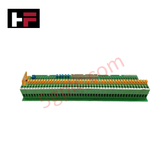
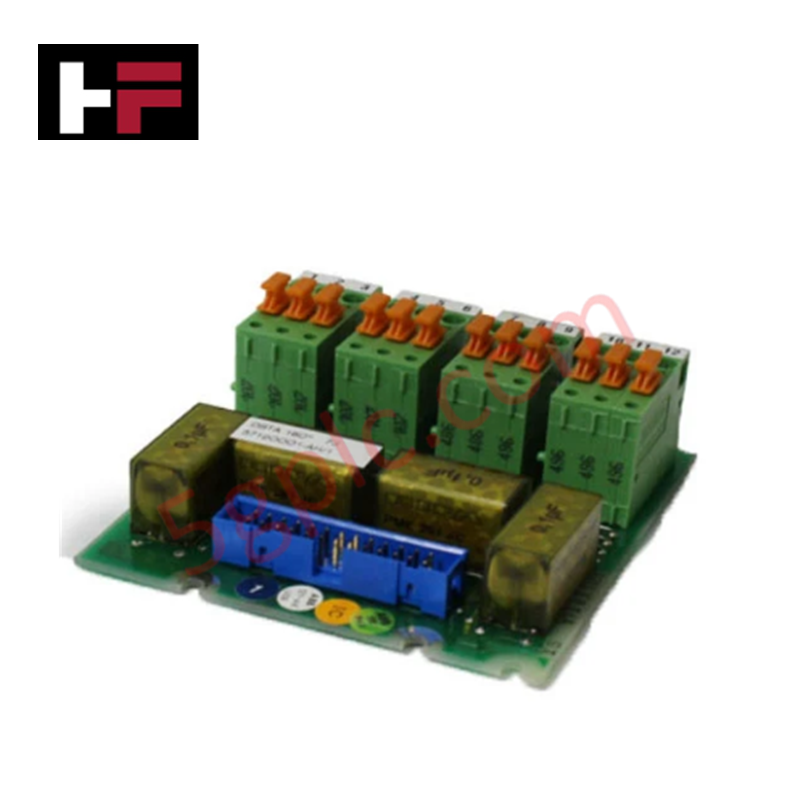
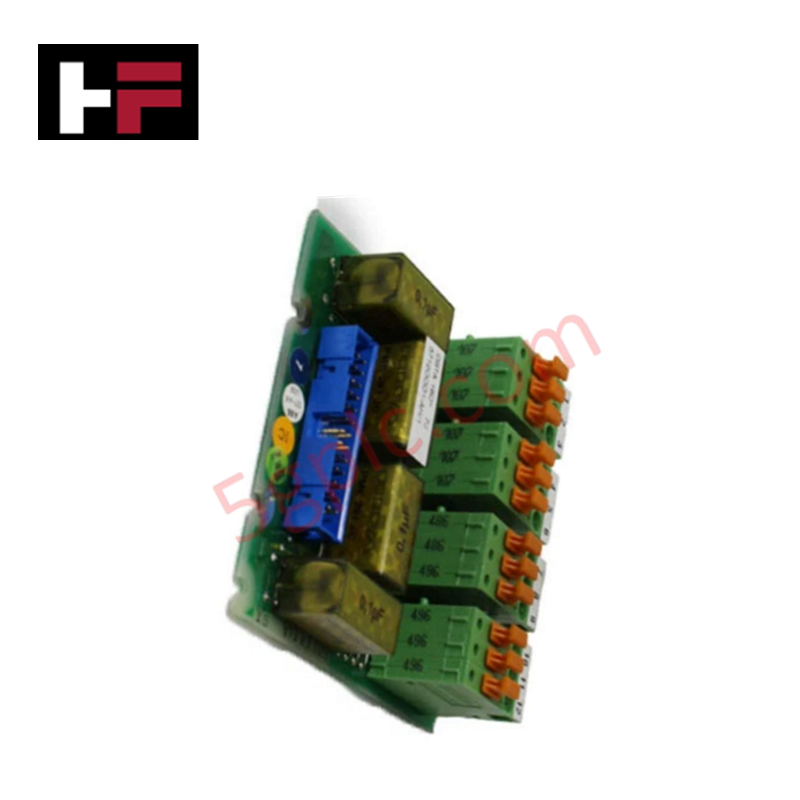
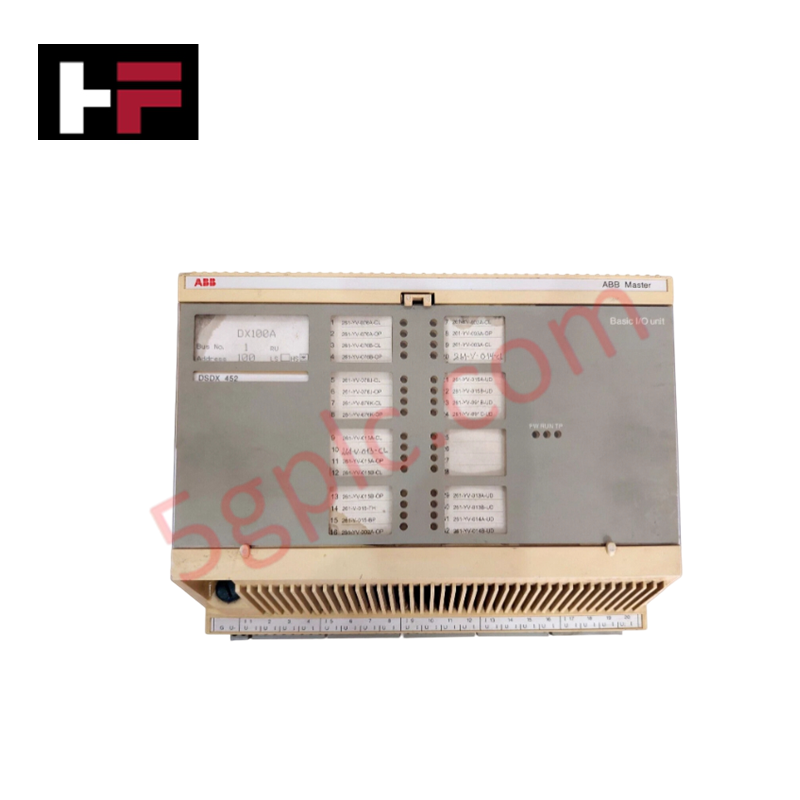
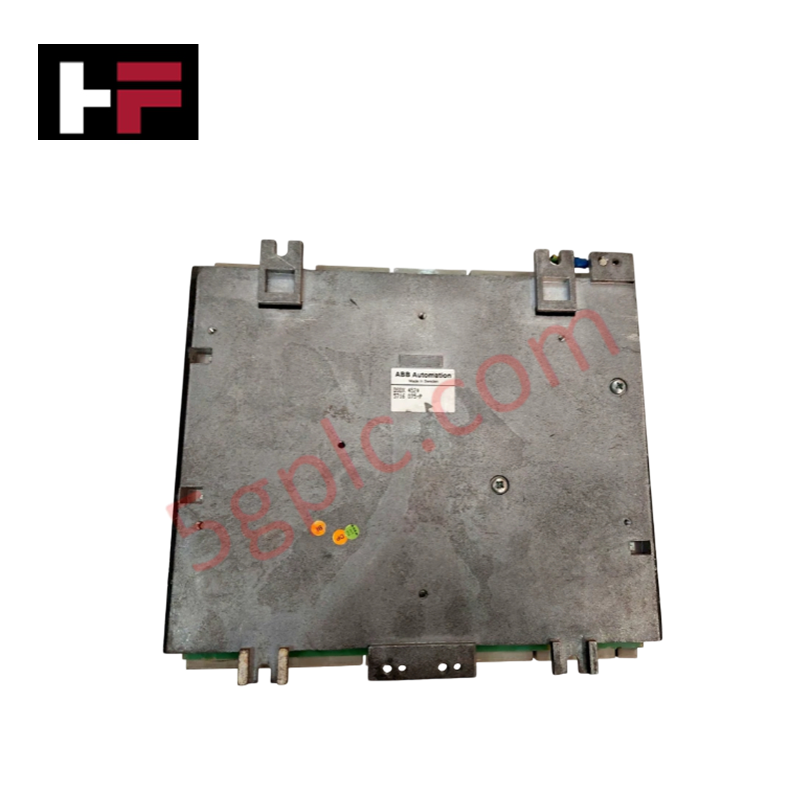
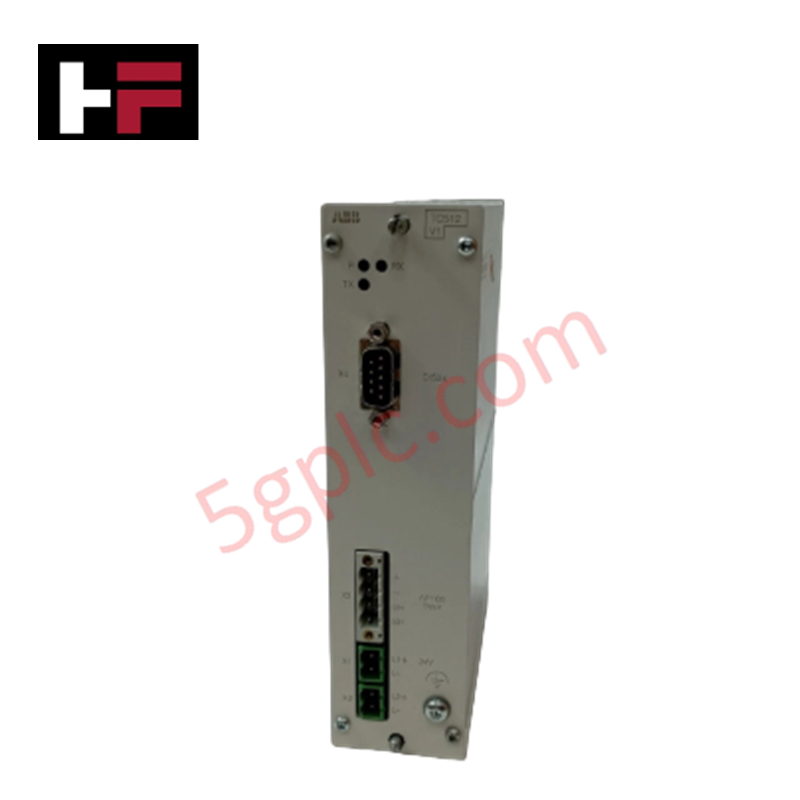
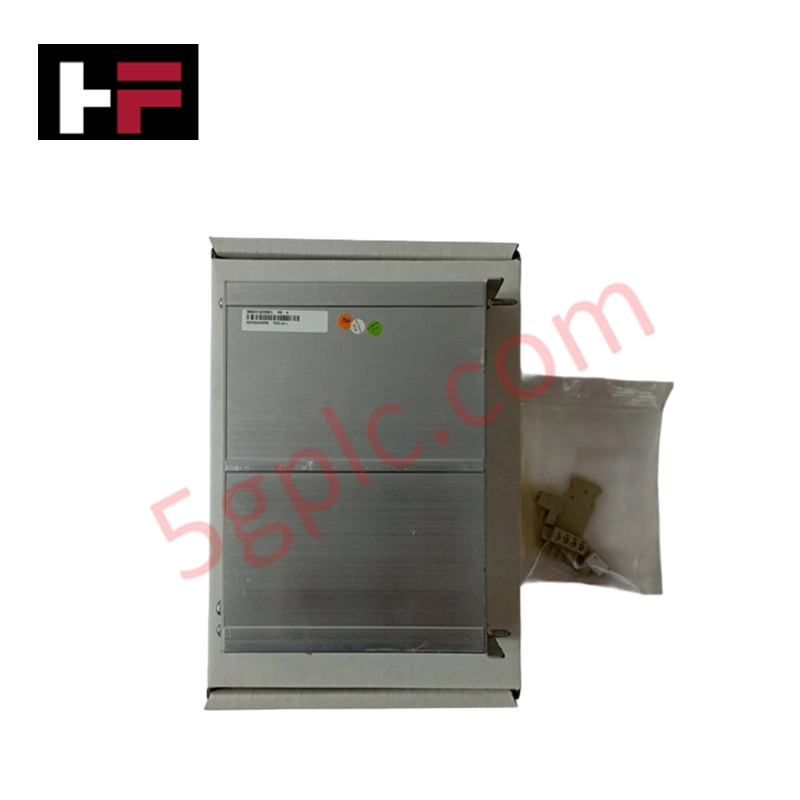
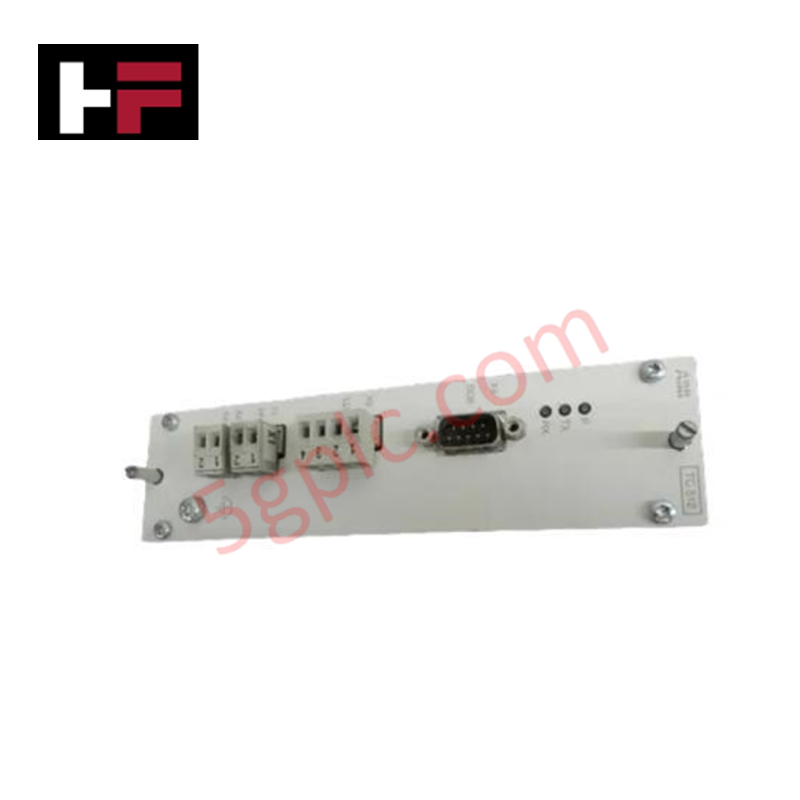
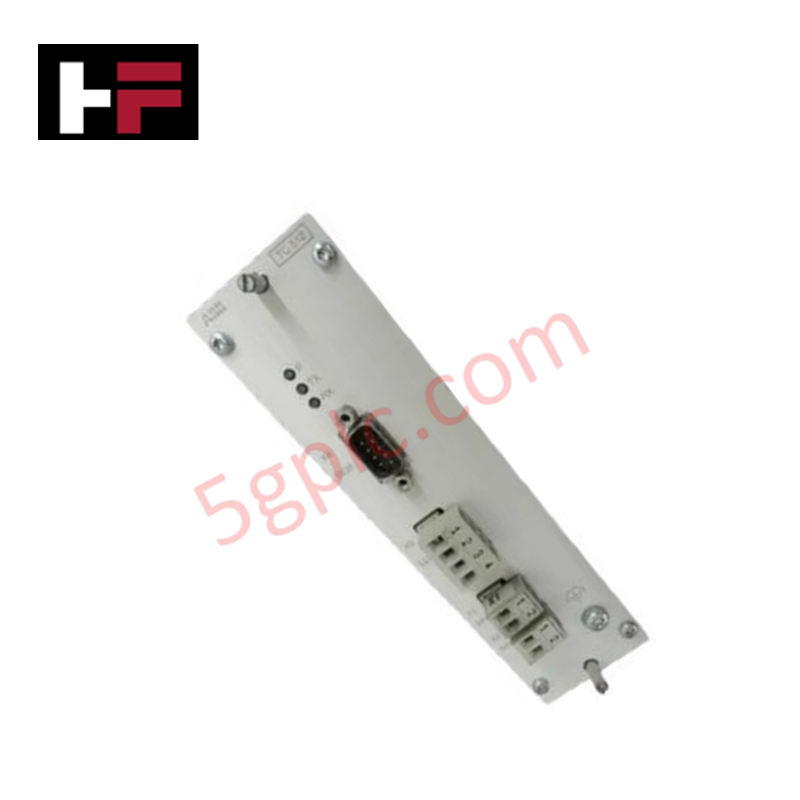
Configured for field wiring interface termination and signal transmission routing in ABB automation platforms, the ABB DSTA 121 57120001-E (DSTA 121 Connection Units) provides direct physical/electrical execution.
Hardware Specifications
| Parameter | Specification |
|---|---|
| Model | DSTA 121 |
| Part Number | 57120001-E |
| Brand | ABB |
| Product Type | Connection Units |
| Origin | Sweden |
| Weight | 0.2 kg |
| Dimensions | 200 mm x 100 mm x 20 mm |
| Operating Temp | 0 to +55 deg C |
| Power Consumption | Passive connection assembly (0 W) |
| Module Type | Connection Unit |
High I/O Density Scaling and Backplane Signal Integrity
The connection unit facilitates physical wire termination to organize field-side conductors before routing to I/O processing cards. Its internal bus traces preserve high backplane bus communication velocity and prevent signal distortion across high-density I/O configurations. Passive galvanic paths optimize signal continuity and firmware flash compatibility during controller-level data processing.
Frequently Asked Questions
Q: Does the DSTA 121 connection unit consume active backplane current?
A: No, the module operates as a passive wiring termination unit and consumes zero active backplane electrical power.
Q: How is shielding grounded when terminating field cables on the unit?
A: Cable shield braid wires must be clamped directly to the chassis earthing bar adjacent to the terminal block to maintain noise suppression limits.
Q: Can wiring be safely modified while field loops remain energized?
A: No, primary field loops must be isolated and power removed before altering connections to prevent transient arc faults or signal disruption.
Field Installation Guidelines
- Isolate all loop power supplies prior to making or modifying screw terminal connections.
- Align and secure the 0.2 kg unit onto its designated mounting DIN rail or rack subrack frame.
- Strip field cable insulation back 7 mm and secure conductors into the screw terminals to ensure full electrical contact.
- Clamp signal cable shields directly to the cabinet chassis grounding rail near the module entrance point.
- Maintain a minimum physical distance of 200 mm between low-voltage signal wiring on the DSTA 121 and 230 VAC/480 VAC power lines.
Additional Information
- 100% Genuine Parts: All products are original and authentic, ensuring reliable industrial performance.
- 30-Day Refund Guarantee: Return any in-stock item within 30 days in original, unopened packaging for a full refund (excluding shipping and fees).
- 12-Month Warranty: Covers defects in materials or workmanship; excludes misuse, normal wear, or unauthorized modifications.
- Worldwide Shipping: We ship via USPS, UPS, FedEx, and DHL. Delivery times vary by country and may be subject to customs or import fees.
- Support & Contact: Technical and warranty assistance is available anytime. Contact us here: Contact.
- Purchase Guidance: Check product specifications and compatibility carefully before ordering to ensure proper application.
Tech & Buying Guide

Step-by-Step System Cabinet Health Check Guide for PLC and DCS Infrastructure

Top 5 Operational Advantages of HMIs in Modern Factory Automation
