












Product Details
Description
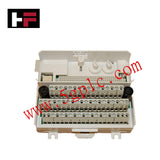
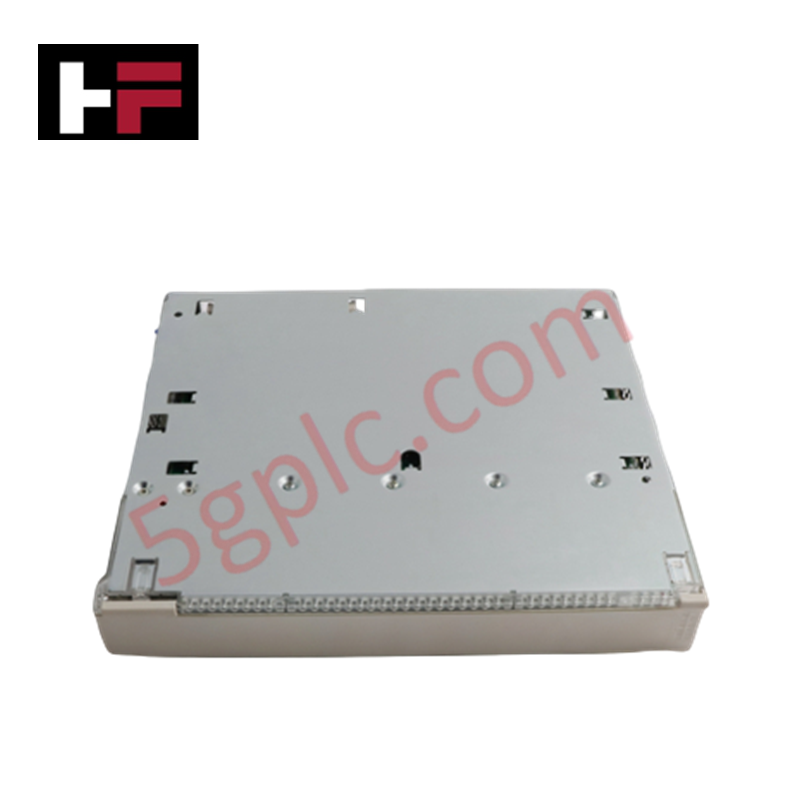
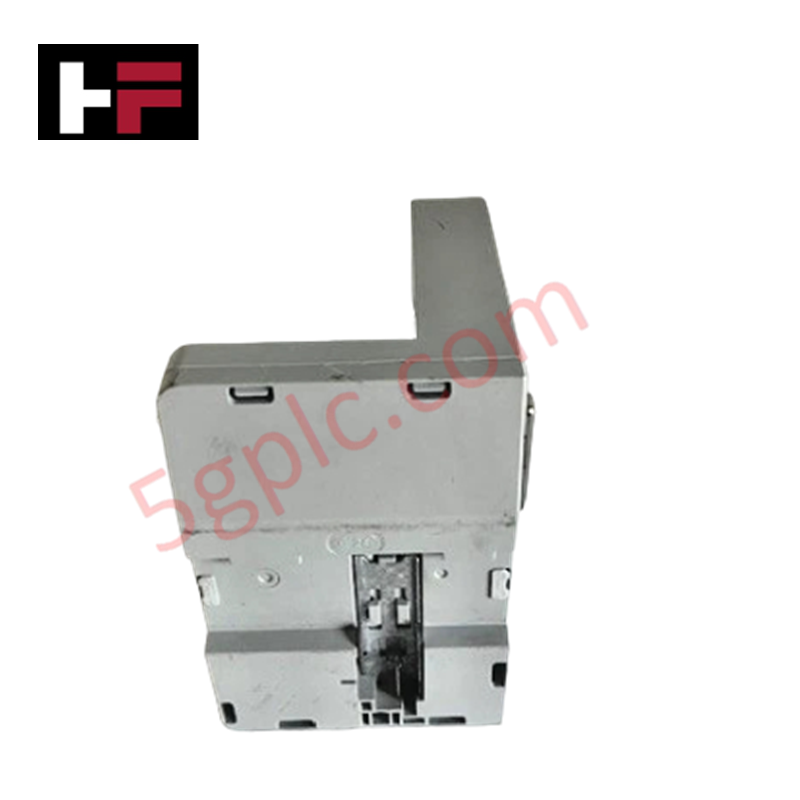
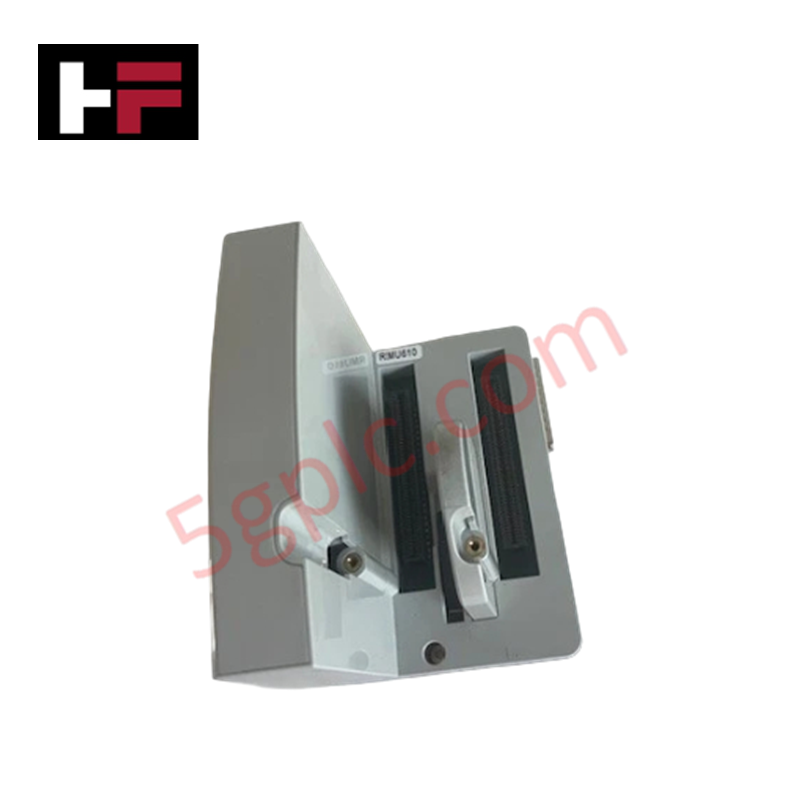
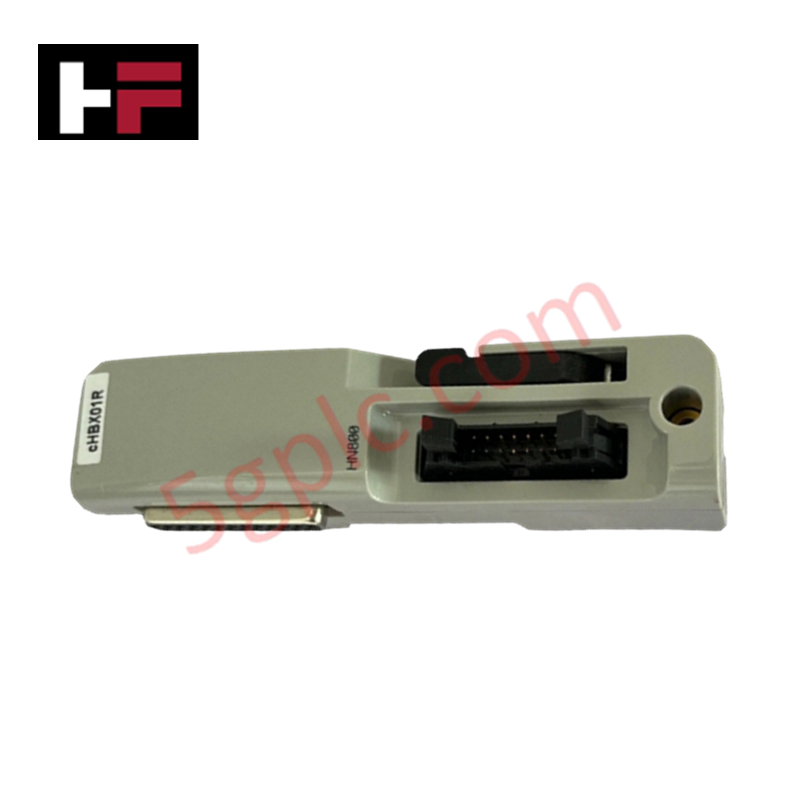
The TU839 3BSE046966R1 is a passive termination base for mounting S800 series modules on DIN rails. The "Extended" version features 26 terminals for more field wiring options. It routes field power and signals to the ModuleBus while maintaining signal integrity. The mechanical keying system ensures only compatible modules are installed, preventing electrical mismatches. Designed for industrial use, the TU839 supports hot-swapping of modules, allowing maintenance without disrupting control or disconnecting field cables.
Specifications
-
Manufacturer: ABB
-
Model Number: TU839 (3BSE046966R1)
-
Product Type: Extended Module Termination Unit (MTU)
-
Terminal Points: 26 Screw-clamp terminals
-
Maximum Voltage: 50 V DC
-
Current Rating: Up to 2 A per channel
-
Mounting: 35mm DIN rail (Horizontal or Vertical)
-
Connector Integrity: Vibration-proof screw terminals
-
Internal Bus: ModuleBus interface support
-
Environmental Rating: IP20
-
Weight: 0.51 kg
Features
-
Expanded Field Connectivity: Features 26 termination points to accommodate signal, power return, and shield connections directly on the base unit.
-
ModuleBus Backplane: Provides a reliable electrical path for high-speed data transfer between the mounted I/O module and the controller.
-
Integrated Safety Coding: Mechanical keying prevents the insertion of incorrectly rated modules, protecting the system against configuration errors.
-
Live Maintenance Support: Fully supports hot-swapping, enabling the replacement of I/O modules while the station remains powered and operational.
-
Noise Mitigation: Optimized grounding and shielding terminals help protect sensitive signals from high-frequency electromagnetic interference.
-
Industrial Durability: Constructed with flame-retardant materials designed to withstand the thermal and mechanical stresses of process automation facilities.
Additional Information
- 100% Genuine Parts: All products are original and authentic, ensuring reliable industrial performance.
- 30-Day Refund Guarantee: Return any in-stock item within 30 days in original, unopened packaging for a full refund (excluding shipping and fees).
- 12-Month Warranty: Covers defects in materials or workmanship; excludes misuse, normal wear, or unauthorized modifications.
- Worldwide Shipping: We ship via USPS, UPS, FedEx, and DHL. Delivery times vary by country and may be subject to customs or import fees.
- Support & Contact: Technical and warranty assistance is available anytime. Contact us here: Contact.
- Purchase Guidance: Check product specifications and compatibility carefully before ordering to ensure proper application.
Tech & Buying Guide
Mastering Modern Industrial Joystick Controls in Heavy Automation
Industrial joysticks play a pivotal role in human-machine interaction across heavy material handling and mobile hydraulics. These tactile controllers translate complex operator movements into precise electrical signals for PLCs, motion controllers, and DCS networks. Consequently, selecting and installing the right joystick architecture ensures operator safety, reduces fatigue, and optimizes equipment performance.

Navigating Industrial Automation Failures: Types, Causes, and Mitigation Strategies
Modern manufacturing relies heavily on automated control systems to maximize throughput and maintain product quality. However, unplanned downtime in industrial automation can cost facility operators thousands of dollars per hour. Understanding how programmable logic controllers (PLCs), distributed control systems (DCS), and field instrumentation fail empowers engineering teams to implement robust preventive maintenance strategies.
Essential Motion Control Commands: A Practical Guide for Engineers
Automation engineers often rely on precise position and speed control to drive modern factory machinery. Modern industrial systems, such as Programmable Logic Controllers (PLCs) and Distributed Control Systems (DCS), depend heavily on standardized motion instructions. Mastering these commands ensures operational safety, protects mechanical components, and optimizes cycle times across production lines.