The Robotics Revolution: How Open-Source Platforms and AI Drive Industrial Automation
- 〡
- 〡 by WUPAMBO
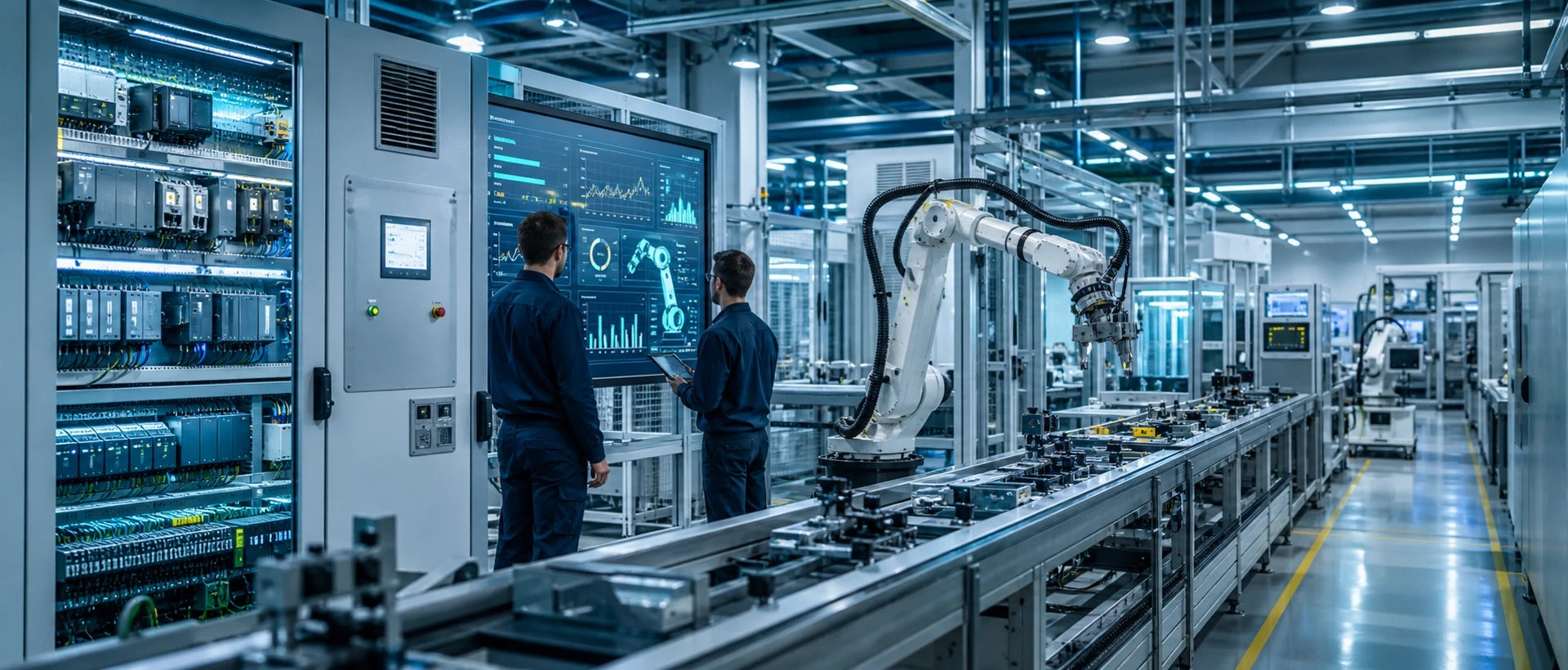
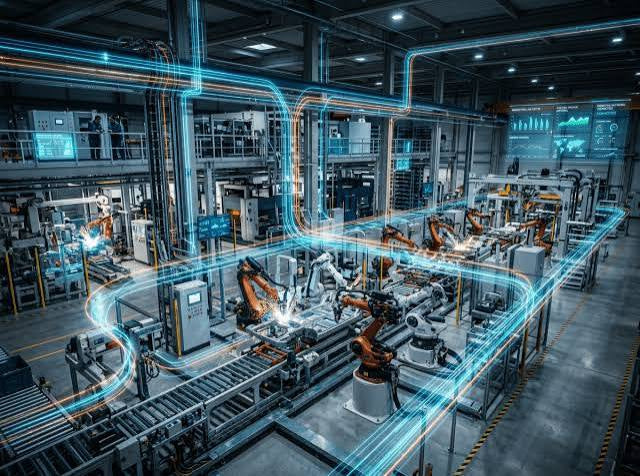
The robotics landscape is undergoing a profound shift toward accessibility and intelligence. New modular platforms, combined with advanced AI, are breaking down barriers for manufacturers of all sizes. This evolution moves beyond traditional factory automation, pushing toward flexible, plug-and-play environments that adapt to dynamic production demands.
Democratizing Factory Automation with Open-Source Innovation
Open-source platforms, such as those introduced by Tobor Robotics, represent a major change in industrial automation. Engineers can now integrate robotic arms, sensors, and actuators into custom configurations without massive capital investment. Consequently, small manufacturers can deploy precision tools for prototyping or assembly tasks. This shift mimics the democratization of software development, allowing for rapid iteration and lower barriers to entry.
AI-Driven Precision in Quality Control Systems
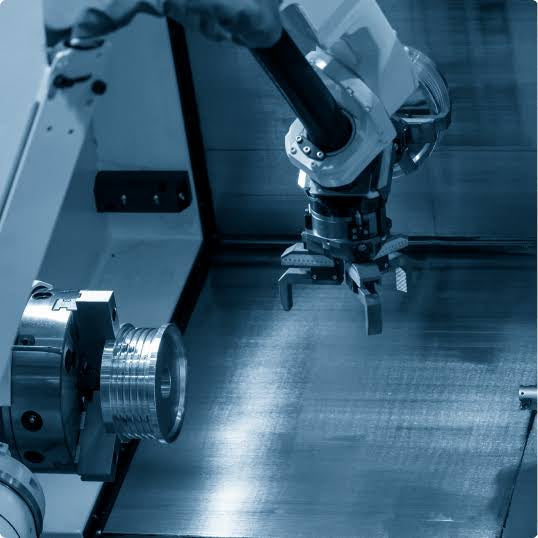
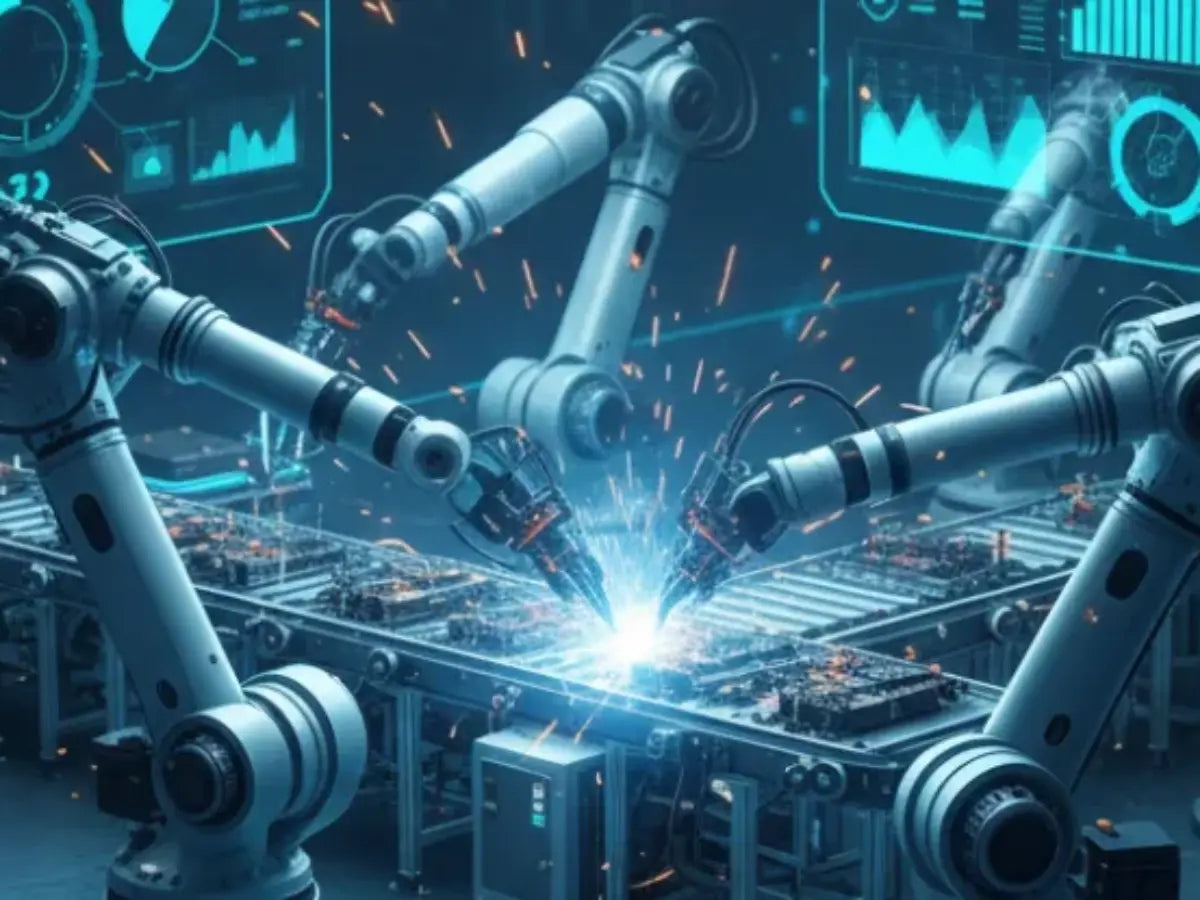
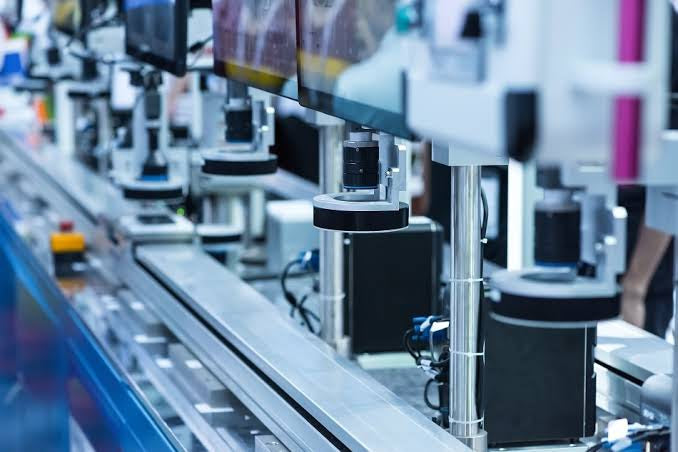
Modern AI-integrated robotic arms are redefining quality control protocols. For instance, GFT Technologies utilizes AI to identify and remove defective automotive parts in real-time. This capability drastically reduces the high costs associated with product recalls and manufacturing waste. In my professional experience, integrating vision systems with robotic actuators creates a self-correcting feedback loop that significantly boosts overall equipment effectiveness (OEE).
Enhancing Reach and Maintenance with Asymmetric Design
Leading hardware providers are continuously refining mechanical designs to improve operational efficiency. Dürr’s latest painting robots, for example, feature an asymmetric architecture that enhances reach in constrained spaces. Furthermore, this simplified mechanical design reduces the frequency of maintenance cycles. Such innovations allow manufacturers to improve throughput while lowering the total cost of ownership for their robotic assets.
Scaling Operations through Cobot Growth and Partnerships
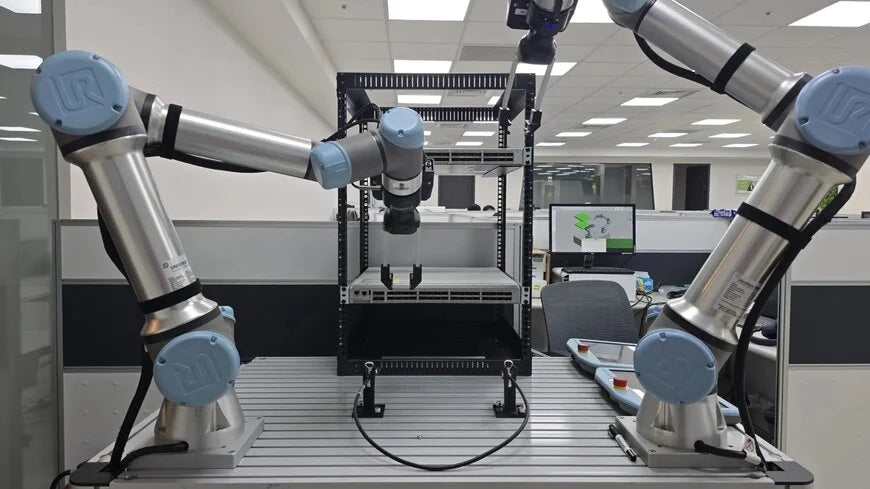
The cobot market continues to grow by approximately 20% annually, driven by companies like FANUC, ABB, and Igus. These manufacturers are launching ultra-lightweight cobots that require minimal setup time. Moreover, strategic partnerships between giants like Siemens and Universal Robots are accelerating software-hardware integration. These collaborations effectively eliminate the need for complex, proprietary programming, making advanced robotics a standard component of modern factory floors.
Expert Perspective: Bridging the Gap in Industrial Robotics
While hardware innovation is rapid, the real value lies in the software ecosystem. We are moving away from monolithic, rigid systems toward modular, intelligent architectures. Manufacturers should prioritize platforms that support interoperability, as this ensures their investments remain scalable. Additionally, the rise of AI-assisted programming will likely reduce the demand for specialized robotics engineers, shifting the focus toward system integration and process optimization.
Solution Scenario: Intelligent Quality Assurance
- Challenge: Detecting microscopic defects in high-speed automotive assembly lines before final inspection.
- Solution: Deploying AI-powered robotic arms equipped with high-resolution vision sensors for autonomous sorting.
- Outcome: Real-time removal of defective parts, significant reduction in recall costs, and enhanced production reliability.
About the Author
Wang Wei is a veteran industrial automation expert with over 15 years of hands-on experience in PLC programming, DCS architecture, and high-voltage power protection systems. Throughout his career, he has successfully directed complex technical upgrades for global manufacturing plants and energy infrastructure projects. Wang is a recognized thought leader who frequently contributes analytical content on the intersection of legacy industrial hardware and modern digital technologies, advocating for practical, scalable solutions in the evolving smart factory landscape.