










Product Details
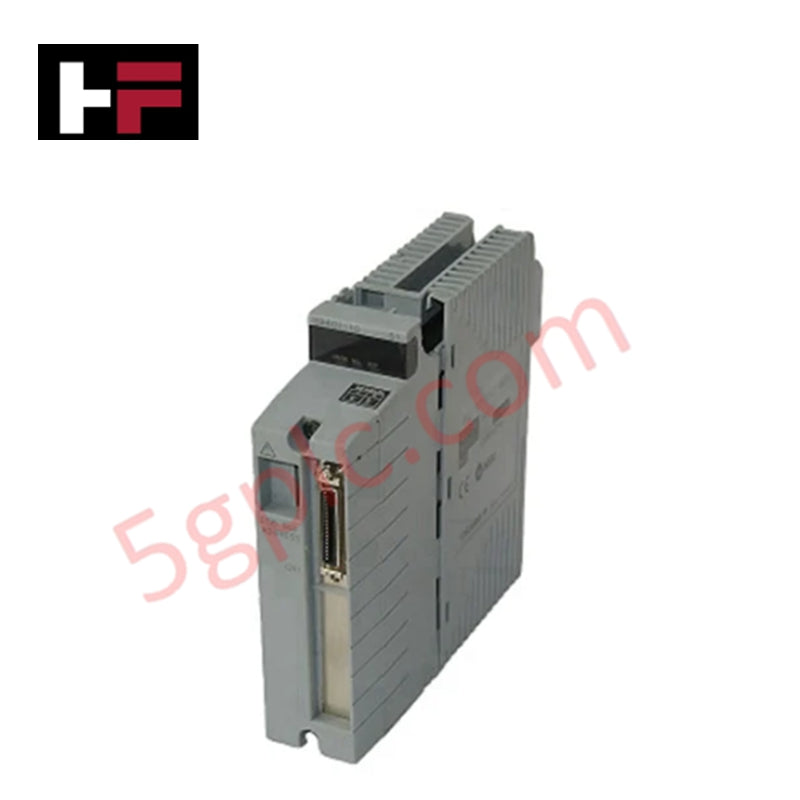
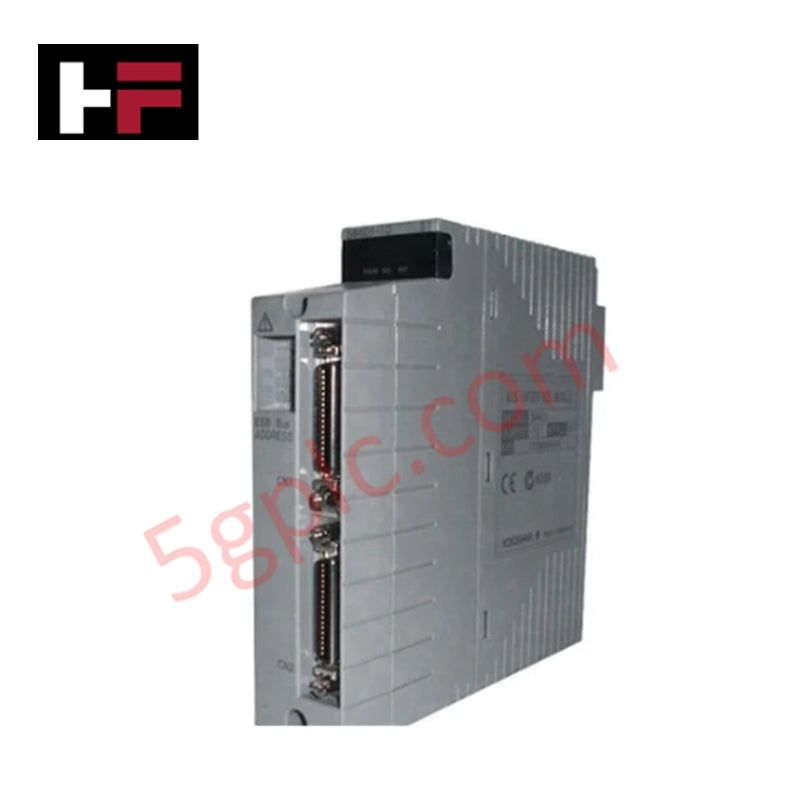
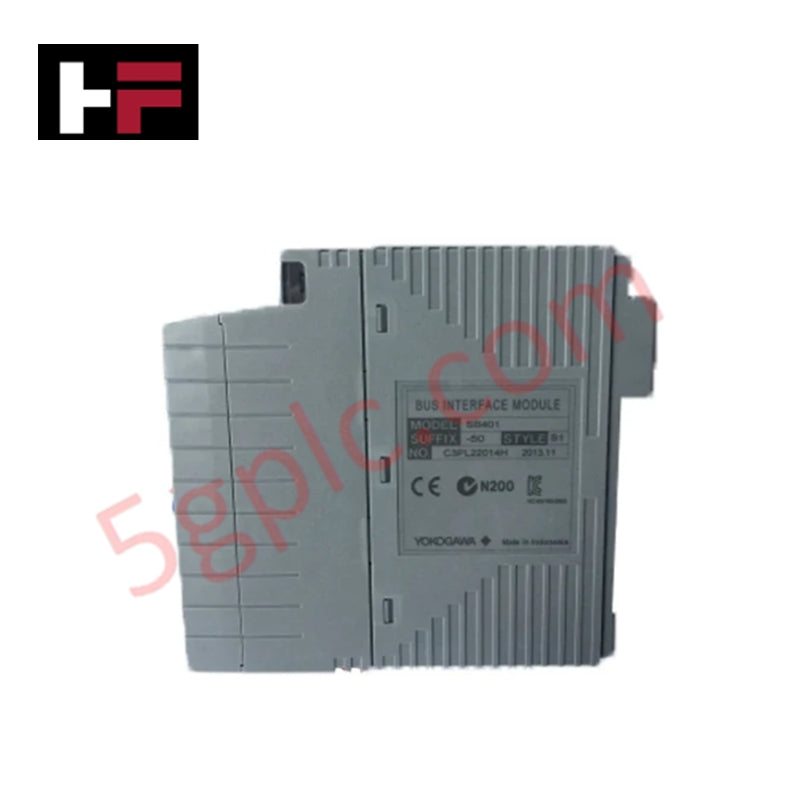
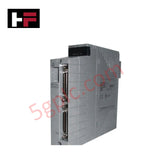
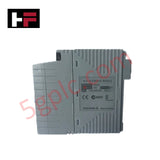
The Yokogawa SB302 S1, also cataloged as the SB302 ESB Bus Interface Card, operates as a dedicated hardware component for high-speed data transmission between the Field Control Unit (FCU) and local nodes within Yokogawa CENTUM control system platforms.
Hardware Specifications
| Parameter | Specification |
|---|---|
| Model | SB302 S1 |
| Brand | Yokogawa |
| Origin | Japan |
| Weight | ~0.35 kg |
| Operating Temp | -20 to +60 deg C |
| Power Consumption | Sub-rack backplane powered |
| Bus Interface | ESB Bus (Field Control Unit to Local Nodes) |
| Communication Velocity | High-speed bus communication |
| Redundancy | Dual-redundant configuration support |
4-20 mA HART Loop Protocol and Channel Isolation
The SB302 S1 integrates backplane channel-to-channel isolation networks to shield system data frames from field-level common-mode noise and ground potential differences. Operating within Yokogawa DCS chassis alongside I/O units handling 4-20 mA HART loop protocol field devices, the module preserves signal waveform integrity during deterministic bus transmission cycles. High galvanic separation limits cross-channel interference between high-speed local node communications and process loop input networks.
Frequently Asked Questions
Q: What is the primary function of the SB302 S1 interface card?
A: It provides high-speed, deterministic communications between the main Field Control Unit (FCU) backplane and local I/O nodes.
Q: How does dual-redundancy operate on the SB302 S1?
A: When paired in redundant chassis slots, the secondary card continuously monitors primary bus activity to execute instant failover without disrupting real-time node communications.
Field Installation Guidelines
- ESD Protection: Always wear a grounded anti-static wrist strap before handling the card assembly to prevent electrostatic damage to onboard bus interface ICs.
- Module Insertion: Align the card edges with the designated sub-rack chassis guides and slide smoothly until the rear multi-pin connector fully seats into the backplane.
- Shield Grounding: Ensure all ESB bus cable shields are securely clamped to the system earthing bar at the cabinet entry point to attenuate electromagnetic interference.
- Cable Routing: Maintain physical separation between high-speed ESB bus interconnect cables and high-voltage AC power cabling or heavy inductive load leads.
Additional Information
- 100% Genuine Parts: All products are original and authentic, ensuring reliable industrial performance.
- 30-Day Refund Guarantee: Return any in-stock item within 30 days in original, unopened packaging for a full refund (excluding shipping and fees).
- 12-Month Warranty: Covers defects in materials or workmanship; excludes misuse, normal wear, or unauthorized modifications.
- Worldwide Shipping: We ship via USPS, UPS, FedEx, and DHL. Delivery times vary by country and may be subject to customs or import fees.
- Support & Contact: Technical and warranty assistance is available anytime. Contact us here: Contact.
- Purchase Guidance: Check product specifications and compatibility carefully before ordering to ensure proper application.


Tech & Buying Guide

Demystifying Open Platform Communication (OPC): The Backbone of Industrial Interoperability
Interoperability remains a cornerstone requirement for modern smart factories and process automation. Open Platform Communication (OPC) bridges the gap between disparate hardware platforms, control systems, and visualization software. By establishing a universal communication standard, OPC allows field controllers, SCADA platforms, and enterprise software from different vendors to exchange real-time data seamlessly.

Understanding Siemens PLC Memory Cards: MMC, SMC, and SD Solutions in Industrial Automation
Memory management plays a pivotal role in maintaining control system reliability across modern manufacturing plants. Industrial control systems rely on specialized memory cards to store project logic, firmware updates, and retentive system data. Siemens uses several memory architectures, including Micro Memory Cards (MMC) and SIMATIC Memory Cards (SMC). Engineers must understand these hardware variations to ensure zero data loss and minimize downtime during maintenance routines.

Redefining Control Systems: The Rise of Flexible I/O Modules in Industrial Automation
Conventional input-output architectures often limit engineering agility and inflate long-term inventory costs. Today, Flexible Input/Output Modules (FIOM) are transforming how control system engineers design, commission, and maintain automation infrastructure. By allowing individual channel software configuration, FIOM technology bridges the gap between rigid hardware design and dynamic plant requirements.