










Product Details
Product Overview
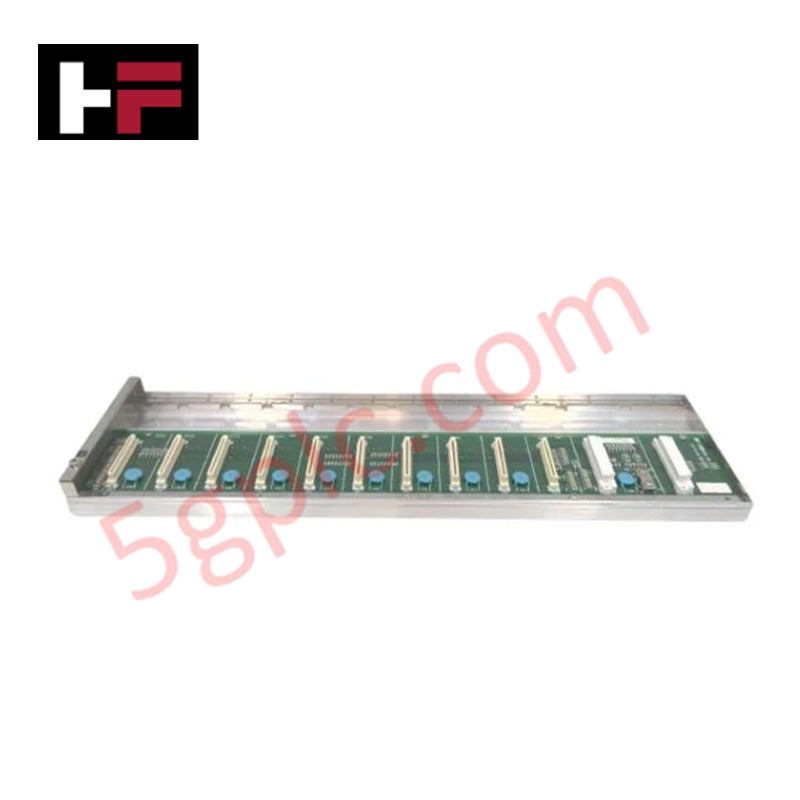
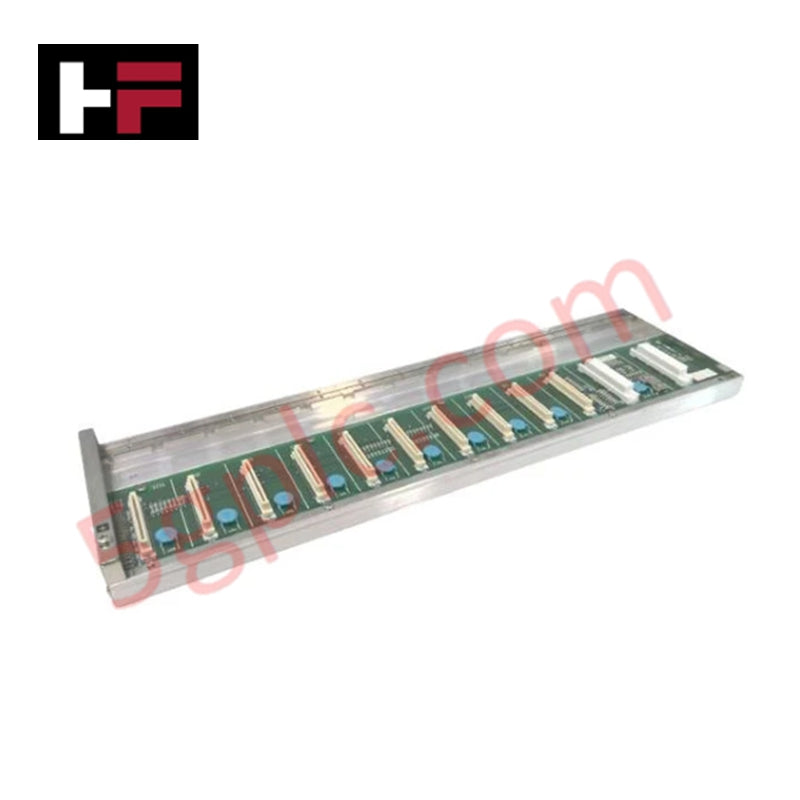
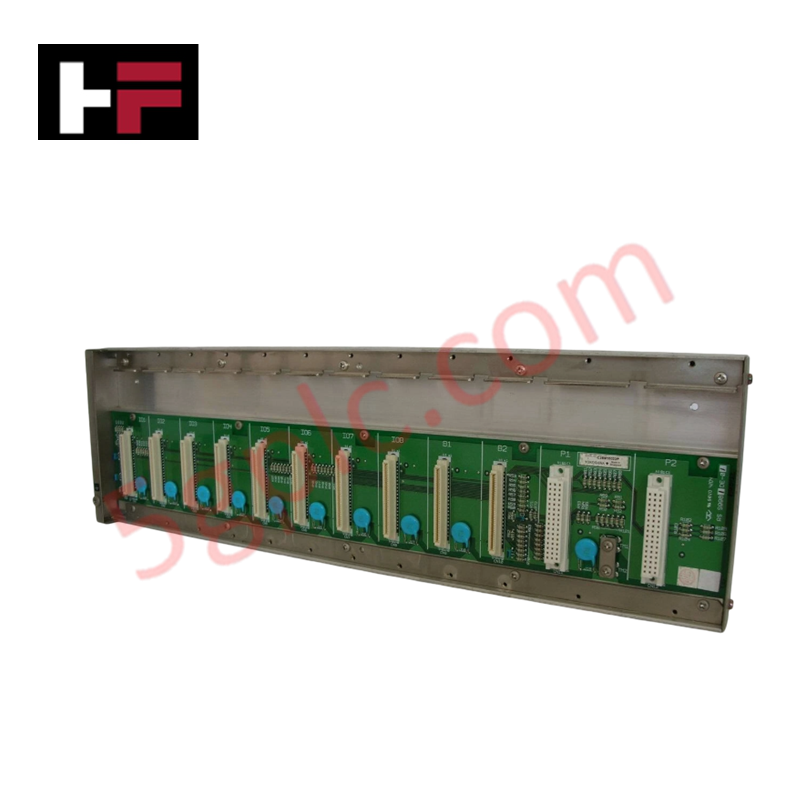
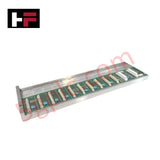
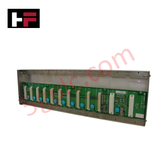
The Yokogawa S9981DE-01 serves as a high-capacity data acquisition bridge for the STARDOM autonomous control system. This interface unit translates complex field signals into digitized data, providing the essential link between physical sensors and the control network. It handles dense instrumentation requirements by managing up to 16 independent channels within a single module. We supply this component as 100% Brand New, ensuring factory-spec accuracy and long-term stability for critical process monitoring.
Part Number Breakdown
The S9981 series utilizes a structured nomenclature to define channel density and signal processing capabilities:
| Code Segment | Technical Definition |
| S9981 | Base Series: STARDOM Analog/Digital Interface Hardware |
| DE | High-performance electronic processing architecture |
| -01 | Version Identifier: Denotes 16-channel high-density configuration |
Technical Specifications
The S9981DE-01 prioritizes signal purity and multi-protocol flexibility.
-
Manufacturer: Yokogawa
-
Model: S9981DE-01
-
Channel Capacity: 16 Isolated Channels
-
Input Compatibility: Thermocouples (TC), RTDs, Voltage (mV/V), Current (mA), and Digital Signals
-
Signal Integrity: Individual channel isolation
-
System Architecture: Native Yokogawa STARDOM Integration
-
Weight: 3.50 lbs (approx. 1.59 kg)
-
Condition: 100% Brand New and Original
Engineering Advantages
The S9981DE-01 addresses several common pain points in industrial signal management:
-
Noise Mitigation through Isolation: Individual channel isolation prevents ground loops and minimizes electrical noise interference. This architecture ensures that a fault on one sensor line does not propagate across the entire 16-channel bank.
-
Hardware Consolidation: By supporting thermocouples, RTDs, and mA signals on a single unit, the S9981DE-01 reduces the number of spare parts required. This versatility allows engineers to standardize on one module type for diverse field inputs.
-
High-Resolution Data Acquisition: The unit utilizes high-speed A/D converters to maintain signal resolution. This precision enables the STARDOM system to detect minute process fluctuations, which is vital for chemical and pharmaceutical applications.
-
Streamlined STARDOM Integration: The module communicates natively with STARDOM controllers, eliminating the need for third-party protocol converters or custom drivers. This "plug-and-play" compatibility accelerates commissioning timelines.
FAQs
How does the S9981DE-01 handle mixed signal types simultaneously?
The internal circuitry permits the configuration of individual channels for different input types via the STARDOM software. You can monitor temperature via RTDs on one channel while tracking pressure via 4-20mA signals on the next, provided you follow the wiring terminal assignments.
What is the benefit of the 16-channel density compared to the -02 version?
The -01 version maximizes cabinet space efficiency. By packing 16 channels into a 3.50 lb unit, it reduces the physical footprint required in the control room, effectively lowering the cost per point for large-scale instrumentation projects.
Does this unit require periodic calibration?
While Yokogawa factory-calibrates the S9981DE-01, we recommend verifying accuracy during your standard annual plant maintenance cycle. The unit’s high-stability components minimize drift, ensuring long-term measurement reliability in harsh industrial environments.
Additional Information
- 100% Genuine Parts: All products are original and authentic, ensuring reliable industrial performance.
- 30-Day Refund Guarantee: Return any in-stock item within 30 days in original, unopened packaging for a full refund (excluding shipping and fees).
- 12-Month Warranty: Covers defects in materials or workmanship; excludes misuse, normal wear, or unauthorized modifications.
- Worldwide Shipping: We ship via USPS, UPS, FedEx, and DHL. Delivery times vary by country and may be subject to customs or import fees.
- Support & Contact: Technical and warranty assistance is available anytime. Contact us here: Contact.
- Purchase Guidance: Check product specifications and compatibility carefully before ordering to ensure proper application.


Tech & Buying Guide

Demystifying the DDE Protocol in Legacy Industrial Automation Systems
Modern control systems rely heavily on seamless interprocess communication to exchange operational data between software programs. Microsoft first introduced the Dynamic Data Exchange (DDE) protocol in 1987 to enable real-time data sharing. In factory automation, DDE served as an early bridge between control software and Windows desktop applications. Therefore, understanding DDE mechanics provides crucial insights into how legacy industrial networks established software-level connectivity.

Demystifying CPU Communication Ports in Siemens PLC Architectures
Industrial automation relies heavily on robust data exchange between devices. Without seamless connectivity, field instruments, network switches, human-machine interfaces, and programmable logic controllers cannot coordinate effectively. Therefore, understanding the various CPU communication ports available in Siemens hardware ensures efficient factory automation design and seamless system integration.

Mastering the Siemens PLC Scan Cycle: How the CPU Executes Automation Programs
Industrial automation relies heavily on programmable logic controllers (PLCs) to manage complex manufacturing processes. Many engineers dive straight into programming without mastering the underlying architecture. However, understanding how a PLC CPU executes a program ensures reliable system design. Therefore, mastering the scan cycle optimizes both performance and troubleshooting in modern control systems.