












Product Details
Product Overview
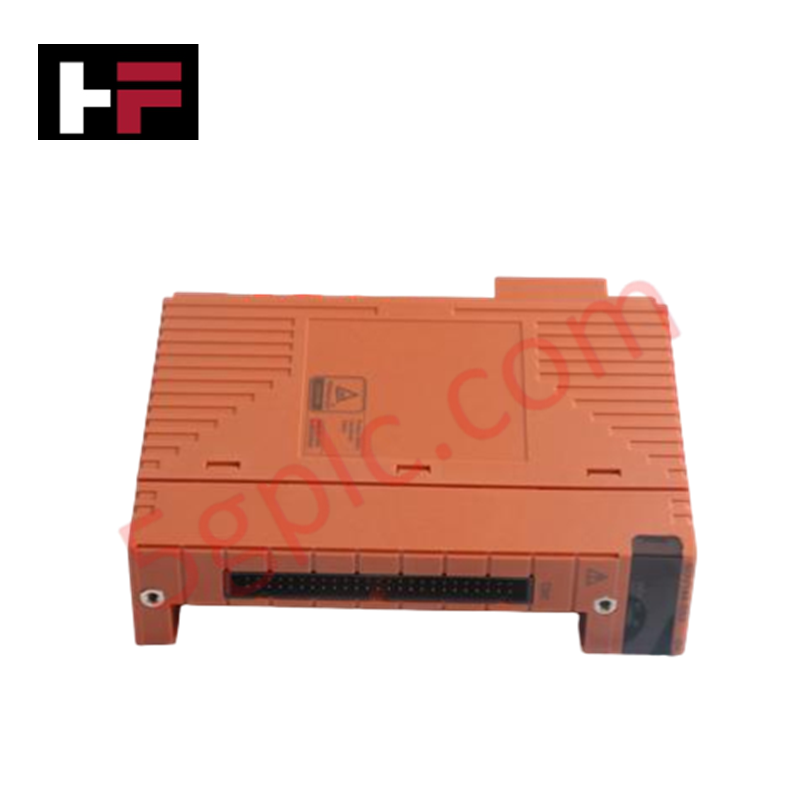
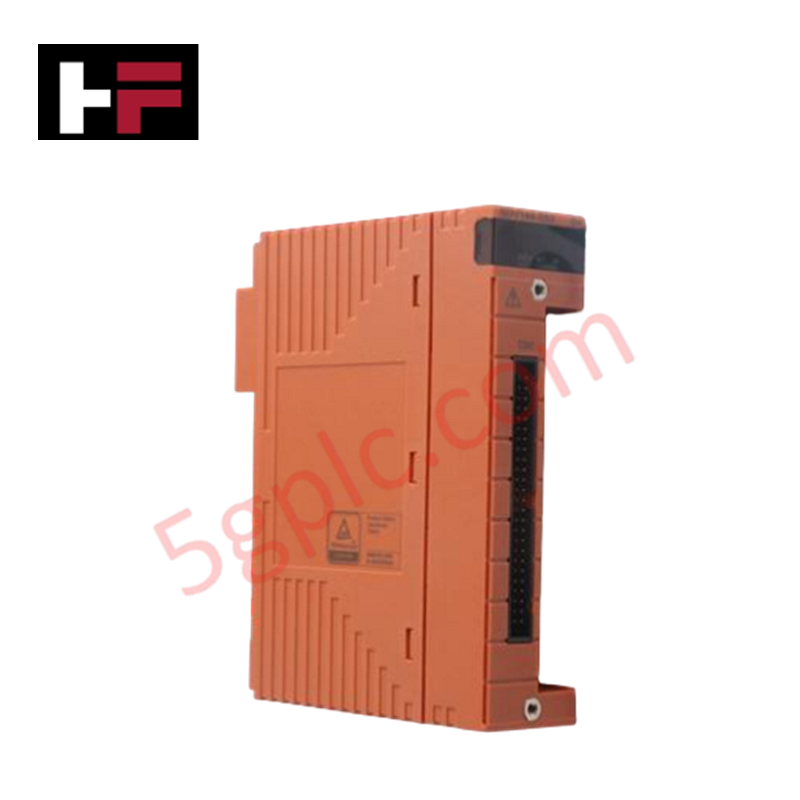
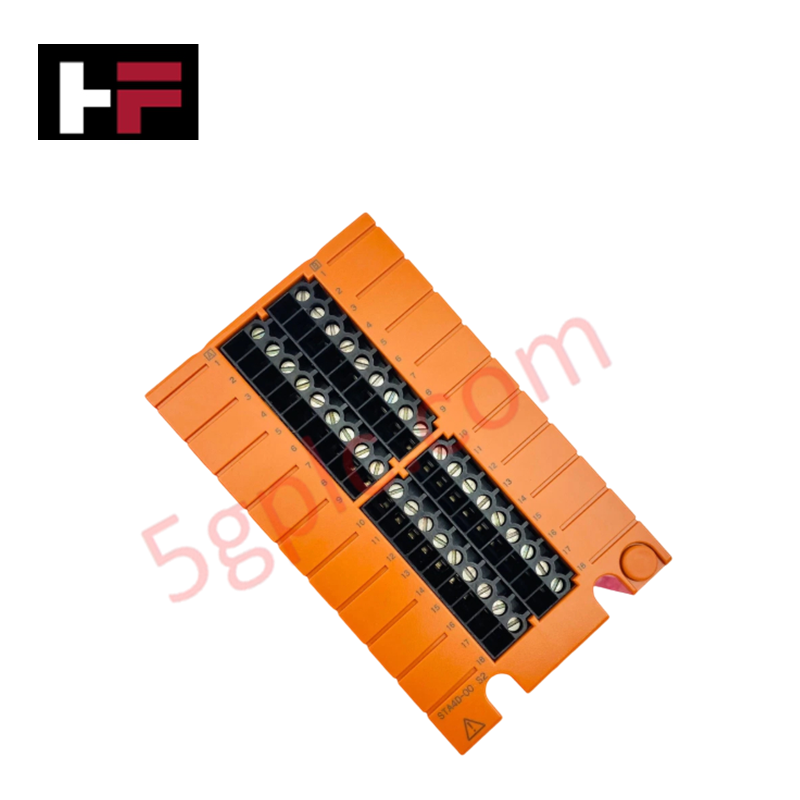
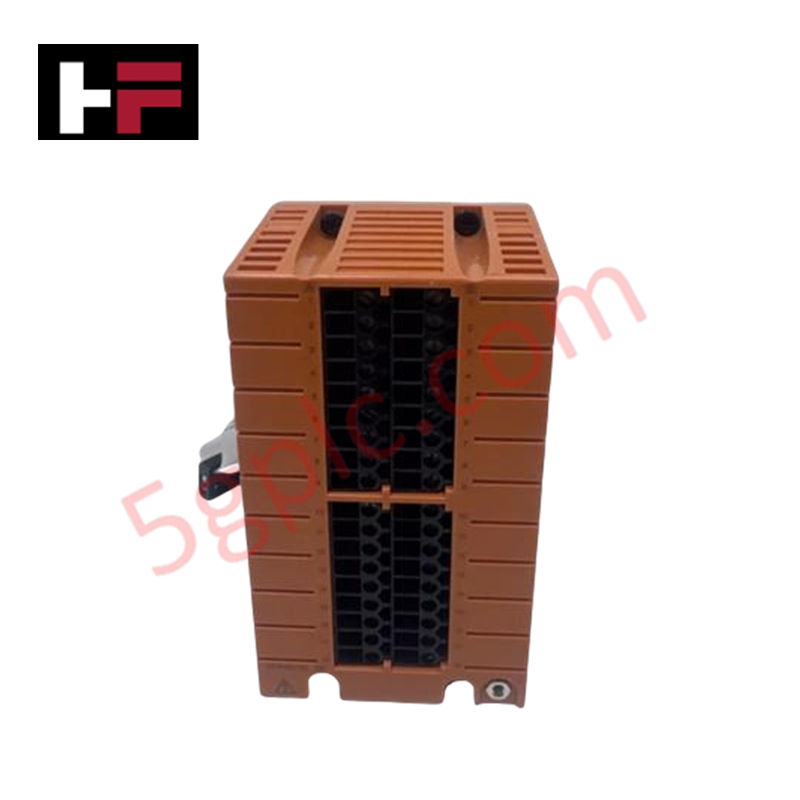
The Yokogawa EC401-11 ESB Bus Coupler Module provides the critical communication link between Field Control Units (FCU) and distributed Node Units within the CENTUM VP distributed control system. It resolves the challenge of extending high-speed I/O connectivity to remote or densely packed control cabinets by supporting up to 9 N-IO/FIO modules over a dedicated 128 Mbps ESB bus. This single-port coupler ensures deterministic, low-latency data transfer essential for fast-loop process control in demanding environments such as refineries, chemical plants, and power generation facilities. With integrated support for explosion-protected and ISA G3 corrosive environment variants, the EC401-11 delivers reliable performance where standard modules would fail.
Technical Specifications
|
Parameter |
Specification |
|---|---|
|
Product Type |
ESB Bus Coupler Module (Single-Port Master) |
|
Brand / Series |
Yokogawa / CENTUM VP |
|
Model Number |
EC401-11 (Style S2) |
|
Primary Function |
ESB Bus Master Interface for FCU-to-Node communication |
|
Compatible I/O Systems |
N-IO, FIO (Field I/O) modules |
|
Connectable Nodes |
Maximum 9 I/O units per coupler |
|
Transmission Speed |
128 Mbps (dedicated I/O data channel) |
|
Max Transmission Distance |
10 meters between coupler and farthest I/O unit |
|
Current Consumption |
0.5 A @ 24 VDC (typical operating load) |
|
Weight |
0.24 kg (0.53 lbs) |
|
Port Configuration |
Single-port ESB interface |
|
Mounting |
DIN rail or CENTUM VP Node Unit slot |
|
Environmental Options |
Explosion protection, ISA-71.04 Grade G3 compliance |
|
Target Applications |
Hazardous area I/O expansion, corrosive environment control |
Model Code Decomposition
Yokogawa's EC401 series employs a structured suffix system to precisely define safety ratings and environmental certifications. Correct interpretation ensures compliance with facility area classification and process safety requirements.
Part Number Structure: EC401-XX
-
EC: Series identifier for CENTUM VP ESB communication modules.
-
401: Functional code specifying the single-port ESB Bus Coupler for N-IO/FIO systems.
-
Suffix Positions (Two-digit code defines variant):
-
0: Basic type – Standard environmental protection for typical indoor industrial use.
-
1: ISA Standard G3 compliant – Meets ISA-71.04 Grade G3 for severe corrosive atmospheres (e.g., high concentrations of H₂S, chlorine, ammonia). Essential for wastewater treatment, chemical processing, and coastal facilities.
-
5 or E: Standard type – No explosion protection. Suitable for general industrial control rooms and non-hazardous areas.
-
1: Explosion-protected type – Certified for installation in hazardous locations where flammable gases, vapors, or combustible dusts may be present (e.g., Zone 2, Class I Div 2).
-
First Digit (Explosion Protection Classification):
-
Second Digit (Environmental Compliance):
-
Example: EC401-11 = Explosion-protected variant + ISA G3 corrosive environment compliance. This module is engineered for deployment in hazardous, chemically aggressive areas where both safety and long-term reliability are critical.
Installation Recommendations and Wiring Guidelines
Mount the EC401-11 securely in the designated CENTUM VP node slot or on a 35mm DIN rail adjacent to the Field Control Unit. Ensure the module is firmly seated to maintain reliable electrical contact with the backplane. Plan cable routing to stay within the strict 10-meter maximum ESB segment length; exceeding this distance at 128 Mbps will cause communication errors and I/O scan failures.
Use only Yokogawa-certified shielded twisted-pair ESB cables with locking connectors to prevent accidental disconnection. Terminate the bus with the correct resistor value at the physical end of the segment to eliminate signal reflection. For the explosion-protected (-1) variant, all wiring practices must comply with applicable hazardous location standards (ATEX, IECEx, NEC Article 501/504), including the use of approved cable glands, seals, and grounding methods to maintain the integrity of the protection concept. Power the module from a regulated 24 VDC supply with sufficient capacity for the 0.5 A load plus connected I/O units. After installation, verify communication status via the module's LED indicators: steady green confirms successful ESB handshake with the FCU, while amber or blinking patterns indicate configuration errors, cable faults, or termination issues. Perform a loopback test using Vx-Toolset engineering software before system commissioning to validate end-to-end I/O scanning performance.
Frequently Asked Questions (FAQ)
Q: What is the difference between EC401-10 and EC401-11?
A: Both are single-port ESB couplers for N-IO/FIO systems. The key difference lies in the suffix: EC401-10 typically denotes a standard or basic environmental variant, while EC401-11 specifically indicates ISA Standard G3 compliance for severe corrosive environments. Always verify the full suffix against your facility's environmental and area classification requirements.
Q: Can I connect more than 9 I/O modules to a single EC401-11?
A: No. The 9-unit limit is a hard constraint of the ESB protocol electrical specification and timing budget at 128 Mbps. Exceeding this number will cause communication instability and unpredictable I/O behavior. For larger I/O counts, deploy additional EC401-11 modules in separate node slots or consider a dual-port coupler variant like the SEC402 series.
Q: Is the EC401-11 hot-swappable?
A: Yes, when installed in a CENTUM VP system with redundant configuration and proper engineering settings. However, best practice is to place the associated Field Control Station in maintenance mode via the engineering station before physical replacement to avoid transient I/O communication alarms and potential process upsets.
Q: How does ISA G3 compliance benefit my installation?
A: ISA-71.04 Grade G3 certification means the module's circuit board and components are protected against severe corrosive gases and particulates. This significantly extends service life and reduces failure risk in environments like chemical plants, pulp/paper mills, wastewater facilities, or coastal installations where sulfur compounds, chlorides, or ammonia are present.
Q: Can I use standard Ethernet cable for the ESB connection?
A: No. The ESB bus uses a proprietary physical layer and signaling protocol distinct from Ethernet. You must use Yokogawa-specified ESB cables with the correct impedance, shielding, and connector types. Substituting standard Cat5e/6 cable will result in communication failure and may damage the module.
Additional Information
- 100% Genuine Parts: All products are original and authentic, ensuring reliable industrial performance.
- 30-Day Refund Guarantee: Return any in-stock item within 30 days in original, unopened packaging for a full refund (excluding shipping and fees).
- 12-Month Warranty: Covers defects in materials or workmanship; excludes misuse, normal wear, or unauthorized modifications.
- Worldwide Shipping: We ship via USPS, UPS, FedEx, and DHL. Delivery times vary by country and may be subject to customs or import fees.
- Support & Contact: Technical and warranty assistance is available anytime. Contact us here: Contact.
- Purchase Guidance: Check product specifications and compatibility carefully before ordering to ensure proper application.
Tech & Buying Guide

Evolving SCADA System Architectures in Industrial Automation
A robust Supervisory Control and Data Acquisition (SCADA) system serves as the heartbeat of modern industrial operations. Understanding SCADA system architecture is vital for engineers designing efficient control systems. These architectures have evolved from isolated, monolithic structures to highly interconnected, networked ecosystems. Choosing the right design requires balancing data visibility, processing power, and long-term scalability requirements.

Choosing the Right Controller: PLC vs. Motion Controller in Industrial Automation
Selecting the optimal control architecture is a foundational decision in industrial automation. Engineers must frequently choose between a Programmable Logic Controller (PLC) and a dedicated Motion Controller. While both systems manage machinery, their underlying design philosophies differ significantly, impacting performance, scalability, and system integration.

Mastering PLC Power Supply Architectures and Operating Voltages
Selecting the correct operating voltage is a critical step in designing reliable industrial automation systems. Whether you are working with a compact PLC or a large-scale DCS, your power architecture dictates the system's longevity. In this guide, we explore the standard voltage ranges and power distribution strategies required to maintain stable factory automation operations.